
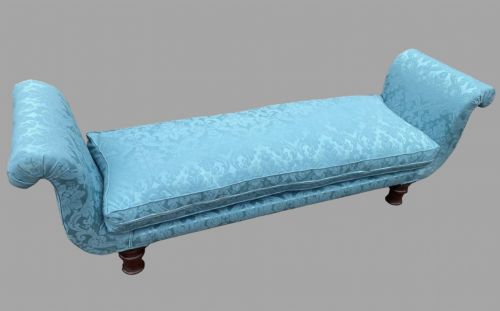
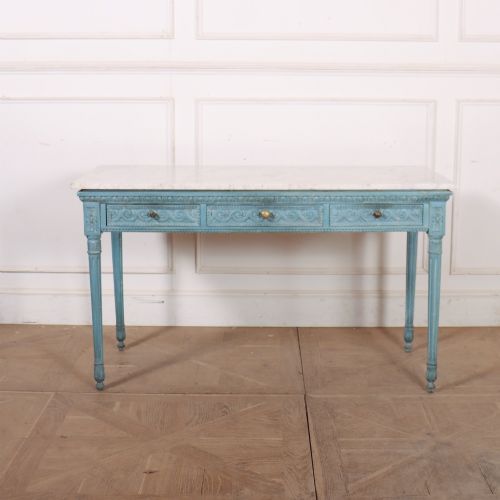
Antique Blue Light
When you seek an antique blue light, you find illuminating objects and jewellery cast in porcelain, glass, and enamel.
Antique Blue Light
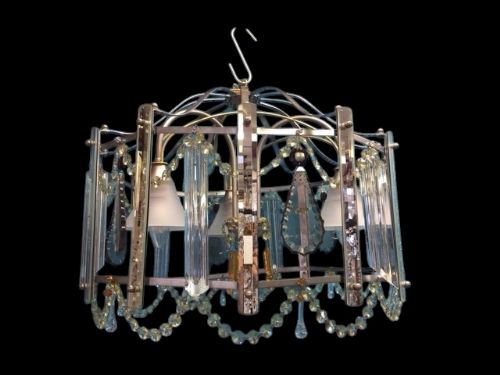
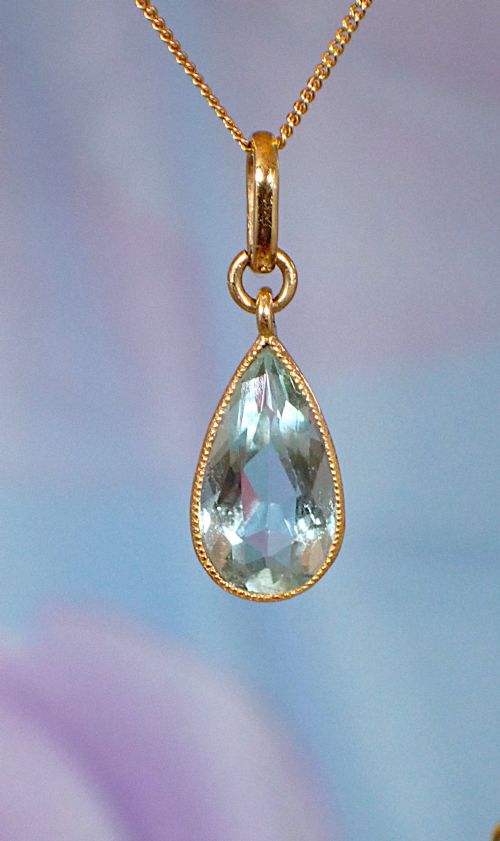
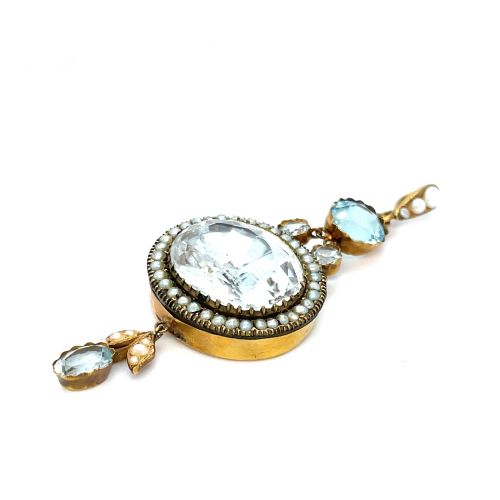
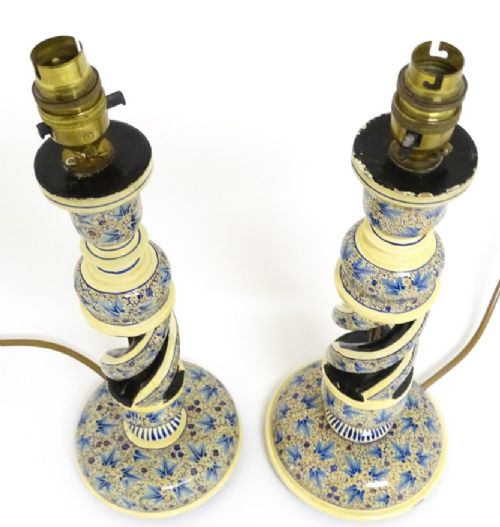
An antique blue light encompasses an eclectic mix of lighting fixtures, porcelain vases converted into lamps, and jewellery centred around blue hues. Buyers encounter table lamps, wall sconces, and chandeliers alongside blue-toned gems and enamel pieces.
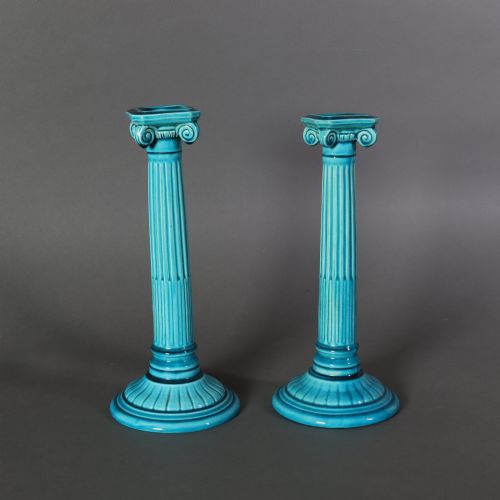
The objects stem from various periods, with nineteenth-century French ormolu-mounted porcelain and twentieth-century Art Deco iterations appearing frequently. Many items showcase turquoise, aquamarine, or sapphire tones set against brass, gilt bronze, or gold.
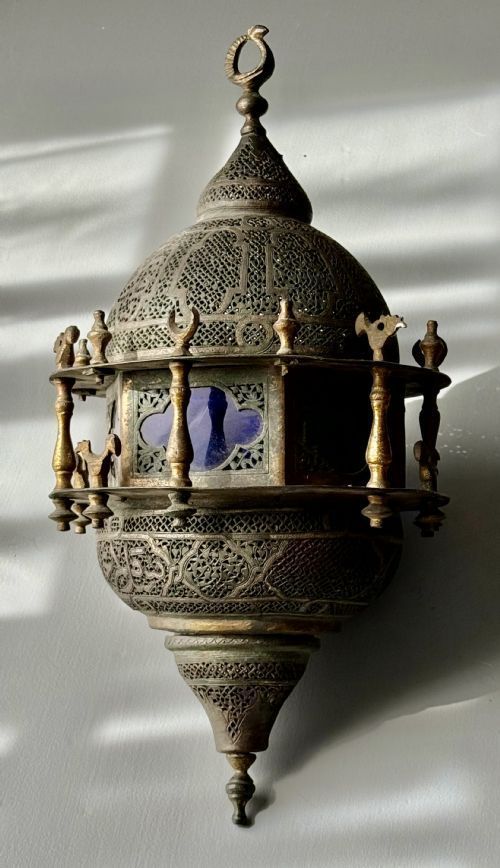
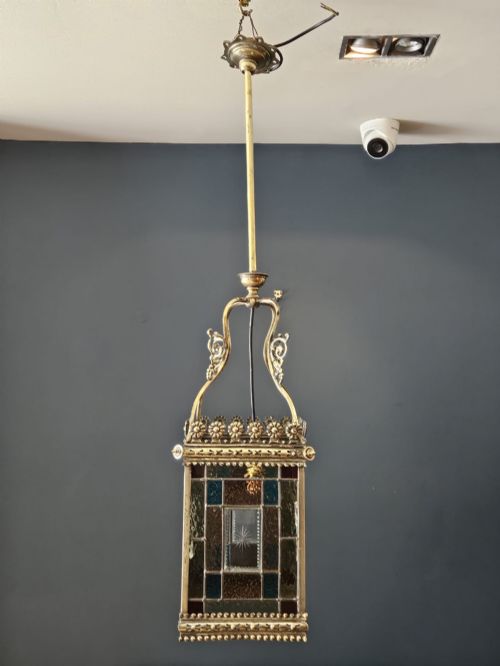
The selection ranges from structural brass and glass lanterns to delicate ceramic jars and crystal chandeliers. Each piece utilises its blue colouring to draw the eye, whether through glazed porcelain or sparkling gemstones.
How they were made
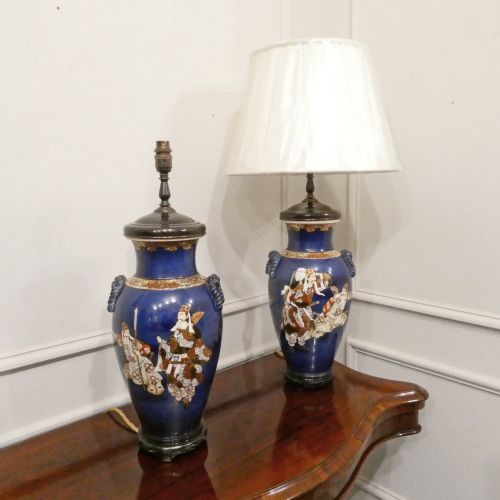
Craftsmen built these items using a foundation of durable base metals such as brass, bronze, and iron, often applying gilt or ormolu mounts for decorative effect. Ceramic and porcelain components were hand-painted or colour-glazed before being integrated into lighting fixtures.
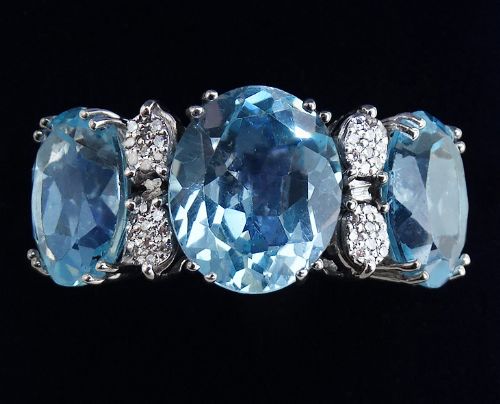
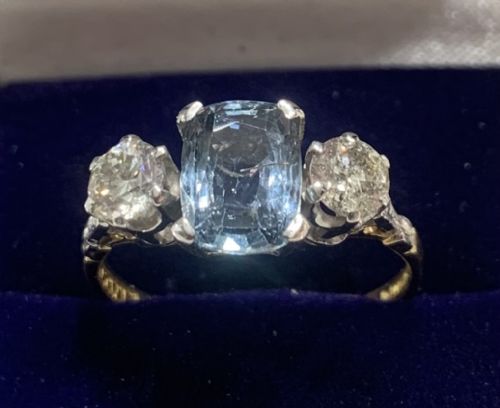
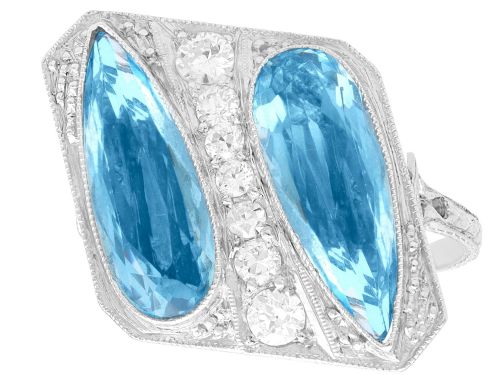
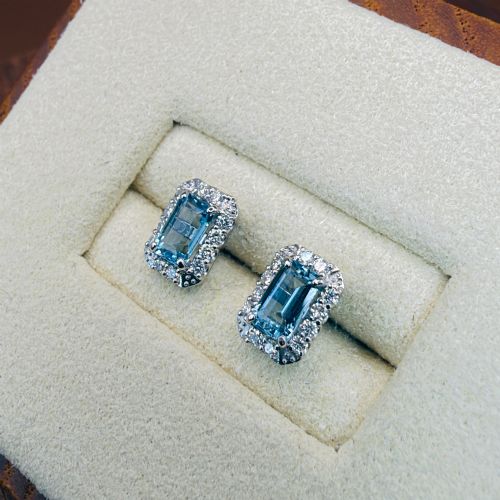
Jewellery and decorative boxes incorporate precious metals like gold, silver, and platinum alongside foiled aquamarines, sapphires, spinels, and enamel work. Glass and crystal elements were lead-moulded or cut to catch and refract light effectively.
A seventeenth-century Japanese vase found a second career as a modern electric lamp.
What varies in quality
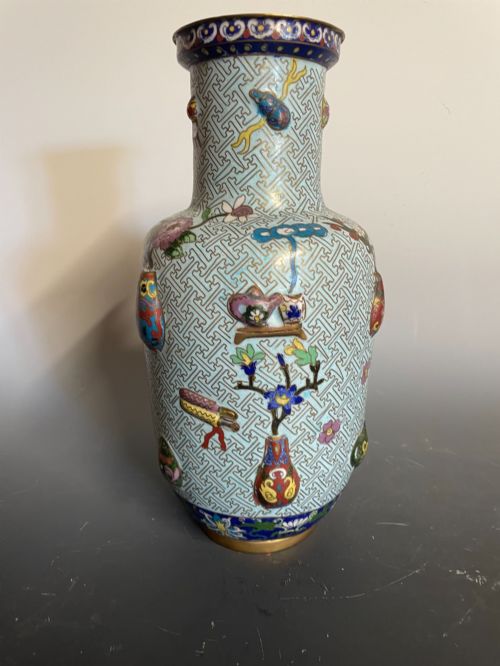
The distinction between tiers rests upon the precision of the metalwork, the depth of the porcelain glaze, and the clarity of the set gemstones. Superior pieces exhibit hand-chased ormolu mounts, finely detailed cloisonné enamel, and unheated sapphires or vibrant aquamarines.
Execution and proportion define the upper tier, where converted vases retain their original symmetry and lighting hardware integrates seamlessly with antique bodies. Poorer examples show uneven casting, faded enamel, or clumsy conversion work.
Villeroy and Boch·Hicks and Meigh·Liberty and Co·Carlton Ware
The Antique Blue Light Glossary
- Ormolu
- Gilt bronze ornamentation applied to furniture, clocks, and porcelain lamps. It provides a rich golden contrast against blue ceramic bodies.
- Cloisonné
- An ancient technique where enamel is applied to compartments created by soldered wire on a metal base. This method produces intricate decorative patterns on vases and lamps.
- Aquamarine
- A pale blue to turquoise variety of beryl used frequently in Edwardian and Art Deco jewellery. Its clarity and light colour define its appeal.
- Champlevé
- Enamelling where troughs are carved into a metal surface and filled with vitreous paste before firing. The technique adds durable colour to candlesticks and decorative objects.
Antique Blue Light: Frequently Asked Questions
What is an antique blue light?
An antique blue light refers to vintage and antique illumination pieces, lamps, and blue-toned jewellery or decorative objects. These items typically feature blue porcelain, glass, enamel, or gemstones.
They span multiple eras, including the Victorian, Edwardian, and Art Deco periods, combining historic craftsmanship with distinctive blue aesthetics.
How do I identify a converted lamp?
Converted lamps often begin as antique porcelain vases, jars, or urns from makers like Sevres or Chinese kilns. Artisans later drilled the ceramic bodies to wire them for electricity.
Clues include fitted ormolu bases, brass caps, and wiring channels that accommodate modern lamp fittings while preserving the original vessel.
What materials are used in these pieces?
The materials vary widely depending on whether you examine lighting or jewellery. Common components include brass, gilt bronze, lead glass, and turquoise porcelain.
Jewellery and small decorative items utilise gold, silver, platinum, aquamarine, sapphire, and vitreous enamel to achieve their blue colouration.
How do I care for antique enamel and glass?
Antique enamel and glass require gentle maintenance to preserve their surfaces. Dust them lightly with a soft, dry cloth and avoid harsh chemical cleaners.
Keep them away from direct sunlight to prevent the fading of blue glazes and enamel pigments over time.