


Hanging Glass Chandelier
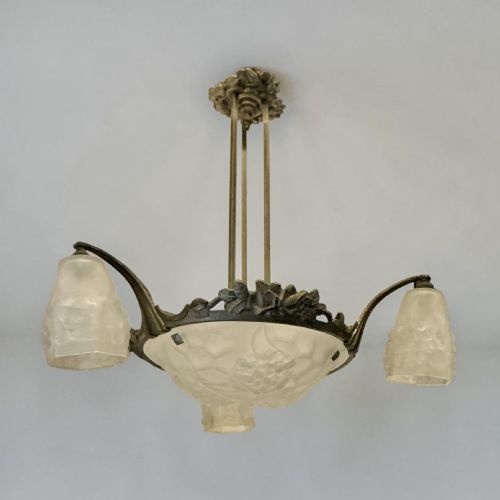
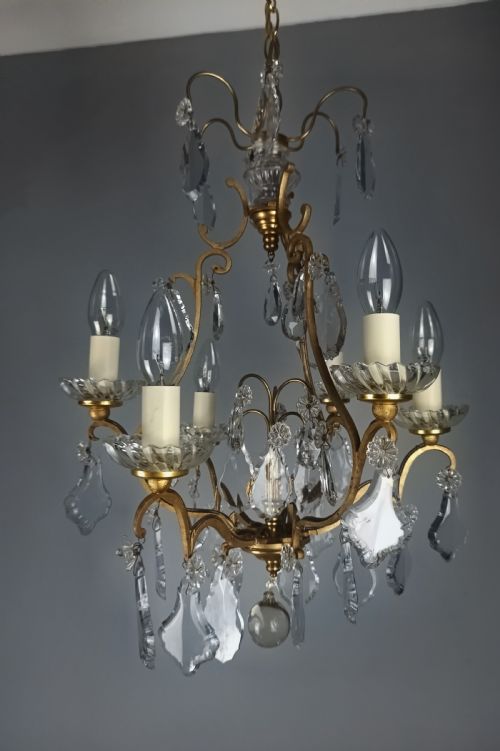
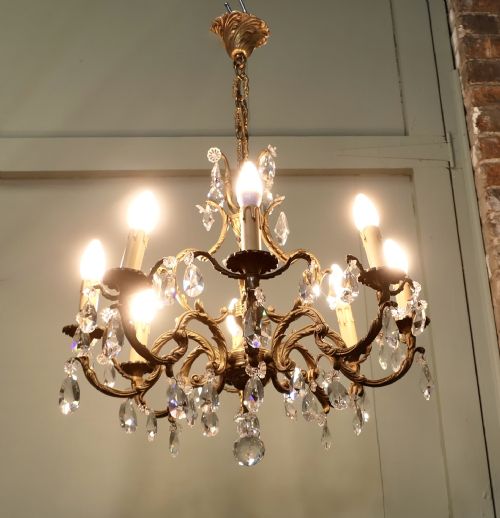
A hanging glass chandelier gathers the room's light through cut crystal and bevelled panes, offering a focal point for an entrance hall or high-ceilinged reception room.
Hanging Glass Chandelier
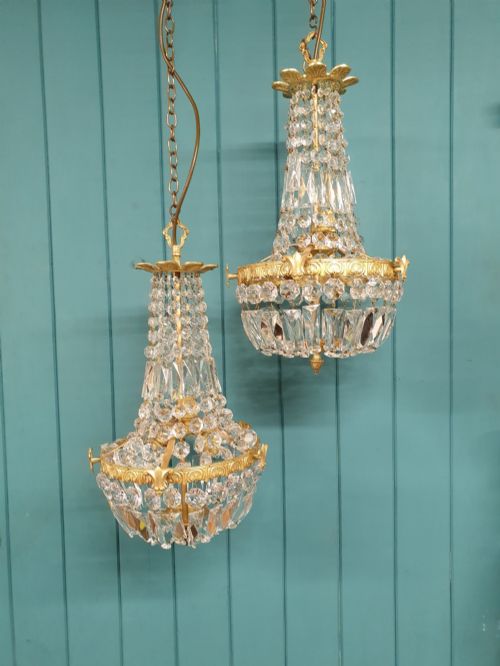
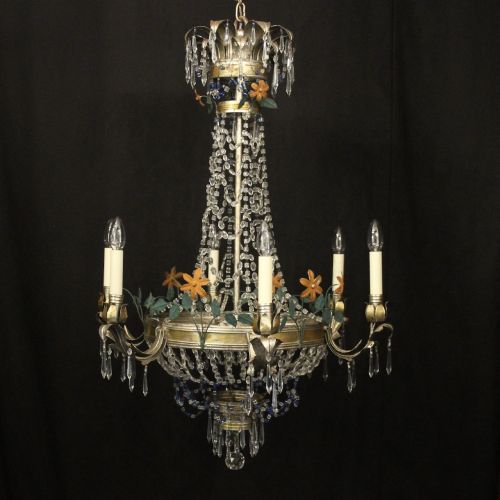
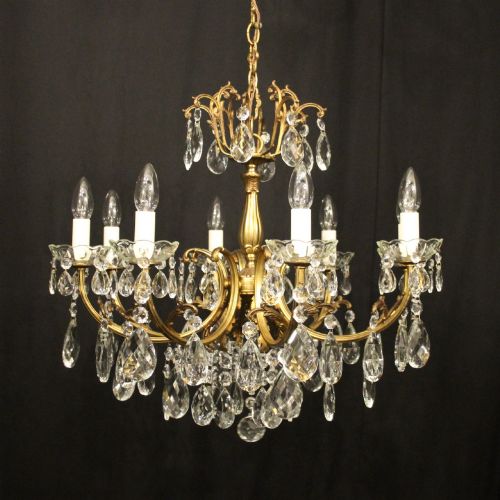
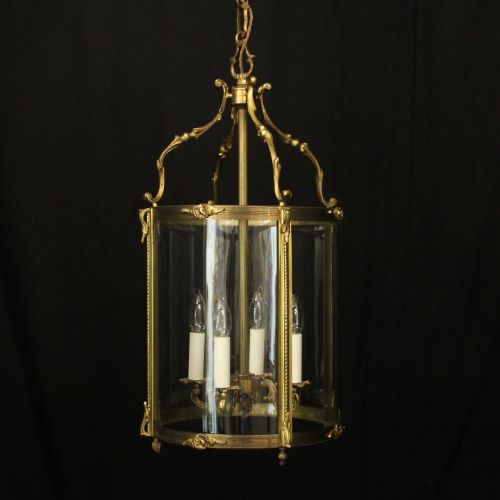
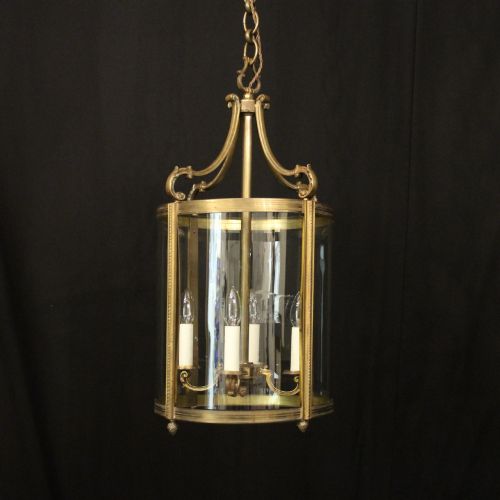
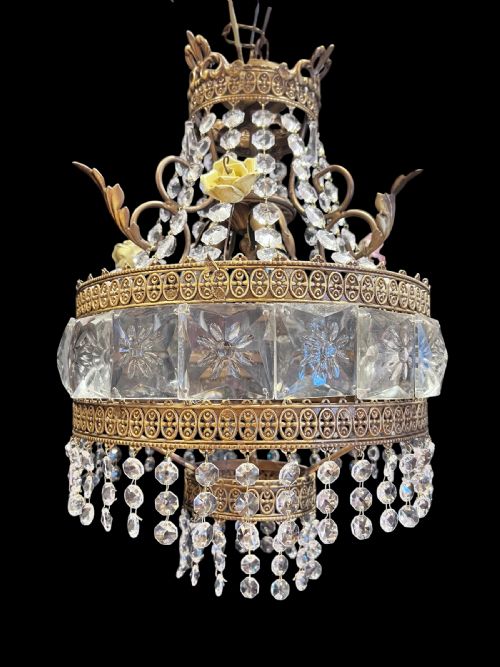
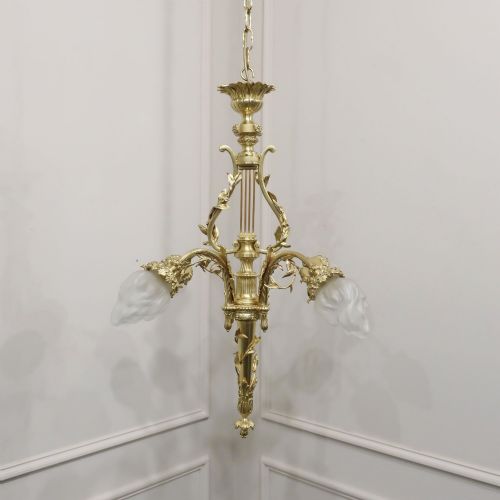
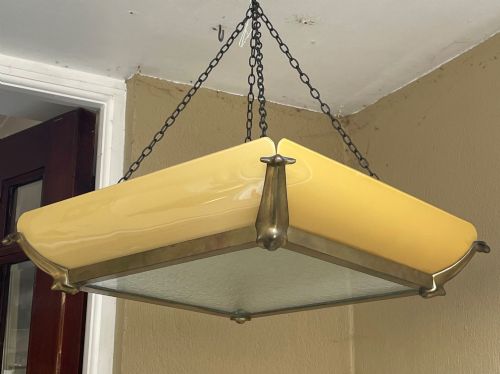
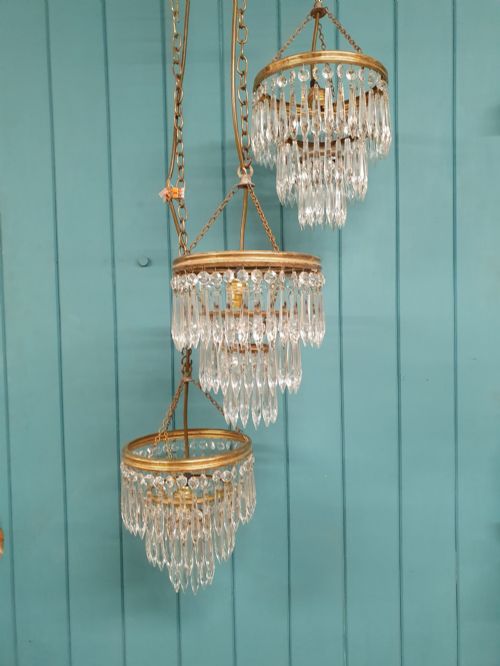
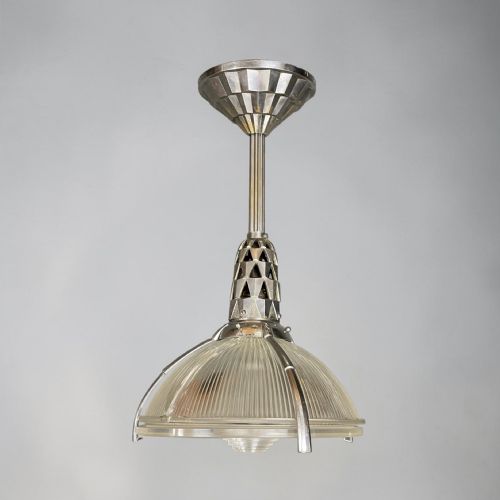
A hanging glass chandelier suspenders from the ceiling to illuminate interior spaces using glass, crystal, and metal frameworks. When exploring this selection of hanging glass chandelier designs, buyers encounter multi-light candelabras, hall lanterns, and enclosed glass globes.
The pieces span periods from the nineteenth century through the Edwardian era and into the 1920s and 1930s Art Deco years. French and Italian workshops feature prominently alongside English examples, bringing styles ranging from Neoclassical and Rococo to Moorish Revival and Arts & Crafts.
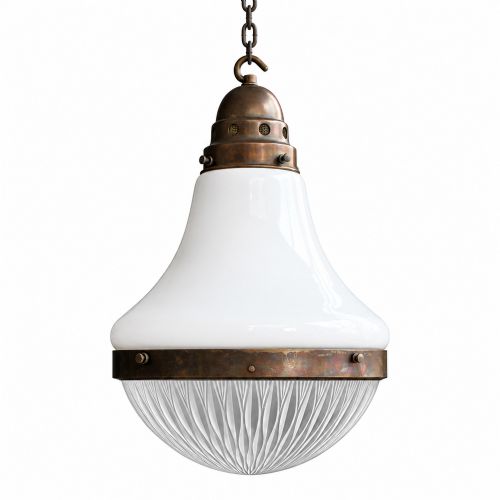
Hall lanterns and pendant lights dominate the offerings alongside traditional multi-arm chandeliers. These fixtures serve as overhead lighting for stairwells, corridors, and principal rooms.
How they were made
Frameworks rely on brass, bronze, gilt metal, and iron to support the weight of the glass components. Frames are cast, pierced, or hammered into shapes such as stars, hexagons, and scrolling arms.
Optical properties depend on cut glass, moulded glass, and leaded panes suspended from the metal structure. Crystal lustres, amber teardrops, and bevelled glass plates catch and refract the illumination from internal light sources.
Design styles span French Neoclassical, Art Deco, Moorish Revival, and Arts & Crafts influences within the current selection.
What varies in quality
The calibre of metalwork and the clarity of the glass set examples apart. Heavy gilded bronze and crisp brass castings provide stability and detail that lighter stamped metals lack.
Hand-cut crystal lustres and heavily bevelled glass panels produce superior light refraction compared to plain moulded alternatives. Original fixings and matching crystal drops maintain the integrity of the piece.
Émile-Jacques Ruhlmann
The Hanging Glass Chandelier Glossary
- Plafonnier
- A ceiling-mounted or shallow hanging bowl light, often made of moulded or etched glass. This form sits close to the ceiling rather than dropping on a long chain.
- Lustre
- A cut glass pendant or teardrop hung from a chandelier to refract light. These elements catch the illumination and scatter points of light around the room.
- Hall lantern
- An enclosed hanging light designed for corridors and entranceways. They typically feature glass panels held within a brass or bronze framework.
- Gilt bronze
- Bronze coated with a thin layer of gold, frequently used in French decorative metalwork. This technique prevents tarnishing and gives a warm, rich tone.
- Cut glass
- Glass decorated by grinding facets and patterns into the surface using a wheel. The resulting cuts enhance the sparkle and brilliance of the material.
Hanging Glass Chandelier: Frequently Asked Questions
How do I clean an antique glass chandelier?
Cleaning requires a gentle solution and a soft cloth applied directly to the glass and metal components. Care must be taken around delicate crystal drops and vintage wiring.
Many collectors remove individual glass lustres for washing separately before reattaching them to the frame.
Can these chandeliers be wired for modern ceilings?
Most antique hanging fixtures can be adapted by a qualified electrician to meet current safety standards. Rewiring preserves the original metal body while updating the internal electrical components.
Existing ceiling suspension points often need assessment to support the weight of bronze and crystal fittings.
Where should a hall lantern be hung?
Hall lanterns suit entrance halls, landings, and high-ceilinged corridors where vertical space allows adequate clearance. Their enclosed design protects the light source from drafts in busy passageways.
Positioning them centrally draws the eye upward and provides balanced illumination for transitional spaces.
How do I tell an Edwardian chandelier from a Victorian one?
Victorian examples often feature heavier brass leaf designs and Gothic or ornate traditional motifs. Edwardian pieces frequently lean towards lighter brass frames and refined proportions.
Examining the construction methods and metal patination helps distinguish the manufacturing period of each lighting fixture.