

Antique Crystal Pendant Fixture
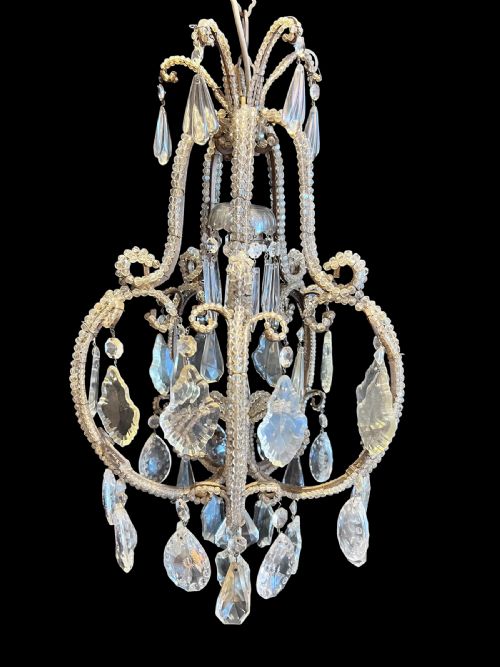
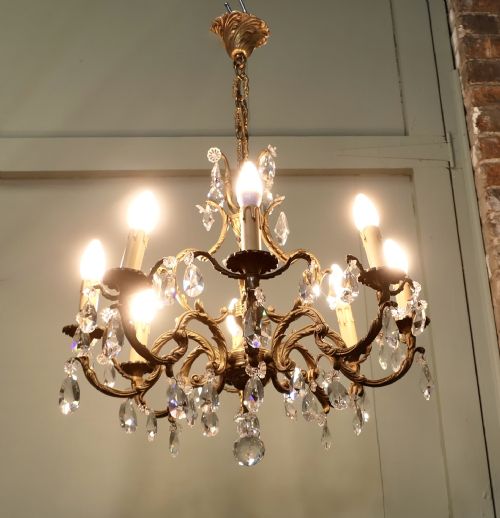
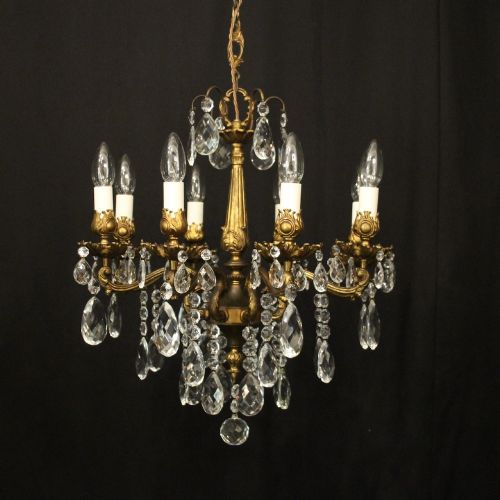
An antique crystal pendant fixture brings sudden brilliance to a room, offering hanging illumination formed from brass, gilt bronze, and cut glass.
Antique Crystal Pendant Fixture
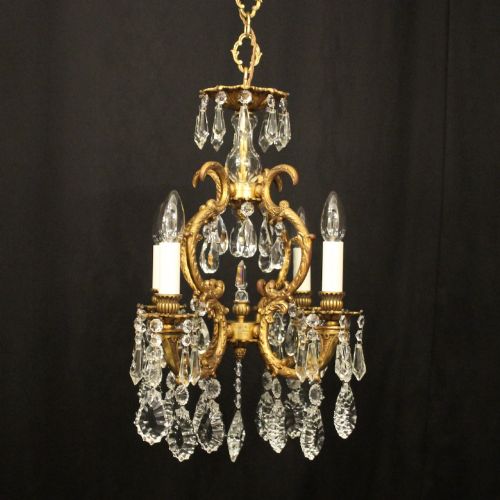
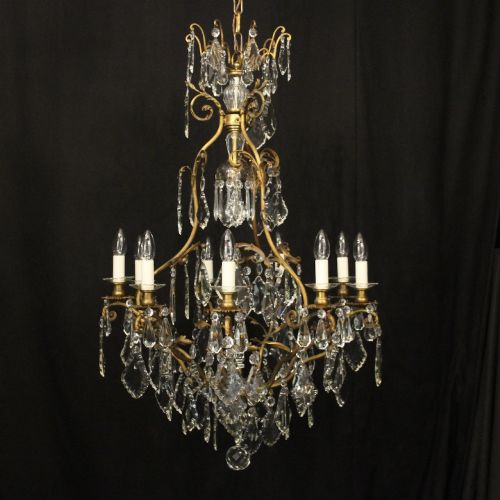
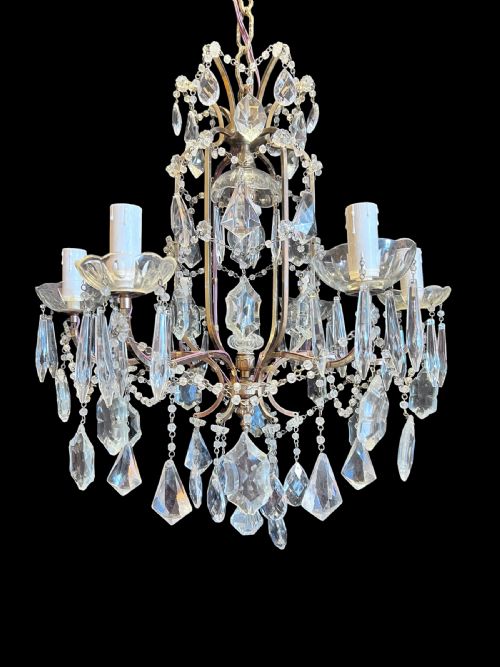
An antique crystal pendant fixture is typically a ceiling-hung lighting arrangement designed to diffuse candlelight or electric illumination through glass prisms and lustres. The selections span the nineteenth century, the Edwardian period, and the decades up to nineteen thirty, drawing heavily on French and Italian design vocabulary.
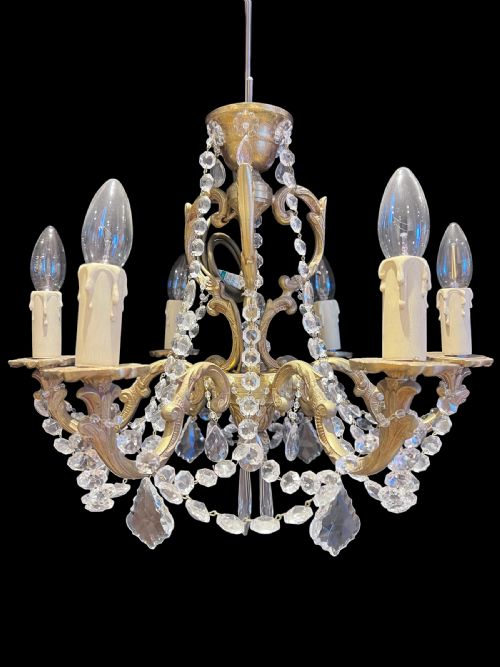
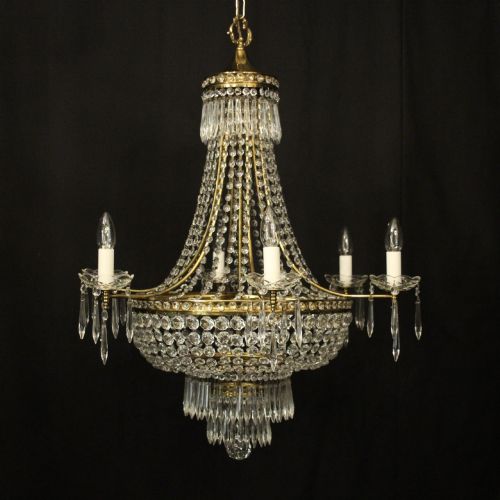
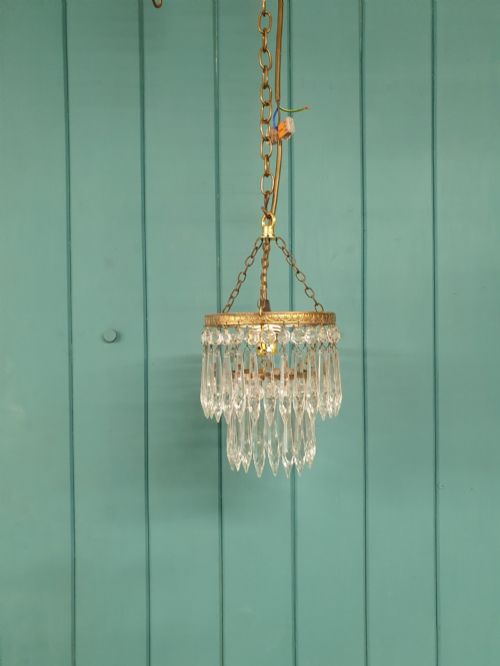
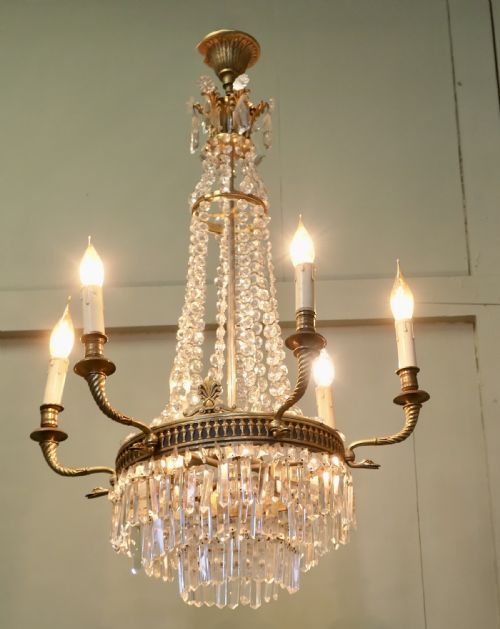
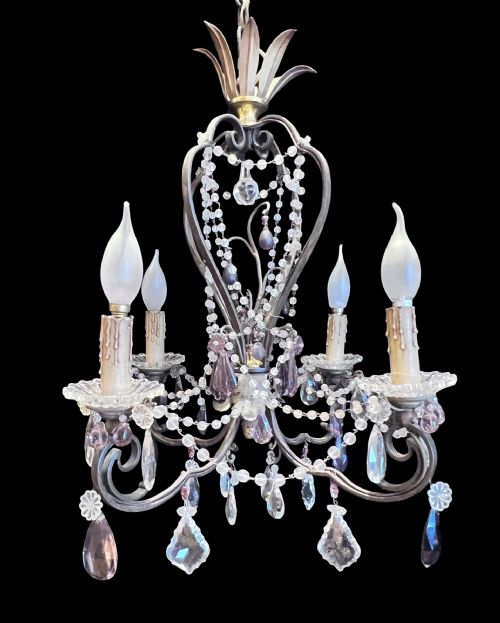
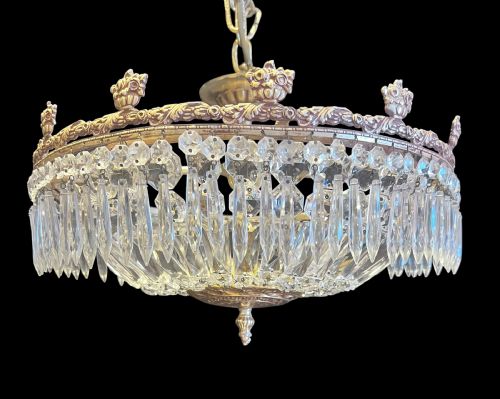
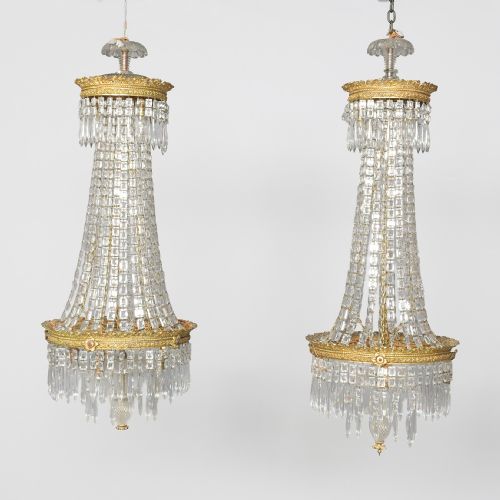
The most frequent form encountered on this page is the multi-arm chandelier originating from France or Italy, often taking the shape of a tent and waterfall construction or a dome top ceiling light. Pieces range from small single-light beaded pendants to large ballrooms fixtures carrying twenty-five lights.
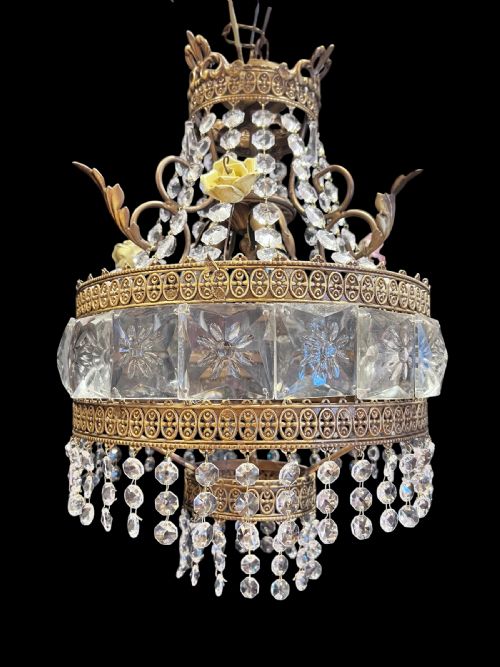
Makers and workshops across Europe produced these items in varied styles encompassing French Empire, Rococo revival, and Florentine motifs. Alongside clear cut glass, examples occasionally introduce porcelain flowers, amethyst or turquoise glass, and gilt metal components.
How they were made
The structural frames rely on cast metals such as brass, bronze, spelter, and gilt metal, which provide the rigid skeleton required to support numerous glass drops. These metallic skeletons are frequently gilded or silvered to enhance the reflective quality of the piece.
Hanging elements consist of cut glass and crystal configured into spikes, coffin prisms, beads, and lustres, suspended from the frame by wire links. Certain forms integrate specialised elements like tolewear or porcelain floral details alongside the primary glass components.
Antique Crystal Pendant Fixture Retail Price Guide 2026
Typical asking prices for crystal pendant fixture among the pieces listed under this phrase on Sellingantiques today, from the lower quarter to the upper quarter. They describe what is for sale here now, not the wider market.
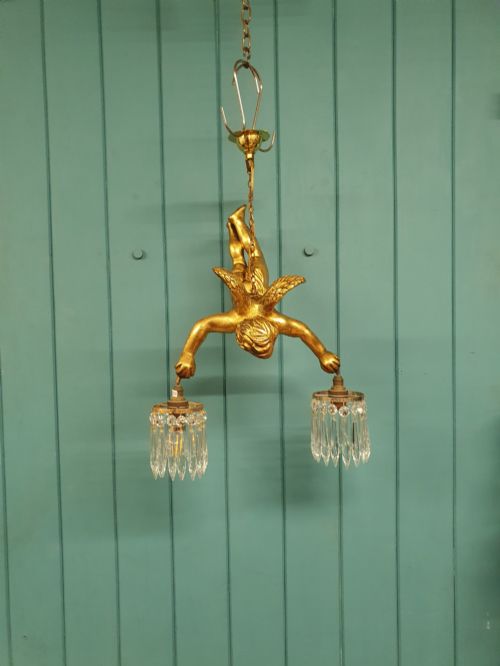
Several fixtures incorporate cheerful gilt spelter flying cherubs peering down from above the glass crystal spikes.
What varies in quality
Quality rests in the precision of the metal casting and the clarity of the crystal components. Finer examples display crisply chased bronze or brass work alongside hand-cut glass that refracts light with sharp brilliance.
Construction density and scale also dictate the hierarchy of pieces. Elaborate tent and waterfall configurations with numerous interconnected crystal strands and heavy metal armatures require superior engineering compared to simple single-light plafonniers.
The Antique Crystal Pendant Fixture Glossary
- Tent and waterfall
- A lighting configuration where strings of glass beads form a conical tent shape at the top, cascading down into a wider skirt of crystals below. This style became popular during the eighteenth century and persisted through the Edwardian era.
- Plafonnier
- A ceiling-mounted lighting fixture positioned flat or close against the ceiling surface rather than suspended on a long drop chain. These fixtures often utilise dome top glass or cut crystal panels.
- Lustre
- A cut glass pendant drop suspended from the arms or crown of a light fixture to catch and multiply the illumination. They are typically attached with small metal pins or wire loops.
- Coffin prism
- A specific rectangular, wedge-cut glass pendant resembling the taper of a traditional coffin shape. These prisms appear frequently on early twentieth-century and Edwardian fixtures.
- Gilt bronze
- Metalwork cast from bronze and coated with a layer of gold leaf or applied gold amalgam. It offers a warm, durable finish characteristic of high-status French lighting.
Antique Crystal Pendant Fixture: Frequently Asked Questions
How do I hang a heavy antique chandelier safely?
Suspension requires fixing directly into ceiling joists or installing a dedicated steel joist brace capable of holding the combined weight of the metal frame and glass components.
Electrical wiring must be routed through the central brass stem, and professional installation ensures the weight is supported independently of the electrical supply cord.
What is the difference between an Edwardian plafonnier and a chandelier?
A plafonnier mounts directly against the ceiling as a dome or flush-fitting bowl, whereas a chandelier suspends downward on chains or a central rod from a ceiling canopy.
Plafonniers suit rooms with lower ceilings, while chandeliers require greater vertical clearance to display their hanging drops and branching arms properly.
How should I clean crystal pendants without damaging the metal?
Pendants and lustres are best washed individually using a weak solution of warm water and mild detergent, wiping each piece by hand before drying with a soft lint-free cloth.
Harsh chemical sprays must be kept away from the brass, bronze, or gilt surfaces to prevent stripping the historic finish or patination from the metal frame.
Can these old fixtures be wired for modern electricity?
Most antique fixtures have previously been adapted for electricity or retain hollow stems that accommodate modern flex wiring without altering the exterior metalwork.
A qualified electrician should inspect the internal lampholders and earth the metal frame to meet contemporary safety standards during installation.