




Antique Blue Display Plate
When you handle an antique blue display plate, you hold centuries of global trade, kiln craft and domestic display.
Antique Blue Display Plate
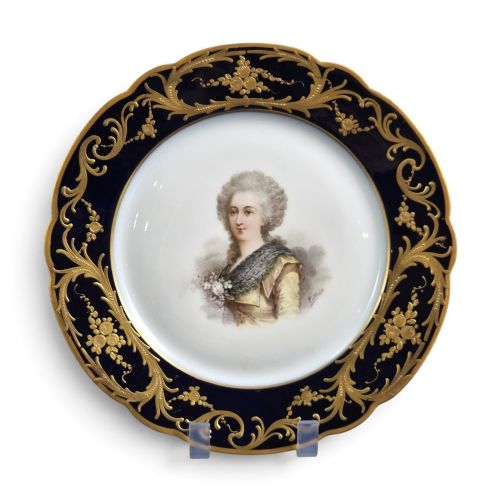
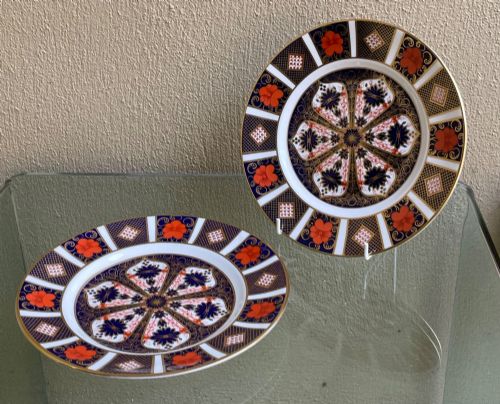
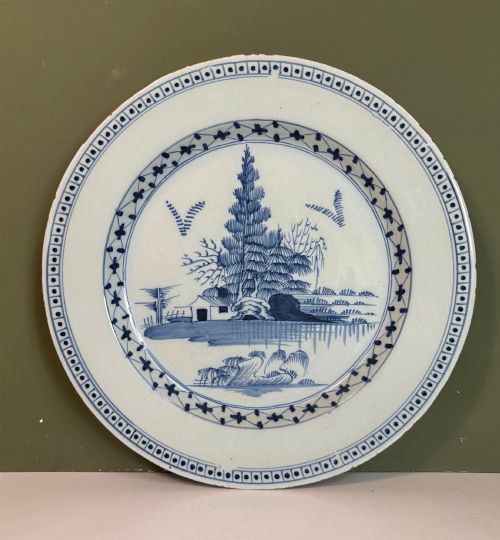
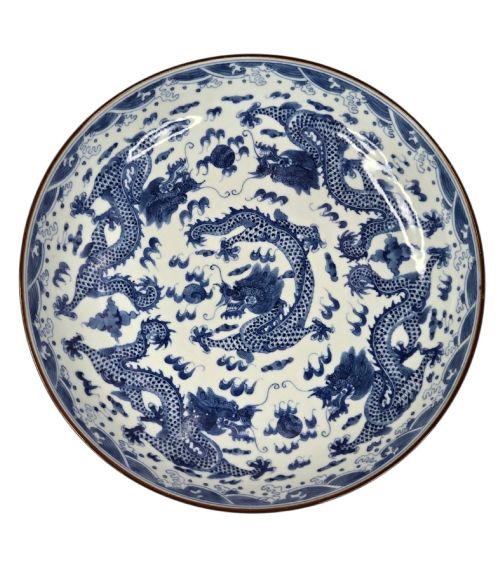
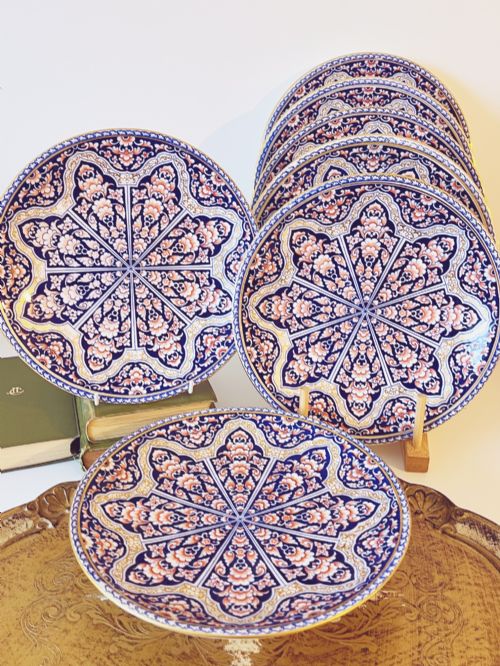
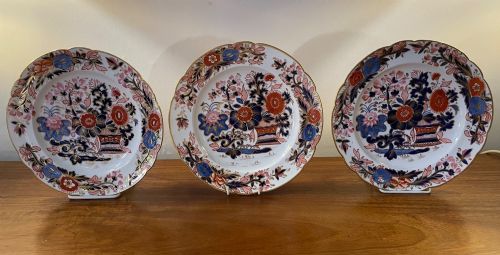
An antique blue display plate encompasses chargers, cabinet pieces and decorative dishes made for visual impact rather than dining use. These items emerge from diverse origins, spanning English porcelain and earthenware, Dutch Delftware, French cobalt porcelain, Meissen, Qing Dynasty pieces and Japanese Imari or Arita wares.
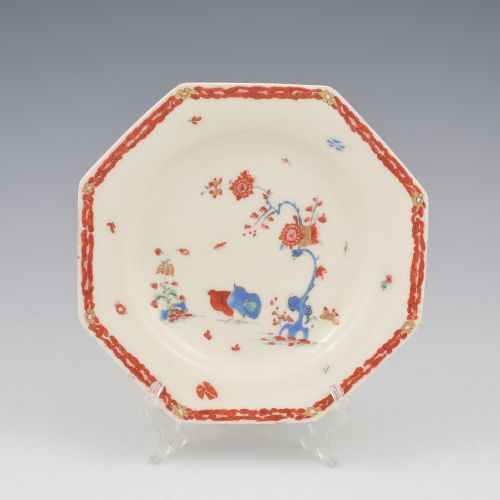
The selections available here range widely in period, stretching from the seventeenth century through the Georgian and Victorian eras into the twentieth century. Collectors encounter large chargers, lobed dishes and octagonal cabinet plates bearing cobalt painting, blue and white transfer printing or rich Imari palettes.
Makers represented across these forms include factories such as Royal Worcester, Royal Crown Derby, Spode and Bow, alongside named painters like Richard Sebright, Albert Shuck and Brian Leaman. Buyers select these objects to bring historic ceramic artistry, rich blue tones and varied decorative motifs into modern interiors.
How they were made
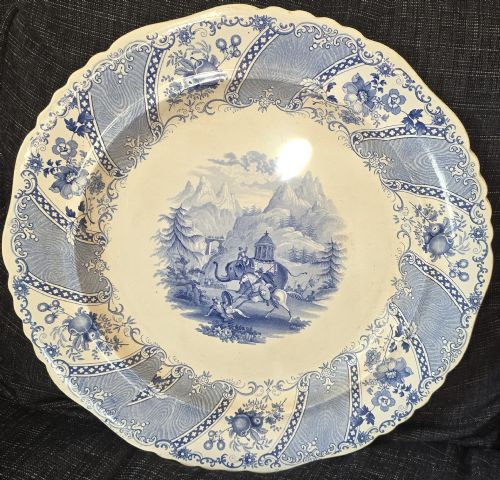
Potters shaped these objects from porcelain, bone china, earthenware and ceramic bodies before applying cobalt blue pigments, glazes and occasional gold leaf or gilding. Many examples involve hand-painted botanical or ornithological scenes, while transferware pieces utilise printed copperplate designs applied to the ceramic surface prior to firing.
The firing process required precise temperature control within kilns to vitrify the clay and fuse the glaze, particularly for intricate multi-layered styles like Japanese Imari or European polychrome Delftware. Artisans often added hand-painted enamel details over the initial glaze, combining underglaze blue with supplementary colours and metallic accents.
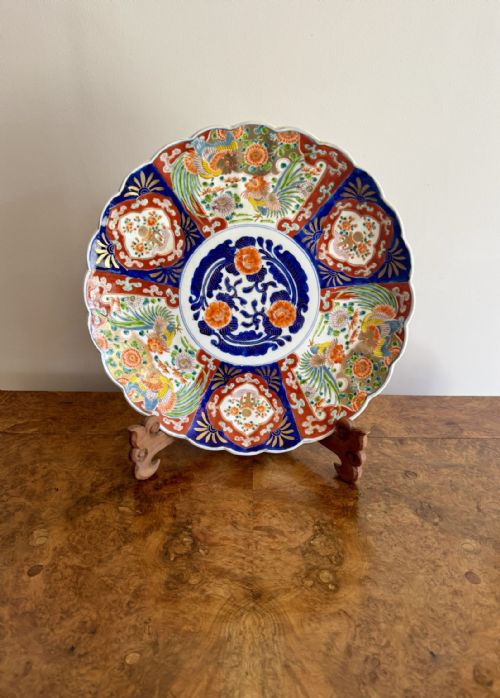
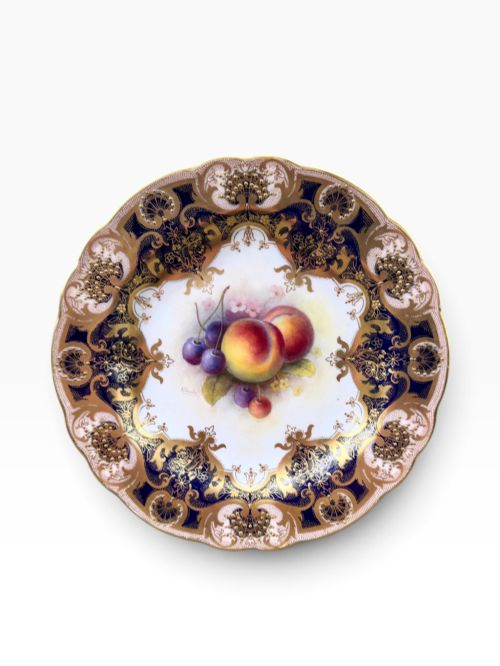
The selection includes Japanese Arita Imari chargers, Dutch Delftware, and signed Royal Worcester fruit cabinet plates.
What varies in quality
The standard of painting separates ordinary production from exceptional cabinet pieces, visible in the precision of brushwork on hand-painted fruit, birds and floral motifs. Works signed by accomplished ceramic artists command attention for their detailed execution and artistic control.
The crispness of the cobalt blue underglaze transfer or the depth of the glaze application determines the visual weight of the dish. Superior items exhibit well-balanced compositions, intact gilding and robust ceramic bodies free from distortion.
Royal Worcester·Royal Crown Derby·Bow Porcelain·Meissen Porcelain
The Antique Blue Display Plate Glossary
- Charger
- A large decorative plate or dish, typically exceeding thirty centimetres in diameter, designed to be hung on a wall or displayed on a sideboard.
- Imari
- A style of Japanese porcelain exported from Arita, characterised by underglaze blue, iron red and supplementary gilt decoration.
- Transferware
- Earthenware or porcelain decorated by printing a design from an engraved copper plate onto tissue paper, then transferring it to the ceramic body.
- Delftware
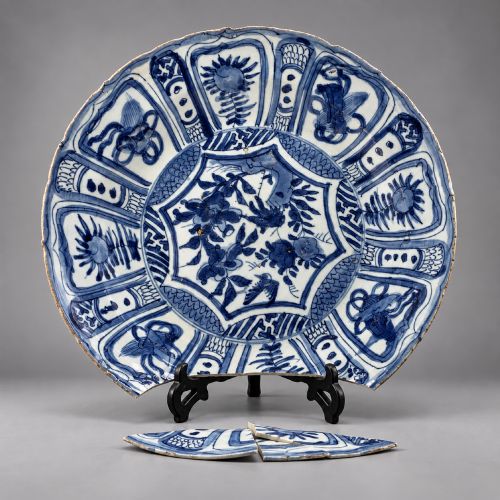
- Tin-glazed earthenware produced in the Netherlands and England, frequently decorated with blue and white designs influenced by Chinese porcelain.
- Cabinet Plate
- A decorative ceramic plate intended for display in a cabinet or on a wall rather than for practical table service.
Antique Blue Display Plate: Frequently Asked Questions
How were antique chargers displayed?
These large plates were traditionally positioned on sideboards, dresser shelves or hung directly on walls to showcase their vibrant cobalt pigments and intricate patterns.
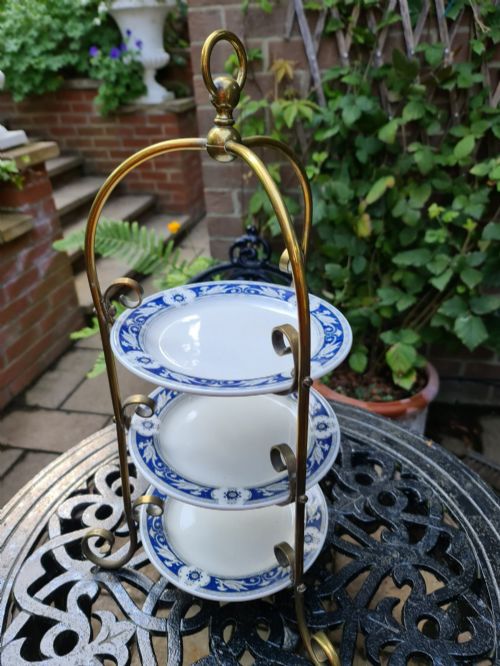
Today, collectors use specialist plate hangers or display stands to exhibit them securely in living spaces.
What is the difference between a plate and a charger?
Chargers are substantially larger than standard dining plates, generally measuring well over thirty centimetres across.
Their primary function was decorative display rather than holding food during a meal.
How do I identify Imari decoration?
Imari pieces typically feature a distinct palette combining deep underglaze blue with iron red, often enhanced with gold leaf.
This decorative style originated in Japan and was widely emulated by European potteries.
Can I use these plates for dining?
Antique display and cabinet pieces are generally intended for visual appreciation rather than daily use.
Age, delicate glazes and historical value make display stands the appropriate choice for living with them.