




Antique Bed Tray
An antique bed tray offers sturdy timber and clever folding or cabinet forms designed to serve breakfast or hold necessities within arm's reach.
Antique Bed Tray
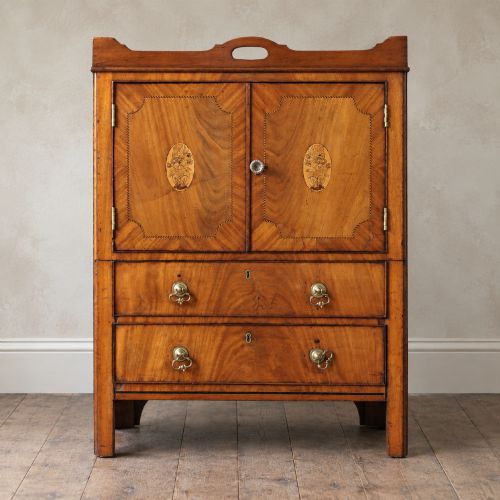
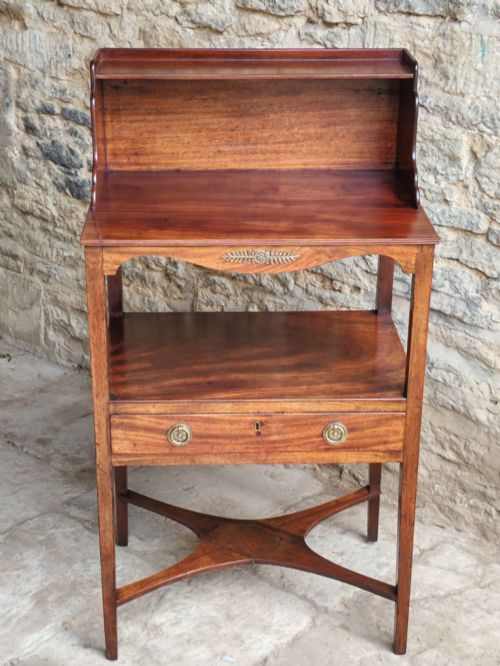
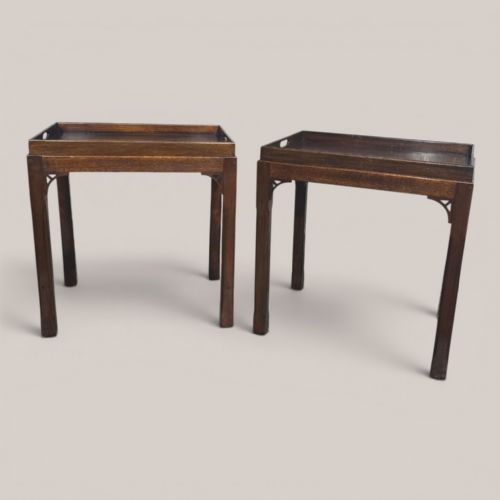
When you search for an antique bed tray, you encounter timber furniture designed for resting near a bed, frequently featuring raised edges to keep items secure. The pieces on this page span Georgian, Regency, Victorian, and Edwardian periods, alongside revival styles from the early twentieth century.
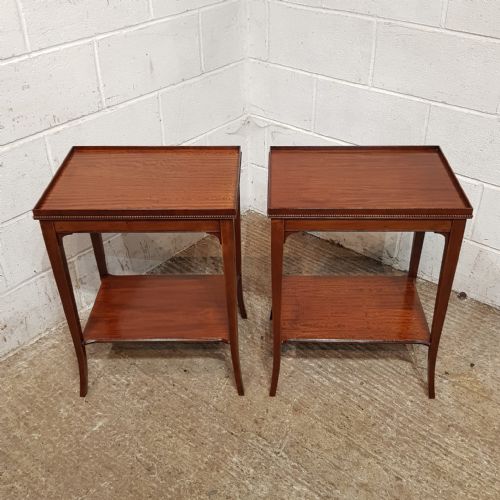
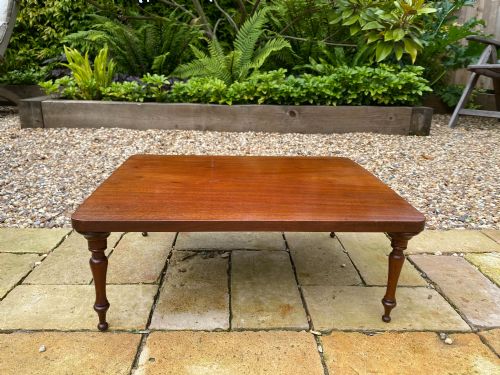
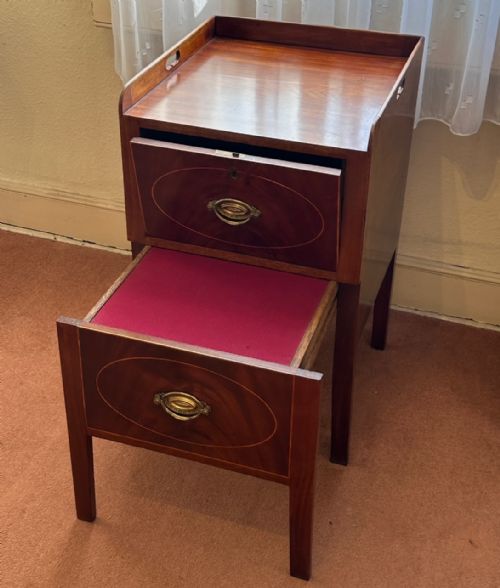
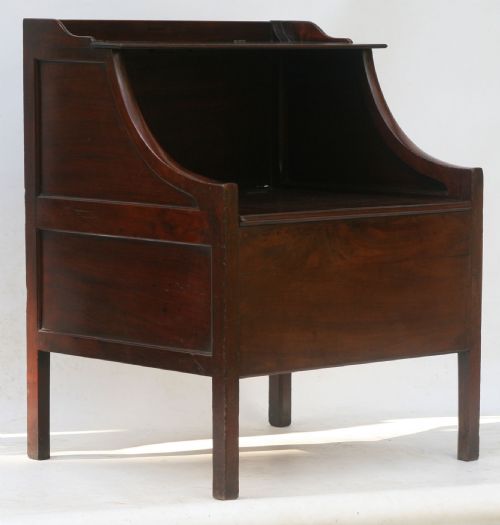
The forms vary from simple tray top side tables and lamp tables to enclosed bedside cabinets, commodes with pull-out steps, and adjustable cast iron mobility aids. Mahogany predominates among the surviving pieces, accompanied by walnut, burr walnut, papier-mâché, and brass.
Many of these designs originate as bedside tables or nightstands featuring raised tray tops to prevent items from rolling off onto the floor. You also find serving trays and occasional tables sharing the same characteristic raised borders.
Construction and materials
Cabinetmakers constructed these pieces primarily from solid mahogany and walnut, occasionally selecting burr walnut veneers for figured surfaces. Flame grain mahogany veneers and ebony inlay appear on more decorative examples from the Georgian period.
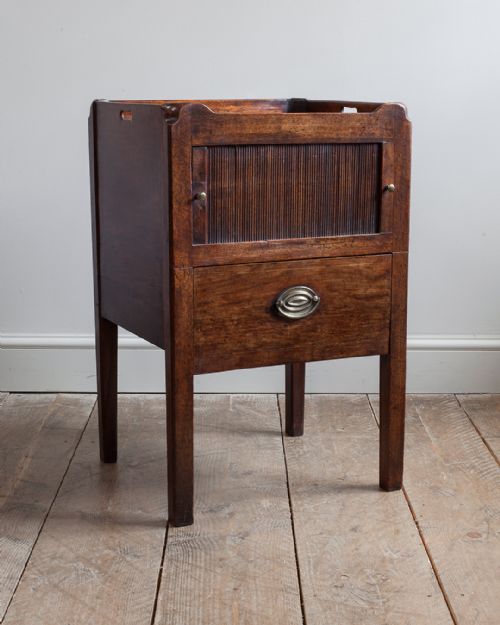
Specialised techniques include tambour fronts, pull-out steps, and adjustable cast iron mechanisms found on Victorian mobility aids. Papier-mâché and lacquer methods shape lighter serving pieces, while brass hardware provides functional hinges and pulls.
The selection includes mahogany, walnut, burr walnut, brass, and papier-mâché across Georgian, Victorian, and Edwardian eras.
Assessing craftsmanship
Quality reveals itself in the selection of timber figures, such as flame mahogany or burr walnut, matched across visible surfaces. Subtleties like finely cut dovetails in drawer construction and intact original inlay distinguish superior workshop output.
The integrity of mechanical elements, including smooth-sliding tambour doors, sturdy drop steps in commodes, and functional adjustable iron frames, separates standard utilitarian pieces from finer examples.
Gillows
The Antique Bed Tray Glossary
- Tray top
- A tabletop finished with a raised moulded edge or gallery designed to prevent items from sliding off. This feature defines much of the furniture grouped under this search.
- Tambour
- A flexible shutter made of narrow vertical strips of wood glued to canvas, allowing a sliding door to curve around the corner of a cabinet.
- Commode
- A enclosed piece of furniture, often disguised as a cupboard or cabinet with a pull-out step, serving functional domestic purposes in bedrooms.
- Nightstand
- A small bedside table utilised for holding lamps, books, and night-time essentials within reach of the bed.
- Marquetry
- The art of applying pieces of veneer to a structure to form decorative patterns, seen on Dutch examples from the nineteenth century.
Antique Bed Tray: Frequently Asked Questions
What is an antique bed tray used for?
These pieces served practical domestic functions beside the bed, holding lamps, writing materials, or breakfast items securely within reach. Enclosed versions also functioned as nightstands or commodes.
Today, they adapt readily as small lamp tables, side tables, or occasional tables in modern living spaces.
How do I identify a Georgian piece?
Georgian pieces typically employ solid mahogany, featuring clean lines, bracket feet, and distinct raised tray tops designed to keep items secure. Drawer construction uses hand-cut dovetails.
Later Edwardian revivals replicate these proportions and timber choices but often incorporate lighter inlaid decorative motifs.
What materials should I expect?
Mahogany forms the vast majority of the timber pieces, frequently seen with flame grain figuring or ebony inlay. Walnut, burr walnut, and papier-mâché also appear among the selections.
Metal components include brass hardware and cast iron mechanisms on adjustable Victorian mobility aids.
How do I care for wood surfaces?
Keep timber surfaces away from direct heat sources and strong sunlight to prevent the mahogany or walnut veneers from drying and cracking. Dust regularly with a soft, dry cloth.
Apply a traditional beeswax polish occasionally to nourish the grain and maintain the natural lustre of the finish.