
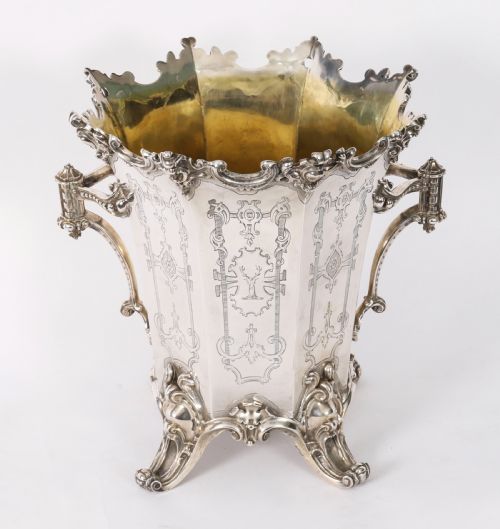
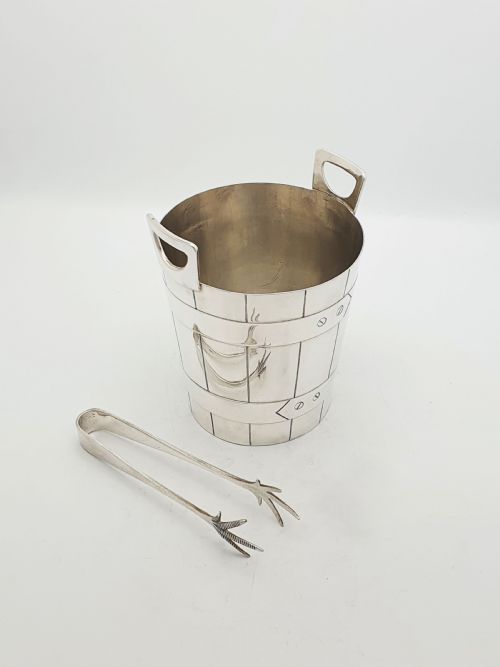

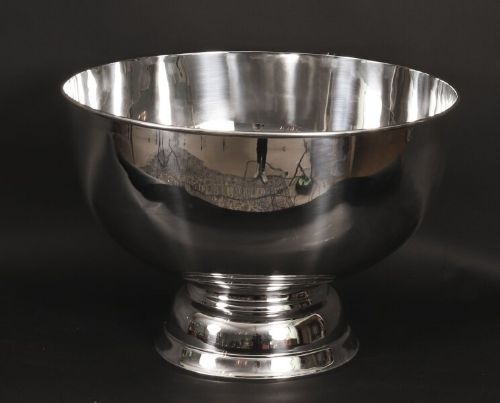


Antique Barware Silver Bucket
An antique barware silver bucket brings utility and a gleam of period metal to any table.
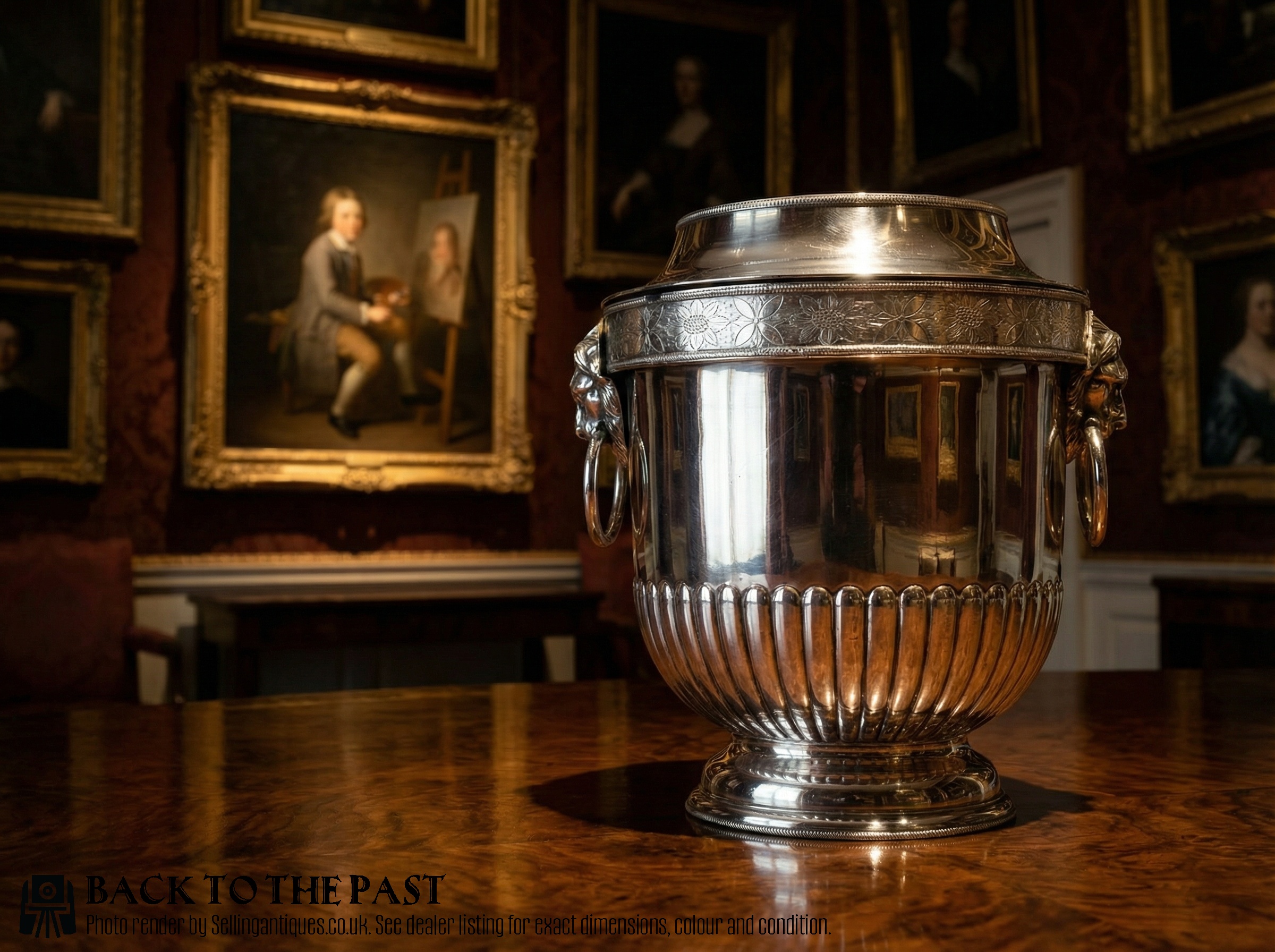
Antique Barware Silver Bucket
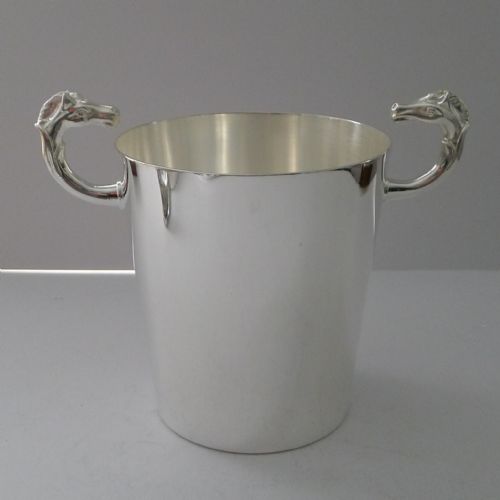
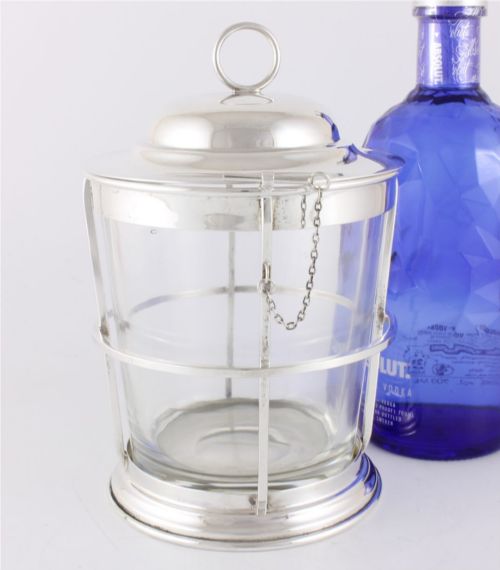
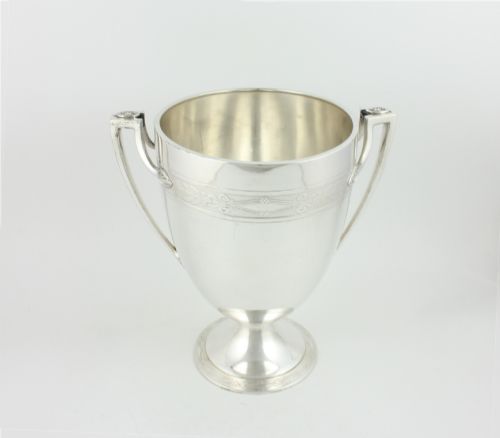
When you search for an antique barware silver bucket, you encounter vessels designed to chill wine or hold ice. The selections span wine coolers, champagne buckets, and ice pails originating from the nineteenth and twentieth centuries.
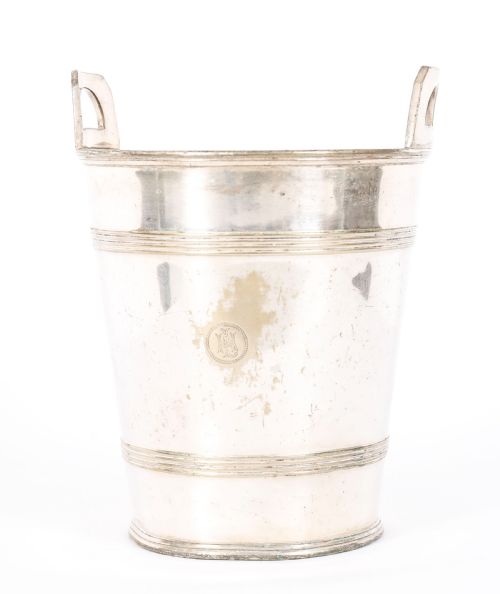
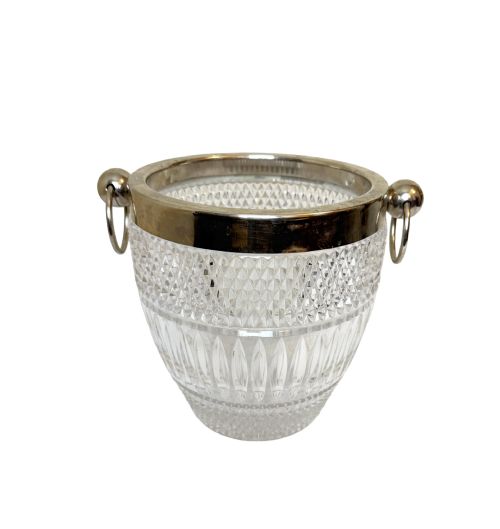
Most pieces on this page utilise silver plate or Old Sheffield plate, though solid sterling silver examples also appear. Forms range from simple tapered cylinders to novelty barrels and heavy cut crystal liners.
Stylistic influences stretch from Georgian and Regency forms through Victorian Rococo Revival to clean Art Deco lines. French, English, and Italian makers dominate the origin records.
Materials and construction methods
Silversmiths formed the main bodies from copper or base metals fused with silver sheets in Old Sheffield plate, or deposited silver electrically in later silver plate. Heavy lead crystal and cut glass provided robust inner liners for ice pails.
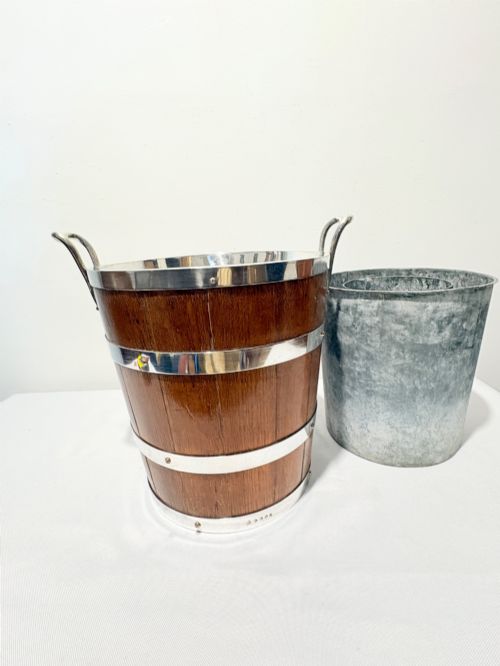
Cast mounts, twin handles, and claw or talon tongs required meticulous hand-chasing and soldering. Makers incorporated oak staves and ceramic creamware liners in specific novelty forms.
The inventory spans Victorian Rococo Revival designs through streamlined Art Deco forms.
Distinctions in craftsmanship
The weight of the metal body and the crispness of embossed or chased detail separate standard items from superior works. Heavy lead crystal liners with deep cutting denote better production values.
Renowned makers apply thick silver layers that resist base metal bleed over decades of polishing. Proportions remain balanced, and applied handles or feet stay rigid and flush.
Hutton Sheffield·PH Vogel·Christofle·Elkington, Mason And Co·Mappin And Webb·IMA·Dawson·WMF·James Dixon And Sons·Matthew Boulton And Co
The Antique Barware Silver Bucket Glossary
- Old Sheffield Plate
- A fused composite of a copper core sandwiched by sterling silver sheets. This precursor to electroplating yields a warm tone as the copper subtly shows through high points.
- Silver Plate
- A base metal substrate coated with a thin layer of pure silver through electrolysis. This technique gained widespread commercial use during the nineteenth century.
- Lead Crystal
- A heavy glass containing lead oxide that increases brilliance and refractive index. It allows deep geometric or floral cutting suitable for ice buckets.
- Biscuit Barrel
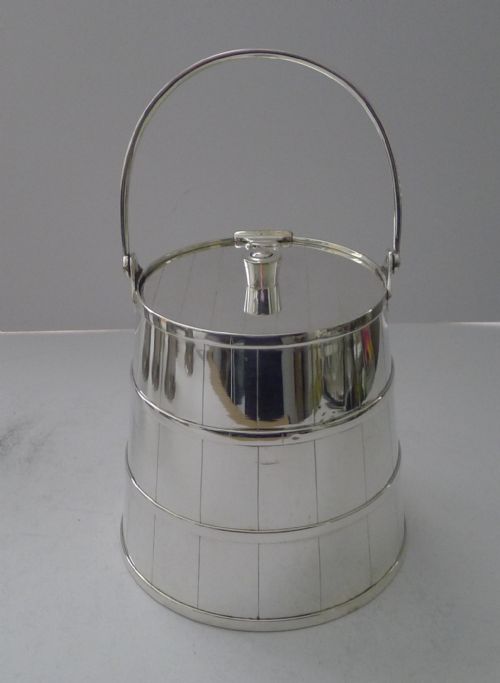
- A lidded cylindrical container originally used for dry biscuits. Many examples double as novelty ice buckets in barware collections.
- Champagne Cooler
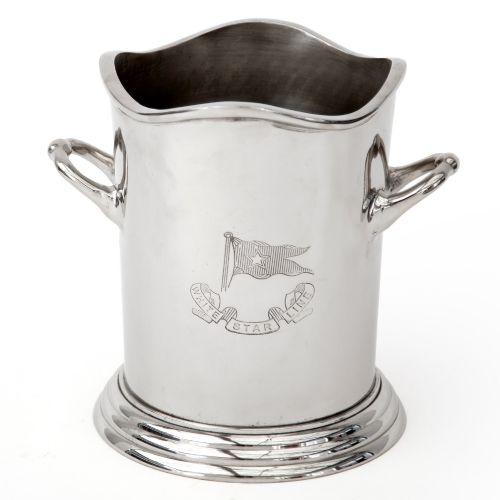
- A deep vessel proportioned to hold a bottle submerged in ice and water. These pieces often feature sturdy side handles for transport.
Antique Barware Silver Bucket: Frequently Asked Questions
What is the difference between a wine cooler and an ice bucket?
Wine coolers feature deeper bodies engineered to hold wine or champagne bottles alongside ice and water. Ice buckets generally possess wider mouths and lower profiles specifically for serving ice cubes with tongs.
Both forms utilise similar metals and glass inserts, but their interior capacities dictate their primary beverage service function.
How do I clean an antique silver plated bucket?
Wash the piece gently in warm water using a mild, non-abrasive liquid soap and a soft cloth. Avoid harsh chemical dips that strip the remaining silver layer from the base metal.
Dry the vessel thoroughly with a lint-free cloth and polish sparingly with a reputable silver cream only when tarnished.
Can I use these buckets for modern entertaining?
These historical vessels function well for holding ice or chilling bottles during contemporary gatherings. The sturdy construction of silver plate and heavy glass liners handles regular use.
Exercise care with acidic liquids or prolonged moisture contact to preserve the interior finish of older silver.
How do I identify Old Sheffield Plate?
Old Sheffield plate exhibits a faint line of copper visible along exposed edges where the fused silver sheet meets the core metal. The weight feels substantial due to the thick copper foundation.
Pieces from this era typically predate the 1840s introduction of electroplating.