


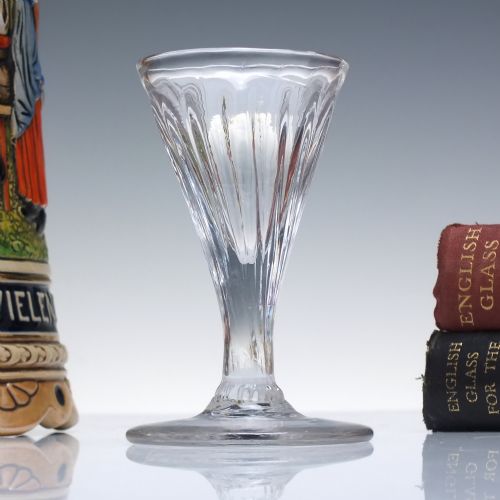


Antique Barware Glassware
These antique barware glassware pieces bring period elegance to entertaining, spanning decanters and coupes from Georgian to Art Deco periods.
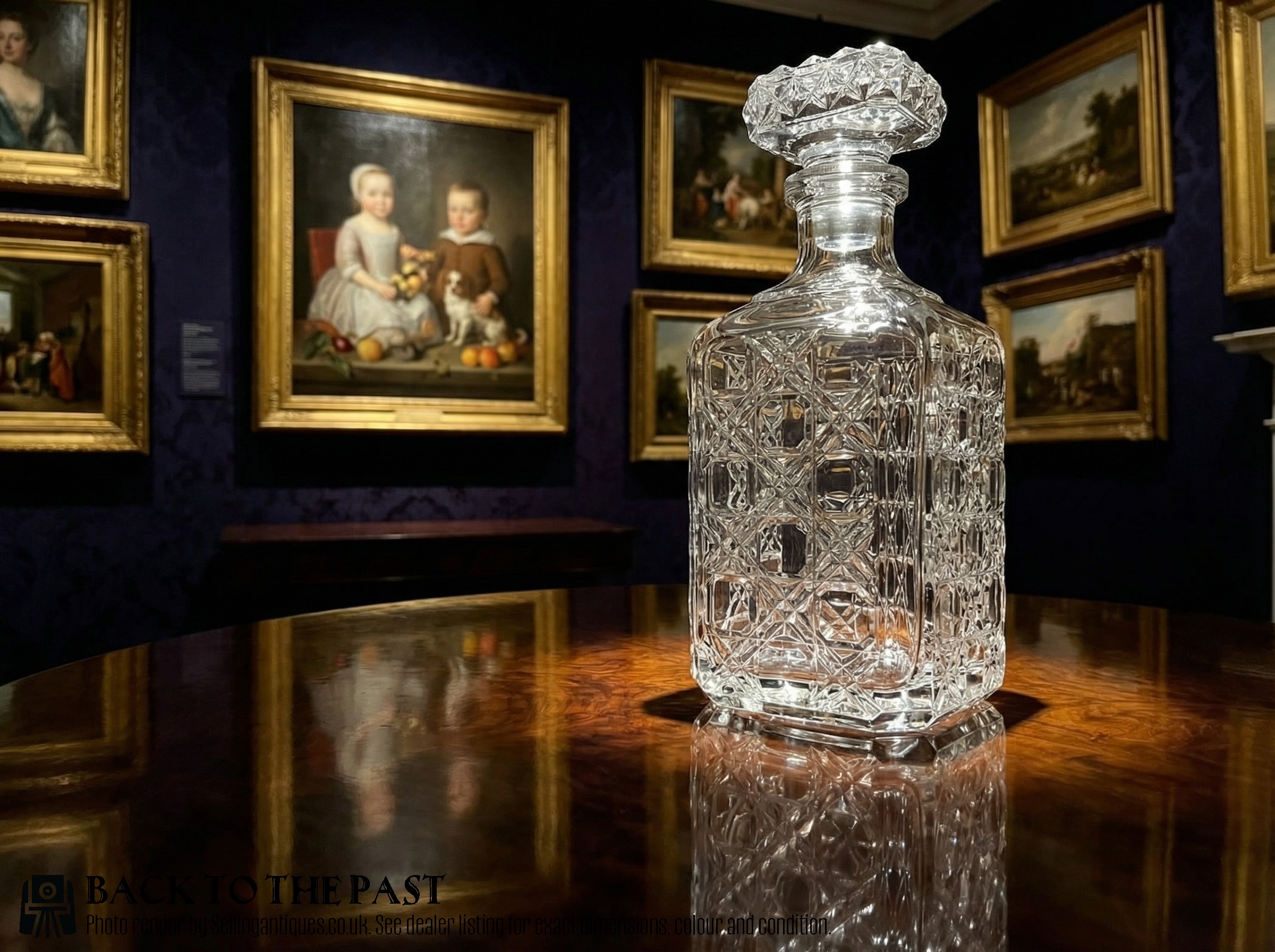
Antique Barware Glassware
Antique barware glassware encompasses everything required for serving spirits and wine, from decanters and noggins to tumblers and champagne coupes. The items encountered most frequently on this page date from the nineteenth and early twentieth centuries, reflecting Victorian, Edwardian and Art Deco tastes.
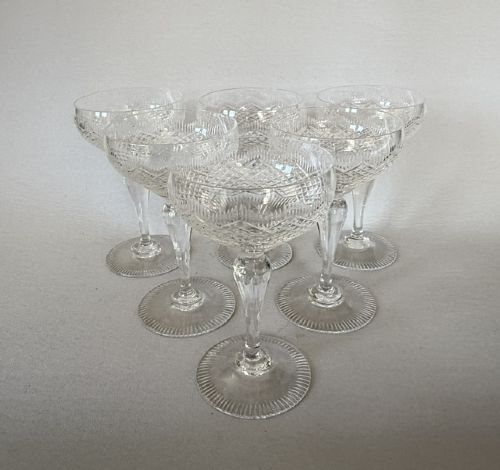
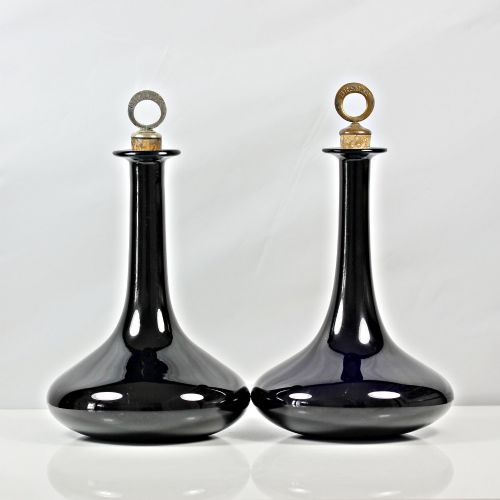
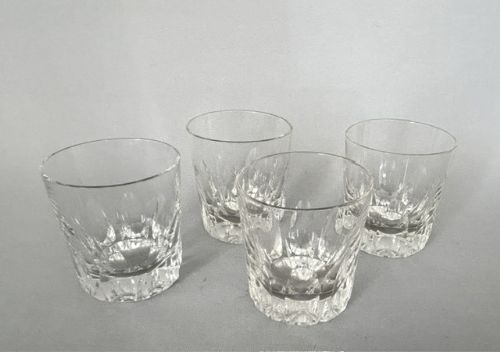
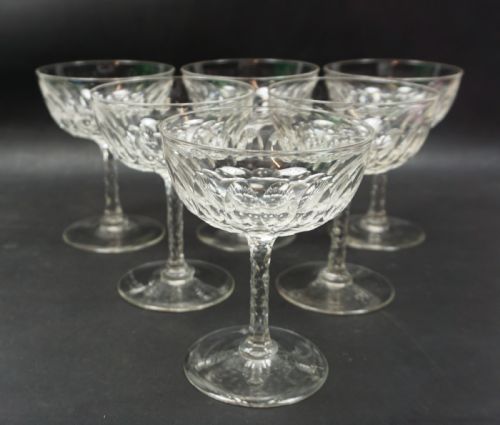
Decanters form a central pillar of the selection, often appearing alongside matching sets of glasses or ice buckets. Drinking vessels range from small dram glasses and shot glasses to larger ale glasses and champagne coupes, capturing the social habits of past decades.
Origins stretch across English, French and Czech workshops, utilising periods such as the Georgian era through to the 1930s. Buyers will find individual statement vessels alongside complete matching sets designed for hosting.
How They Were Made
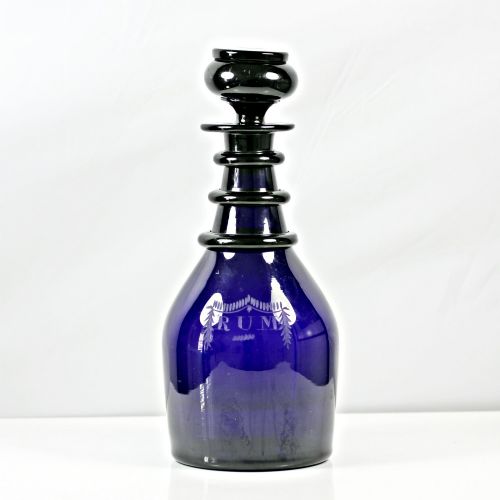
Makers utilised lead glass, lead crystal and clear glass, alongside distinctive coloured glass including Bristol blue, green, cranberry and green over crystal. Artisans shaped these materials using techniques like optical blowing and rib moulding to achieve structural form.
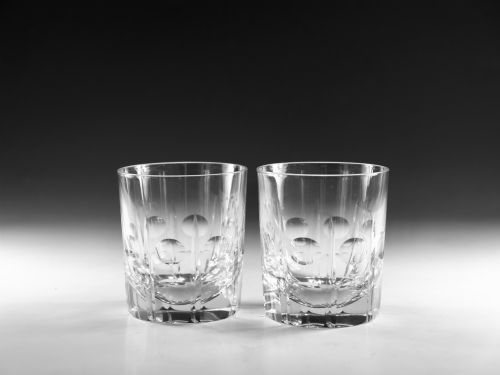
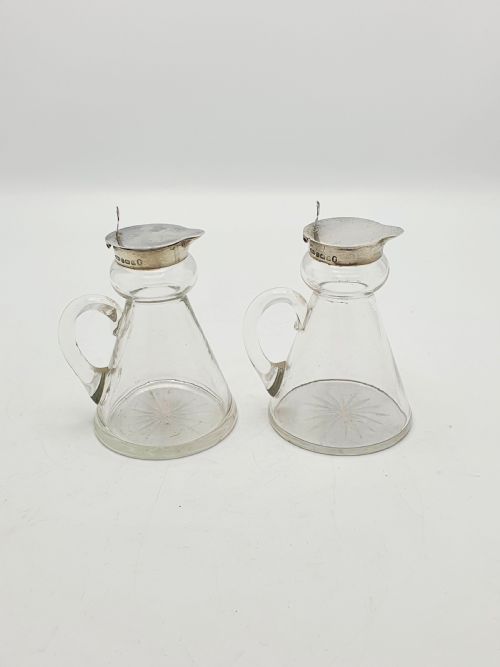
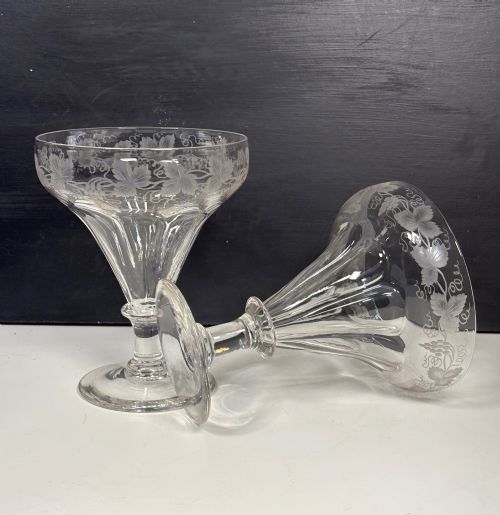
Decoration relied heavily on skilful cutting, facet cutting stems, etching and engraving to catch the light on vessels. Certain pieces incorporate enamel work or sterling silver mounts, such as those bearing George V silver jubilee marks or noggin collars.
Antique Barware Glassware Retail Price Guide 2026
Typical asking prices for barware glassware among the pieces listed under this phrase on Sellingantiques today, from the lower quarter to the upper quarter. They describe what is for sale here now, not the wider market.
Materials span clear glass, lead crystal, enamel, and coloured glass including Bristol blue, cranberry, and green.
What Varies in Quality
Quality reveals itself in the crispness of the wheel-cut facets and the depth of the hand-engraving across the glass surface. Superior examples maintain clarity in the crystal and exact matching between decanters and their original stoppers or accompanying glasses.
The weight and balance of the glass in the hand differentiate standard utility items from finer parlour pieces. Weightier lead crystal and well-balanced stems indicate superior craftsmanship during production.
Rene Lalique·James Powell
The Antique Barware Glassware Glossary
- Decanter
- A vessel designed for holding and serving wine or spirits, typically fitted with a glass stopper. These often feature cut rings around the neck to assist a secure grip.
- Champagne coupe
- A shallow, broad-bowled stemmed glass traditionally used for sparkling wine. Specimens often display facet-cut stems or coloured overlays.
- N noggin
- A small vessel used for serving spirits, frequently fitted with a sterling silver handle and rim. They appear with matching hallmarked mounts.
- Rib moulded
- A glassblowing technique where molten metal is impressed with ribs inside a mould before expansion. This creates parallel ridges along the body of the glass.
- Toastmaster dram
- A small glass designed for drinking toasts, historically filled with low-alcohol liquid so hosts could keep pace with guests without becoming intoxicated.
Antique Barware Glassware: Frequently Asked Questions
How do I clean antique glassware?
Wash pieces by hand in warm water using a mild detergent, avoiding sudden temperature changes to protect the material.
Dry them immediately with a soft lint-free cloth to maintain the clarity of the cut glass and crystal.
Are these decanters safe for modern use?
Most antique decanters remain entirely suitable for holding and serving spirits or wine during gatherings.
Inspect the interior for residue and rinse thoroughly before pouring any beverages.
How do I date a cut glass decanter?
Examine the shape of the body, the style of the cut rings around the neck, and the matching stopper design. Victorian and Edwardian pieces often display heavier lead crystal and distinct geometric cutting patterns.
Compare the base for pontil marks and wear patterns that indicate nineteenth-century production methods.
What is the difference between crystal and glass?
Lead crystal contains mineral additives that increase its weight, refractive index, and resonance when struck. This allows artisans to cut deeper, sharper facets than standard soda-lime glass permits.
Standard glass is lighter and often found in simpler utilitarian nineteenth-century tumblers and draught vessels.