




Antique Bakshaish Rug
An antique bakshaish rug brings the distinct geometric brilliance and muted earth tones of northwest Persia into a room.
Antique Bakshaish Rug
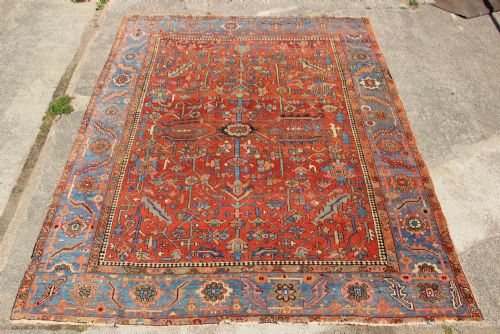
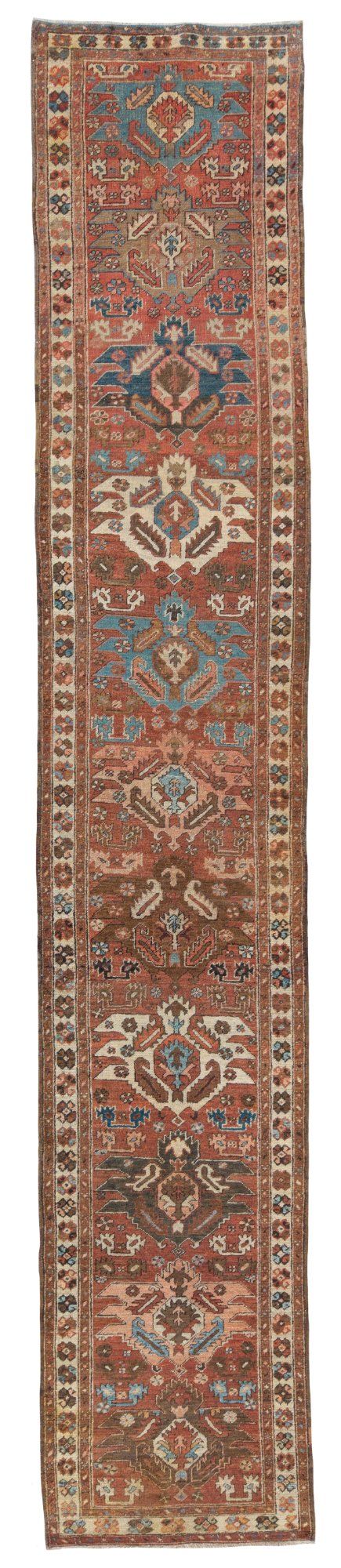
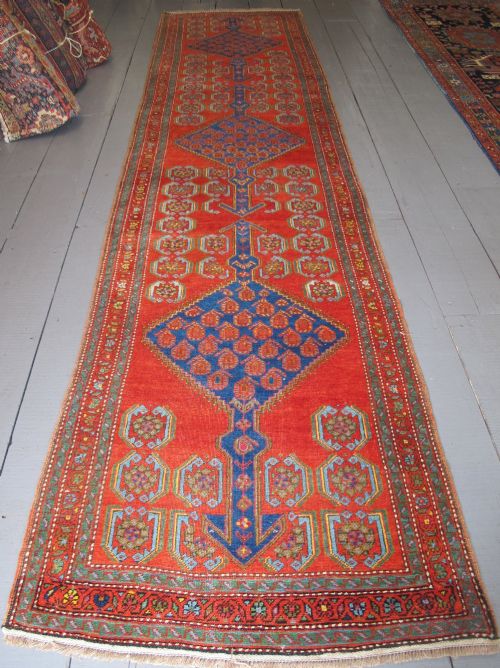
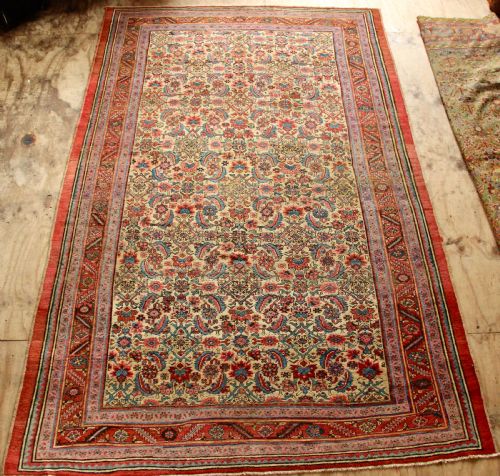
An antique bakshaish rug is a woven textile originating from northwest Persia, specifically taking the form of carpets, long rugs, runners, and village rugs. These pieces span production dates from the mid-nineteenth century through the early twentieth century.
A buyer examining this selection encounters various formats, from large carpets measuring over four metres to narrower runner rugs and compact village rugs. The designs tie into the broader Persian tradition while maintaining a distinct tribal character.
How these rugs were constructed
The construction of an antique bakshaish rug relies on wool for the pile and cotton for the foundation structure. These traditional materials provide both the necessary softness underfoot and the structural stability required for large carpets and runners.
Weavers in northwest Persia utilised hand-knotting techniques passed down through generations, creating durable village rugs and expansive carpets designed to withstand decades of use.
Listings feature pieces spanning from 1850 to 1910, constructed from wool and cotton in runner, village rug, and carpet formats.
What separates examples of varying quality
The distinction between standard village production and finer examples rests in the crispness of the drawing and the complexity of the wool pile. Finer pieces demonstrate a tighter knot count that allows intricate geometric motifs to hold their definition across the field.
Scale and proportion also define the upper tier, where large carpets maintain balanced borders and harmonious proportions without distortion in the central medallions or repeating patterns.
The Antique Bakshaish Rug Glossary
- Bakshaish
- A village and weaving district in northwest Persia known for producing distinctive carpets with geometric designs. These rugs often share stylistic links with neighbouring Heriz production.
- Runner
- A long, narrow carpet format suited to hallways, corridors, and narrow spaces. Examples in this category provide linear geometric patterns down their length.
- Pile
- The upright yarn surface of the rug formed by the knotted wool. This layer determines the texture and depth of the textile.
- Foundation
- The underlying structure of cotton warp and weft threads that supports the wool knots. A stable foundation ensures the rug maintains its shape over time.
Antique Bakshaish Rug: Frequently Asked Questions
Where were antique bakshaish rugs made?
These rugs were woven in the northwest region of Persia, specifically in and around the village of Bakshaish within the broader Heriz district.
The weavers produced these textiles using local materials and traditional designs that reflect the heritage of Persian tribal artistry.
What materials are used in these rugs?
The pile is spun from wool, which provides both warmth and durability for daily use. Cotton serves as the foundation material for the warp and weft threads.
This combination of wool and cotton creates a sturdy textile capable of enduring generations of placement in a home.
How do I care for an antique wool rug?
Regular gentle vacuuming without a beater bar removes surface dust and prevents fibres from matting. Professional cleaning by a specialist in antique textiles is recommended when deep cleaning becomes necessary.
Keeping the rug out of direct, prolonged sunlight also helps preserve the natural tones of the wool.
Are these rugs suitable for high-traffic areas?
Many of these pieces, particularly the larger carpets and runners, were built with durable wool pile and cotton foundations designed for heavy use. Placing a quality rug underlay beneath the textile provides extra cushioning and prevents slipping.
Properly maintained village rugs withstand normal household movement while retaining their structural integrity.