
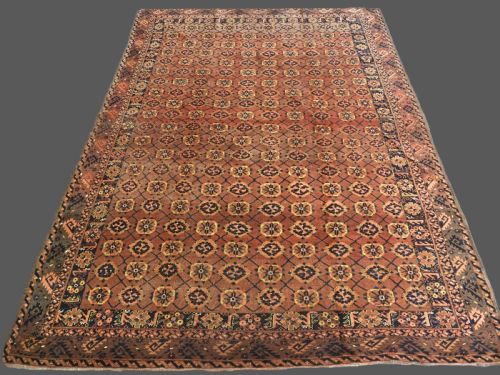
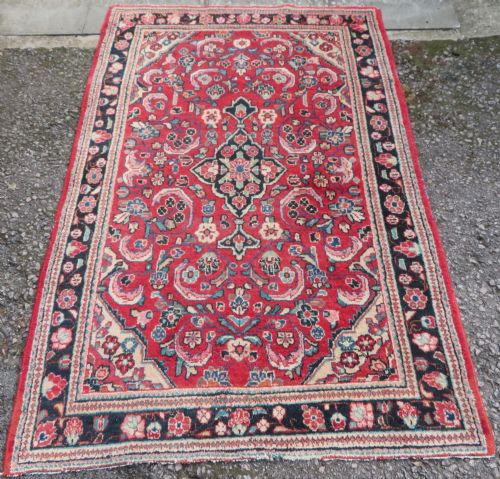
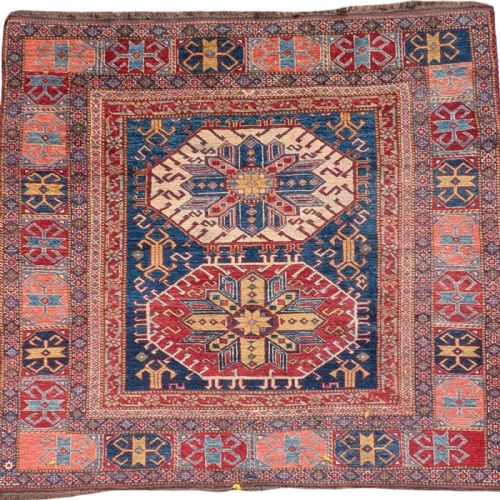
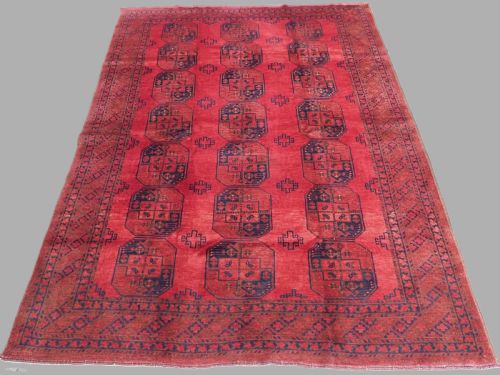


Vintage Village Carpet
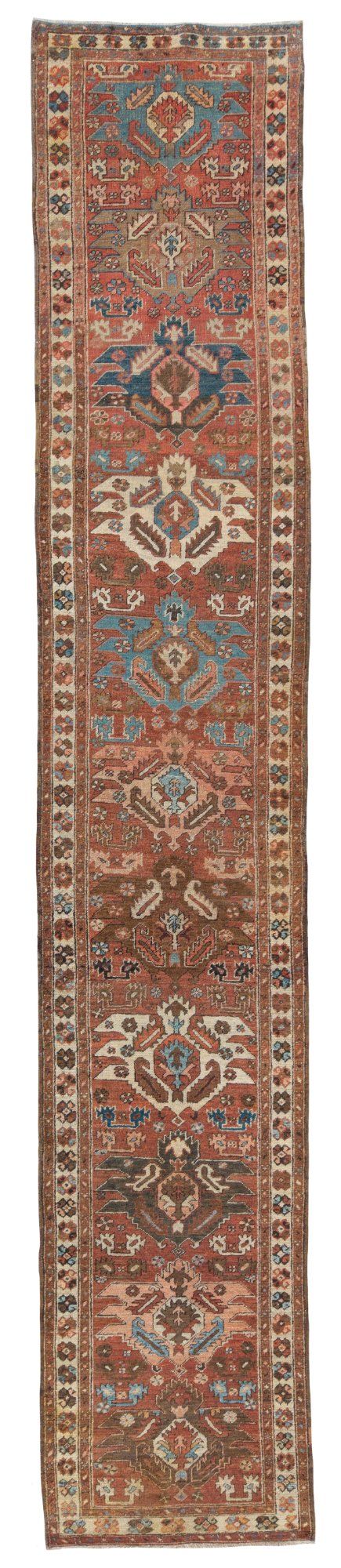
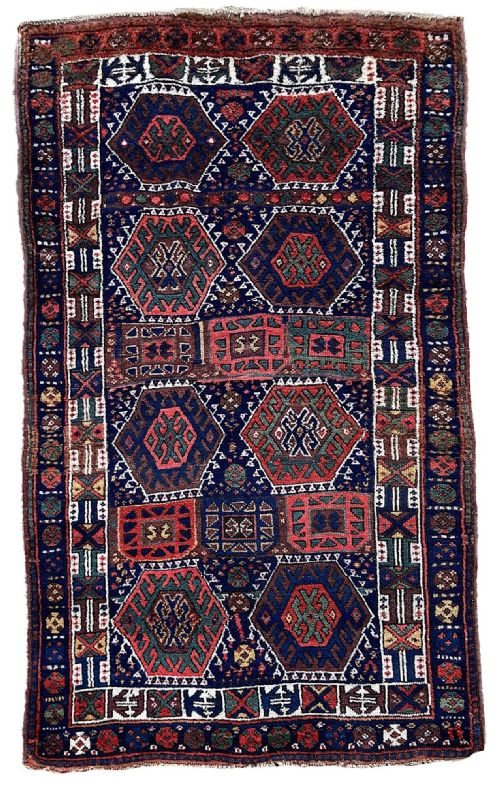
A vintage village carpet brings distinct tribal geometry and rich wool into a room, offering genuine regional character woven by hand.
Vintage Village Carpet
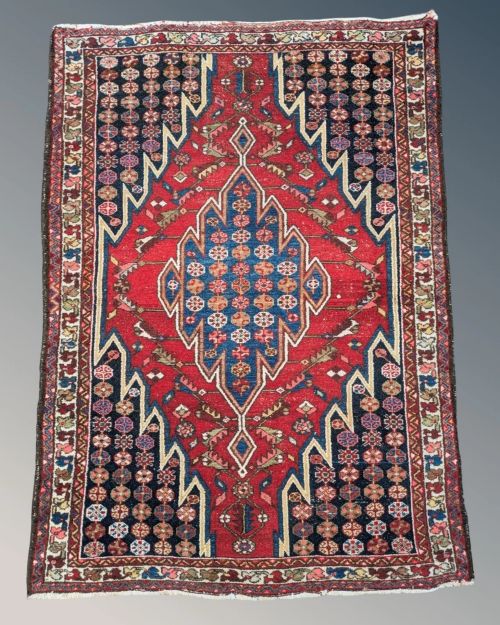
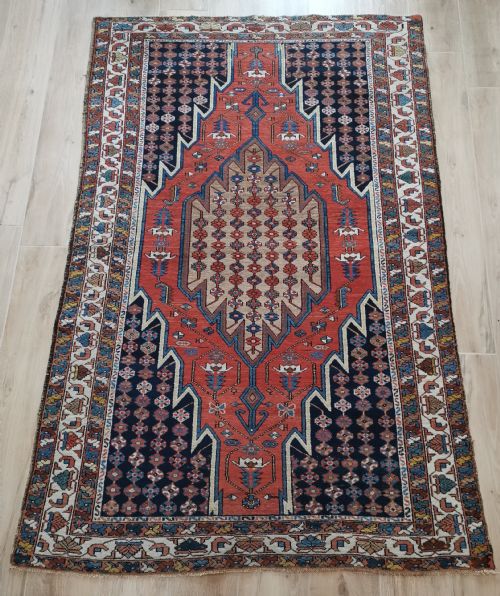
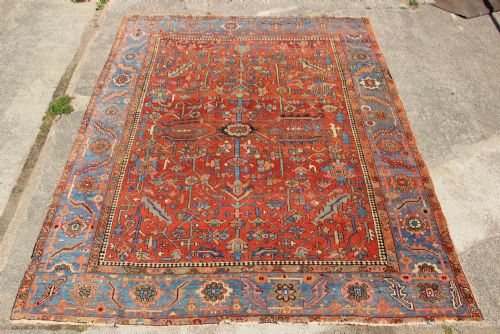
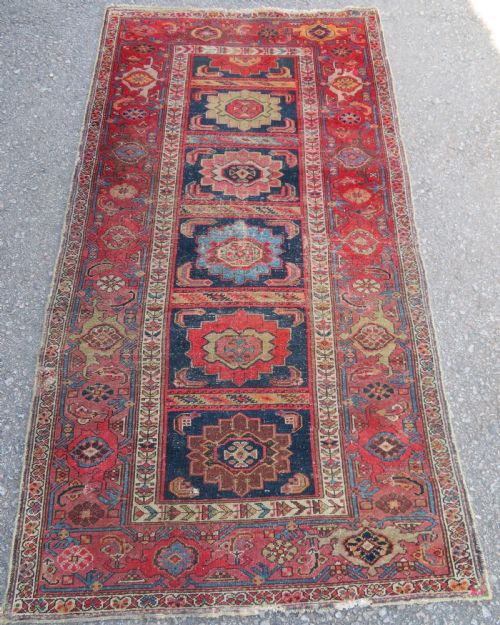
When a buyer searches for a vintage village carpet, they encounter hand-knotted room-size pieces and smaller rugs created in domestic workshops or tribal settlements. The selection spans Persian, Afghan, Caucasian, and Anatolian traditions, reflecting the distinct regional aesthetics of weavers working across the late nineteenth and early twentieth centuries.
These floor coverings include formats ranging from compact prayer rugs and runners to broad carpets designed for domestic settings. Pieces such as Mahal, Bakshaish, Mazlaghan, and Afghan village rugs dominate the listings, each displaying the traditional motifs and palette of its origin.
The aesthetic relies on geometric medallions, tribal symbols, and repeating field patterns rooted in local weaving customs rather than urban court designs. Buyers find these textiles used as functional floor coverings that ground a room with deep reds, golds, and muted earthy tones.
How they were made
Weavers constructed these carpets using hand-spun wool for the pile, paired with cotton warps for structural stability in many Persian and Anatolian examples. This combination of materials provides a resilient surface that responds well to traditional knotting techniques.
The application of natural dyes yields the characteristic warm reds, deep blues, and subtle tonal variations found across the wool fibres. Over decades, these organic colourants settle into a softer patina that distinguishes hand-dyed village textiles from later chemical counterparts.
Listings span production dates from the 1850s through the 1930s, utilising hand-spun wool, cotton warps, and natural dyes.
What varies in quality
Quality in these textiles rests upon the density of the knotting and the precision with which the wool was spun and dyed. Finer knot counts allow for sharper execution of intricate tribal geometry and structural longevity.
The integrity of the foundation materials and the vitality of the remaining pile dictate the overall condition and durability of the rug. Pieces that retain their original kilim ends and selvedges demonstrate higher preservation status among surviving examples.
The Vintage Village Carpet Glossary
- Warp
- The vertical threads stretched on the loom that form the structural foundation of the carpet. Fringe ends typically emerge from these parallel strands.
- Weft
- The horizontal threads passed between rows of knots to bind the pile securely in place. They cross under and over the warp threads during construction.
- Pile
- The surface of the carpet formed by the cut ends of knots. Thick pile wool provides cushioning and protects the structural foundation underneath.
- Prayer Rug
- A specialised format featuring a central mihrab or niche design, traditionally used for individual prayer. These rugs often display smaller dimensions suited for placement on the floor.
- Medallion
- A central ornamental design motif placed in the middle of the carpet field. Village weavers frequently render these in geometric or stylized floral configurations.
Vintage Village Carpet: Frequently Asked Questions
Where were vintage village carpets made?
These carpets originate from weaving communities, nomadic settlements, and rural workshops across Persia, Afghanistan, the Caucasus, and Anatolia. Each region developed distinct local patterns, colour palettes, and knotting structures passed down through generations of families.
Buyers encounter named types such as Hamadan, Bakshaish, Kazak, and Afghan village rugs, which point directly to the geographical traditions of their makers.
How do I care for a wool village carpet?
Regular gentle vacuuming without a beater bar prevents dust and grit from settling deep into the wool pile. Professional cleaning should be undertaken periodically by specialists familiar with antique vegetable-dyed textiles.
Keeping the rug out of direct, harsh sunlight protects the natural dyes from fading unevenly across the surface over the years.
How can I tell different regional styles apart?
Regional styles reveal themselves through specific structural traits, colour choices, and geometric vocabulary. Caucasian pieces often display sharp, bold geometric polygons, while Persian village rugs frequently incorporate stylized floral motifs and medallions.
Examining the weave, foundation materials, and edge finishes helps confirm whether a piece originates from an Afghan, Anatolian, or Persian tradition.
Are these carpets suitable for heavy foot traffic?
Hand-spun wool and sturdy cotton foundations provide natural resilience, allowing many village carpets to handle everyday domestic use. The density of the pile and the overall condition of the foundation determine how well an individual piece withstands pressure.
Placing a quality underlay beneath the rug prevents sliding and cushions the fibres against premature wear on hard floors.