




Antique Bakshaish Carpet
An antique bakshaish carpet brings tribal geometry and softened vegetal dyes into a room, offering durability and warmth underfoot.
Antique Bakshaish Carpet
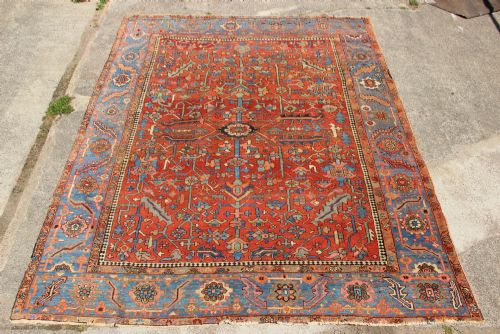
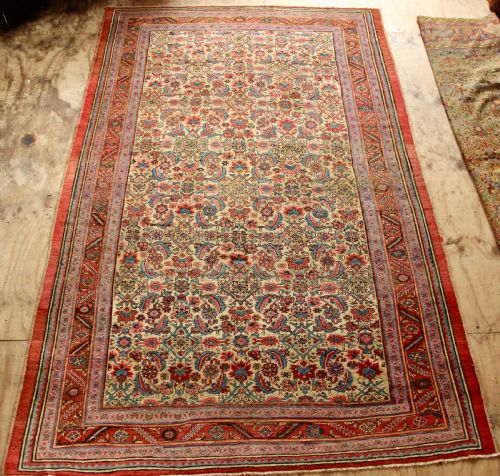
An antique bakshaish carpet originates from north-west Persia, taking its name from the weaving village that produced distinct room-size formats and long runners. These floor coverings emerge from tribal and village traditions rather than urban workshops, carrying designs that balance geometric discipline with looser, organic motifs.
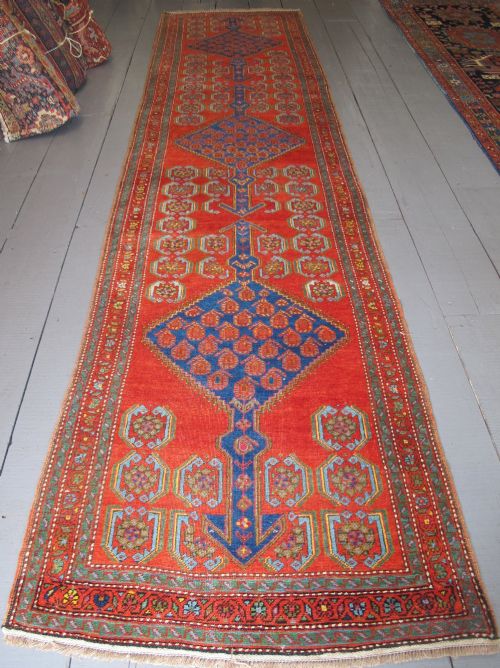
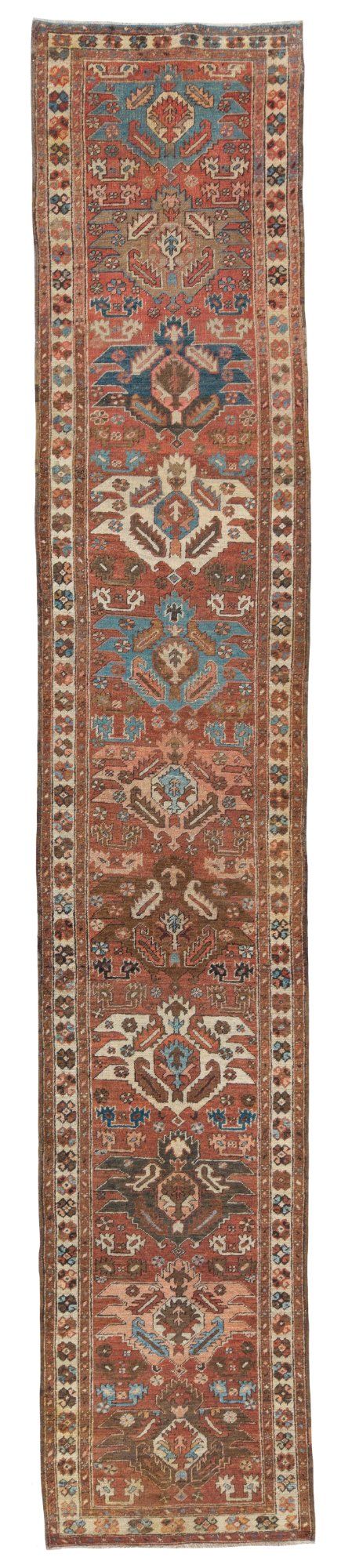
The pieces appearing on this page span several decades from the mid-nineteenth century up to the early twentieth century. Buyers encounter large room-size carpets, square formats, village rugs, and narrow runners spanning from eighteen-fifty to nineteen-ten.
Village weavers constructed these floor coverings to withstand daily use while expressing traditional regional patterns. Their scale varies from compact village rugs measuring just over one metre to expansive carpets exceeding four metres in length.
Materials and construction
Weavers relied on natural wool for the pile, hand-spun and dyed to create rich tones that age with distinct character. Cotton foundations provided stability for the hand-knotted structure, allowing large formats to maintain their shape over generations of use.
The combination of wool pile and sturdy cotton warps and wefts formed a resilient textile capable of handling high-traffic areas. Artisans secured the edges with overcast bindings and finished the ends with plain weaves or short fringes.
Antique Bakshaish Carpet Retail Price Guide 2026
Typical asking prices for bakshaish carpet among the pieces listed under this phrase on Sellingantiques today, from the lower quarter to the upper quarter. They describe what is for sale here now, not the wider market.
Materials documented across the collection consist exclusively of hand-spun wool and sturdy cotton foundations.
Assessing quality and craftsmanship
Knot density and wool quality distinguish finer examples from standard village productions, affecting the crispness of the geometric design and the handle of the pile. Supple, lustrous wool indicates careful preparation and dyeing during the initial making of the carpet.
Colour saturation and the harmonious fading of natural dyes play a central role in the visual impact of each piece. Better examples display complex abrasash where dye batches shifted subtly across the field, adding visual depth without disrupting the overall composition.
The Antique Bakshaish Carpet Glossary
- Bakshaish
- A village and weaving tradition located in north-west Persia known for large-scale geometric carpets and runner formats. These pieces often relate closely to the broader Heriz district output.
- Abrasash
- Variations of colour within a single field of wool caused by differences in dye batches or hand-spinning. This natural tonal shift is prized by collectors for its organic depth.
- Warp
- The vertical foundation threads stretched lengthwise on the loom before knotting begins. Cotton is standard for these structural elements in the region.
- Weft
- The horizontal threads passed through the warps after each row of knots to lock them in place. They contribute to the handle and structural firmness of the textile.
- Pile
- The upright tufts of wool that form the usable surface of the carpet. The length and density of this layer determine how the textile feels underfoot.
Antique Bakshaish Carpet: Frequently Asked Questions
How do I clean an antique bakshaish carpet?
Professional dusting and specialist surface cleaning preserve the wool pile and natural dyes without weakening the cotton foundation. Regular gentle vacuuming without a rotating brush bar keeps grit from settling deep into the knots.
Avoid chemical immersion or mechanical washing, which can strip the wool of its natural lanolin and cause the dyes to bleed.
Where should I place a runner?
Narrow formats suit hallways, corridors, and bedside spaces where foot traffic requires a durable yet decorative textile. Their elongated proportions help anchor transitional areas while adding warmth to wooden floors.
Ensure a breathable underlay is placed beneath the textile to prevent sliding and reduce friction against the floorboards.
Are these carpets suitable for heavy furniture?
The dense wool pile and sturdy cotton construction make these floor coverings resilient enough to support dining tables and seating arrangements. Distributing weight with furniture cups prevents deep indentations in the pile over time.
Rotating the carpet periodically ensures even wear patterns across areas exposed to direct sunlight or heavy foot traffic.
How do I date an older piece?
Stylistic shifts in medallion geometry, palette composition, and structural materials provide reliable clues to the decade of origin. Mid-nineteenth-century examples often display looser tribal layouts, while early twentieth-century pieces lean towards structured room-size formats.
Comparing edge finishes, knot structure, and dye characteristics against documented pieces helps narrow down the period of production.