




Traditional Red Wool Runner
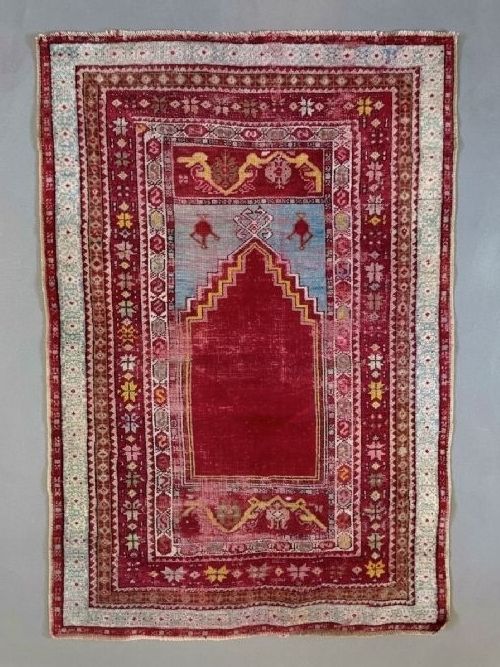
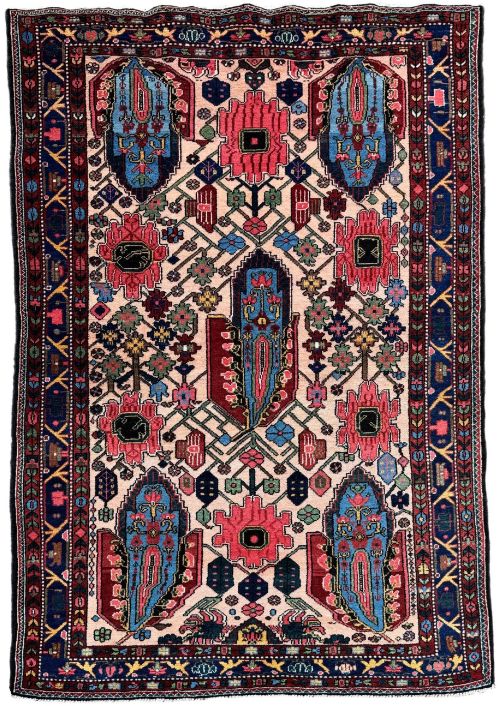
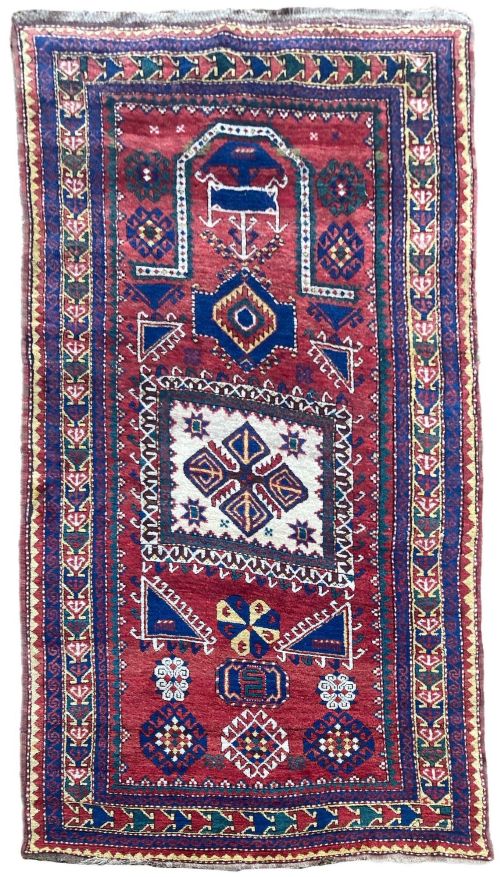
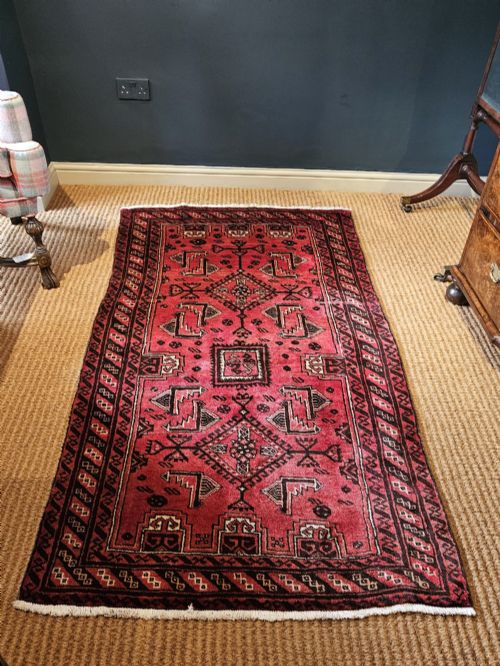
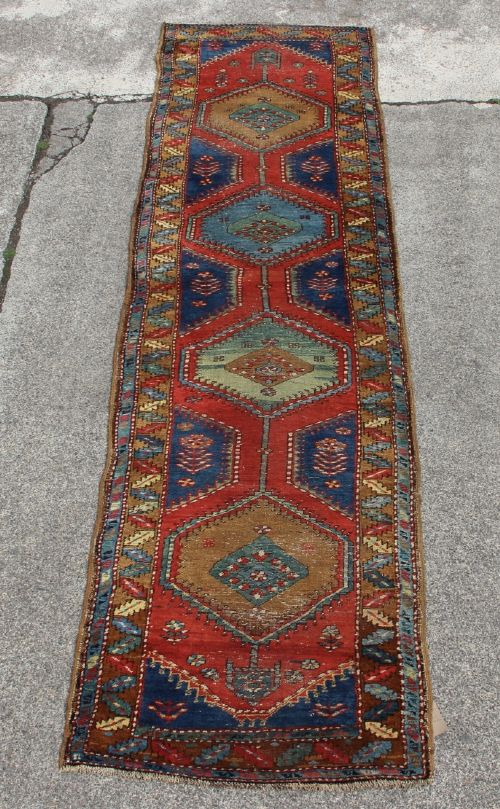
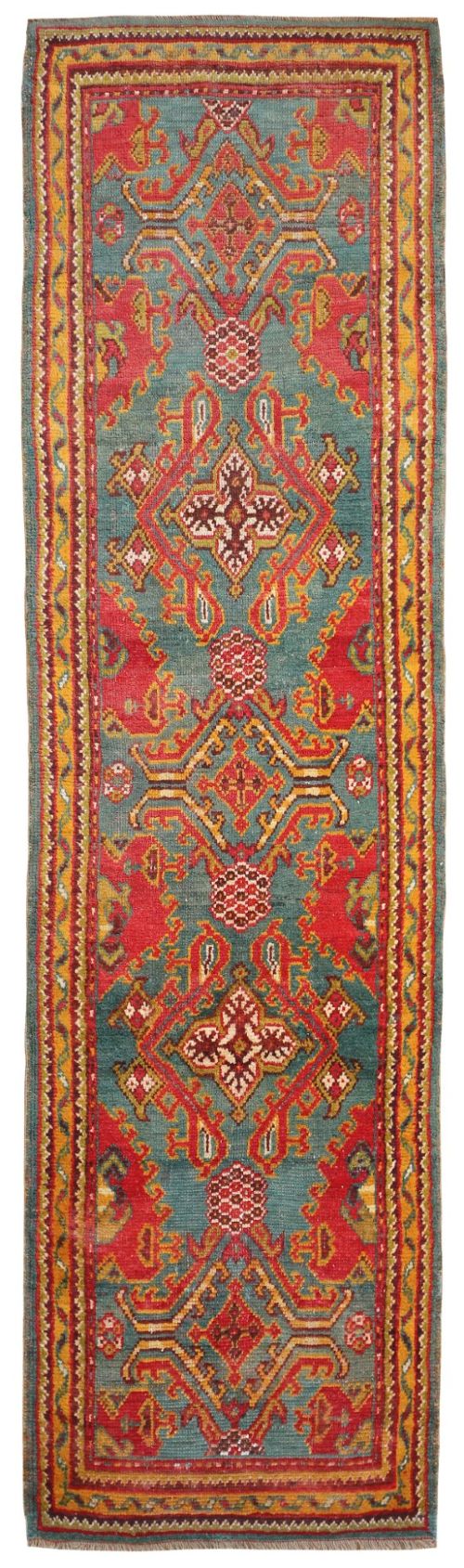
A traditional red wool runner brings warmth and narrow linear pattern to a hallway, drawing the eye along the floor with age-worn character.
Traditional Red Wool Runner
A traditional red wool runner serves narrow spaces such as hallways, landings and corridors, utilising elongated formats designed for heavy foot traffic. These floor coverings span the nineteenth and twentieth centuries, originating from regions including Persia, the Caucasus, Anatolia, and Turkmenistan.
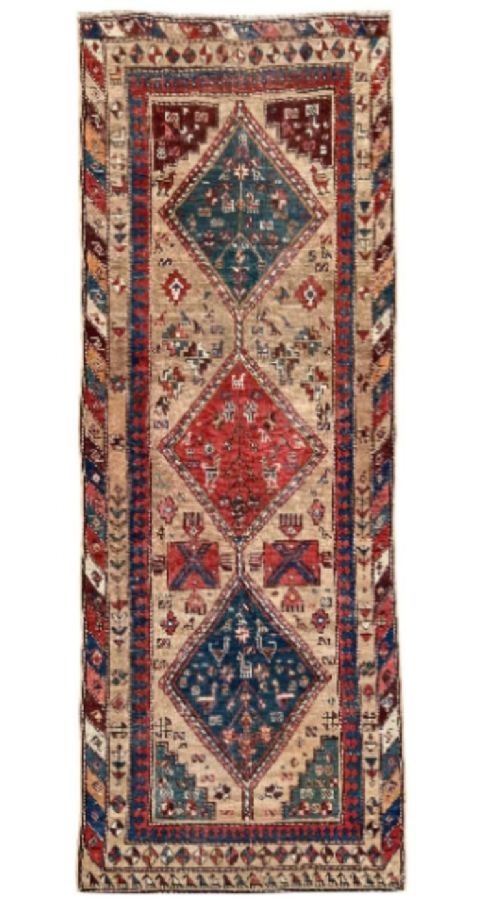
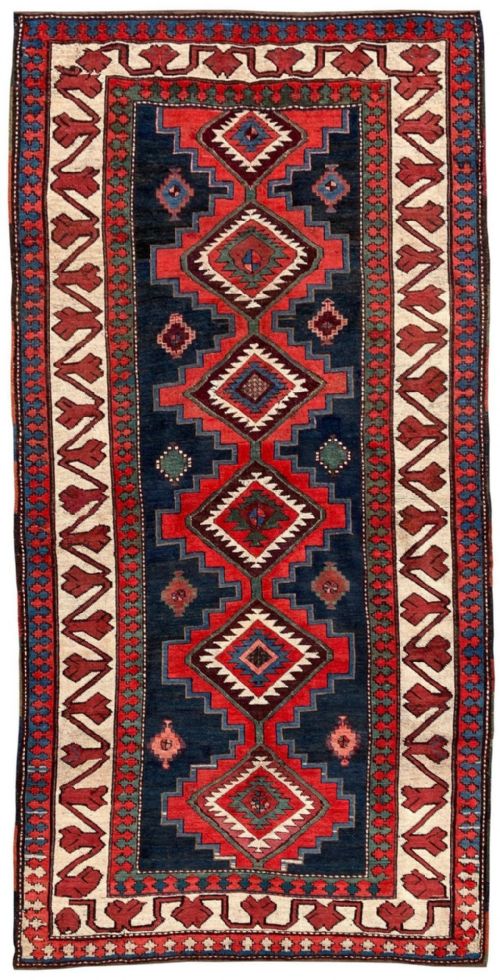
The version most commonly met on this page is the antique or vintage village or tribal runner, often displaying geometric medallions, repeating motifs, or tribal patterns set against a dominant red or rust ground. Dimensions vary considerably, ranging from compact lengths to extensive hallway carpets exceeding three metres.
Makers include various nomadic and village weavers across Central Asia and the Middle East who produced pieces for domestic use and trade. The inventory reflects diverse regional traditions, from Kazak and Baluch pieces to Heriz, Hamadan, and Ushak productions.
Materials and construction
Construction relies heavily on natural sheep wool, frequently spun by hand and dyed using traditional vegetable or insect-derived colorants. This reliance on wool and cotton foundations ensures durability, allowing the pile to withstand decades of use while retaining structural integrity.
Weaving techniques involve hand-knotting or flat-weaving methods passed down through generations of tribal and village communities. The dyestuffs interact with the wool fibres over time, creating subtle tonal variations and depth within the red fields.
Some long hall runners stretch over thirty feet, built to warm drafty historical corridors one knot at a time.
Assessing quality in runners
Quality rests in the precision of the weave, the saturation and complexity of the dyestuffs, and the integrity of the foundation. Tighter knot density and finer wool selection typically indicate a more accomplished workshop or village production.
The character of the design and the balance of the border systems distinguish superior examples from standard utility pieces. A harmonious colour palette and clear, deliberate motifs elevate the visual weight of the runner within a interior space.
The Traditional Red Wool Runner Glossary
- Runner
- A long, narrow carpet format specifically proportioned for corridors, hallways, and stairs. These pieces guide movement through a home.
- Pile
- The cut surface of the carpet formed by the ends of the knots. Pile depth affects the tactile feel and durability underfoot.
- Warp
- The vertical threads stretched lengthwise on the loom before weaving begins. The foundation supports the entire structure of the rug.
- Weft
- The horizontal threads passed across the warp between rows of knots. They bind the knots securely in place.
Traditional Red Wool Runner: Frequently Asked Questions
How do I care for a wool runner?
Regular gentle vacuuming without a beater bar prevents dust accumulation within the wool pile. Professional cleaning by a specialist in antique textiles preserves the natural lanolin and dyes.
Positioning a quality underlay beneath the runner prevents slip and reduces friction against the floorboards. Rotating the piece periodically ensures even wear across high-traffic zones.
What is a tribal runner?
A tribal runner is woven by nomadic or semi-nomadic groups rather than urban workshops. These pieces frequently exhibit geometric symbols, memory patterns, and asymmetrical local designs.
The wool used in tribal pieces often has a robust, rustic handle. The colours reflect regional plant dyes unique to specific valleys or tribes.
How do I date an old wool runner?
Dating relies on stylistic analysis, material composition, and structural characteristics such as selvedge type and end finishes. Natural dyes and hand-spun wool generally point towards nineteenth-century or early twentieth-century origins.
Comparing knot structures and specific tribal motifs against documented regional examples helps narrow the period of manufacture. Construction irregularities often confirm hand production rather than machine replication.
Are these runners suitable for heavy hallways?
Wool possesses natural elasticity and resilience, making it well-suited to withstand regular foot traffic in corridors. The density of the pile absorbs impact and protects the foundation threads.
Using a proper rug pad underneath provides additional cushioning and stability. This support extends the active lifespan of older textiles in busy domestic settings.