
Antique Asian Urns
These antique asian urns bring substantial presence to a room through centuries of metalwork and ceramic traditions.
Antique Asian Urns
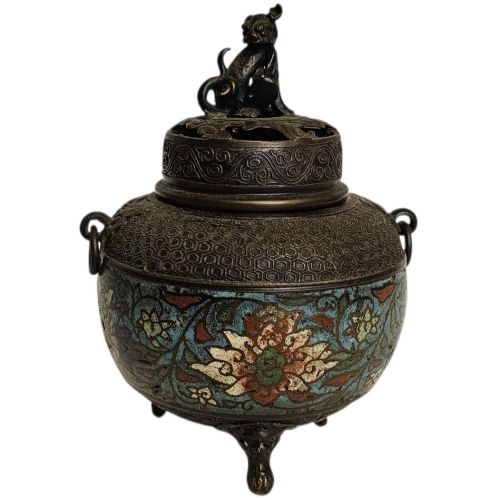
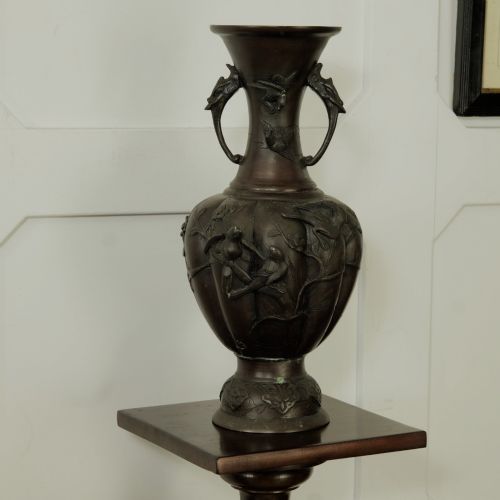
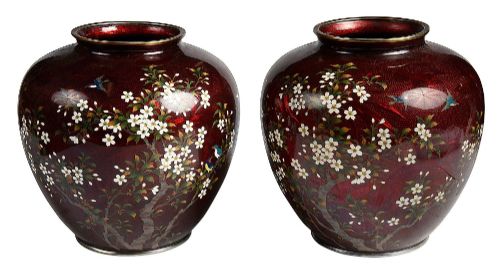
When searching for antique asian urns, you encounter a selection spanning the nineteenth and early twentieth centuries, alongside occasional earlier examples. These items include bronze censers, cloisonné vessels, and ceramic jars originating from Chinese and Japanese workshops.
The objects frequently take the form of lidded urns, vases, and tripod vessels designed for ritual use or interior display. Many pieces reflect distinct regional periods such as the Meiji era and the Qing Dynasty.
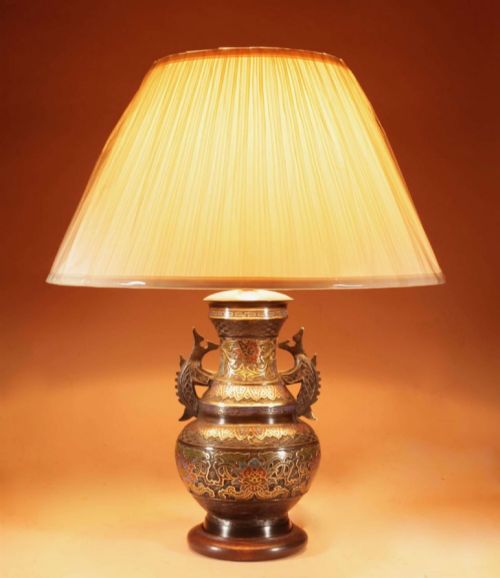
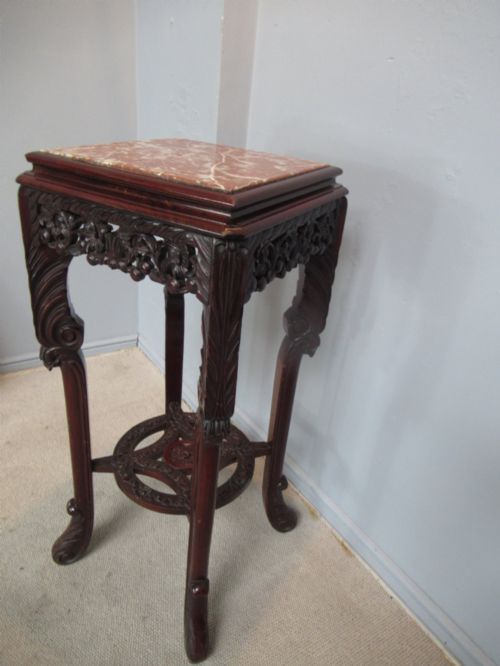
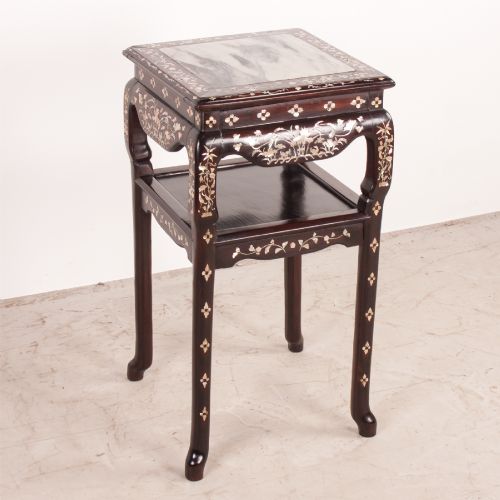
Vessels adapted into table lamps or paired with hardwood stands also appear within the selection. This variety reflects both original decorative intent and later interior adjustments.
How they were made
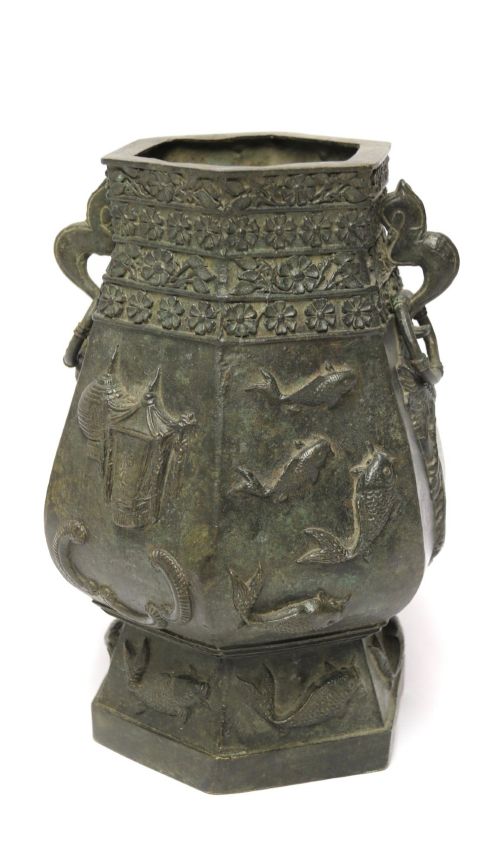
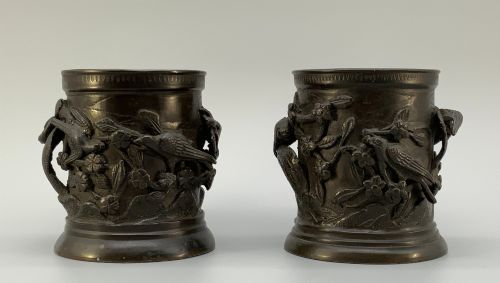
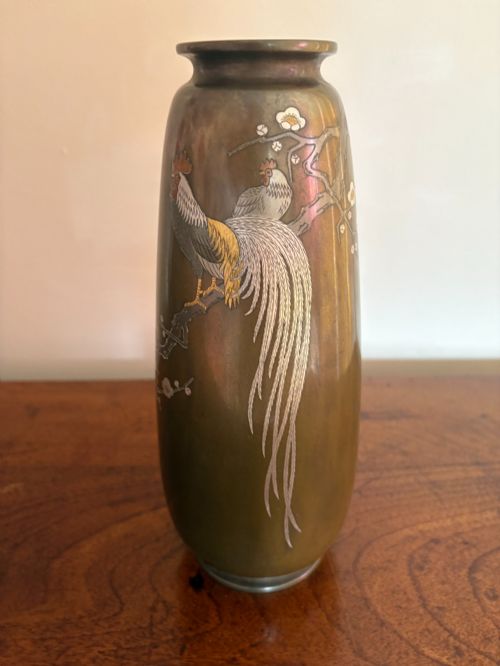
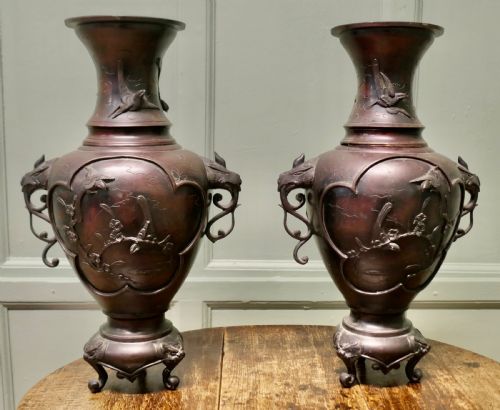
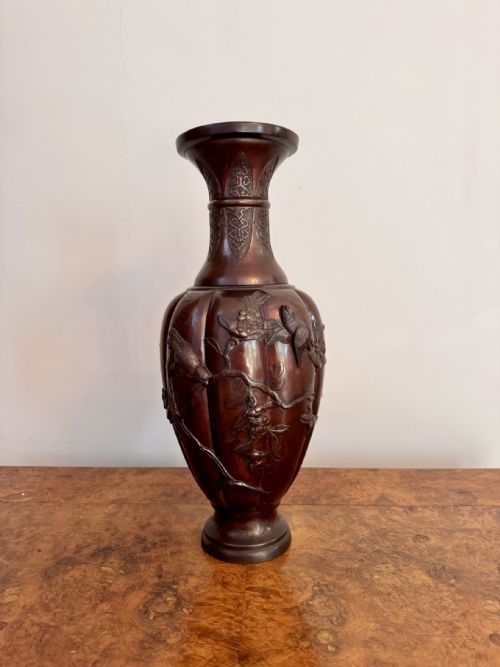
Bronze and copper-alloy pieces rely on lost-wax casting and high-relief panel techniques, often finished with champlevé enamel or applied gold leaf. Artisans worked surface details by hand, incorporating intricate motifs such as birds, dragons, and floral scenes.
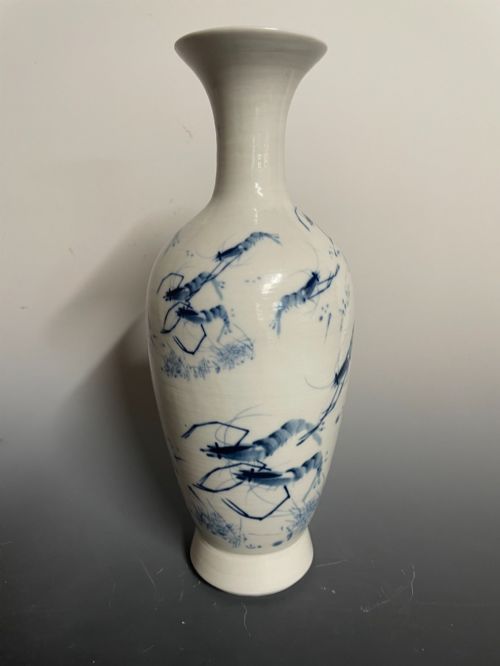
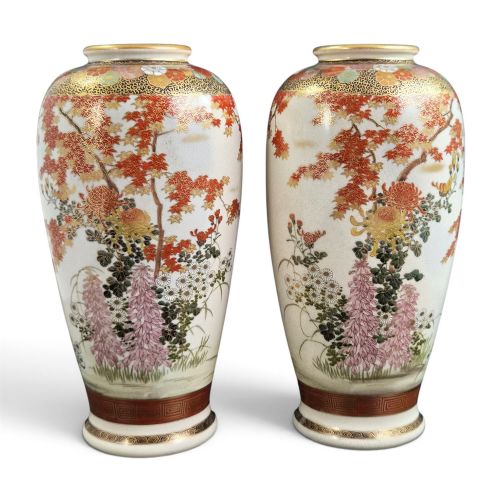
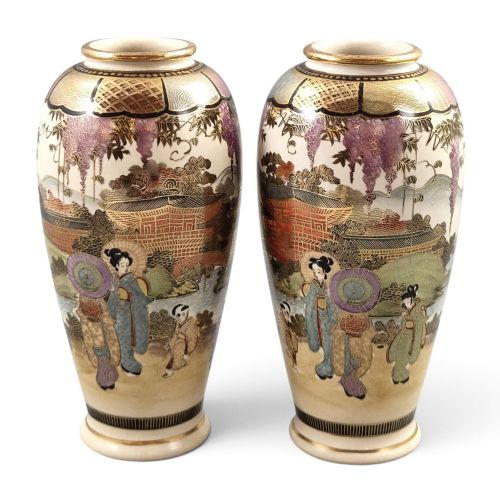
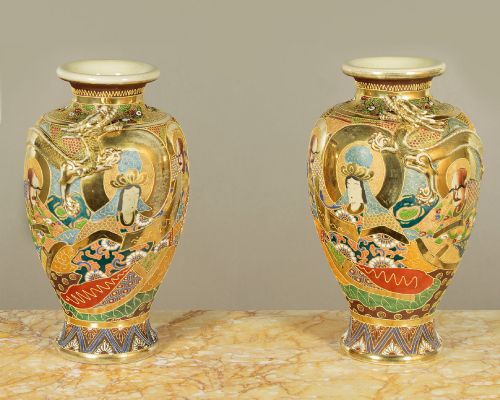
Ceramic works utilise porcelain and earthenware bodies painted with underglaze blue, famille verte enamels, or detailed Satsuma glazes. These glazes require precise kiln temperatures to fix the pigments and achieve durable surface finishes.
Listings feature porcelain, earthenware, and bronze forms originating from the Meiji period and Qing dynasty.
What varies in quality
The standard of an object depends on the crispness of the casting work and the precision of the enamel or hand-painted details. Heavier bronze walls and well-defined base marks indicate careful workshop production.
Overall condition and completeness, such as retaining original lids and matching pairs, distinguish standard decorative items from finer collector examples.
Maruni Kobe·Manpei Kobe·KANASAWA
The Antique Asian Urns Glossary
- Cloisonné
- Enamelling technique where thin metal wires form raised cells on a metal body to hold coloured paste before firing. This method creates geometric and floral patterns across bronze surfaces.
- Satsuma
- Japanese earthenware pottery featuring a crackled cream-coloured glaze decorated with polychrome enamels and gilding. These pieces frequently depict figures and dense botanical scenes.
- Censer
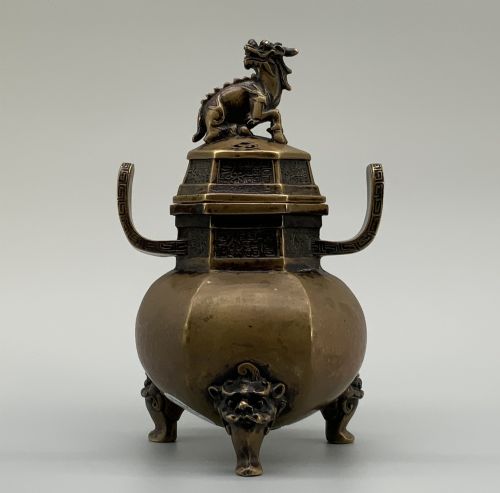
- Vessel traditionally used for burning incense during ritual ceremonies or domestic display. They often feature tripod bases, pierced covers, and twin handles.
- Imari
- Japanese porcelain style characterised by underglaze blue combined with iron-red and gold highlights overglaze. The palette produces bold visual contrast across jars, plates, and vases.
- Champlevé
- Enamelling method where troughs or cavities are gouged directly into a metal surface to receive enamel colours. The remaining metal walls separate the different pigment areas.
Antique Asian Urns: Frequently Asked Questions
What materials are common in these Asian vessels?
The pieces utilise cast bronze, brass, cloisonné enamel, and ceramic materials including porcelain and earthenware. Hardwood and marble frequently support these objects as stands or tables.
Craftsmen combined metals with gold leaf and intricate enamel work to enhance the surface decoration of each vessel.
How do you distinguish between Chinese and Japanese pieces?
Chinese objects often feature distinct dynasty styles, heavy bronze casting, and motifs such as dragons, Qilin lions, and Daoist immortals. Base marks frequently reference earlier historical reigns.
Japanese works often align with the Meiji period, utilising Satsuma earthenwares, Imari porcelain palettes, and detailed floral or figural compositions.
Were these urns used for storage or display?
Many lidded vessels and jars served practical functions such as holding dry goods, ginger, or burning incense in domestic and temple settings. Tripod censers were specifically designed for ritual burning.
Other large vases and decorative urns were produced purely for interior ornamentation and display within elite households.
How should I integrate converted lamp urns into a room?
Vessels converted to table lamps require stable placement on occasional tables or dedicated hardwood stands. Their height and form provide ambient lighting while retaining traditional decorative motifs.
Pairing matching lamp urns on opposite sides of a space creates visual symmetry within an interior scheme.