




Antique Asian Ceramic Platter
An antique asian ceramic platter brings centuries of kiln craft and painted trade history directly to a wall or table.
Antique Asian Ceramic Platter
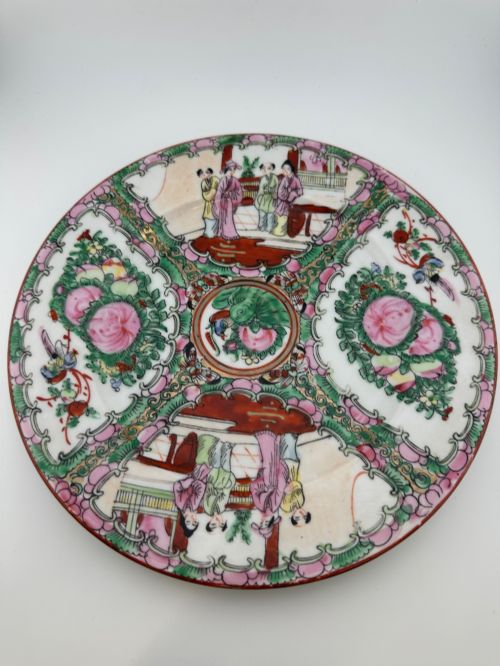
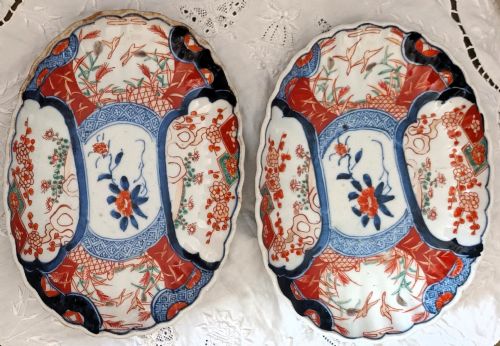
An antique asian ceramic platter covers large chargers, display plates, and serving dishes originating from Japanese and Chinese kilns. The selection here leans heavily towards Japanese Imari ware and Arita blue and white pieces, spanning centuries from the Edo and Meiji periods up to the early twentieth century.
Buyers encounter broad decorative chargers, scalloped edge dishes, and large circular plates designed for visual impact. Many examples display traditional motifs such as scrolling foliage, moulded floral scrolls, or figures like the Seven Lucky Gods.
The assortment reaches from late seventeenth-century Arita and Kangxi period Chinese blue and white down to nineteenth-century Meiji production. Forms range from simple circular dishes to clam shell shapes and square plates housed in original boxes.
How they were made
Potters shaped these objects from high-fired ceramic and porcelain bodies, frequently employing mould-pressed techniques for floral scrolls and barbed rims. Cobalt underglaze provided the deep blue foundation on many Arita and Chinese export works.
Painters applied intricate hand-painted designs using enamels, gold leaf, and gilt highlights over the glaze. Subsequent kiln firings fused the iron-red, gold, and cobalt pigments to the porcelain surface to create the layered palettes seen on Imari and Kutani wares.
Certain antique dishes arrived safely through the centuries tucked inside their own custom-built wooden storage boxes.
What varies in quality
Quality rests in the precision of the hand painting and the crispness of the underglaze cobalt work. Finer pieces demonstrate careful brush control across dense foliate borders and complex figural scenes without blurring or pigment pooling.
The weight and purity of the porcelain body, alongside the restraint and richness of applied enamel and gilding, set exceptional chargers apart from standard utilitarian ware. Condition of the overglaze gold leaf and the absence of kiln flaws further define the upper tier.
Fukagawa
The Antique Asian Ceramic Platter Glossary
- Imari
- A style of Japanese porcelain decorated in underglaze blue, iron red, and gilt. It originated in Hizen province and shipped through the port of Imari for domestic and export markets.
- Celadon
- A type of green-glazed ceramics developed in East Asia, characterised by iron-pigment glazes fired in a reduction atmosphere. Longquan celadon dishes often feature moulded floral scroll designs beneath the thick green glaze.
- Charger
- A large decorative plate or platter used primarily for display on tables or walls rather than for serving food. These expansive surfaces allowed potters to paint elaborate pictorial scenes.
- Aka-e
- A Japanese term meaning red pictures, referring to porcelain decorated predominantly with red iron enamel overglaze. Pieces from Arita frequently utilise this palette alongside cobalt underglaze.
- Meiji Period
- The era in Japanese history spanning from 1868 to 1912, noted for a surge in decorative arts produced for international export. Kilns during this time turned out highly detailed porcelain chargers and dishes.
Antique Asian Ceramic Platter: Frequently Asked Questions
What is an Imari charger?
An Imari charger is a large decorative ceramic plate produced in Japan featuring a distinct palette of cobalt blue, iron red, and gold leaf. These pieces were exported widely to Europe during the Edo and Meiji periods.
Potters painted intricate floral and geometric motifs across the broad surface, making them popular centrepieces for display on walls and sideboards.
How do I date a blue and white dish?
Dating relies on examining the potting style, the tone of the cobalt underglaze, and any reign marks on the reverse. Seventeenth-century Arita wares often display robust blue tones within scrolling foliate borders.
Later Victorian and early twentieth-century export pieces show different potting weights and brighter enamel applications. Comparing the foot ring and body clay helps narrow the production era.
Were these platters used for food?
Most large chargers and display plates served a decorative function rather than daily dining use. Their expansive surfaces and delicate overglaze enamel or gold leaf made them unsuited for heavy culinary service.
Smaller dishes and bowls saw table use, while major chargers functioned as ornamental art objects in both Asian and Western interiors.
What is Arita porcelain?
Arita porcelain refers to ceramic wares made in the Hizen province of Japan around the town of Arita. This region was the birthplace of Japanese porcelain production following the discovery of suitable clay deposits.
Kilns here produced blue and white export pieces as well as the polychrome Imari styles that became popular worldwide.