

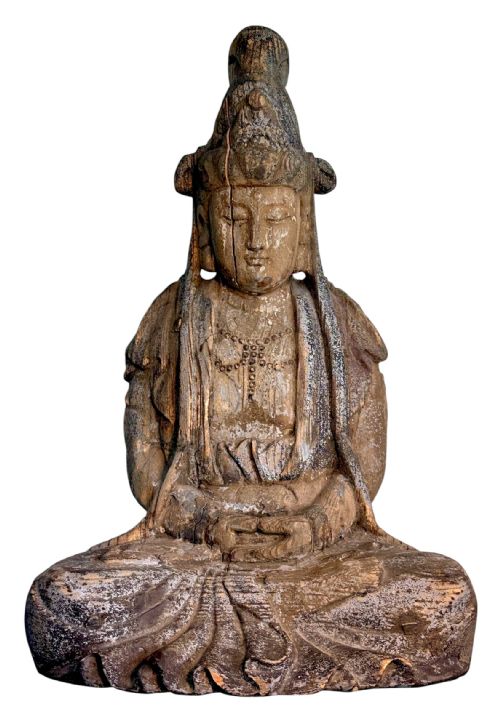


Antique Asian Buddha
When you search for an antique asian buddha, you meet centuries of devotional sculpture cast in bronze, carved in wood, and touched with gold leaf.
Antique Asian Buddha
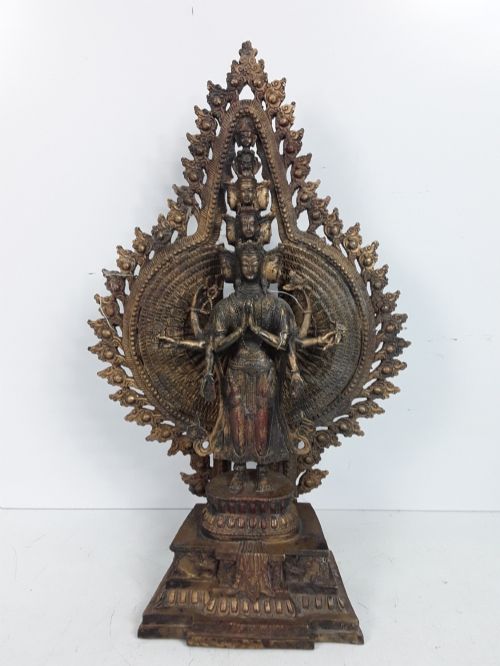
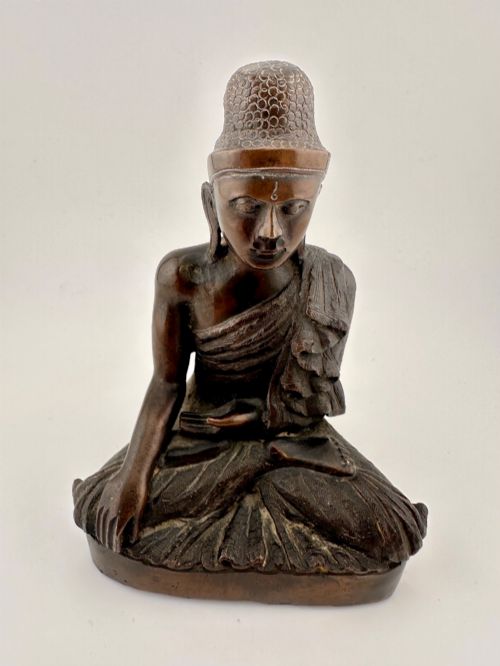
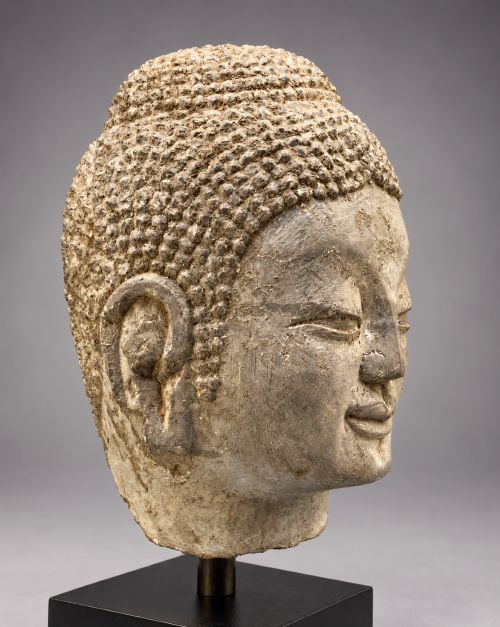
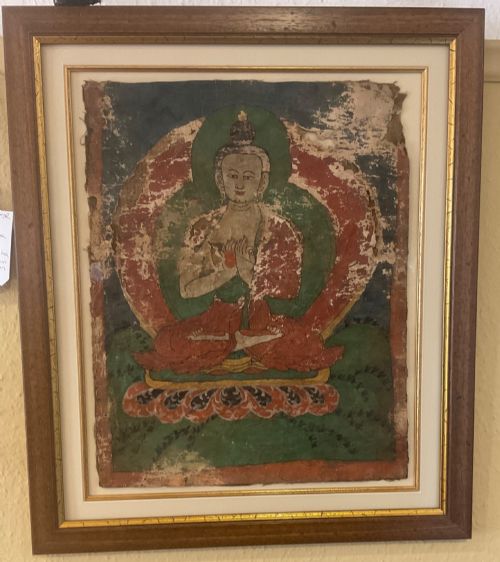
An antique asian buddha encompasses diverse regional traditions, from Tibetan shrine figures and Thai bronzes to Chinese wood carvings and Burmese statues. The pieces found here span multiple centuries, including Ming Dynasty sandstone heads, seventeenth-century paintings, and nineteenth-century gilt wood figures.
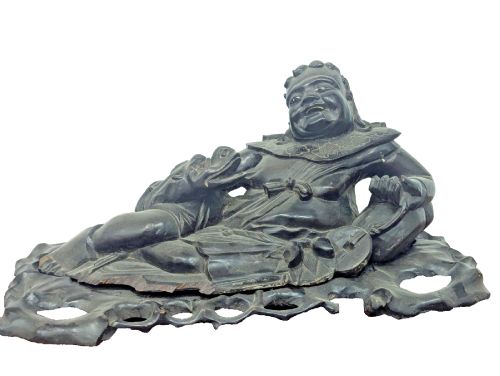
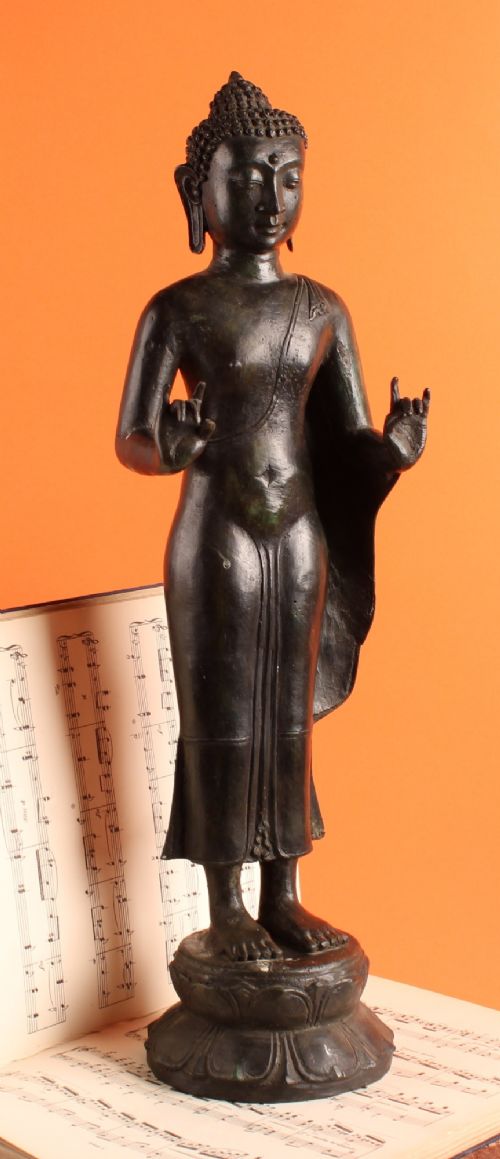
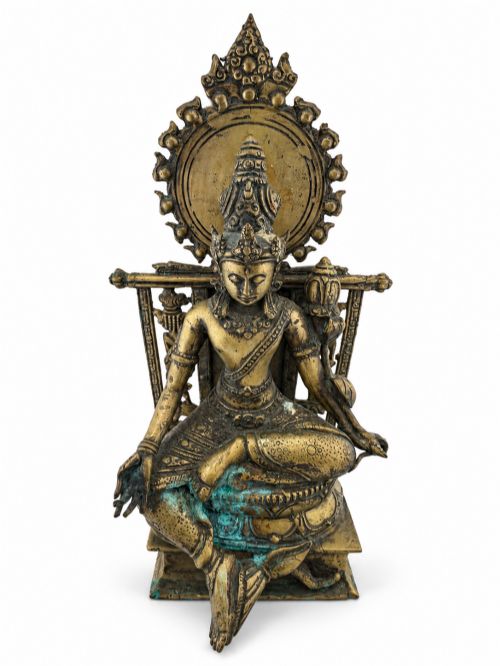
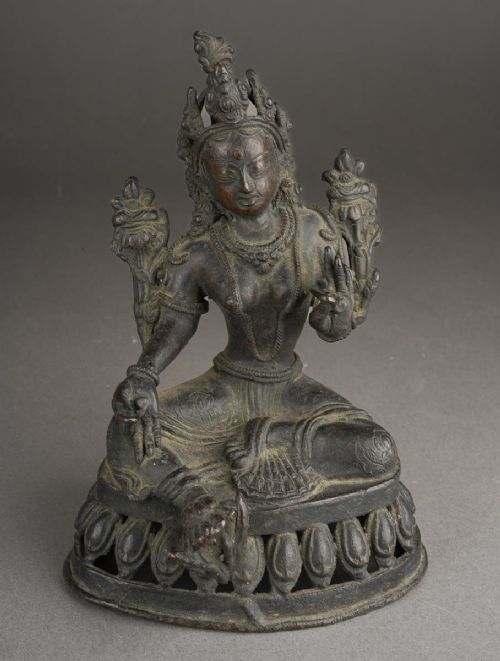
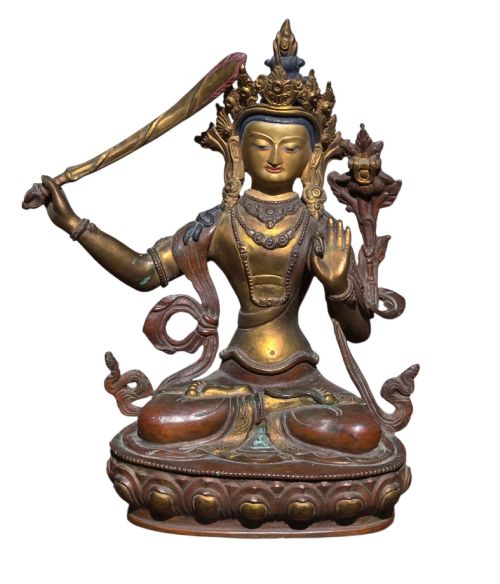
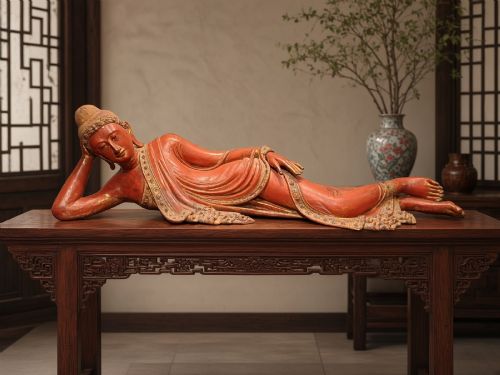
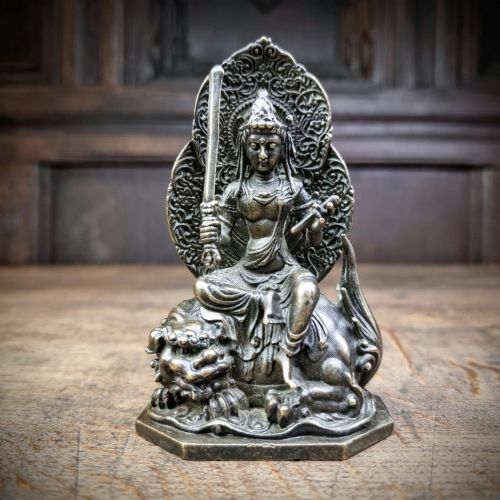
Buyers most frequently encounter bronze and wooden sculptures representing various forms, such as seated Buddhas, reclining figures, and depictions of Guanyin or Green Tara. These works originate from workshops across China, Tibet, Burma, and Thailand, reflecting distinct cultural aesthetics and devotional practices.
Materials and Technique
Metal sculptures rely on bronze, copper alloy, and gilt bronze, often shaped through traditional casting methods and finished with patination, pigment, or gold leaf. Artisans also worked extensively in wood, applying polychrome paint, lacquer, and gilding to carved figures.
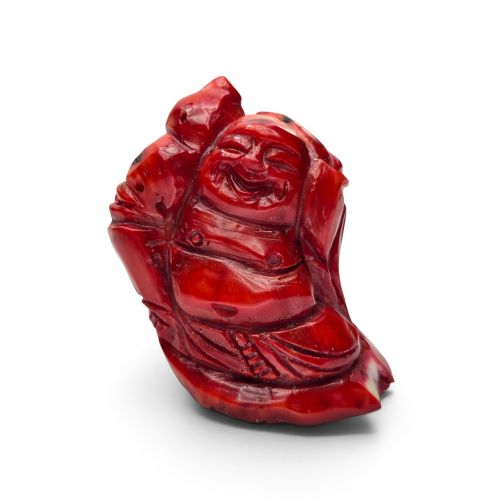
Stone pieces, including limestone and sandstone, demonstrate detailed sculptural techniques from earlier periods such as the Ming Dynasty. Specialised works incorporate materials like jade, red coral, and porcelain, showcasing the diverse craftsmanship of Asian artisans.
Budai appears with an elephant and a laughing demeanor, reminding viewers of contentment.
Execution and Age
Quality rests in the precision of the carving or casting, where refined facial expressions and sharply defined drapery separate superior examples from simpler utilitarian objects. The preservation of original surface treatments, such as early patination, gold leaf, and polychrome pigment, dictates the visual strength of a piece.
The sophistication of regional style also distinguishes the range, with masterworks exhibiting authentic stylistic adherence to specific periods like the Ayutthaya era or Qing Dynasty. Greater age, combined with intact material integrity, elevates the character of these devotional figures.
The Antique Asian Buddha Glossary
- Mudras
- Symbolic hand gestures used in Buddhist art to convey specific teachings, protection, or spiritual states. These gestures help identify the particular deity or moment in the Buddha's life being depicted.
- Gilt Bronze
- Metal sculpture coated with a thin layer of gold or gold leaf applied to the bronze surface. This technique provided a radiant, durable finish suited for sacred shrine figures.
- Bodhisattva
- An enlightened being who delays attaining full Buddhahood to assist others on the path to salvation. Figures such as Avalokiteshvara and Manjushri belong to this revered category.
- Patination
- The natural or artificial alteration of a metal surface over time resulting from age, oxidation, and handling. Collectors value original patination for confirming the age and history of a bronze piece.
Antique Asian Buddha: Frequently Asked Questions
What is a mudra on a buddha statue?
A mudra is a symbolic hand gesture that communicates specific spiritual meanings, teachings, or states of meditation. Different positions represent events such as calling the earth to witness or offering reassurance.
Interpreting these gestures allows viewers to understand the intended narrative or devotional purpose of the sculpture.
How do you date antique stone buddha heads?
Dating stone sculpture relies on stylistic markers associated with specific dynasties and eras, such as the distinct facial proportions and stone types of the Ming period. Tool marks and mineral composition also provide clues to the age and regional origin.
Experts compare these characteristics with documented examples from known temples and archaeological contexts to establish a reliable timeframe.
Where were these statues originally displayed?
Many of these figures stood within domestic shrines, village temples, or major monastic complexes across Asia for daily worship and meditation. Larger wooden and bronze works often served as central altar pieces in regional sanctuaries.
Smaller statues were designed for portable shrines, allowing practitioners to carry devotional figures during travel or across mountainous Himalayan trade routes.
What does gilt wood mean?
Gilt wood refers to wooden carvings coated with a fine layer of gold leaf applied over a prepared gesso ground. This technique gave sacred statues a luminous appearance that caught the flickering light of oil lamps in dim temples.
Over centuries, the gold leaf often wears down or develops a warm patina that reveals the carved wood beneath.