





Carved Gilt Figure
When you search for a carved gilt figure, you encounter centuries of devotional and decorative sculpture rendered in wood, gesso, and gold leaf.
Carved Gilt Figure
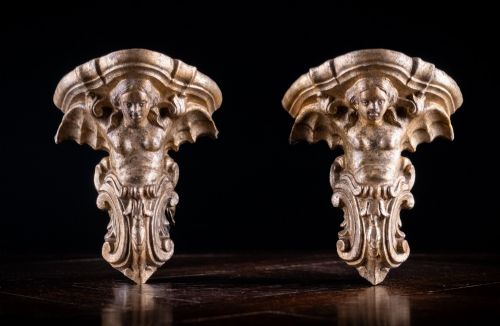
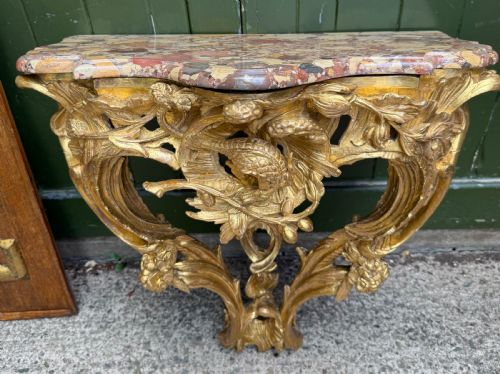
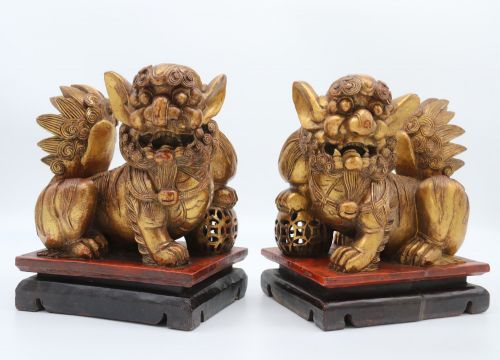
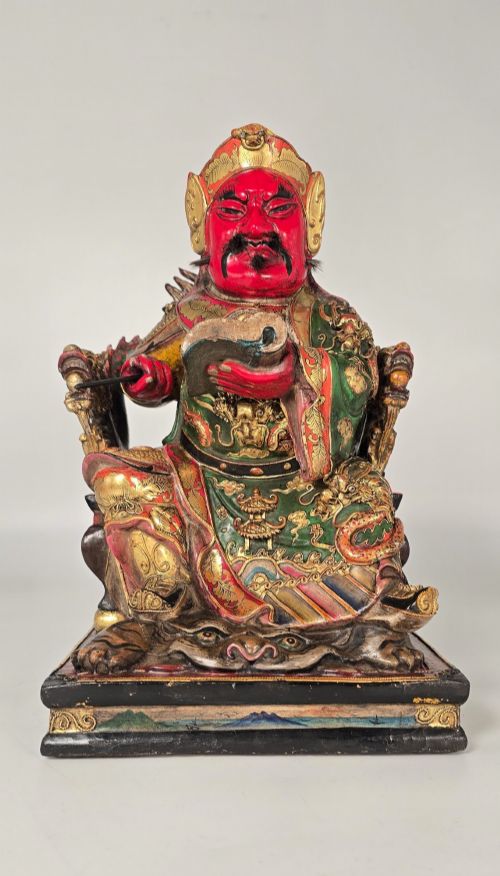
A carved gilt figure encompasses a diverse group of sculptural objects, ranging from religious saints and temple guardians to secular decorative figures and architectural elements. When exploring this category, you are most likely to meet pieces originating from European workshops, particularly Italian and French traditions, alongside substantial representations from Asian traditions including Chinese Buddhist lions and Burmese Buddhas. These pieces span multiple centuries, with significant representation from the seventeenth, eighteenth, and nineteenth centuries, reflecting both devotional utility and interior ornamentation.
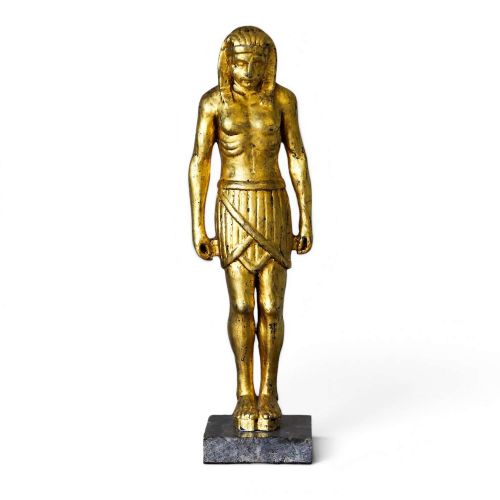
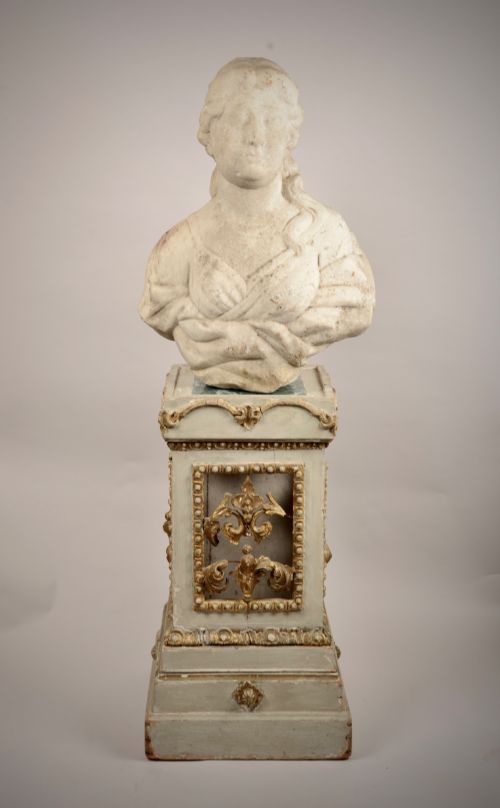
The physical manifestation of a carved gilt figure varies greatly in scale and form, extending from diminutive cherubs and shabtis to monumental temple figures and Venetian statues on stands. You will encounter works reflecting diverse historical styles such as Baroque, Neoclassical, Regency, and Victorian aesthetics, often incorporating polychrome paint alongside metallic leaf. Whether representing classical deities, Christian saints, or Eastern scholars, each sculpture serves as a tangible record of period craftsmanship and material culture.
Evaluating Quality
Quality in a carved gilt figure reveals itself through the depth and sensitivity of the carving, particularly in the rendering of facial expressions, drapery folds, and anatomical details. Superior examples display confident, fluid toolwork that brings vitality to the material, whereas lesser pieces often exhibit rigid or superficial execution.
The preservation of the original surface finish heavily dictates the desirability of a piece, with intact historic gilding and original polychrome pigment holding distinct advantages over later overpainting or re-gilding. Furthermore, the harmony between the carved wooden substrate, the gesso layer, and the metallic leaf indicates the original workshop standard and subsequent care.
Listings feature carved gilt figures spanning the seventeenth, eighteenth, and nineteenth centuries, incorporating wood, gesso, and marble materials.
Carrier Belleuse·Ferdinand Preiss·Jean Hippolyte Marchand
The Carved Gilt Figure Glossary
- Giltwood
- Wood that has been coated with gold leaf or gold dust as a decorative finish. This technique was widely utilised across European furniture and sculpture.
- Gesso
- A plaster mix consisting of a binder mixed with chalk, gypsum, or pigment used as a smooth base for painting and gilding on wood. It provides the necessary primed surface for gold leaf application.
- Polychrome
- The practice of decorating architectural elements, sculpture, or pottery in a variety of bright colours. It frequently accompanies gilding on historic religious figures.
- Baroque
- An ornate artistic style originating in Europe around 1600, characterised by movement and clear detail. Pieces from this period often display dramatic gestures and rich surface decoration.
- Shabti
- Small funerary figures used in ancient Egypt intended to act as servants for the deceased in the afterlife. Later revival pieces emulate these historical forms.
Carved Gilt Figure: Frequently Asked Questions
How do I care for a gilt wood surface?
Gilt wood requires gentle maintenance, avoiding moisture and harsh chemical cleaning agents entirely. Dusting should be performed lightly with a soft, dry brush to preserve the delicate gold leaf.
Placement away from direct sunlight and fluctuating humidity prevents the underlying wood and gesso from cracking or separating. Proper environmental control ensures the historic surface remains stable for years to come.
What is the difference between religious and secular figures?
Religious figures typically depict saints, deities, or biblical narratives created for devotional spaces, shrines, or domestic altars. These pieces often carry specific iconography associated with faith and worship.
Secular figures focus on decorative, mythological, or portrait subjects intended for interior display in grand rooms or libraries. While both share construction techniques, their original contexts dictate their visual symbols.
How can I tell the age of the gilding?
Historic gilding displays natural wear patterns, subtle craquelure, and an integration with the underlying gesso that modern applications cannot replicate. Examining the edges and recessed areas reveals the accumulation of age and handling.
Under magnification, older gold leaf often shows subtle variations in tone and texture compared to uniform modern chemical treatments. The condition of the gesso ground beneath also offers clear clues regarding period manufacture.
Where were Venetian figures on stands displayed?
Venetian figures on stands were typically placed in grand entryways, antechambers, or principal reception rooms of wealthy residences. They served as decorative accents that demonstrated the status and cosmopolitan taste of the owner.
These sculptures often functioned as architectural furniture, integrating the carved figure with a supporting pedestal or stand. Their presence added exoticism and theatrical flair to period interiors.