
Antique Asian Bronze
These antique asian bronze works range from ritual temple figures to scholarly scholar's censers, prized for their deep patination and metalwork.

What these pieces are
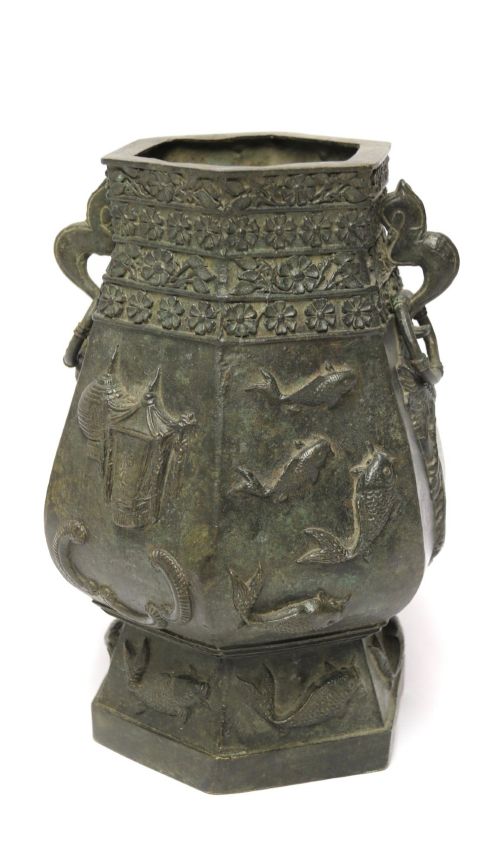
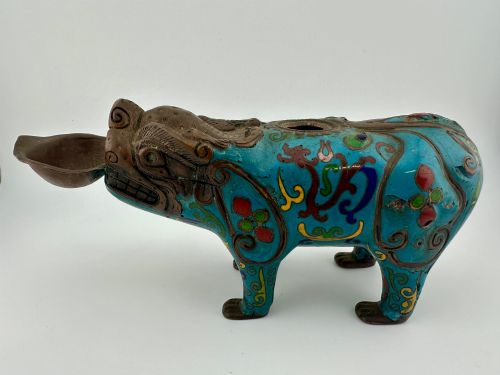
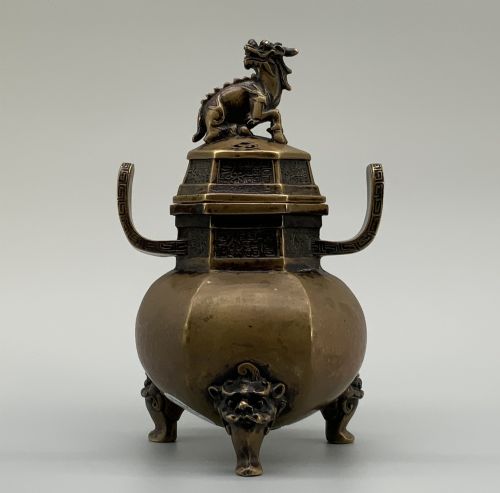
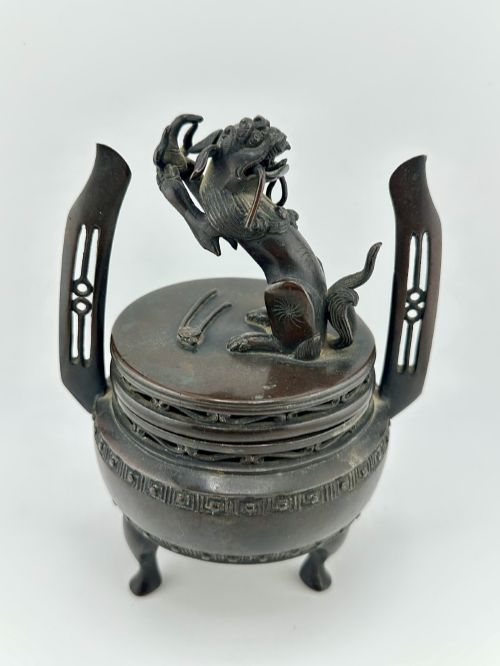
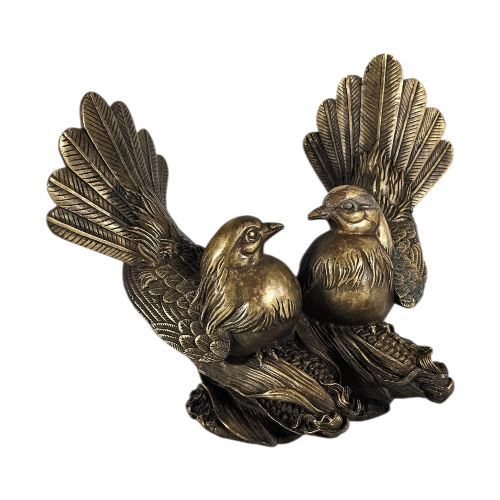
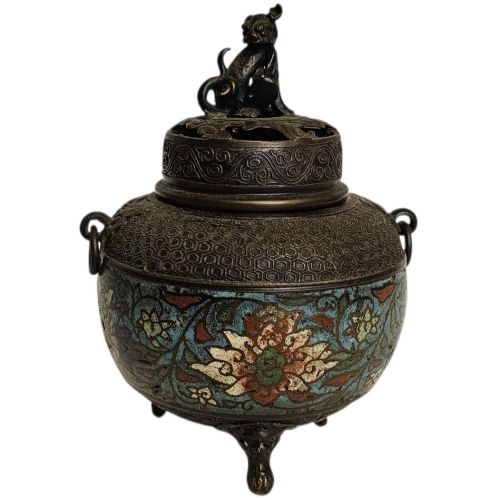
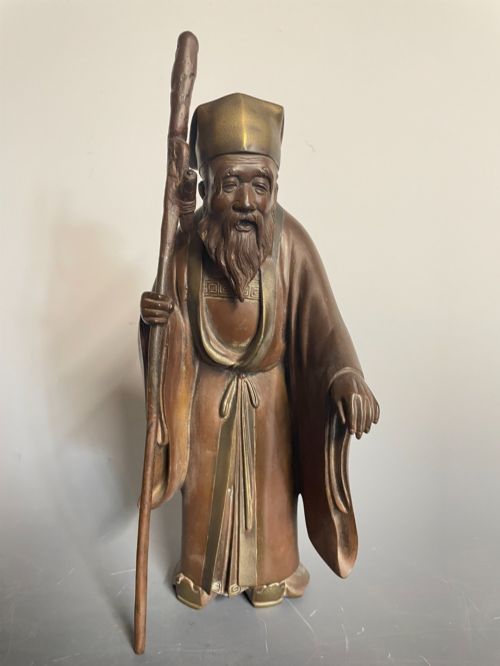
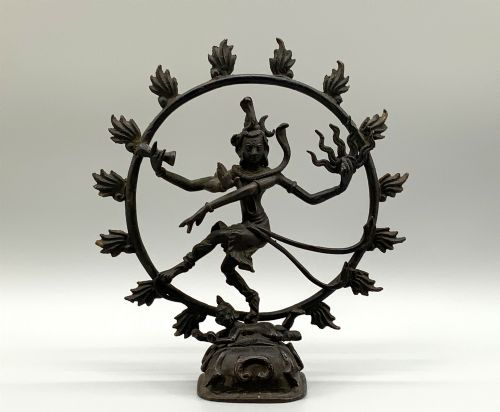
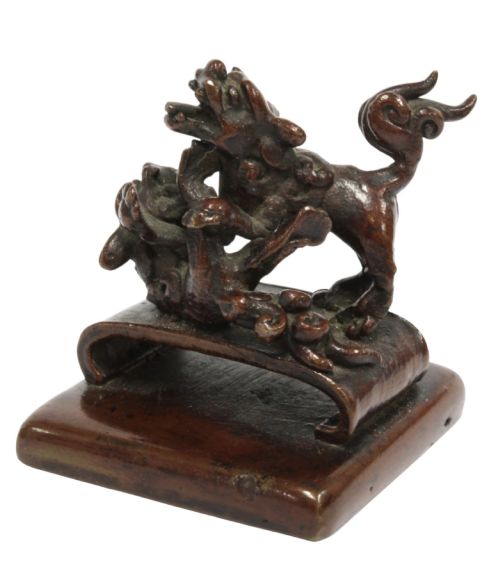
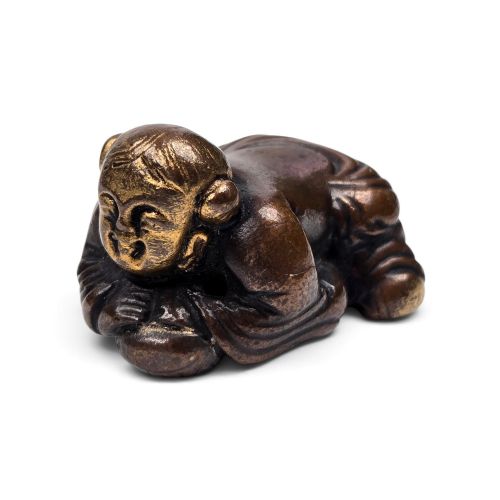
When searching for antique asian bronze, collectors encounter a diverse range of metalwork spanning multiple centuries and regions across Asia. The selection includes Buddhist figures, ritual vessels, and decorative animals originating from Japanese, Chinese, Tibetan, and Southeast Asian traditions.
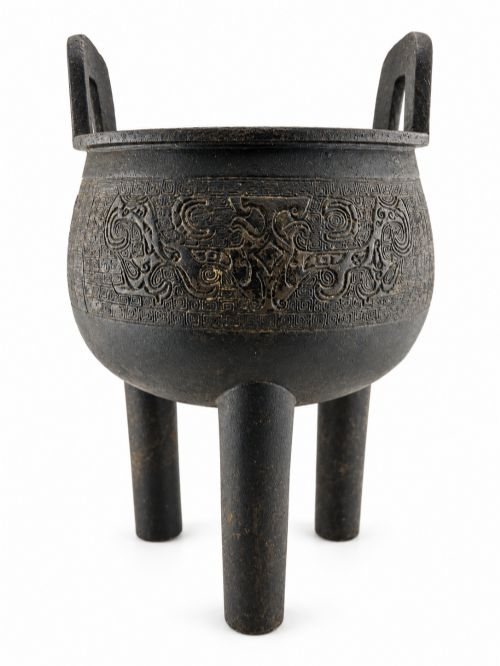
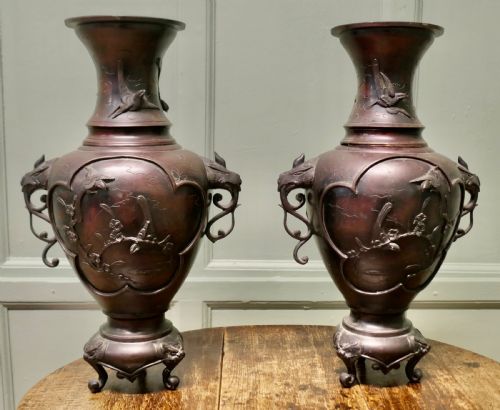
The pieces most frequently met on this page date from the seventeenth century through to the late nineteenth century. Forms vary from monumental temple statues and vases to miniature scholars' censers and animal sculptures.
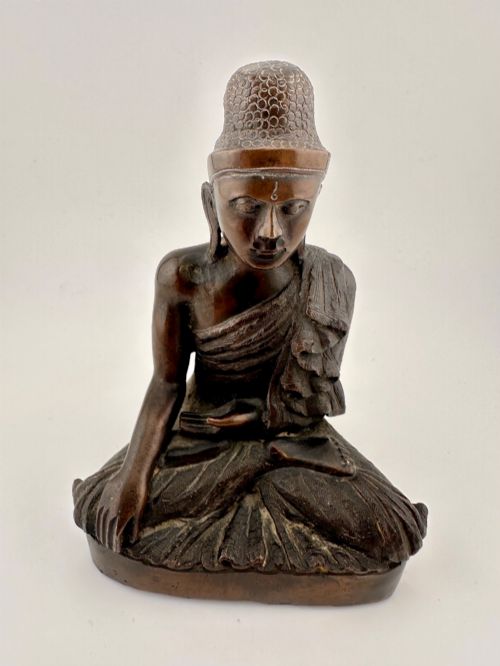
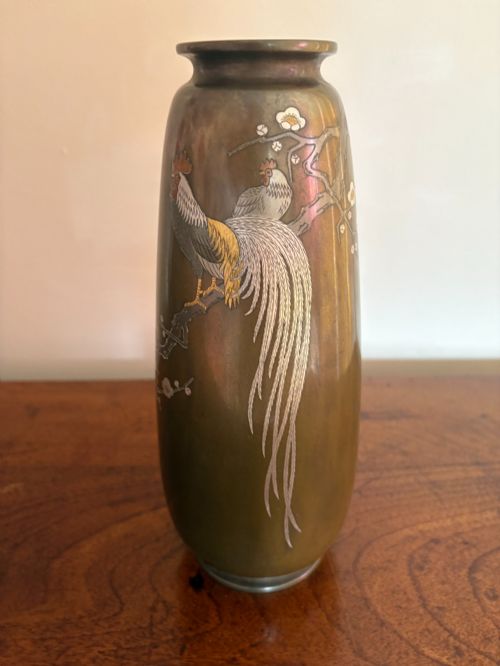
Geographic origins dictate the aesthetic vocabulary, shifting from the refined casting of the Japanese Meiji period to the spiritual solemnity of Sino-Tibetan and Ayutthaya bronzes. Each piece reflects the religious or domestic customs of its culture of origin.
How they were made
The objects are produced primarily using traditional casting techniques in bronze and copper alloy, sometimes enriched with gilding, silver, or pigment. Metals are poured into moulds, often employing lost-wax methods to achieve intricate surface details.
Surface treatments such as original old patination are preserved through careful handling over centuries. Additional materials like wood and bone occasionally appear as structural elements or mounting for the metal bodies.
Retail Price Guide 2026
Typical UK retail prices for asian bronze, calculated from the Sellingantiques database of over a million retail prices indexed since 2003. This retail price guide relies exclusively on Sellingantiques data; no external sources or auction records are used, so the figures do not describe the wider market.
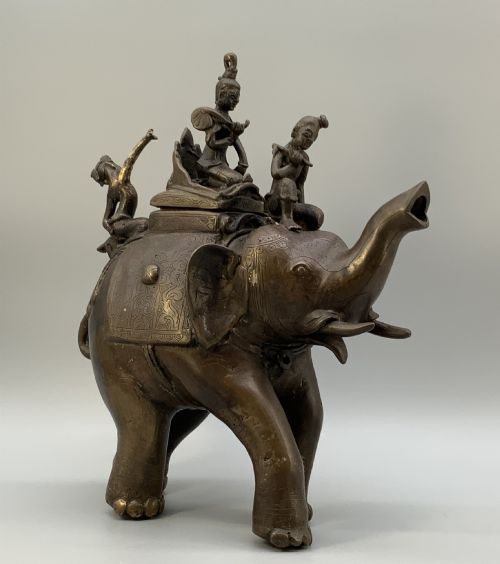
Several pieces choose the elephant as their subject, appearing as both monumental temple ornaments and tiny scholarly censers.
What varies in quality
The depth and preservation of the patination differentiate standard items from superior pieces. Original surfaces that have aged naturally without aggressive cleaning command greater appreciation among serious collectors.
The Antique Asian Bronze Glossary
- Patination
- The surface sheen and colour acquired by metal through age and environmental exposure. An undisturbed patina is valued for its authenticity.
- Alloy
- A metal made by combining two or more metallic elements, frequently used in these pieces alongside pure bronze. Copper alloy variations alter the colour and weight of the object.
- Censer
- A vessel used for burning incense, common in scholarly and religious contexts. These often take zoomorphic forms such as elephant heads.
- Meiji Period
- The era in Japanese history spanning from 1868 to 1912, known for highly decorative and technically accomplished metalwork.
- Bodhisattva
- An enlightened being who assists others, frequently depicted in Sino-Tibetan sculpture. These figures are typically rendered with ornate crowns and garments.
Frequently Asked Questions
How do I care for antique bronze?
Keep the metal away from direct moisture and extreme temperature fluctuations to protect the natural surface.
Dust gently with a soft, dry cloth rather than applying commercial metal polishes that strip the historic finish.
What is a scholar's censer?
Scholars utilised these small ritual vessels on their desks for burning incense during meditation or writing.
They often took artistic shapes, such as elephant heads, reflecting refined tastes of the period.
How do I identify a Meiji period bronze?
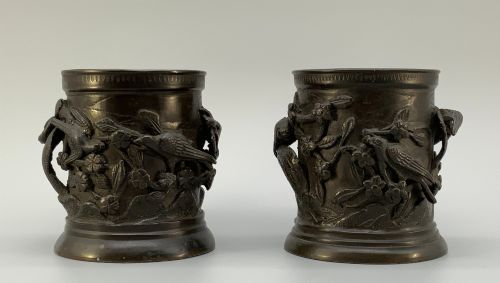
Japanese Meiji period works often feature naturalistic animal subjects or intricate floral vase forms.
The casting technique in these pieces displays exceptional precision and attention to surface texture.
What does copper alloy mean?
Copper alloy refers to a mixture where copper is the primary metal combined with elements like tin or zinc.
This composition was frequently utilised in older Southeast Asian sculpture to improve casting fluidity.