

Antique Art Glass
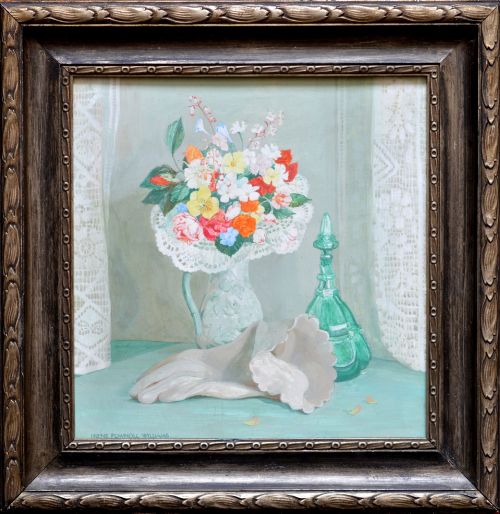
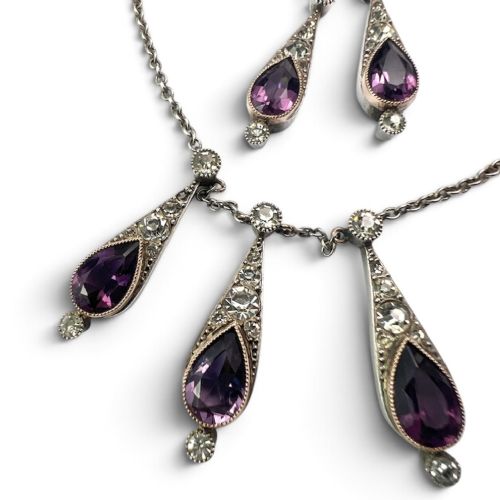
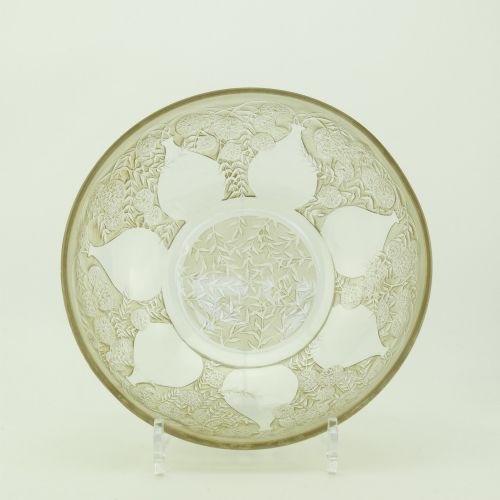
Antique art glass brings together vibrant coloured vessels, sculptural pendants and delicate shades shaped through decades of studio innovation and decorative change.
Antique Art Glass
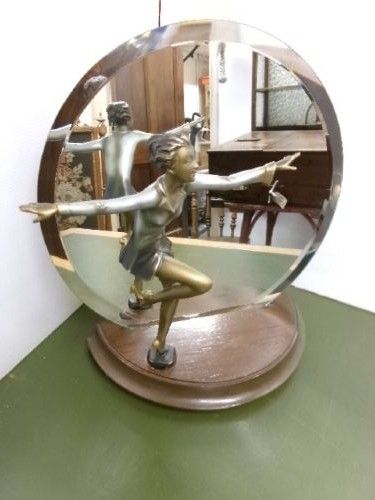
Collectors seeking antique art glass encounter varied forms ranging from delicate perfume bottles and epergnes to substantial ceiling pendants and sculptural table lamps. These pieces represent distinct design movements including the organic curves of the early twentieth century and the geometric lines of later decades.
The selections span standard functional wares alongside decorative items mounted in brass, bronze or silver fittings. Pieces commonly emerge from European and British makers, displaying techniques developed across the nineteenth and twentieth centuries.
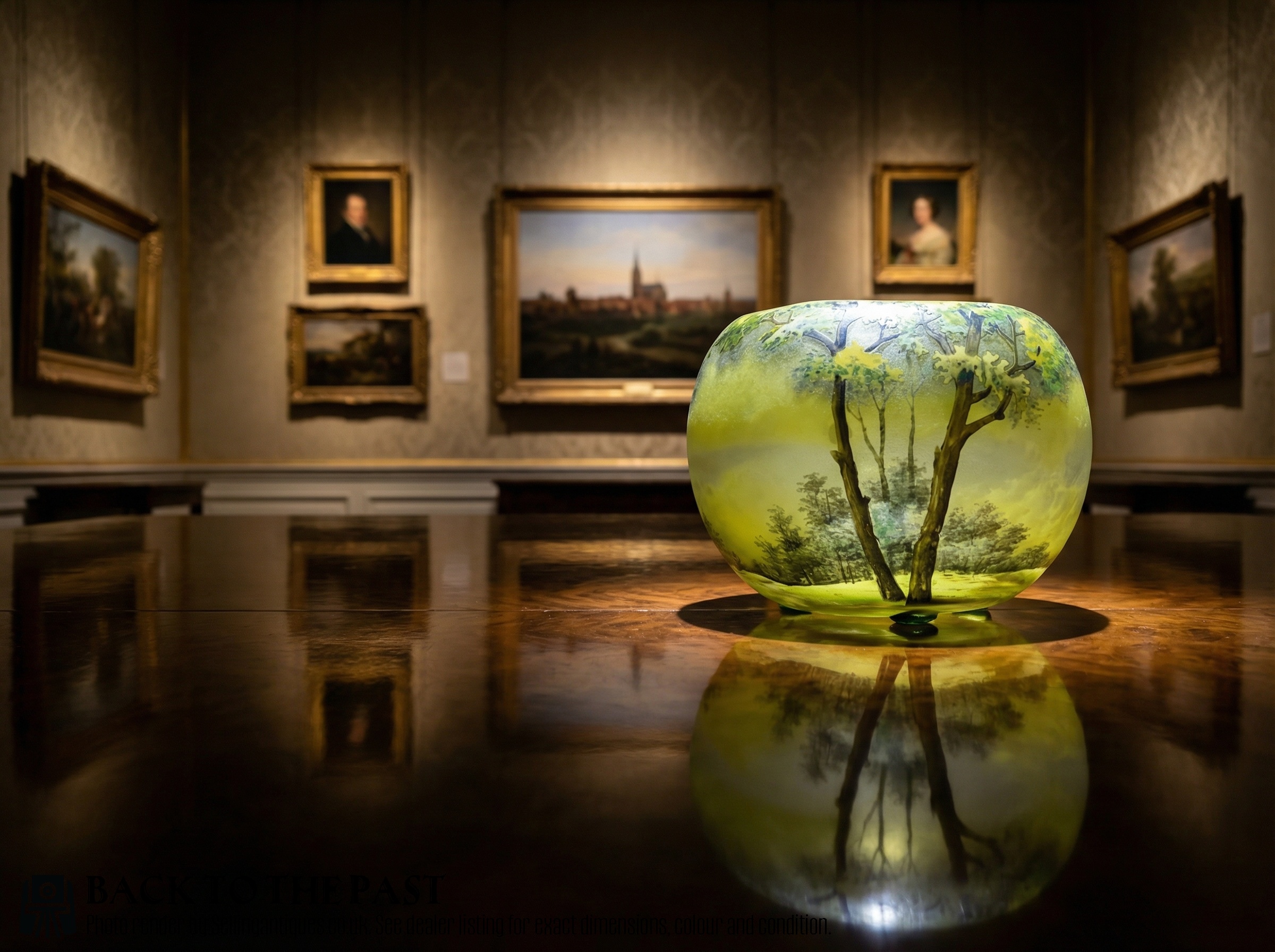
Manufacturing methods and materials
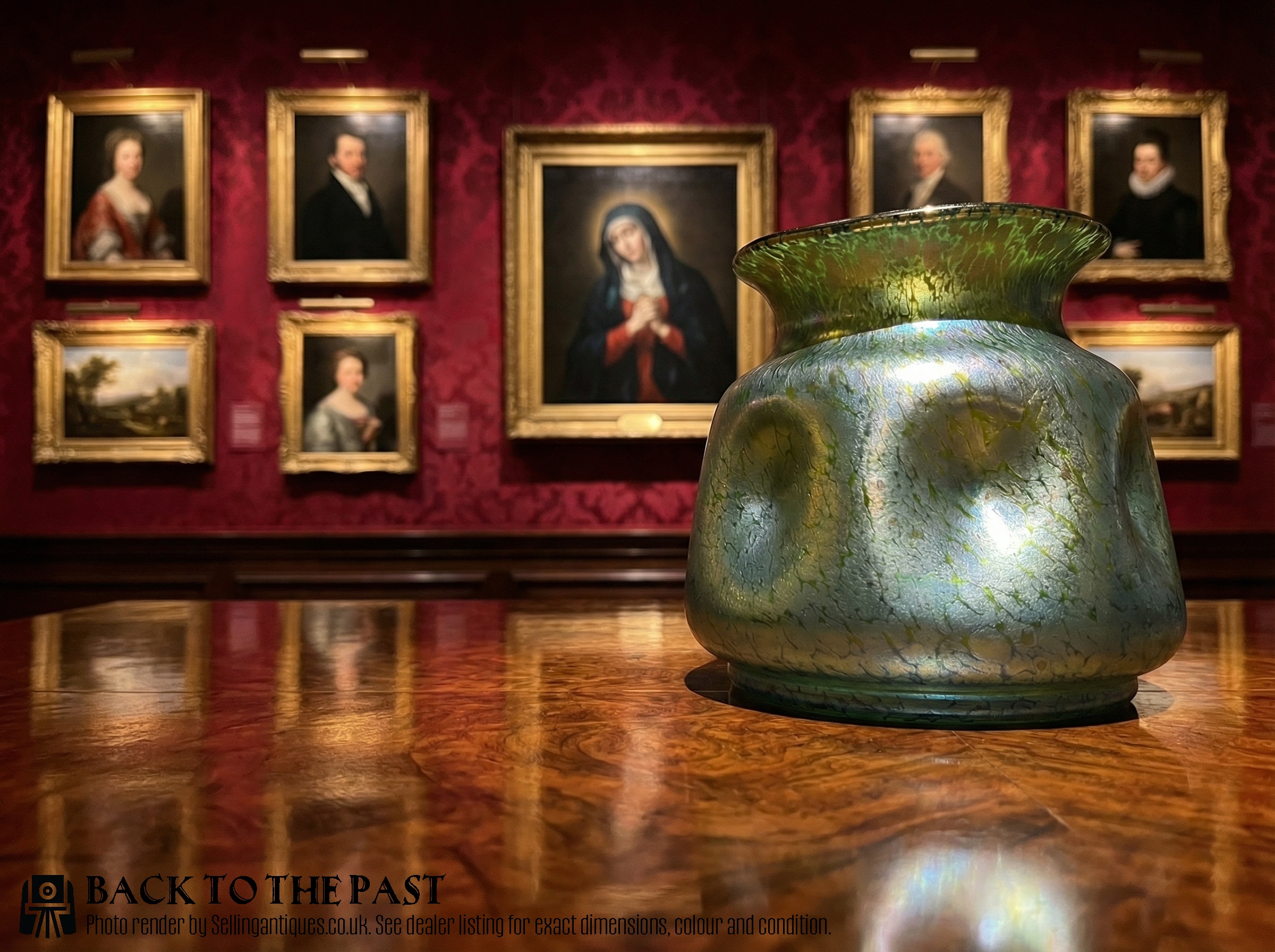
Glassmakers utilised specialised moulding, blowing and fusing techniques to achieve distinct coloration and texture within the material. Acid etching, casing layers of different coloured glass together, and incorporating metallic powders created depth and visual interest.
Many items combine glass components with metal mounts, utilising brass, bronze, silver or chrome frames to support shades, inkwells and lighting fixtures.
Antique Art Glass Retail Price Guide 2026
Typical asking prices for art glass among the pieces listed under this phrase on Sellingantiques today, from the lower quarter to the upper quarter. They describe what is for sale here now, not the wider market.
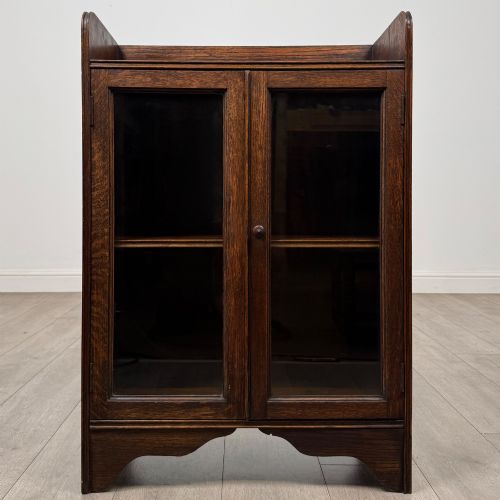
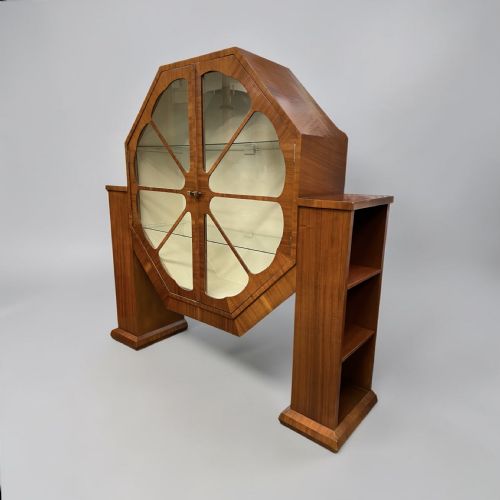
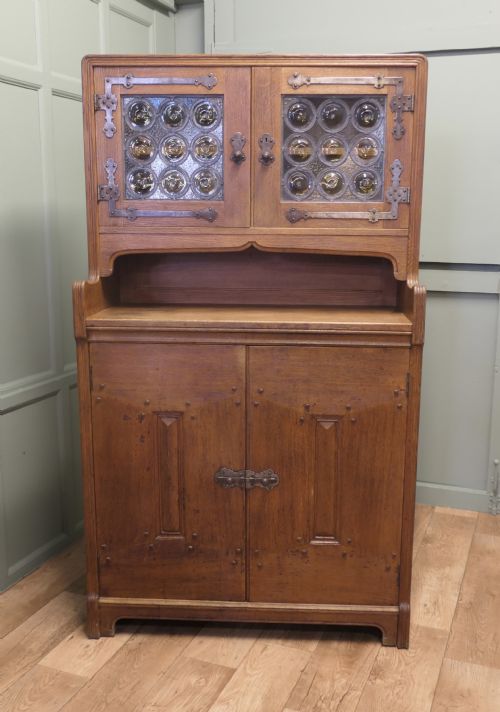
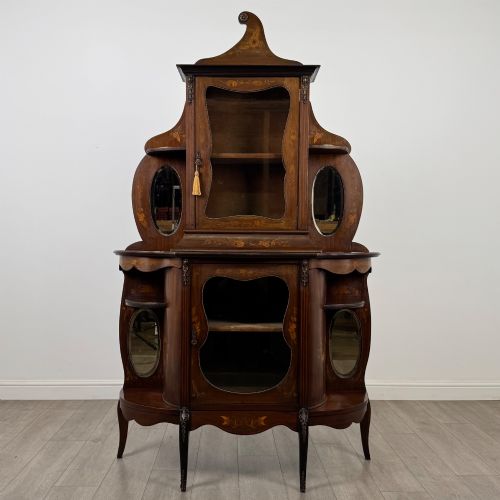
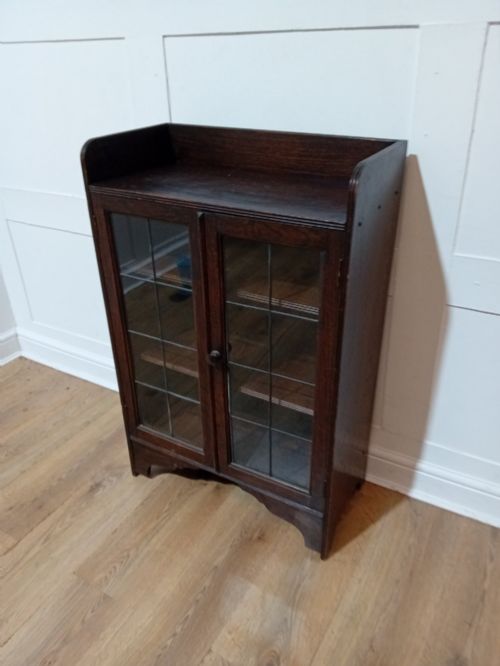
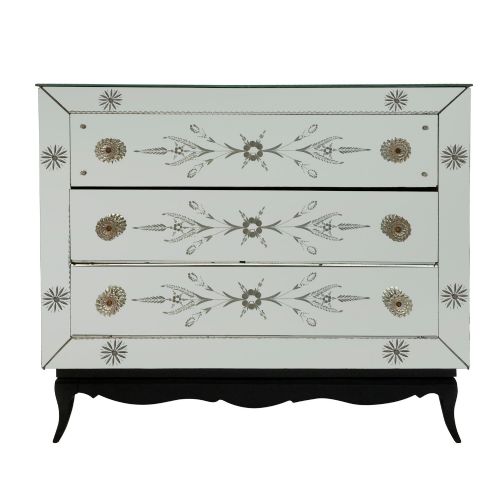
The inventory includes functional forms like lighting pendants, display cabinets, and dressing table jars alongside purely decorative sculptural vessels.
Assessing quality in glassware
Superior examples demonstrate precision in execution, showing even wall thickness, crisp mould lines where applicable, and careful control over internal bubbles or colour distribution. The integration of glass with metal mountings reveals the maker's overall standard of construction.
The clarity of the material and the sophistication of surface treatments distinguish finer productions from standard commercial wares. Original matching components and documented attribution further elevate specific pieces.
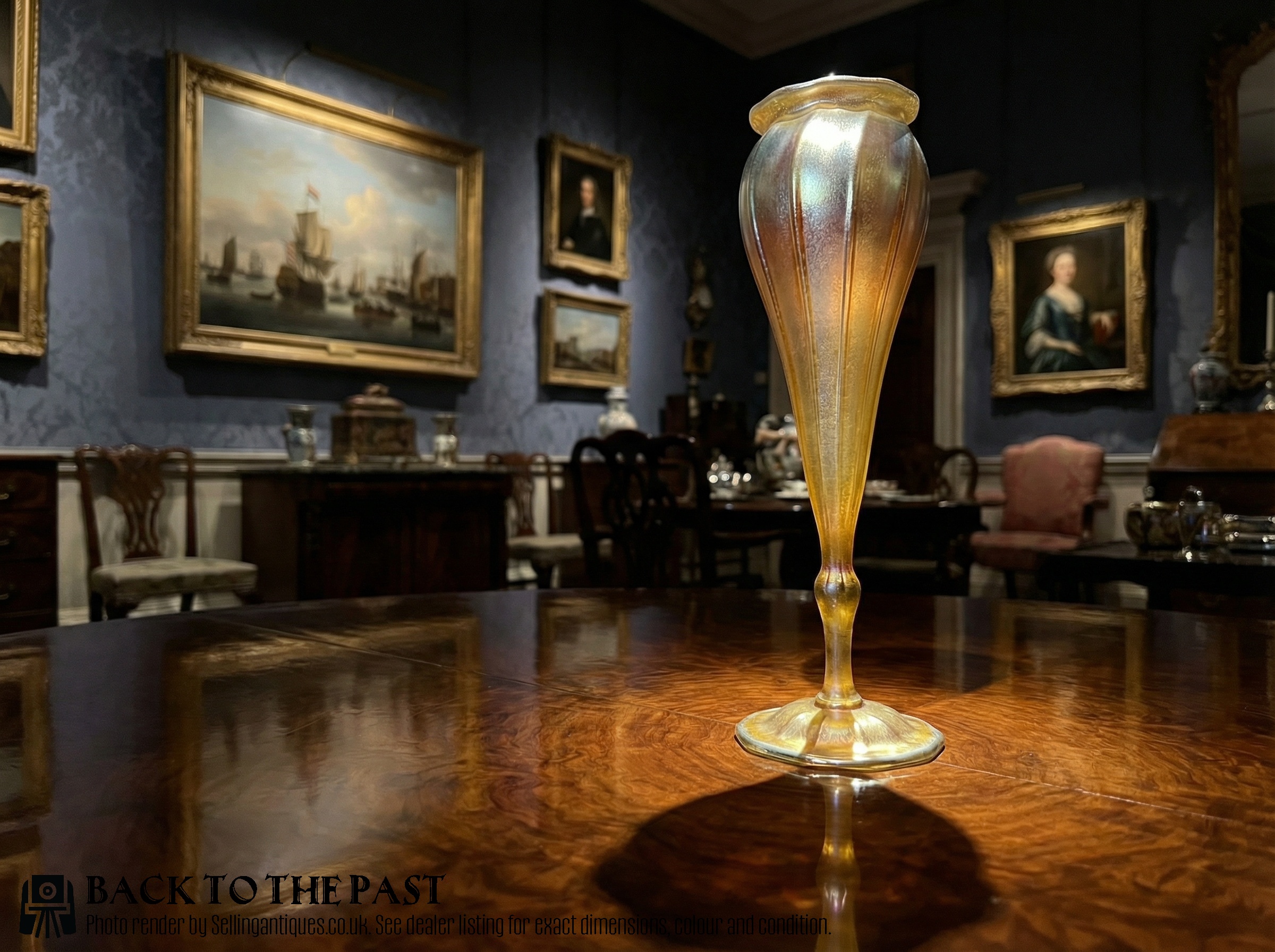
Rene Lalique·Fratelli Toso·Tiffany & Co·Émile-Jacques Ruhlmann·Argy Rousseau
The Antique Art Glass Glossary
- Pate de verre
- A glass-casting method where finely crushed glass is mixed with a binding agent, packed into a mould, and fused in a kiln. This produces a dense, slightly granular object with distinctive translucent qualities.
- Vaseline glass
- A type of glass containing uranium dioxide that exhibits a characteristic yellow-green fluorescence under ultraviolet light. It appeared widely in decorative tableware and lighting during the nineteenth and early twentieth centuries.
- Cased glass
- A vessel formed from multiple distinct layers of different coloured glass fused together while hot. Artisans often carved or etched through the outer layer to expose contrasting colours underneath.
- Epergne
- A tiered centrepiece featuring a central bowl surrounded by multiple detachable arms or vases designed for holding fruit or flowers. They frequently incorporate coloured or frosted glass components supported by metal frames.
- Guilloche
- An intricate decorative mechanical pattern engraved into metal beneath a translucent layer of enamel. This technique frequently appears on the silver lids and mounts of dressing table jars and perfume bottles.
Antique Art Glass: Frequently Asked Questions
How do I identify vaseline glass?
Vaseline glass displays a characteristic transparent yellow or greenish-yellow tint in natural light. When exposed to an ultraviolet light source, it emits a bright green glow due to the presence of uranium dioxide.
This distinct reaction helps separate genuine period pieces from later reproductions that lack the original chemical composition.
What is cased glass?
Cased glass consists of two or more distinct layers of glass fused together during the blowing process. Makers often combined contrasting colours, such as white over cranberry, to create depth.
Artisans could then cut away sections of the outer layer to reveal the contrasting colour beneath.
Are lamps wired for modern use?
Many lighting fixtures retain older wiring configurations or historical brass fittings that may require updating for modern electrical standards. Consulting a qualified professional ensures any rewiring preserves the structural integrity of the metal and glass components.
Original fittings and mounting hardware should be retained whenever possible to maintain historical authenticity.