
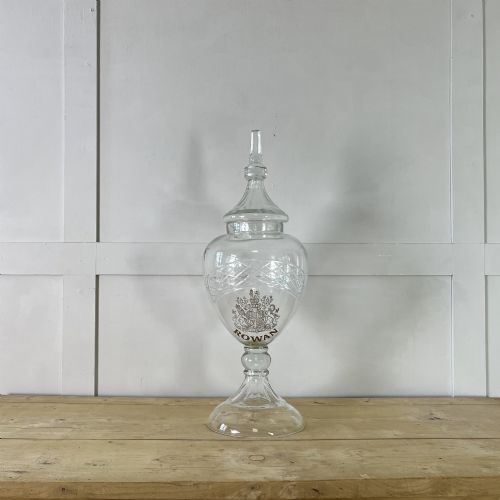


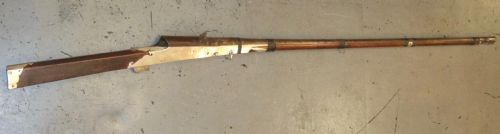
Antique Arms Display
These antique arms display pieces combine historical steel, wood, and brass to bring functional edged and fire weaponry directly into domestic interiors.
Antique Arms Display
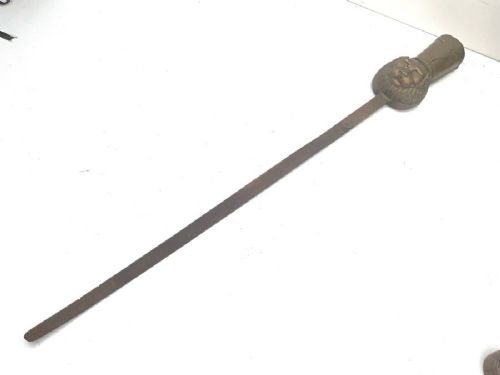
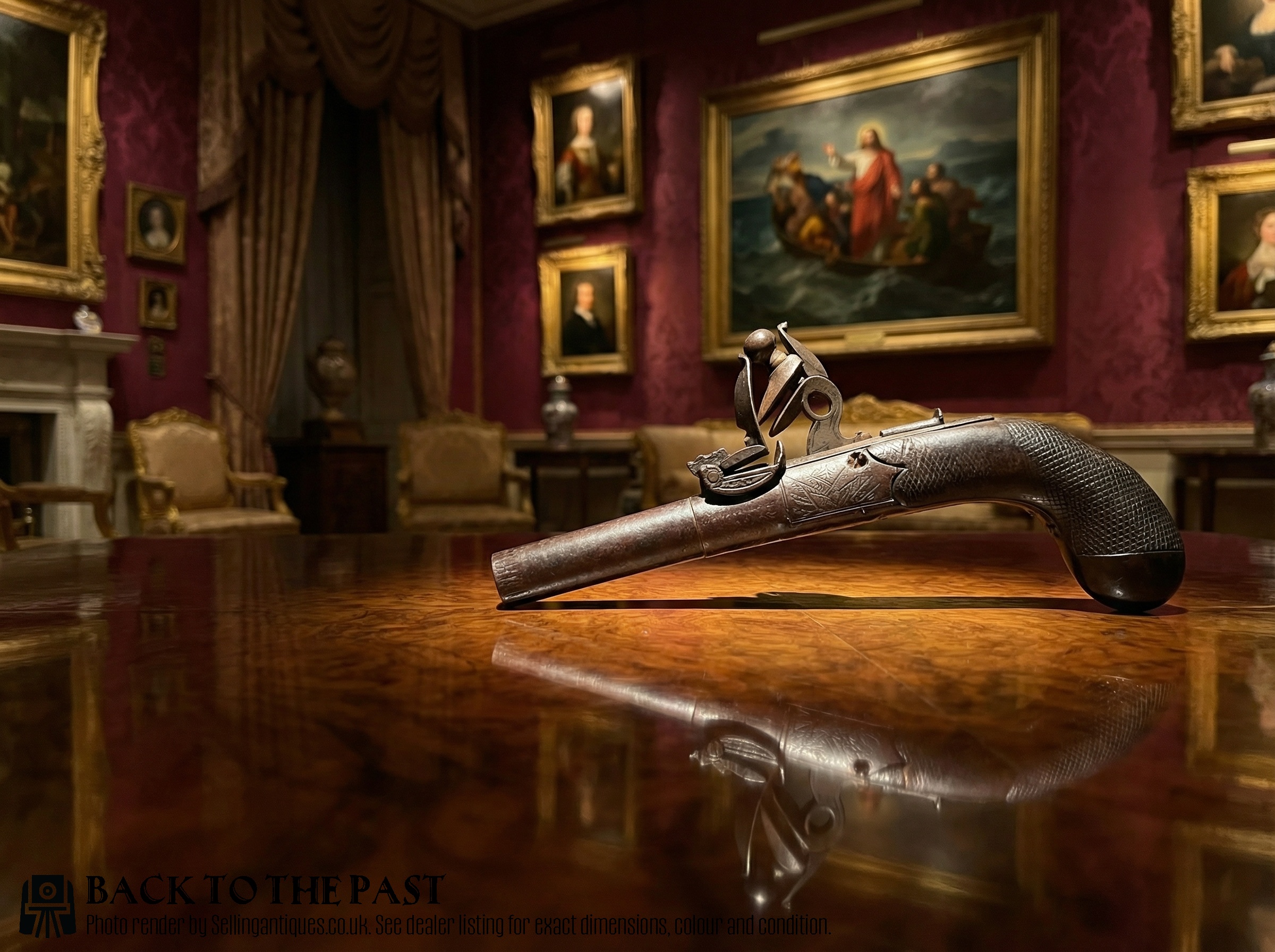
An antique arms display encompasses historical weaponry and specialised furniture designed to house martial items within domestic interiors. When searching for antique arms display, buyers encounter a mix of 18th-century matchlock muskets, flintlock pistols, blunderbusses, and Indo-Persian swords.
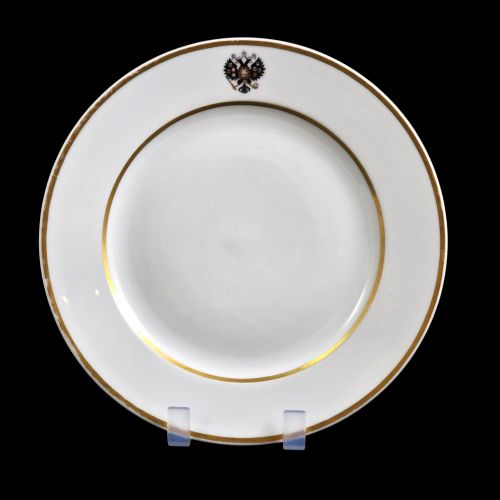
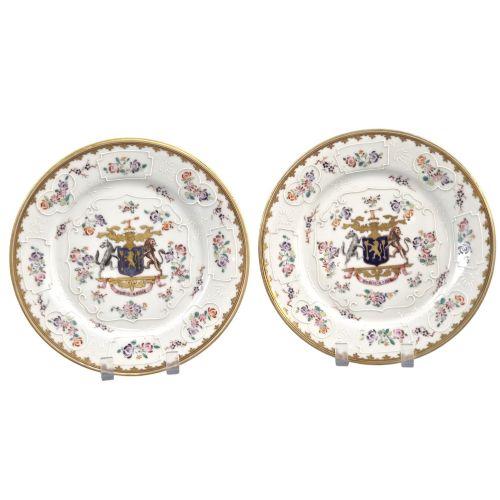
The objects span multiple periods, from the 1700s through the Victorian and Edwardian eras, reflecting both functional military use and later decorative presentation. Alongside actual weaponry, the selection includes related items such as armorial porcelain plates and side cabinets that often accompany collections of this nature.
Origin points range from British and French workshops to Ottoman and Indo-Persian centres of metalcraft. Buyers most frequently meet 19th-century interpretations alongside genuine 18th-century flintlock mechanisms.
Materials and construction
Makers utilised forged steel and iron for barrels, blades, and lockplates, combining these dense metals with shaped timber stocks such as walnut and mahogany. Silver inlay frequently decorates firearm mechanisms, adding contrast to the dark metal surfaces.
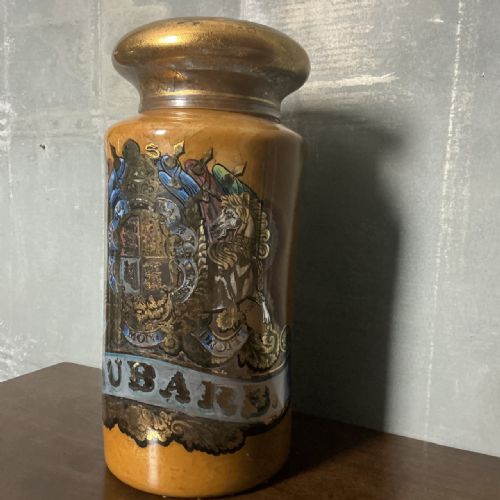
Display furniture incorporates traditional cabinet-making techniques in wood, while ceramic items like porcelain plates and apothecary jars employ glazed earthenware and hard-paste bodies. Brass fittings and gold leaf provide structural support and decorative accents across both weapons and cabinets.
Materials span forged steel, silver inlay, burr walnut, and glazed pottery across various 19th-century European and Asian origins.
Evaluating the pieces
Quality rests upon the crispness of metal engraving, the integrity of wood stocks, and the original working condition of firing mechanisms. Flintlock and matchlock arms retain higher standing when their internal springs and lock components function cleanly.
Decorative pieces depend on the precision of silver wire inlay and the preservation of hand-painted armorial details on porcelain plates. Furniture housing these items varies according to timber selection, such as burr walnut, and the finesse of joinery.
Edmé Samson & Cie·Samson Of Paris·Minton
The Antique Arms Display Glossary
- Flintlock
- An ignition mechanism for firearms that uses a flint striking a steel frizzen to create sparks for gunpowder ignition. This system dominated military and civilian arms throughout the 18th and early 19th centuries.
- Matchlock
- An early type of firearm ignition where a slow-burning match is lowered into a pan of priming powder by a lever. It represents one of the earliest mechanical firing systems for shoulder arms.
- Blunderbuss
- A muzzle-loading firearm with a flared barrel designed to scatter shot at close range. It appears frequently in maritime and coaching contexts.
- Armorial
- Bearing a coat of arms or heraldic insignia. This term describes decorative porcelain plates and vessels commissioned by titled families.
- Toradar
- A traditional South Asian matchlock musket characterised by a straight stock and extensive binding. These pieces originate from Indian workshops.
Antique Arms Display: Frequently Asked Questions
How do I display a flintlock pistol safely?
Mount the piece securely on a dedicated wooden backboard or place it inside a glazed cabinet to protect the metal and wood components from environmental moisture.
Ensure the area lacks direct sunlight to prevent the timber stock from drying and cracking over time.
Are these antique matchlock muskets still operational?
Most historical firearms on the market serve as decorative or study objects rather than live-firing weapons. Proper conservation typically renders them inert for safety.
Consult a specialist firearms conservator if you require specific mechanical assessments of lockplates and triggers.
What is the difference between flintlock and matchlock?
Flintlock mechanisms utilise a piece of flint striking steel to generate sparks for the powder charge. This system replaced the earlier matchlock design.
Matchlock mechanisms rely on a burning cord held in a serpentine arm that drops into the priming pan when the trigger is pulled.
How do I clean steel and brass parts?
Apply a microcrystalline wax to steel components to inhibit rust without altering the historical patina. Avoid abrasive metal polishes that remove original surface finish.
Dust wooden stocks gently with a dry, soft cloth and keep them away from rapid temperature shifts.