


Antique Armorial Wall Crest
An antique armorial wall crest carries family identity and heraldic history into your room, combining carved wood, metal, or painted ceramics.
Antique Armorial Wall Crest
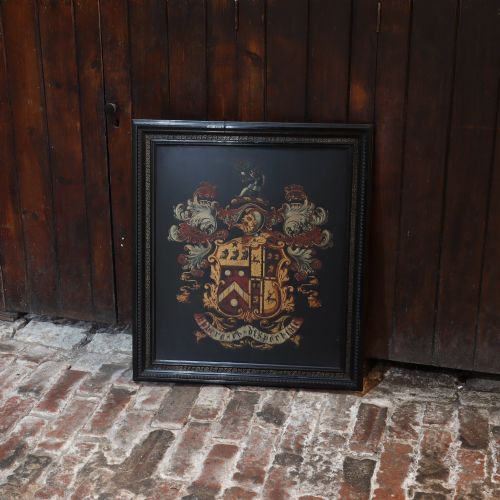
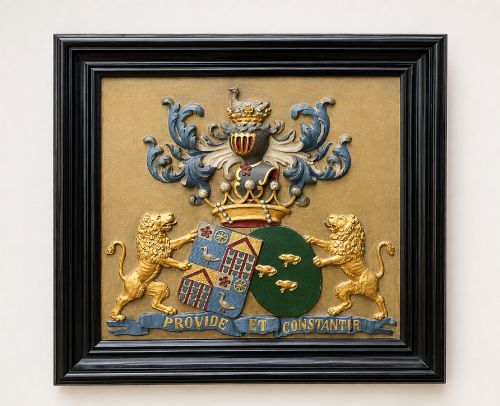
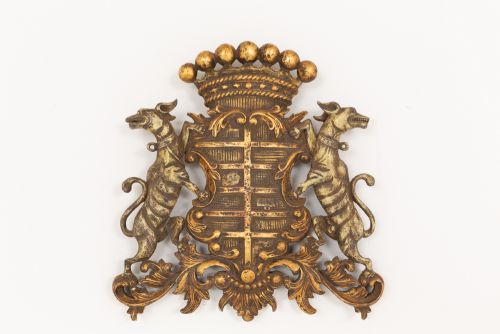
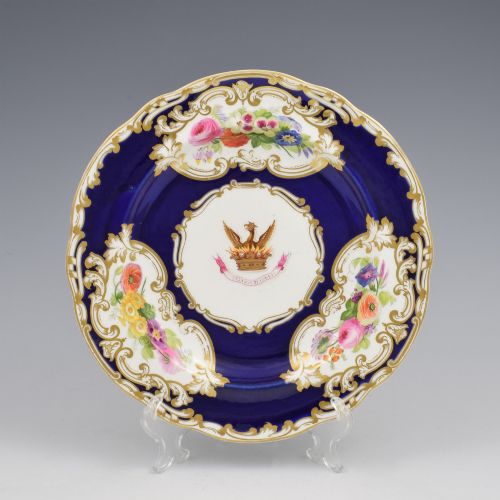
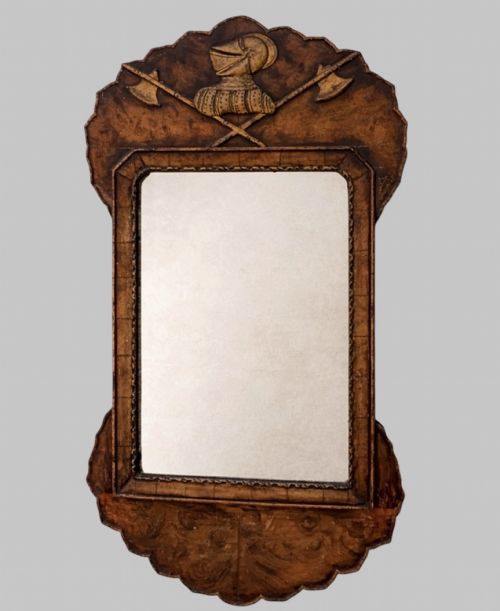
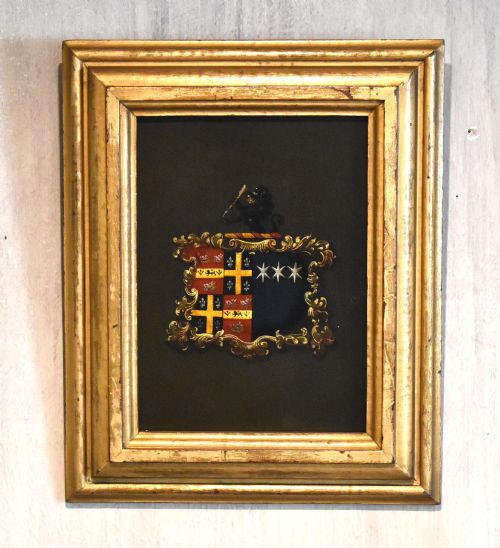
When you search for an antique armorial wall crest, you encounter heraldic plaques, shields, carved panels, and decorative plates that display specific family or royal coats of arms. These pieces serve as striking wall art and historical markers originating from various periods.
The selection ranges from grand Victorian cast iron royal displays and carved hardwood shields to Dutch marriage plaques and porcelain plates bearing familial crests. You will frequently find works utilising oak, walnut, bronze, and painted plaster.
Originating across the eighteenth, nineteenth, and early twentieth centuries, these items reflect the enduring British and European fascination with heraldry. Each wall plaque or framed artwork offers a distinct visual record of lineage and decorative craft.
Materials and construction techniques
Carvers shaped solid woods like oak, walnut, and unspecified hardwoods into three-dimensional shields and panels, often applying gold leaf and paint to highlight the heraldic charges. This woodwork combines structural joinery with intricate relief carving.
Foundries produced heavy architectural pieces in cast iron and bronze, capturing sharp details for royal and institutional coats of arms. Potters and porcelain manufacturers utilised glazed ceramics for plates and chargers, integrating transfer-printed or hand-painted armorial designs.
Listings feature oak, walnut, cast iron, bronze, and painted plaster across eighteenth, nineteenth, and twentieth-century periods.
Factors determining the quality of an armorial crest
The depth and precision of the carving or casting dictate the visual impact of an armorial crest. Master craftsmen achieved sharp, anatomically convincing figures in wood, metal, or stone, whereas lesser examples rely on soft definition and simpler surface treatment.
The integrity of the original polychrome paint, gilding, and surface finish distinguishes superior survivals. Pieces retaining their early or original coloration without heavy modern intervention hold greater visual and historical coherence.
James Spackman·Copeland·Lawrence Dyer
The Antique Armorial Wall Crest Glossary
- Coat of arms
- A distinct heraldic design originally displayed upon a surcoat or shield. This arrangement serves to identify a specific family, individual, or corporate body.
- Crest
- The specific device situated upon the topmost part of a helmet in full heraldic achievements. Often displayed independently on wall plaques and household items.
- Charger
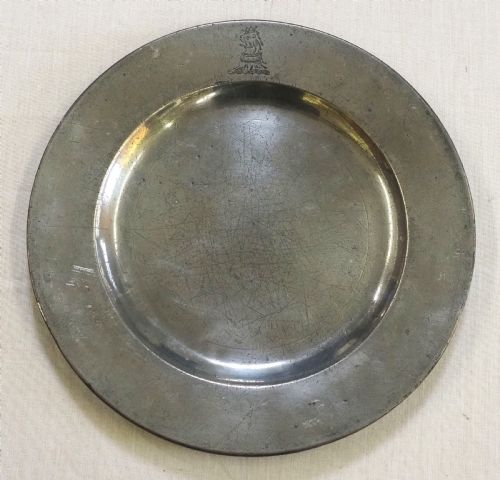
- A large broad-rimmed metal or ceramic plate used historically for serving food or as a display piece. These items frequently bear engraved or painted family crests.
- Polychrome
- Decorated in multiple colours. This technique brings heraldic achievements to life on wood, plaster, and carved stone panels.
- Gilt
- Covered thinly with gold leaf or gold paint. This finish catches the light and emphasises the elevated status of the armorial display.
Antique Armorial Wall Crest: Frequently Asked Questions
How were antique armorial crests displayed?
These pieces functioned primarily as interior wall decoration, mounted within grand halls, libraries, and dining rooms to signal lineage and allegiance.
Heavier examples in cast iron and stone often appeared on exterior architectural facades or public buildings before entering the domestic market.
What materials are most common for wall crests?
Wood forms a major category, with carved oak, walnut, and hardwood panels frequently encountered across British and European examples.
Metal versions utilise cast iron, bronze, and pewter, while ceramic examples appear as glazed porcelain plates and earthenware chargers.
How do I date an antique armorial crest?
Dating relies upon stylistic markers of the frame, the casting technique, and the specific material characteristics of the wood or metal.
Inscribed dates, recorded family histories, and specific manufacturer marks on the reverse or rim also help narrow the period of creation.
Can I hang a heavy cast iron crest on a normal wall?
Cast iron and monumental metal crests possess substantial weight requiring professional wall anchors and stud support.
Lighter wooden panels and ceramic plates require appropriate picture wire and sturdy fixings suited to their specific poundage.