


Carved Heraldic Wall Plaque
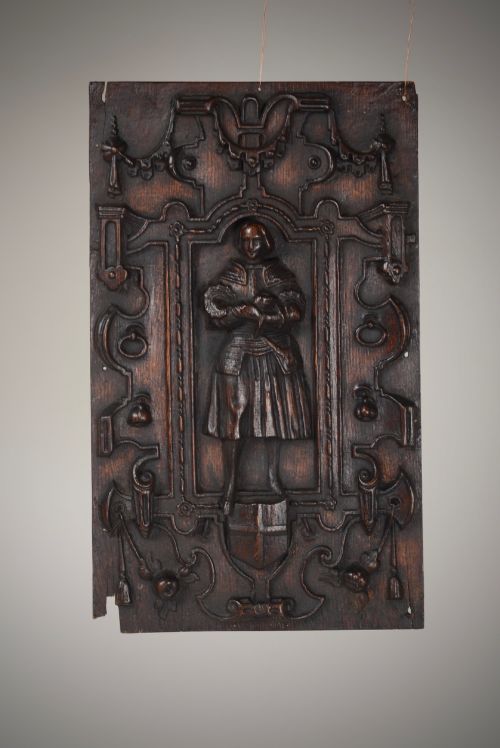
A carved heraldic wall plaque brings centuries of armorial design and rich woodcarving into a room, offering an immediate focal point of family lineage and heraldic art.
Carved Heraldic Wall Plaque
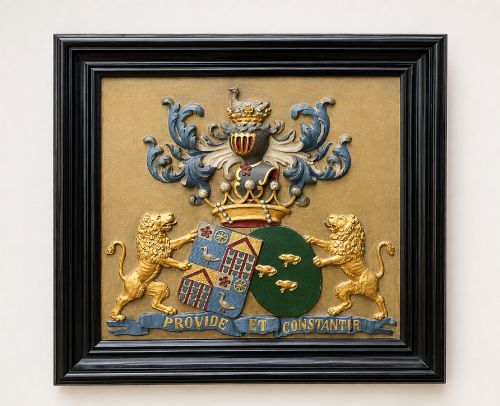
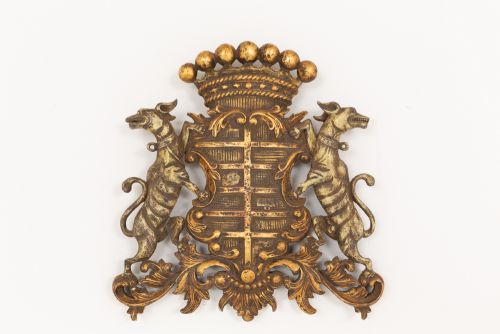
When you search for a carved heraldic wall plaque, you are looking at solid wood panels, armorial shields, and cartouches displaying coats of arms, family crests, and historical emblems. These decorative objects range from seventeenth-century panels and eighteenth-century painted carvings to nineteenth-century Gothic Revival and Victorian interpretations.
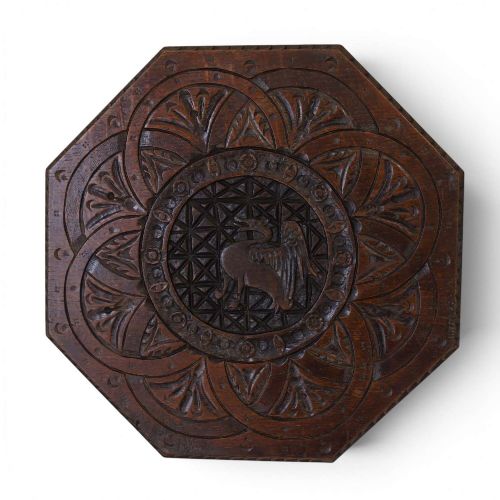
You are most likely to meet nineteenth-century examples on this page, often executed in oak or walnut, alongside pieces spanning the seventeenth to early twentieth centuries. Forms vary from traditional shield plaques and marriage panels to converted tabletops and book covers set into frames.
Originating as symbols of status, lineage, and institutional identity, these wall sculptures frequently incorporate specific family crests such as the Seton family, or historic designs associated with figures like Colonel Sir Edward Massey. Their presence in a modern interior connects domestic decoration directly with centuries of armorial tradition.
Materials and Construction
Carved heraldic wall plaques rely primarily on dense hardwoods, with oak, walnut, and fruitwood providing a stable base for deep, sculptural relief work. Craftsmen often utilised gesso and gold leaf to highlight specific elements of the coat of arms.
Surface finish is integral to the construction, frequently featuring polychrome pigment, paint, or gilt applied over carved wood to distinguish the various quarters and charges of the armorial design.
Recorded styles on this page range from Baroque and Gothic Revival to nineteenth-century Dutch and Victorian Colonial.
Assessing Quality and Detail
Quality in these pieces rests upon the crispness and depth of the woodcarving, where the distinction between a competent workshop piece and a finer sculptural panel is immediately visible in the undercut details of the foliage, shields, and animal figures. The handling of proportions and the fidelity of the heraldic elements dictate the artistic success of the carving.
The integrity of the surface materials also separates examples, particularly how well original paint, gold leaf, or polychrome pigment has survived alongside the natural grain and patination of the oak or hardwood base.
The Carved Heraldic Wall Plaque Glossary
- Armorial
- Relating to heraldry or a coat of arms. Armorial plaques display specific heraldic bearings belonging to a family or institution.
- Cartouche
- An oval or oblong sculptural frame or tablet, often with ornamental scrollwork, used to house an emblem or inscription. They frequently appear on nineteenth-century plaques.
- Gesso
- A plaster-like mixture applied to wood as a base for paint or gilding. It provides a smooth ground for delicate surface ornamentation.
- Polychrome
- Painted or decorated in several colours. Polychrome pigment brings realistic or heraldically accurate coloration to carved wooden coats of arms.
- Gothic Revival
- An architectural and decorative style drawing inspiration from medieval forms. Pieces in this style often feature pointed arches, tracery, and heavy oak construction.
Carved Heraldic Wall Plaque: Frequently Asked Questions
What is a carved heraldic wall plaque?
It is a decorative wooden panel, shield, or cartouche carved with a coat of arms, family crest, or armorial bearings designed to be hung on a wall.
These pieces served historically as markers of family lineage, institutional allegiance, or significant alliances such as marriages.
How were these plaques originally displayed?
They were typically mounted in the great halls, libraries, or dining rooms of substantial houses and civic buildings to display ancestry and status.
Today, they function well as standalone wall sculptures in studies, hallways, or living rooms where their sculptural relief can be appreciated.
How do I date a wooden armorial plaque?
Dating relies on stylistic clues, the type of wood used, and construction methods, moving from seventeenth-century deep panel carving to nineteenth-century Gothic Revival and Victorian interpretations.
Specific dates, inscriptions, or identifiable family crests referenced in the titles also provide a clear chronological anchor.
What woods are commonly found in these plaques?
Oak is the predominant wood used across centuries, valued for its durability and traditional association with British and European furniture making.
Other materials include walnut, fruitwood, and mixed hardwoods, frequently enhanced with gesso, paint, or gold leaf.