



18th Century Coat of Arms
An 18th century coat of arms brings heraldic authority and vibrant hand-painted detail into a room, capturing centuries of lineage in porcelain, wood, and glass.
18th Century Coat of Arms
When you search for an 18th century coat of arms, you encounter a remarkably diverse array of objects bearing heraldic devices, ranging from household serveware to architectural elements. These pieces serve as tangible links to past families, institutions, and civic bodies, recording lineages through symbolic imagery and tinctures.
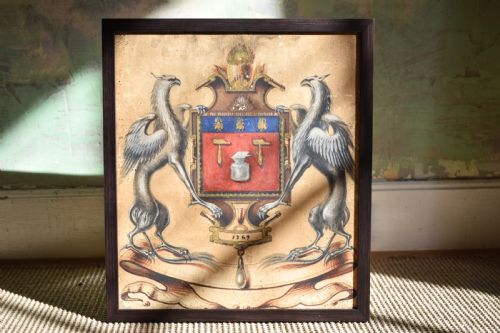
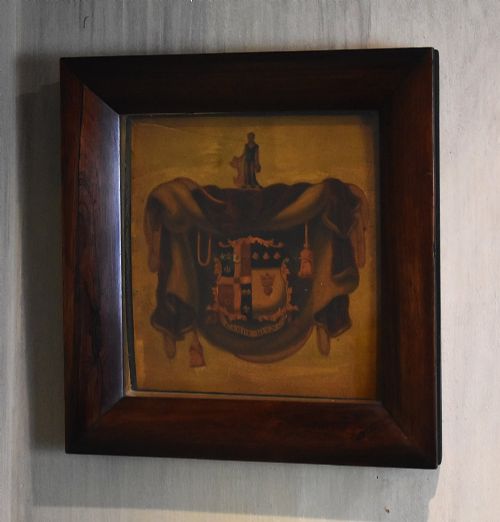
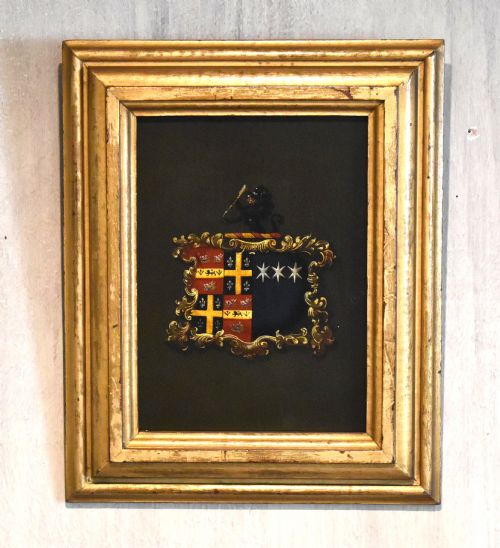
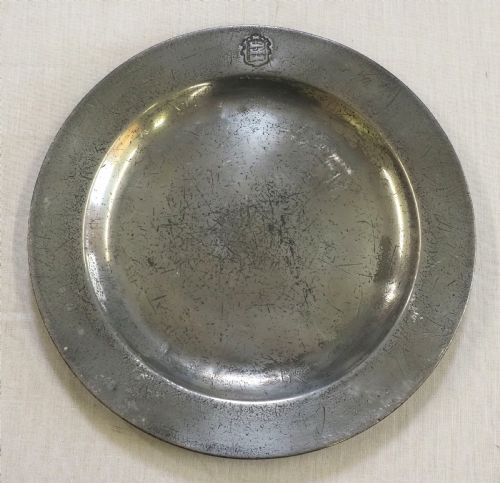
The versions you are most likely to meet on this page span the Georgian era, with strong representations of Chinese Export porcelain alongside British craftsmanship. These encompass decorative plates, framed wall art, coaching panels, and leather fire buckets, each displaying specific armorial bearings.
Originating primarily from the 18th century, 1750, and the Regency period, these items reflect the artistic preferences of their eras. Chinese export porcelain pieces often feature intricate armorial services made for European families, while British works utilise wood, glass, and pewter to display domestic heraldry.
Distinguishing Quality in Armorial Antiques
The standard of an armorial piece is determined by the precision of the heraldic painting and the crispness of any carved or moulded details. Superior examples exhibit finely rendered charges and tinctures that align precisely with historical armorial rolls.
Material selection and the preservation of the original painted or glazed surface heavily influence the distinction between standard items and exceptional ones. Pieces that retain their original polychrome pigments and undisturbed surfaces command greater appreciation among collectors.
18th Century Coat of Arms Retail Price Guide 2026
Typical asking prices for 18th century coat of arms among the pieces listed under this phrase on Sellingantiques today, from the lower quarter to the upper quarter. They describe what is for sale here now, not the wider market.
Even fire buckets needed a noble crest, ensuring that if your house burned down, your bucket looked terribly distinguished while doing it.
Wood And Michell
The 18th Century Coat of Arms Glossary
- Armorial
- Relating to or bearing a coat of arms or heraldic insignia. These designs were frequently commissioned by prominent families to display their ancestry.
- Famille Rose
- A major palette of Chinese ceramic enamels introduced in the 18th century, distinguished by opaque pink or purple colours. This technique allowed for subtle gradations of tone on export porcelain.
- Coach panel
- A wooden or metal section of a horse-drawn carriage painted with a family crest or coat of arms. These panels were often removed and framed as decorative wall art.
- Qianlong period
- The era of Chinese history spanning the reign of the Qianlong Emperor, associated with high-quality porcelain production. Export wares from this time often incorporated specific European armorial commissions.
18th Century Coat of Arms: Frequently Asked Questions
What is an armorial porcelain plate?
An armorial porcelain plate is a ceramic dish decorated with a specific family coat of arms, usually commissioned in China for European export during the 18th century. These services allowed noble families to display their lineage on the dining table.
The painting on these plates adheres to strict heraldic rules regarding colour and symbol placement. They remain sought after for their historical association and intricate enamel work.
How were coach panels used?
Coach panels were wooden or metal sections of private carriages that displayed the owner's coat of arms as a symbol of status during transit. When the carriages were retired or broken up, these painted panels were often salvaged.
Today, these panels survive as framed wall art or decorative elements. They provide a direct visual record of Georgian and Regency travel and social display.
How do I identify a Qianlong period piece?
Qianlong period pieces are identified by their specific ceramic body and the use of famille rose enamels, which feature distinct pink and opaque colour palettes. These items often display European armorial designs painted by Chinese artisans working to order.
Examining the foot ring, glaze texture, and painting style helps distinguish these 18th-century exports from later imitations. The precision of the heraldic detail is a reliable indicator of period authenticity.
Where were leather fire buckets displayed?
Leather fire buckets were practical items kept in grand 18th-century households to combat domestic blazes, typically painted with the owner's coat of arms to prevent theft. Servants filled them with water and passed them along a line during emergencies.
Once leather fire protection became obsolete, these sturdy containers were retained as decorative hallway accessories. Their hand-painted armorials have preserved remarkably well over the centuries.