


Antique Polychrome Wall Sculpture
These antique polychrome wall sculpture pieces bring carved timber and historic pigment into domestic rooms.
Antique Polychrome Wall Sculpture
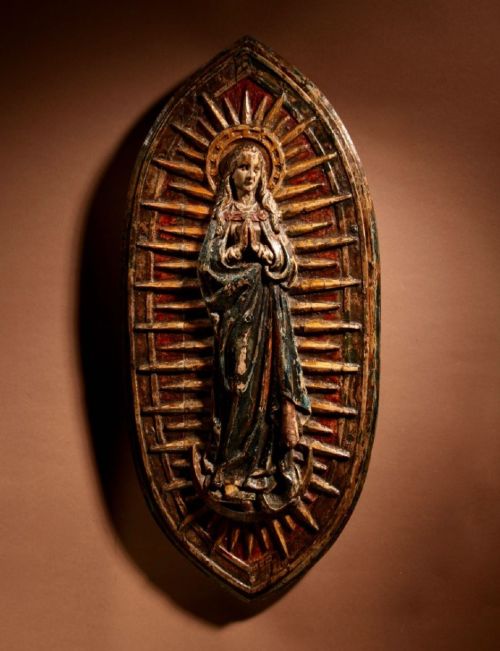
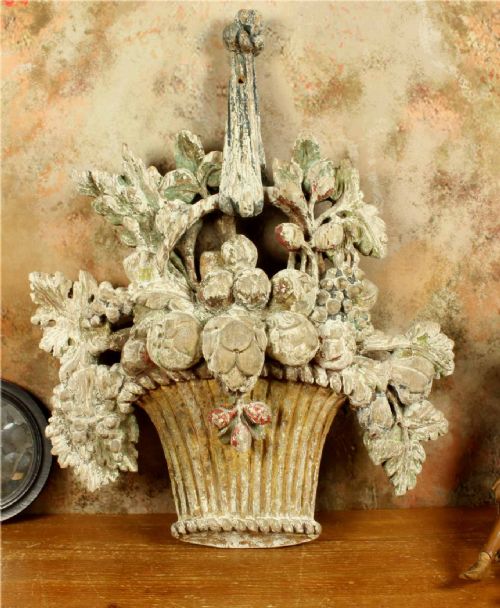
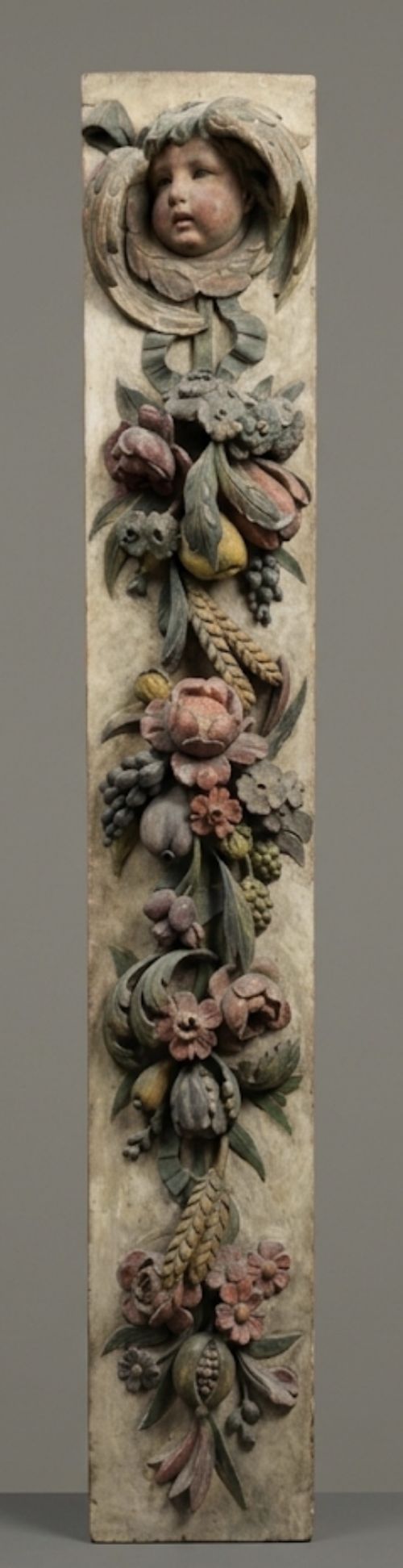
When you search for antique polychrome wall sculpture, you encounter carved timber panels, figures and reliefs finished in historic pigments, gesso and gold leaf. These works span centuries of handcrafting, ranging from religious altarpiece fragments to folk art plaques and tribal masks.
You are most likely to meet 19th-century interpretations alongside 18th-century pieces, featuring subjects such as angels, floral baskets and royal crests. The selection also includes earlier 16th-century ecclesiastical panels and mid-century jigsaw woodwork reliefs.
The objects function primarily as architectural ornaments or devotional pieces intended for hanging. Their diverse origins encompass European folk traditions, religious workshops and West African tribal carving.
How They Were Made
The makers formed these pieces chiefly from carved wood, utilising oak and other solid timbers as the structural base for each relief or figure. Artisans then applied gesso as a smooth foundation layer to prepare the wooden surface for subsequent decoration.
Applied paint, polychrome decoration and gold leaf completed the surface, bringing depth and colour to the carved details. This combination of hand carving and layered pigment defined the visual character of each wall sculpture.
The documented periods range from the 16th century through to the 1940s.
What Varies In Quality
The integrity and survival of the original polychrome paint and gesso layer dictates much of the visual impact. Pieces retaining their early or original pigments command greater attention than those stripped or heavily overpainted in later centuries.
The Antique Polychrome Wall Sculpture Glossary
- Polychrome Paint
- Pigments applied in multiple colours to decorate the surface of a carved wooden sculpture. This finish often ages to develop a characteristic crackled patina.
- Gesso
- A plaster mixture applied to wood as a smooth base for painting and gilding. It provides a stable foundation for delicate surface detailing.
- Gold Leaf
- Extremely thin gold beaten into sheets and adhered to carved wooden surfaces. It highlights specific areas of a relief or architectural crest.
- Wall Relief
- A sculptural technique where figures or ornamentation project from a flat background panel. These works are designed specifically for vertical display.
- Altarpiece
- A devotional artwork positioned behind the altar in a church, often composed of multiple carved wooden panels. Central sections frequently depict religious figures.
Antique Polychrome Wall Sculpture: Frequently Asked Questions
How should I hang a heavy wooden wall sculpture?
Secure the piece directly into wall studs using appropriate weight-rated brackets or fixings suited to timber objects.
Avoid relying solely on plasterboard, and ensure the hanging wire or integrated mounts can support the considerable mass of dense old woods.
What rooms suit an antique religious relief?
These sculptures suit studies, hallways or living spaces where neutral walls allow the carved details and historic pigment to stand out.
Keep them away from direct sunlight and damp environments to protect the fragile wood and paint.
How can I tell a 18th-century panel from a 19th-century copy?
Examine the tool marks, timber shrinkage and the composition of the underlying gesso beneath the pigment layers.
Earlier pieces display hand-chiselled surfaces and natural wood ageing that modern reproductions fail to replicate accurately.