


Antique Aneroid Gauge
An antique aneroid gauge records atmospheric pressure using a flexible metal capsule rather than liquid mercury, offering dependable weather tracking in a portable or wall-mounted instrument.
Antique Aneroid Gauge
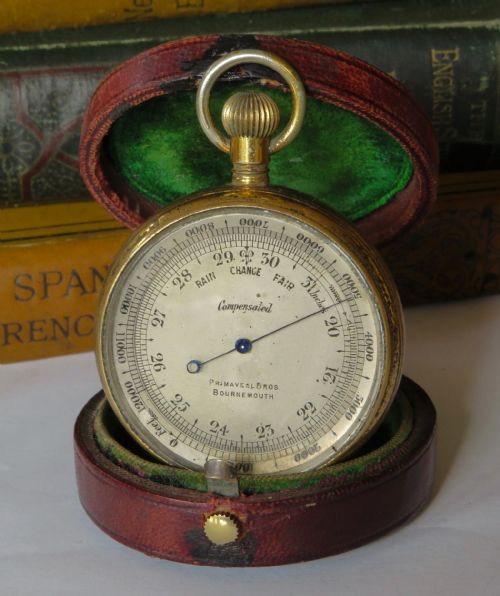
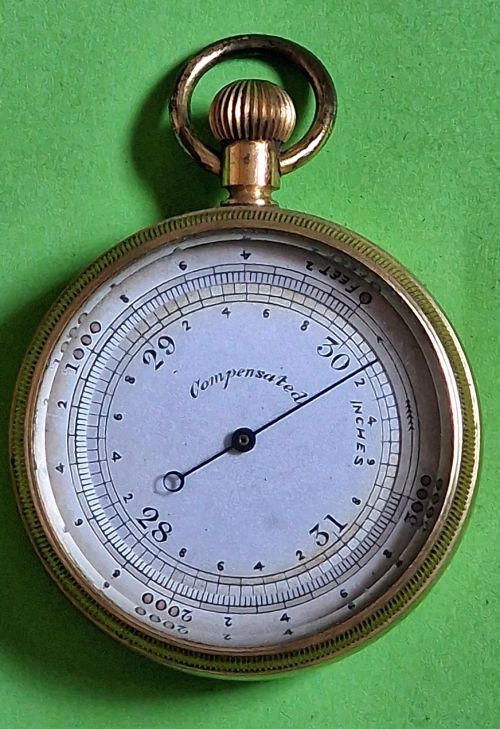
When you search for an antique aneroid gauge, you are looking at barometers, pocket instruments, and recording barographs that track changes in air pressure without fluid. These pieces range from compact pocket-sized altimeters to large wall-hanging banjo barometers and heavy oak ships instruments.
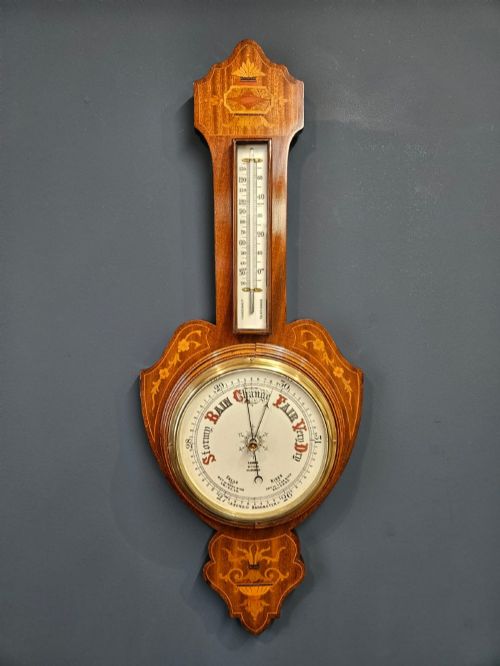
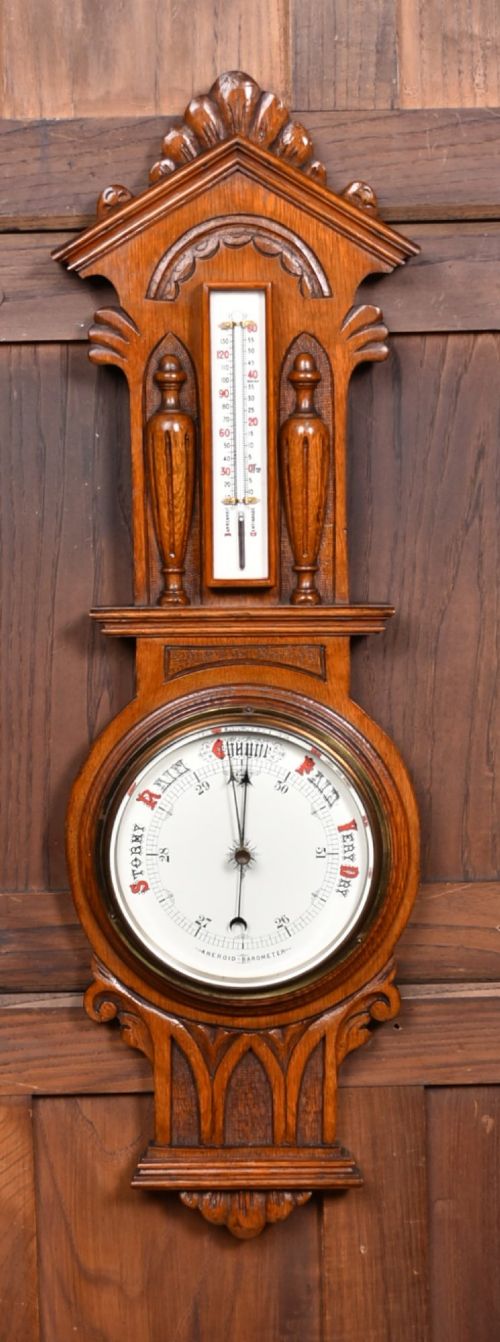
The version you are most likely to meet on this page is the Victorian wall barometer, housed in carved oak, mahogany, or walnut frames. These domestic instruments often combine a pressure dial with a thermometer or display distinctive regional styling such as Black Forest carving or Chinoiserie lacquer.
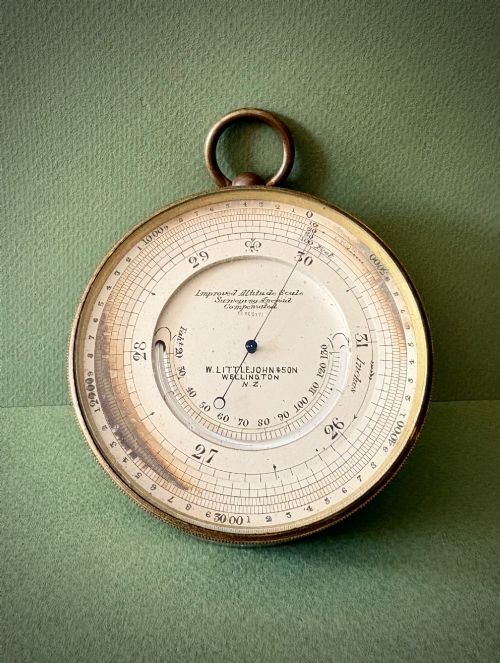
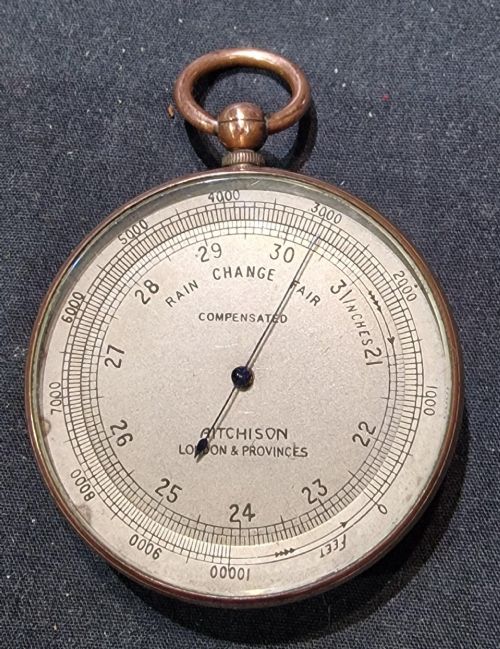
Scientific and specialised variants also appear, including military observation balloon altimeters, patent altitude adjustment instruments, and specialised maritime or meteorological apparatus. Pocket barometers designed for travel and exploration are frequently encountered alongside domestic wall pieces.
How they were made
Maker workshops housed the sensitive internal mechanism within enclosures of brass, steel, and silvered metal, protected behind glass dials. These working parts connected to a flexible evacuated metal box that expanded and contracted with atmospheric changes to move the pointer.
Cabinetmakers fashioned the exterior housings from dense timbers such as oak, mahogany, walnut, rosewood, beechwood, and ebonised wood. Frames featured marquetry inlay, turned bezels, and elaborate hand-carved ornamentation particularly seen in Black Forest and Victorian Gothic Revival examples.
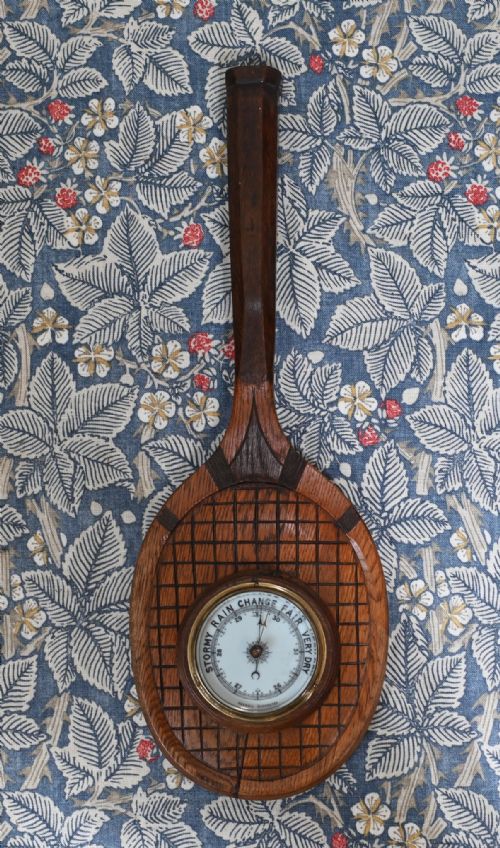
Some pocket barometers were tucked into waistcoat pockets by Victorian gentlemen to nervously monitor weather before lawn tennis matches.
What varies in quality
The standard of execution in the cabinetwork and the precision of the dial engraving separate ordinary production items from exceptional workshop output. Finer pieces display crisp botanical or geometric carvings, carefully matched wood veneers, and clearly graduated silvered metal dials signed by reputable opticians and instrument makers.
Complexity of function and specialised purpose also distinguish the range, as dual-purpose altimeter barometers, skeletonised movements, and mechanical barographs represent higher manufacturing ambition than standard domestic wall barometers.
Elliott Brothers·Short and Mason·Negretti and Zambra·Blake and Son·Dollond of London
The Antique Aneroid Gauge Glossary
- Aneroid barometer
- A scientific instrument that measures atmospheric pressure using a sealed flexible metal box that expands or contracts, avoiding the use of liquid mercury. This design allowed barometers to be made compactly and mounted on walls or carried in pockets.
- Altimeter
- An instrument that measures altitude above a given level by observing atmospheric pressure changes. These devices were utilised in mountaineering, travel, and early aviation or balloon observation.
- Barograph
- A recording meteorological instrument that draws a continuous line of atmospheric pressure onto a revolving paper chart over a span of days. They are typically housed in glazed wooden cases with clockwork drum mechanisms.
- Banjo barometer
- A domestic wall barometer shaped like the stringed instrument, featuring a large circular dial at the base and a long vertical stem that usually holds a thermometer. These were widely produced in mahogany, oak, and inlaid rosewood.
- Silvered metal
- A brass or copper dial plate treated to achieve a metallic silver finish upon which graduations and maker names are engraved. This surface treatment reduces glare and provides high contrast for reading measurements.
Antique Aneroid Gauge: Frequently Asked Questions
How do aneroid barometers work?
An aneroid barometer contains a corrugated metal vacuum capsule that flexes as atmospheric pressure rises and falls. Springs and levers connect this expanding chamber to the pointer on the dial.
This mechanical linkage translates minute shifts in air pressure into visible movement on the glass-covered face without employing liquid mercury.
Are pocket barometers accurate?
Pocket barometers were built as genuine scientific instruments by skilled opticians for travellers, surveyors, and mountaineers. Their delicate internal linkages provide reliable comparative readings when properly handled and adjusted.
Because they also functioned as altimeters, changes in elevation alter the reading significantly, requiring calibration against known local pressure.
How do I hang a wall barometer?
Wall barometers require a secure fixing directly into a wall stud or solid masonry plug, as many models carry substantial weight in timber and glass. The instrument must hang completely plumb so the internal mechanism moves freely without friction.
Most wall units feature a heavy brass hanging ring or a secure internal mounting bracket designed for stability.
How do I date an antique barometer?
Dating relies on stylistic clues in the timber case, the typography of the dial, and the mechanical configuration. Victorian pieces often display heavy oak or walnut carving, while Edwardian versions favor lighter inlaid woods and simpler circular frames.
Signatures on the dial referencing specific London addresses or known patent dates provide the most precise chronological markers.