


Antique 19th Century Candelabra
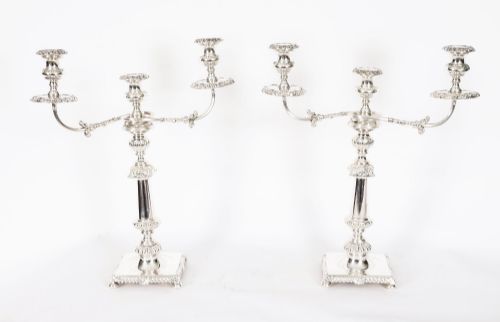
These antique 19th century candelabra bring structured candlelight and rich metalwork to a room, offering functional illumination paired with sculptural presence.
Antique 19th Century Candelabra
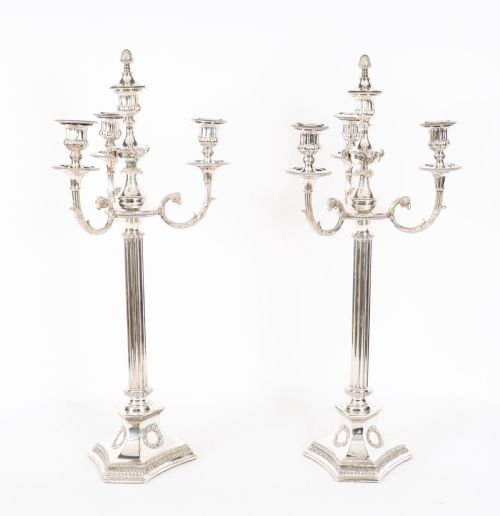
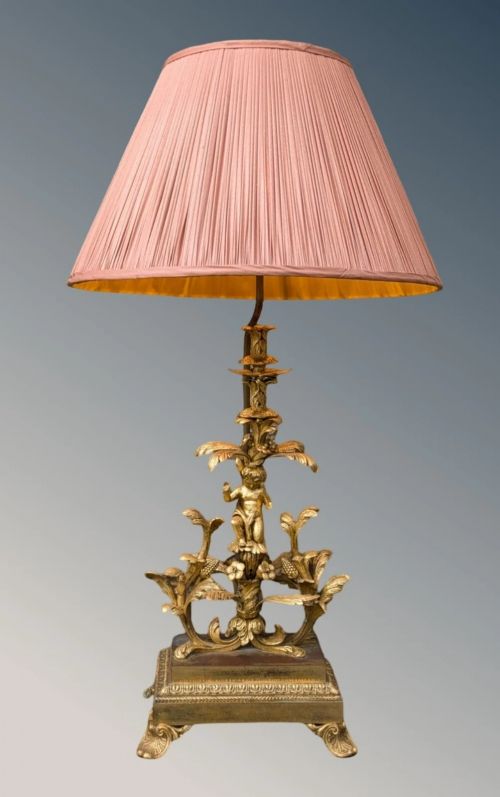
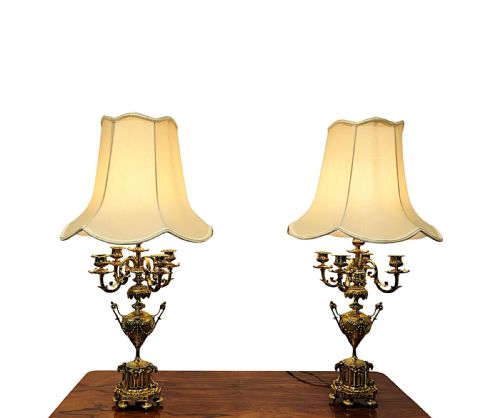
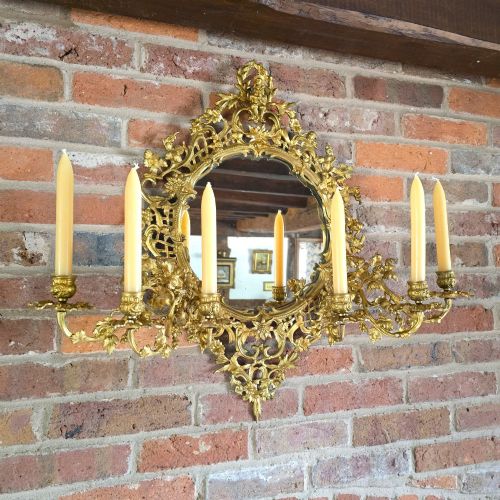
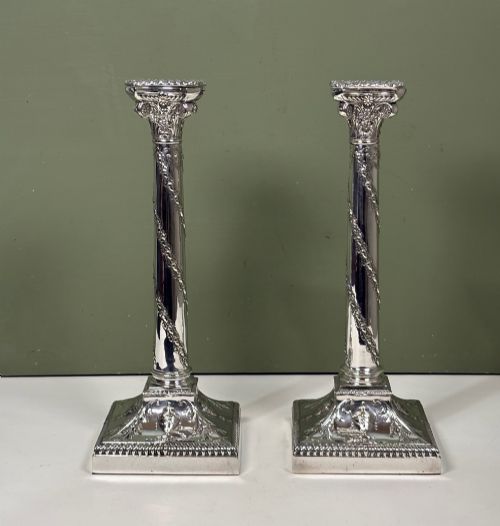
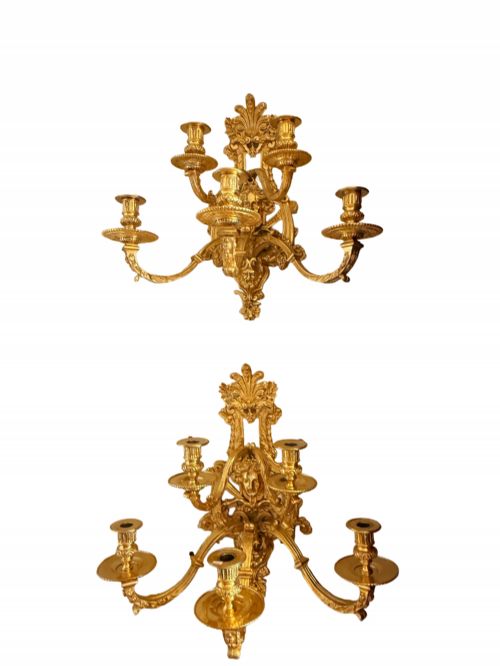
When you search for antique 19th century candelabra, you encounter multi-branched lighting fixtures designed for tables, mantelpieces, and walls. The selection spans standard pairs, clock garniture sets, and wall sconces produced across the Victorian era and continental Europe.
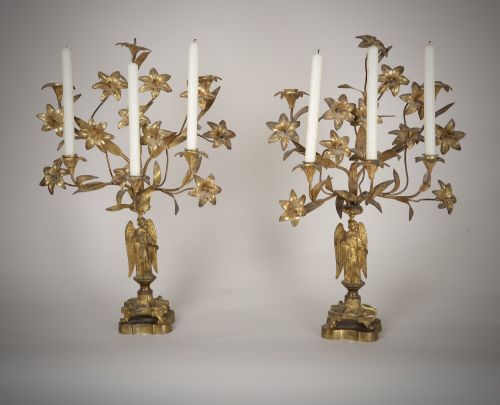
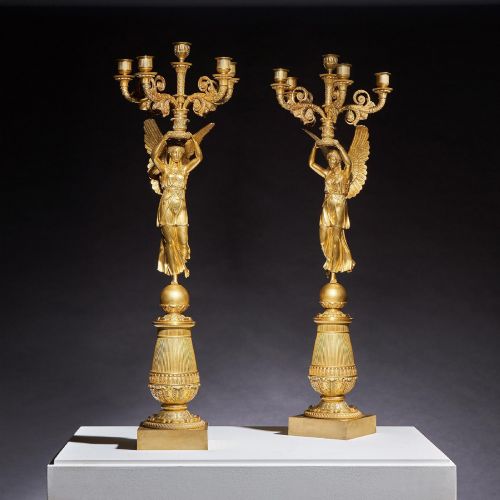
French workshops dominate the surviving output, particularly in styles such as French Rococo Revival, Louis XVI, and French Empire. These pieces frequently incorporate figural elements, cherubs, or classical motifs alongside branching arms for multiple candles.
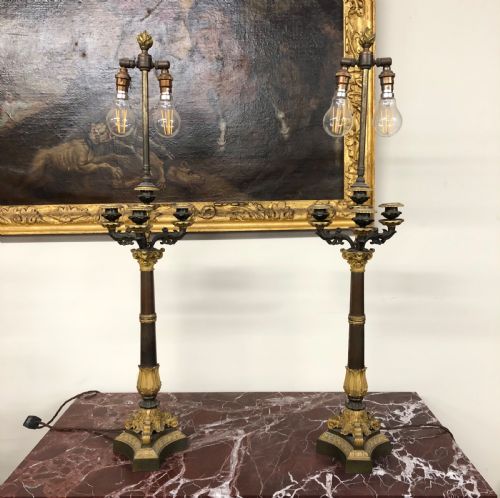
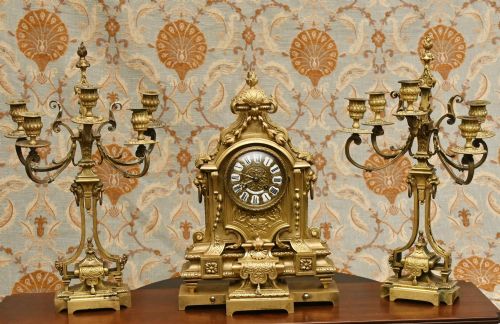
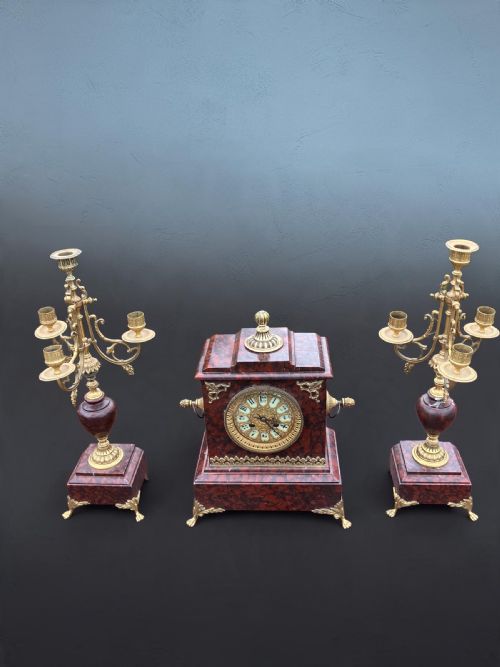
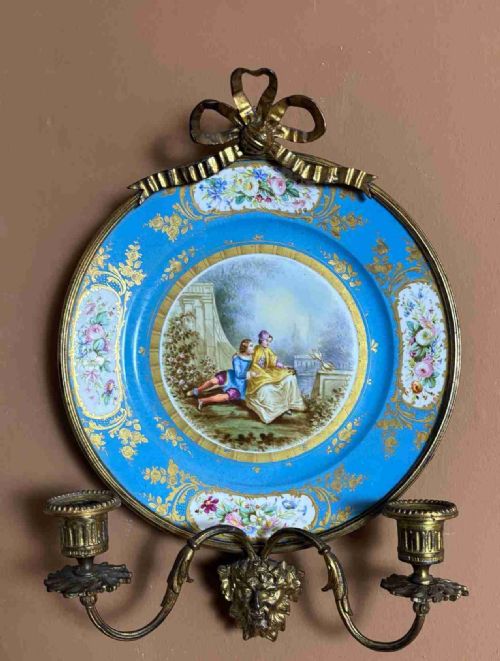
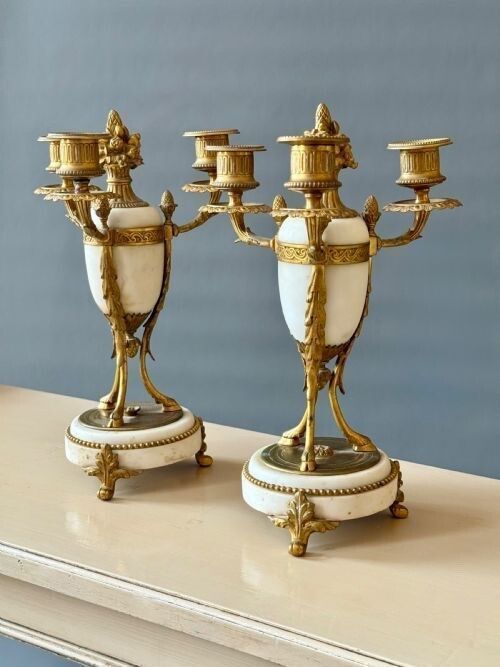
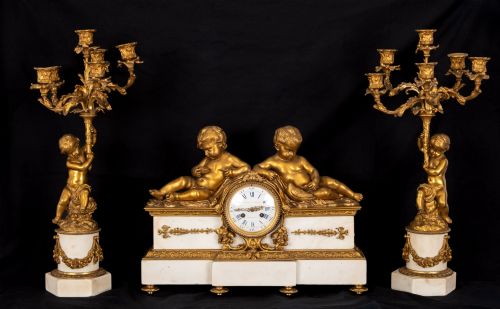
Beyond standard tabletop candelabra, the category extends to converted table lamps, wall lights, and candelabra combined with porcelain or marble centrepieces. Pairs intended for mantel garnitures alongside a matching clock appear frequently among the listings.
How they were made
Maker workshops utilised cast bronze, ormolu, and brass as structural metals, often combining patinated bronze with bright gilded surfaces for visual contrast. Ormolu deployment involved applying finely ground gold to a bronze base through mercury amalgamation or electrogilding.
Many designs integrate white marble, rouge marble, or enamel bases and columns to support the heavier metal branches. Decorative details such as champlevé enamel or Sevres porcelain inserts appear within the metal frameworks of more ornate French and English examples.
Antique 19th Century Candelabra Retail Price Guide 2026
Typical asking prices for 19th century candelabra among the pieces listed under this phrase on Sellingantiques today, from the lower quarter to the upper quarter. They describe what is for sale here now, not the wider market.
Several 19th century pairs feature gilded stags, does, and capering cherubs holding up light.
What varies in quality
The heft of the bronze or brass and the integrity of the original gilding dictate overall value. Castings with substantial weight and securely mounted branches reflect superior workshop standards compared to lighter, loosely assembled counterparts.
Pierre Philippe Thomire·Garrard & Co
The Antique 19th Century Candelabra Glossary
- Ormolu
- Gilded bronze, where a layer of gold is applied to a bronze object. This technique creates a rich, durable golden surface characteristic of French decorative metalwork.
- Clock garniture
- A matching set consisting of a mantel clock flanked by two matching ornamental pieces such as candelabra or vases. These sets were designed to sit harmoniously together on a fireplace mantel.
- Champlevé
- An enamel technique where troughs or cells are hollowed out of a metal surface and filled with vitreous enamel before firing. It produces vibrant coloured patterns set within metal outlines.
- Candelabra
- A branched candlestick holder designed to support multiple candles simultaneously. They range from simple two-branch wall sconces to large floor-standing multi-light fixtures.
Antique 19th Century Candelabra: Frequently Asked Questions
How do I clean antique ormolu and bronze?
Dust these metal surfaces gently with a soft, dry brush to prevent the accumulation of dirt in the recessed chasing. Avoid commercial metal cleaners and abrasive cloths, as they strip away the historic gilt layer.
For stubborn grime, use a slightly damp cloth with mild soap, drying the metal immediately afterwards. Preserving the natural patina maintains the historical integrity of the piece.
Can I safely burn real candles in them?
You can burn traditional wax candles provided you secure the tapers firmly in the drip pans to prevent listing. Ensure the candelabra stands on a stable, level surface away from draughts.
Keep a close eye on burning candles to prevent wax from running down the delicate bronze or marble surfaces. Clean away any hardened wax gently using warm water rather than scraping.
How do I identify French Empire style?
French Empire pieces reflect the neoclassical aesthetic popular during the early nineteenth century, drawing heavily on ancient Roman, Greek, and Egyptian motifs. Look for strict symmetry, military trophies, sphinxes, and patinated bronze paired with bright ormolu.
The forms are typically monumental and architectural, emphasising clean structural lines and classical figures rather than the asymmetric curves of earlier Rococo designs.