


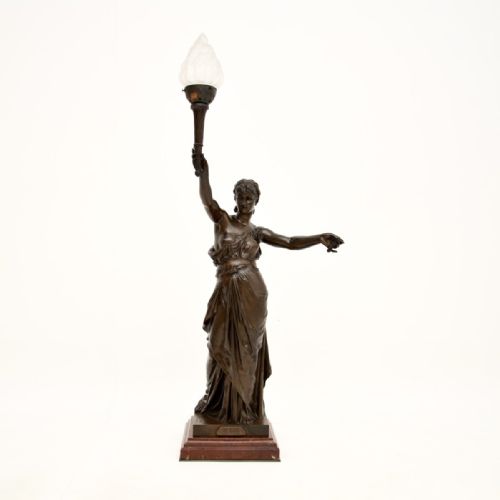
Allegorical Female Sculptures
Allegorical female sculptures embody classical ideals and seasonal motifs in bronze, marble and porcelain, offering timeless narrative depth for interior and garden settings.
Allegorical Female Sculptures
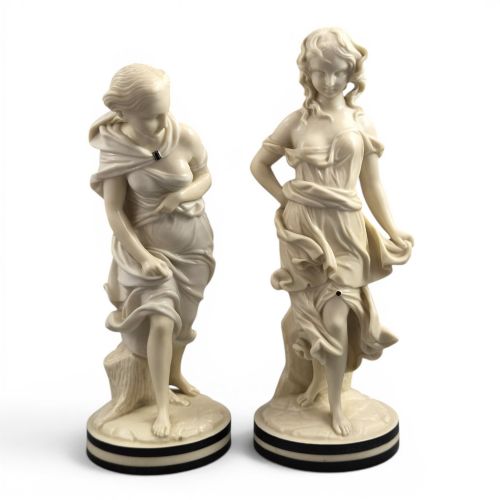
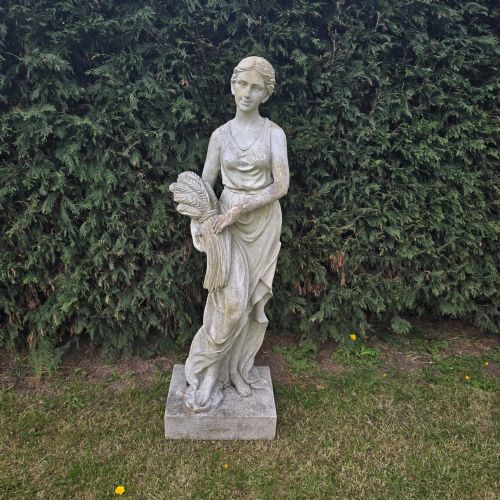
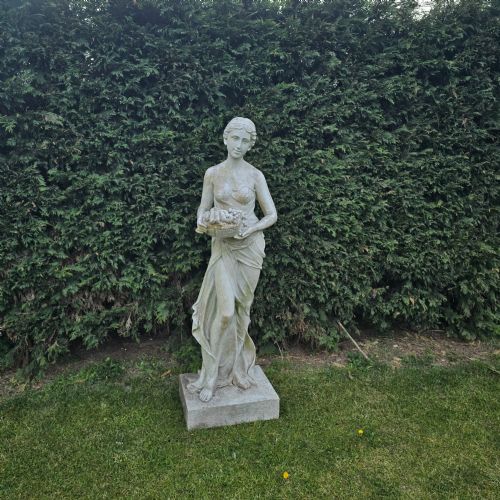
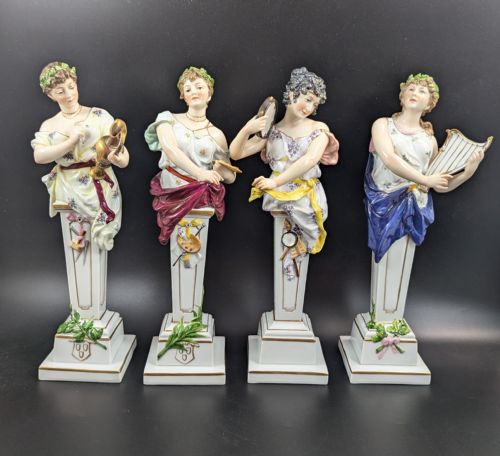
Allegorical female sculptures represent abstract concepts, seasonal changes or mythological figures through classical female forms. Buyers searching for allegorical female sculptures encounter everything from life-sized garden statues to delicate porcelain figurines.
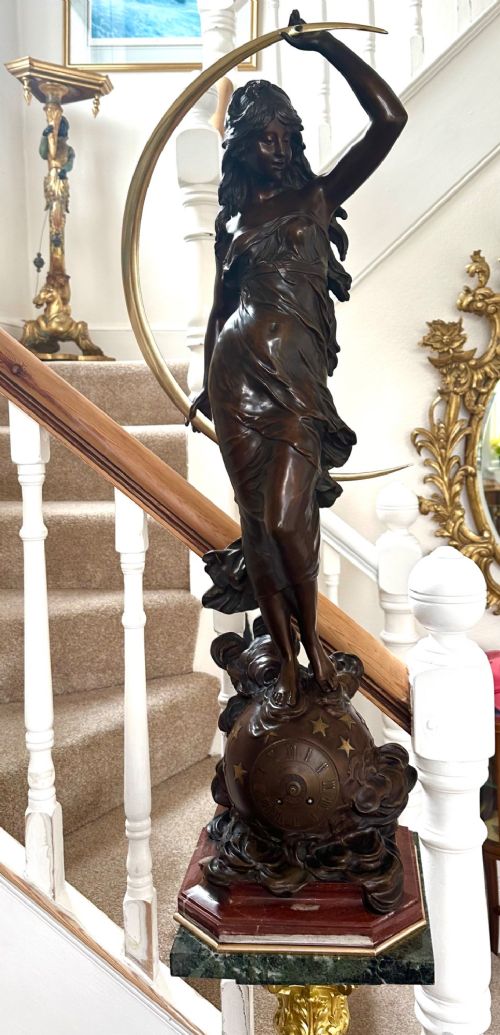
The pieces span periods from the Georgian era through the Victorian period into the early twentieth century, incorporating Neoclassical, Art Nouveau and Rococo revival styles. Common personifications include the four seasons, dawn, peace and natural elements.
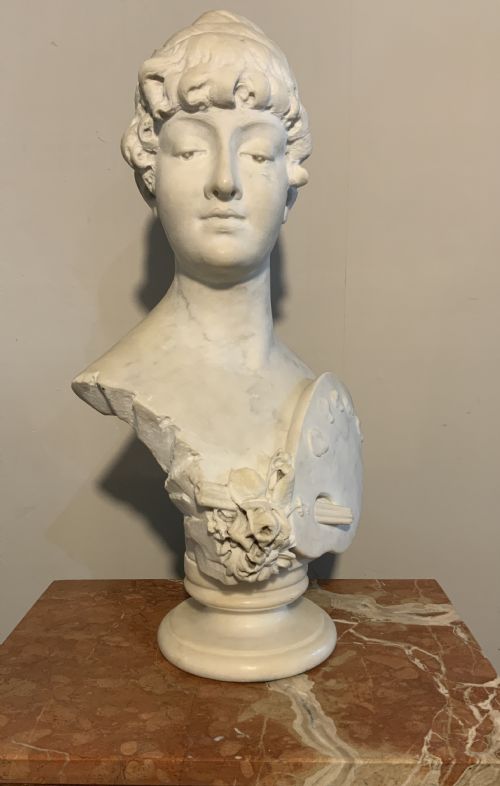
Forms range from grand Carrara marble busts and bronze garden figures to table lamps and small cabinet figurines. These works translate complex philosophical ideas into tangible sculptural narratives.
How they were made
Carved pieces rely on skilled handwork in Carrara marble or alabaster, allowing artists to render delicate textures in hair, cloth and flora. Porcelain figures employ fine ceramic pastes, hand-painted enamels and intricate glazing before kiln firing.
Several figures carry surprising tokens, including a beating heart, chariots, and even a faithful lion.
What varies in quality
Quality rests upon the precision of the carving or the crispness of the metal cast, particularly in the rendering of hands, drapery folds and facial expressions. Master modellers achieved a fluidity and naturalism that lesser workshop copies miss.
The choice of medium dictates the presence and depth of detail, with finely grained marbles and heavy cast bronzes sitting at the upper end of the scale compared to lighter spelter or standard ceramics.
August Moreau·Mathurin Moreau·James Hadley·Ernst Barrias·Pugi·Volkstedt·Achille Mollica·Jean-Jules Cambos
The Allegorical Female Sculptures Glossary
- Spelter
- A zinc alloy frequently used as a cost-effective substitute for bronze in nineteenth-century figure casting. It is often painted or bronzed to imitate more expensive metals.
- Carrara marble
- A type of white or blue-grey marble quarried in the city of Carrara in Tuscany, prized by sculptors for its homogenous texture and minimal veining.
- Allegory
- A symbolic representation of an abstract idea or quality through human figures, animals or physical objects. In sculpture, female personifications frequently represent seasons or virtues.
- Patina
- A thin layer that naturally or artificially develops on the surface of bronze and other metals through oxidation, age and chemical treatment. It alters the surface colour and protects the metal beneath.
Allegorical Female Sculptures: Frequently Asked Questions
What do these allegorical figures represent?
These sculptures personify abstract themes, virtues, or natural cycles such as the seasons, dawn, or peace. Artists used classical female forms to communicate these larger philosophical ideas.
The symbols held by the figures, such as hearts, flowers, or torches, provide direct clues to the specific allegory being portrayed.
Where were these sculptures placed originally?
Smaller porcelain figurines and bronze table lamps adorned nineteenth-century drawing rooms and mantelpieces. Larger marble busts and bronze figures occupied prominent interior halls.
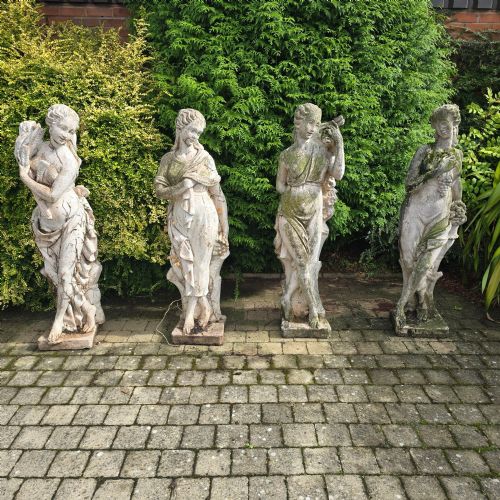
Weathered stone and cast metal statues stood within formal gardens, courtyards, and grounds to interact with the natural landscape.
How do I distinguish bronze from spelter?
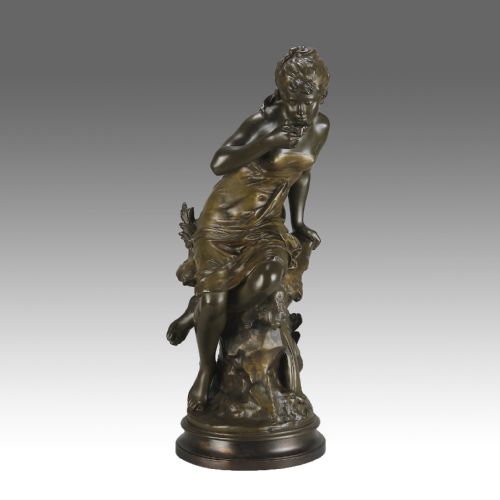
Bronze is heavier, colder to the touch, and rings with a clear tone when struck gently. It takes a rich, durable patina and allows for extremely sharp detail in casting.
Spelter is lighter, softer, and often shows flaky or chipped surface paint where the underlying grey metal is exposed.
How should I care for marble sculptures?
Dust marble surfaces regularly with a soft, dry cloth to prevent the accumulation of dirt in carved recesses. Avoid using household chemical cleaners or abrasive pads.
Keep marble away from direct heat sources and sudden temperature fluctuations to preserve the integrity of the stone.