



Afghan Area Rug
An afghan area rug brings centuries of tribal weaving traditions into modern interiors through geometric motifs and deep red tones.
Afghan Area Rug
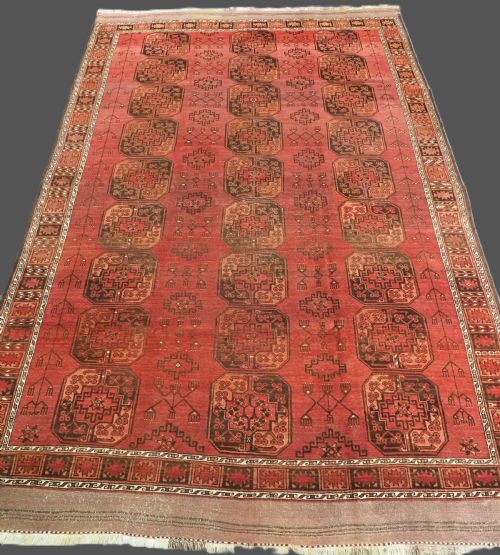
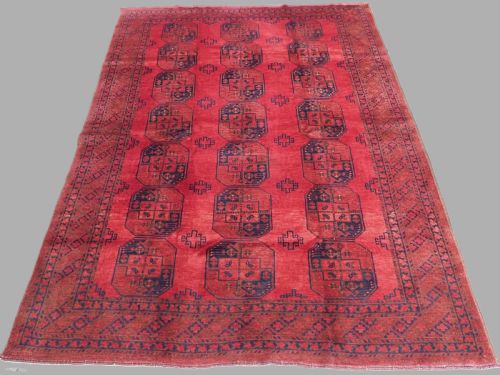
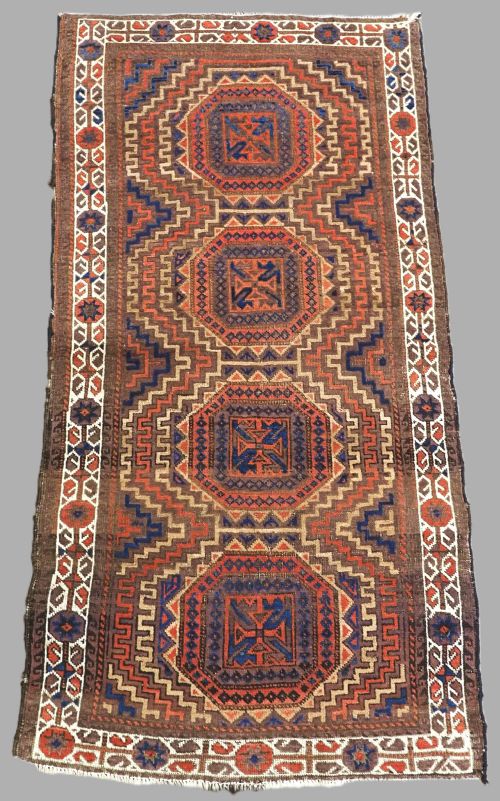
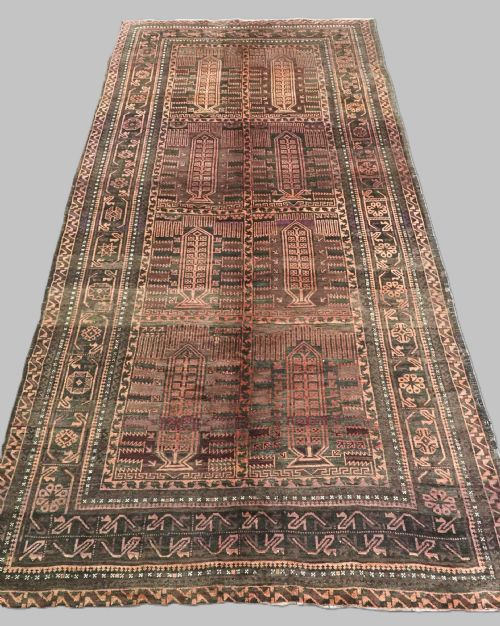
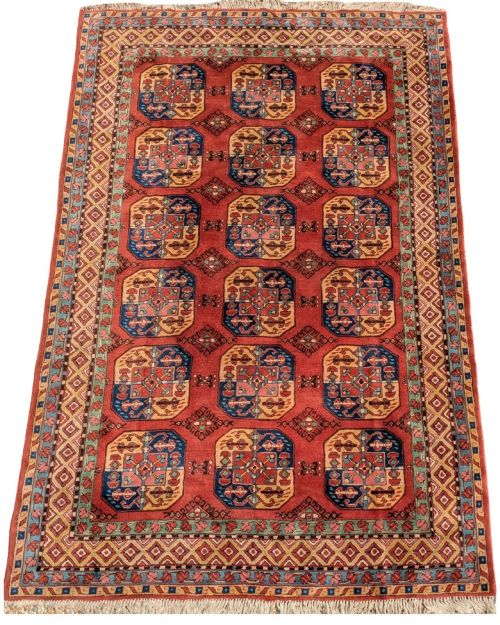
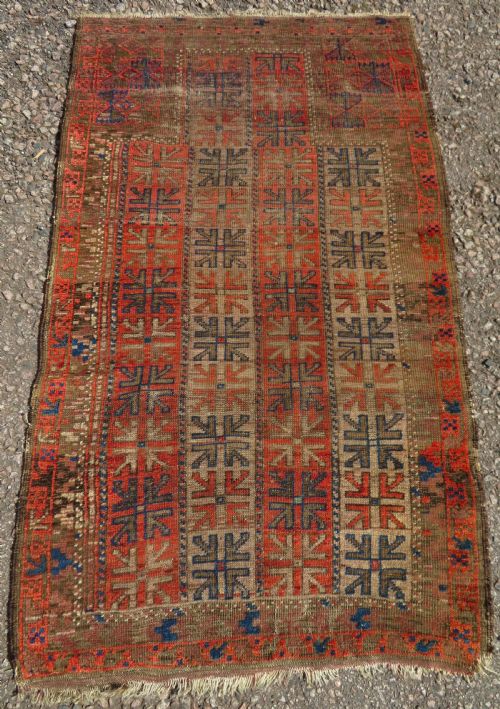
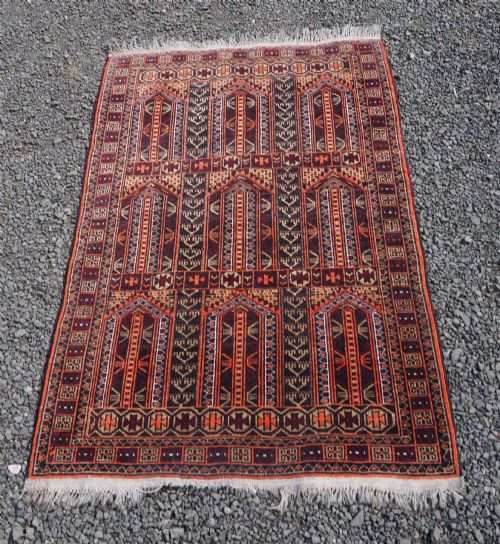
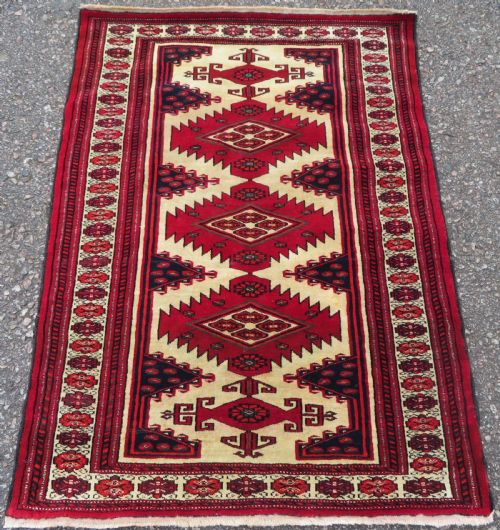
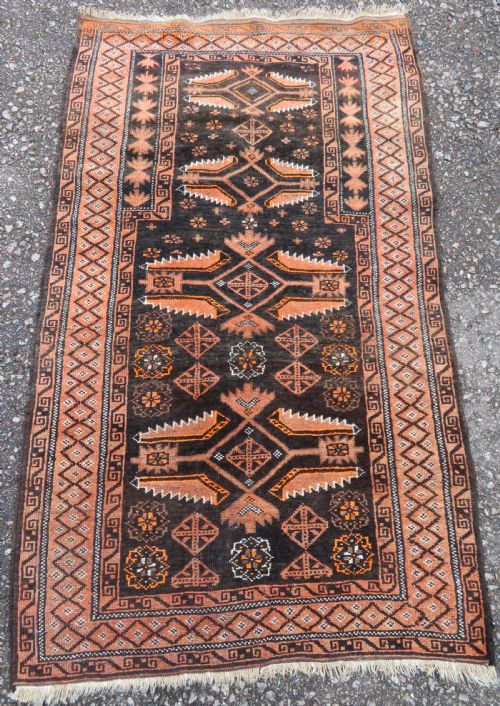
An afghan area rug encompasses tribal and village floor coverings originating from various regions of Afghanistan and neighbouring nomadic territories. These textiles typically display rich red ground colours, distinctive geometric guls, and traditional border arrangements.
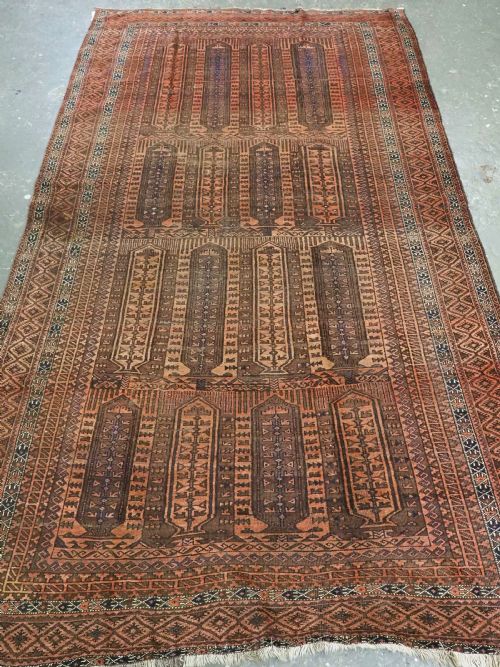
Buyers will most frequently encounter village carpets and smaller formats dating from the late nineteenth century up to the 1930s. Common regional subtypes include Baluch, Ersari Turkmen, and Kizil Ayak pieces woven with specific tribal iconography.
Formats range from compact prayer rugs featuring mihrabs and lanterns to large room-sized carpets intended for principal living spaces. Many examples incorporate kilim flatweave ends and structural elements designed for durability.
Materials and Construction
Weavers constructed these carpets predominantly using hand-spun wool for the pile, often combined with cotton foundations and occasional uses of goat hair or horsehair in the selvedges. Natural dyes provided the deep reds, golds, and contrasting dark tones found across the period.
The fabrication relies on traditional hand-knotting techniques executed on vertical or horizontal looms by tribal artisans. Sturdy knotting densities and wool selection yielded heavy-duty textiles capable of withstanding generations of daily use.
Certain village carpets unexpectedly introduce charming depictions of local fauna, including peacocks wandering amidst traditional geometric borders.
Evaluating the Weaving Standard
Quality differences stem from the fineness of the knotting, the precision of the geometric layout, and the depth of the wool pile. Superior examples display tightly packed knots that preserve intricate tribal patterns with sharp definition.
The integrity of the natural dyes and the consistency of the hand-spun wool significantly influence the visual depth of the surface. Well-preserved foundations and intact kilim ends indicate careful historical maintenance and superior original manufacture.
The Afghan Area Rug Glossary
- Gul
- A primary octagonal medallion motif repeated across Turkmen and Baluch carpets. These symbols often denoted specific tribal lineages and family groups.
- Mihrab
- An arch-shaped design element borrowed from Islamic architecture, commonly found on prayer rugs. It directs the orientation of the textile during ritual use.
- Kilim
- A flatweave section produced without a pile, frequently positioned at the ends of village rugs to protect the knotted field from fraying.
- Kalam Donneh
- A traditional boteh or paisley-inspired design motif encountered in western pieces. The pattern depicts a stylized floral or seed shape.
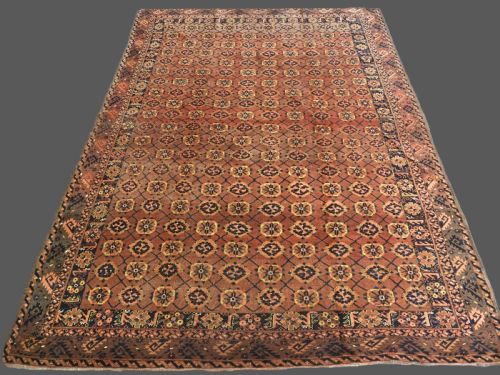
- Beshir
- A sub-style associated with Turkmen weavers settled along the Amu Darya basin. These carpets often incorporate unusual trellis patterns and yellow highlights.
Afghan Area Rug: Frequently Asked Questions
How do I identify a prayer rug?
Prayer rugs feature a distinct architectural niche or arch at one end known as a mihrab, sometimes accompanied by mosque lamps or lanterns. They were traditionally used for individual daily devotions rather than as general floor coverings.
These formats tend to measure smaller than standard room carpets, making them suitable for wall hanging or placement in intimate spaces.
What are tribal guls?
Guls are repeating octagonal medallions that serve as the primary decorative emblem across many nomadic and village carpets. Each tribal group utilised specific variations in proportion and colour to signal regional identity.
Recognising these emblem styles helps collectors attribute pieces to specific groups such as the Ersari or Baluch.
How should I care for an old rug?
Protect the textile by placing it in low-traffic areas or utilising a breathable underlay to prevent shifting and wear. Regular gentle vacuuming without a rotating beater bar removes embedded grit that can damage the wool pile.
Professional cleaning should be undertaken sparingly by specialists experienced in handling antique vegetable-dyed wool.
Are these carpets heavy duty?
Many nomadic and village pieces from this period were constructed specifically for hard wear using dense wool and sturdy foundations. Goat hair selvedges and robust knotting allowed them to endure demanding daily use in pastoral settings.
Consequently, surviving examples often retain remarkable structural resilience despite their age.