



Aesthetic Movement Plant Stand
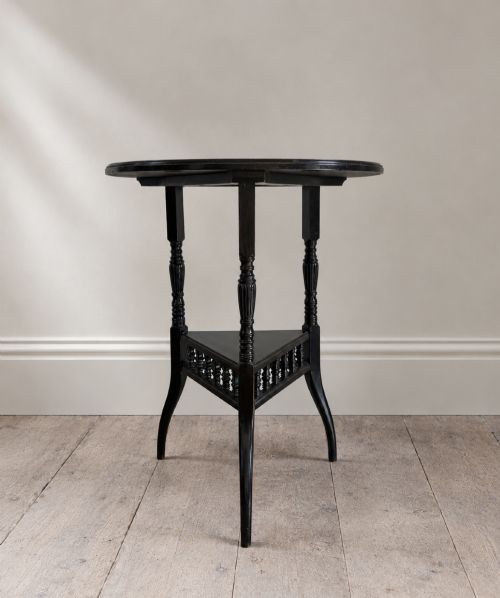
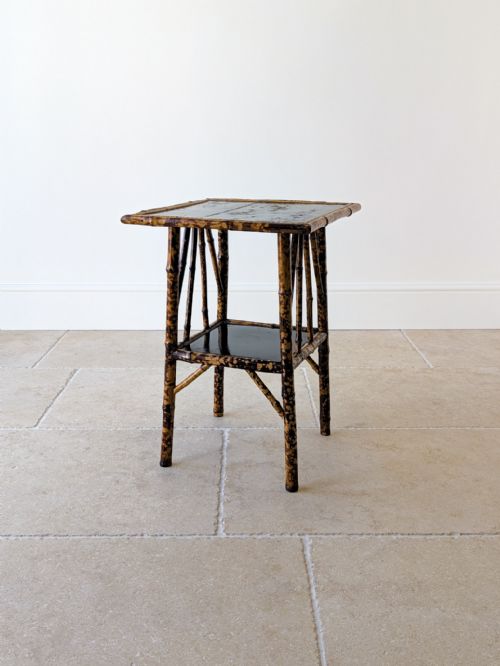
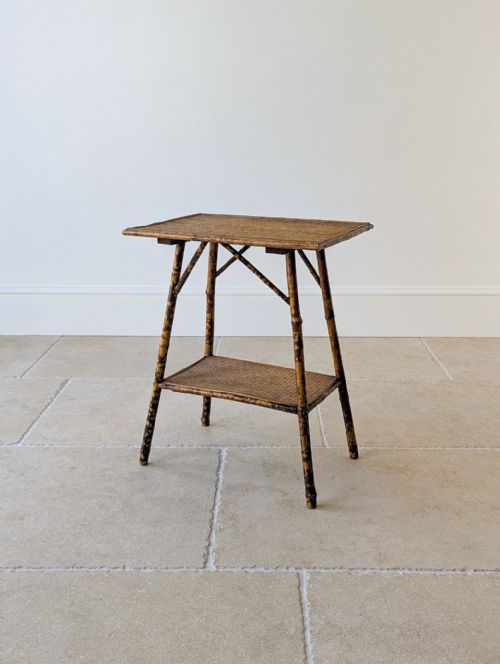
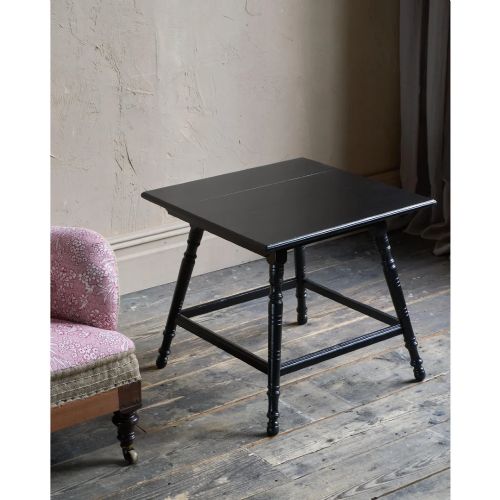
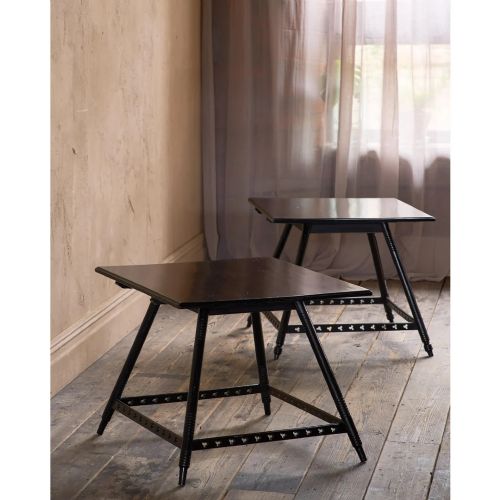
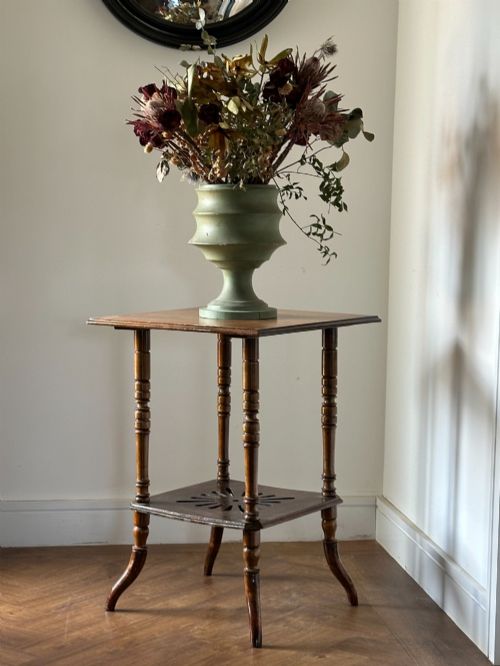
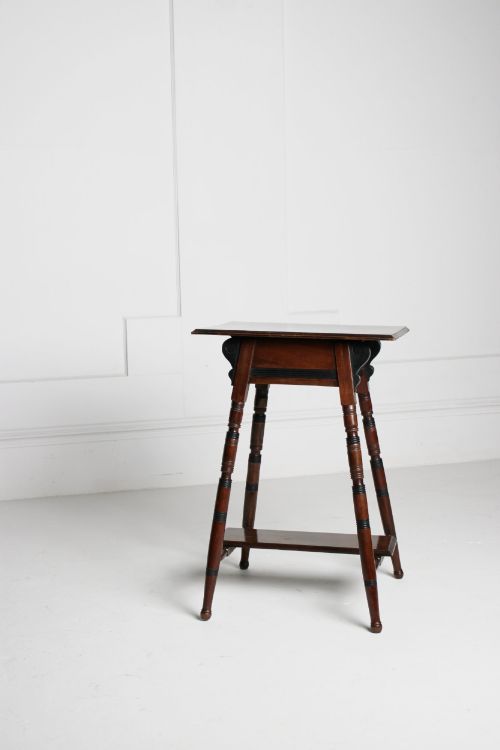
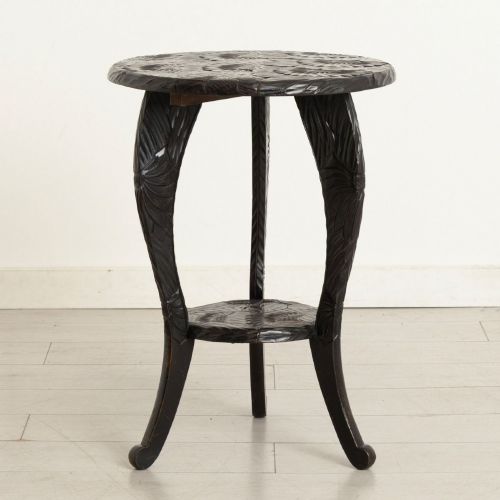
These pieces for an aesthetic movement plant stand bring together nineteenth-century Japonisme, bamboo frames and ebonised wood to display foliage in domestic interiors.
Aesthetic Movement Plant Stand
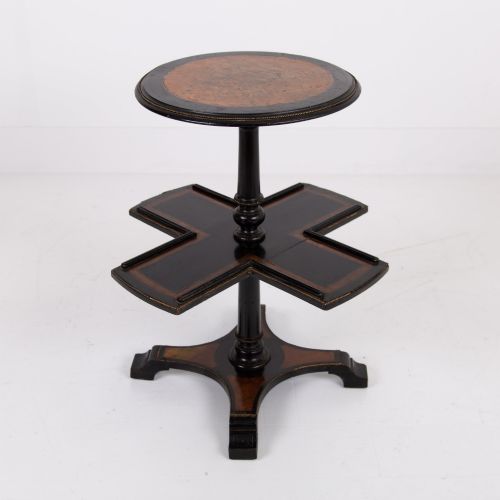
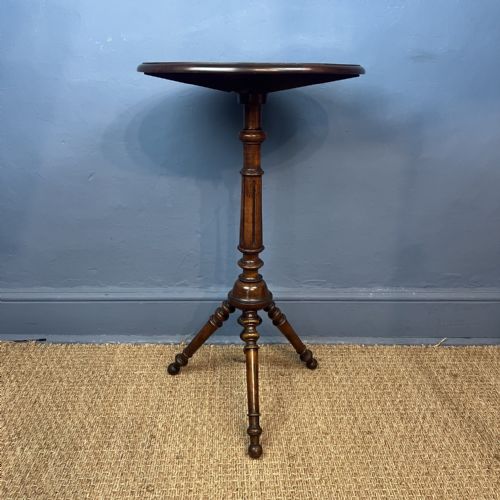
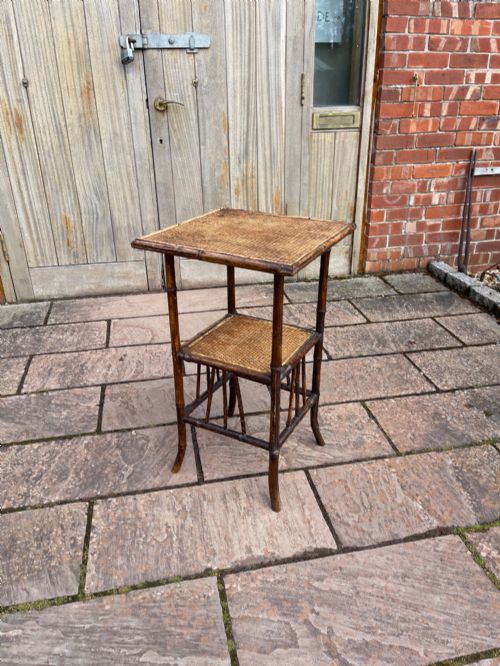
An aesthetic movement plant stand is typically encountered as a tall pedestal, a bamboo occasional table, or a tiered mahogany stand dating from the late nineteenth century. These forms reflect the period's fascination with Japanese design principles and the integration of nature into the home.
Makers and retailers of the Victorian era produced these stands in various woods such as walnut, ebonised hardwood, and mahogany, often incorporating tiles or lacquer panels. They served primarily to elevate potted plants, ferns, and jardinieres within drawing rooms and parlours.
The selection here encompasses occasional tables, pedestals, and columns associated with the broader aesthetic movement and related styles like Arts and Crafts and Moorish Revival. Buyers will find both bamboo examples and heavier timber pieces bearing geometric or Anglo-Japanese lines.
How they were made
Makers utilised structural timbers such as mahogany, walnut, and oak, alongside flexible bamboo and rattan imported from Asia. Surfaces were frequently ebonised to imitate exotic Japanese lacquer or finished with parcel gilding.
Construction techniques combined traditional British cabinetmaking with decorative arts practices, including hand-carving, ceramic tile inserts, decoupage, and lacquering. Anglo-Japanese designs championed by figures like E.W. Godwin dictated slender framing and balanced asymmetry.
Listings feature bamboo, mahogany, and ebonised wood alongside ceramic tiles.
What varies in quality
Quality rests on the integrity of the materials and the sophistication of the design, distinguishing standard commercial production from pieces associated with prominent retailers. Fine execution shows in crisp joinery, well-fitted ceramic tiles, and intact lacquer work.
The distinction between a workshop piece and a documented retail item depends on the refinement of the carving and the presence of maker attribution. Heavier hardwoods and detailed bamboo framing generally indicate superior craftsmanship compared to simpler utility items.
Hindley and Sons·Druce and Co London·Liberty and Co·Gillow and Co·Morris and Co
The Aesthetic Movement Plant Stand Glossary
- Ebonised
- Wood treated with a dark stain or finish to imitate ebony. This technique was widely utilised during the Victorian period for aesthetic movement furniture.
- Japonisme
- The influence of Japanese art and design on Western aesthetics. It informed the asymmetrical forms and decorative motifs seen on many nineteenth-century stands.
- Occasional table
- A small, versatile table designed for specific, intermittent use rather than dining. These frequently double as plant supports or display surfaces in period interiors.
- Pedestal
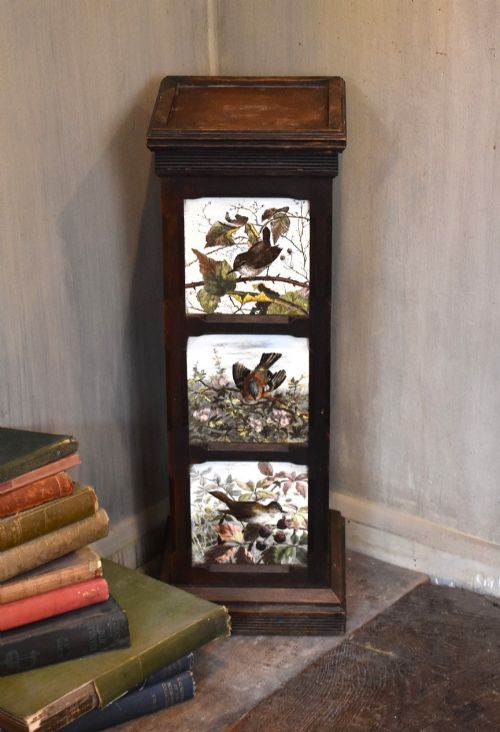
- A tall, freestanding support structure used to elevate a statue, vase, or plant. In this context, they often feature square or octagonal tops with tiled inserts.
- Anglo-Japanese
- A hybrid design style combining British construction methods with Japanese artistic motifs. E.W. Godwin was a primary proponent of this aesthetic.
Aesthetic Movement Plant Stand: Frequently Asked Questions
Where were these stands placed?
Victorian households positioned these stands near windows or in corners to display indoor palms and flowering plants. They also served as surfaces for lamps and decorative objects.
Their compact footprints allowed them to fit easily into smaller drawing rooms and hallways without obstructing movement.
How do I care for bamboo furniture?
Bamboo requires a stable indoor environment away from direct sunlight and excessive moisture to prevent splitting. Dusting with a dry cloth keeps the surface clean without damaging the natural fibres.
Conditioning oils are generally unnecessary and can harm historic lacquer or finishes applied to the cane.
Are tiled tops original?
Many nineteenth-century stands incorporate ceramic tiles to protect the wooden surface from water damage caused by watering plants. These tiles were integrated into the initial design by the maker.
Glazed ceramic inserts often feature floral or geometric patterns consistent with the aesthetic movement.
What defines the aesthetic style?
The style emerged as a rejection of heavy Victorian industrial design in favour of simplicity, hand-craftsmanship, and artistic expression. It drew heavily on Japanese visual arts.
Objects from this movement typically display clean structural lines, ebonised surfaces, and delicate proportions.