
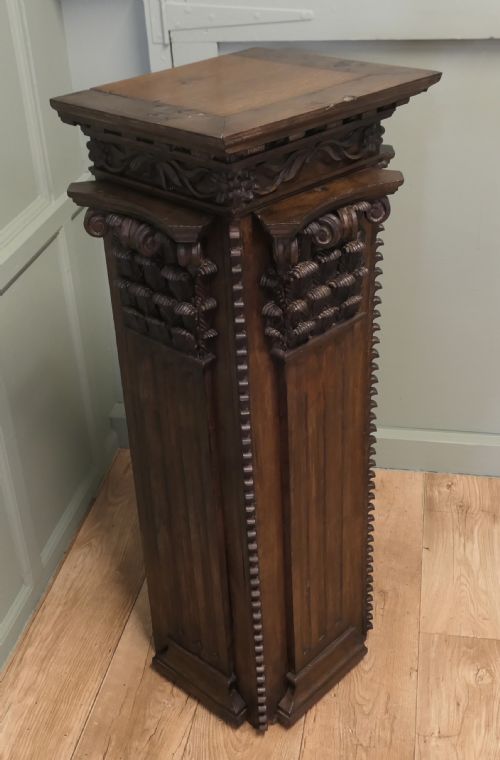
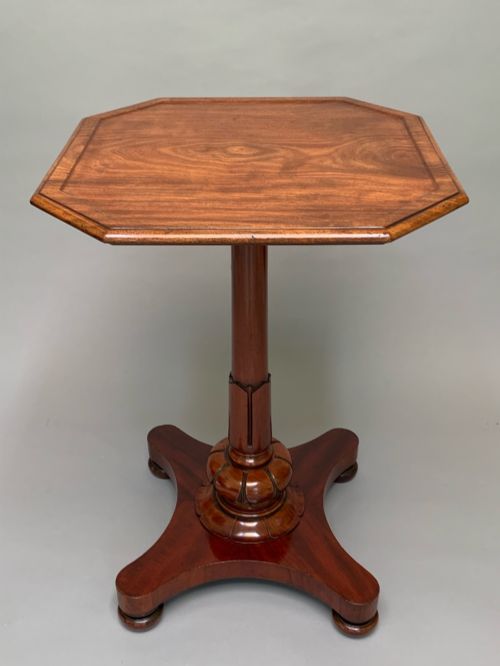
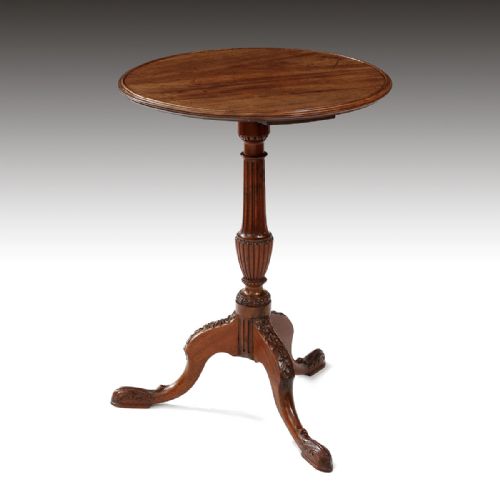
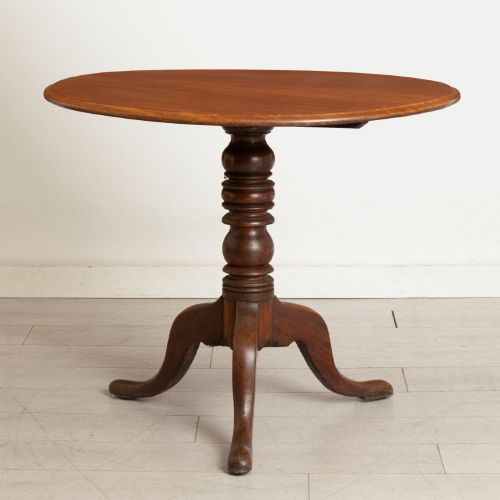
Dark Wood Pedestal Column
A dark wood pedestal column provides a sturdy platform for sculpture, plants and lighting, bringing architectural height and rich timber grain to a room.
Dark Wood Pedestal Column
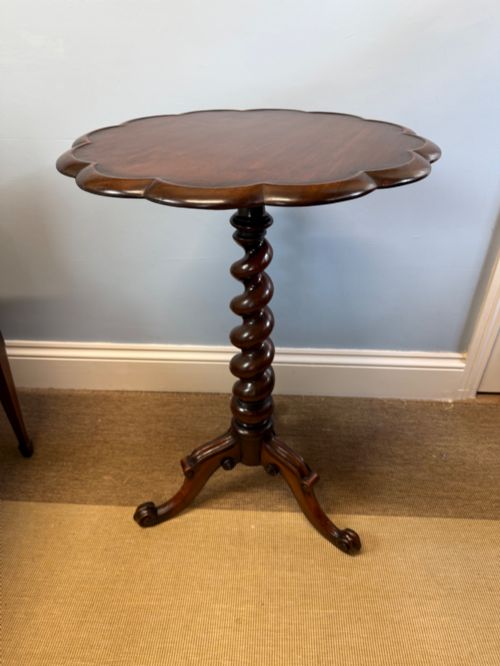
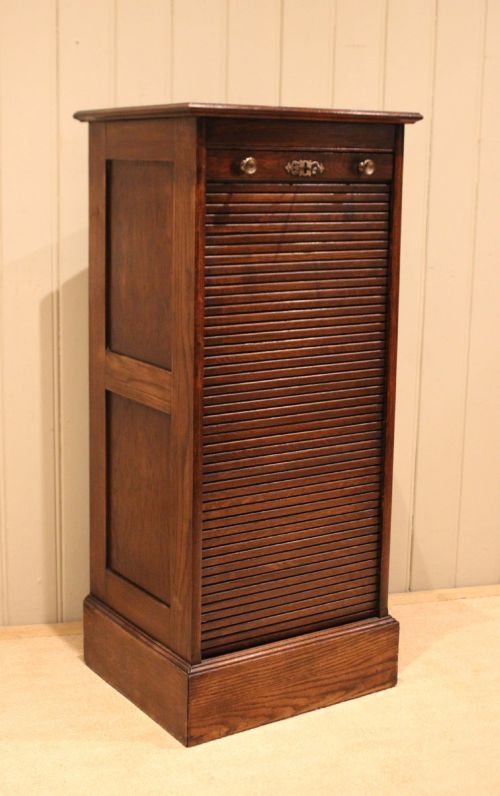
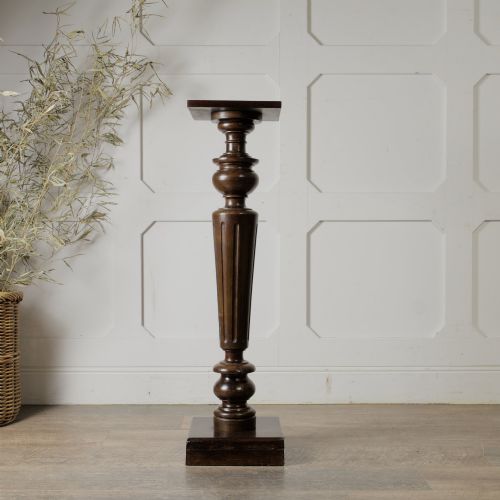
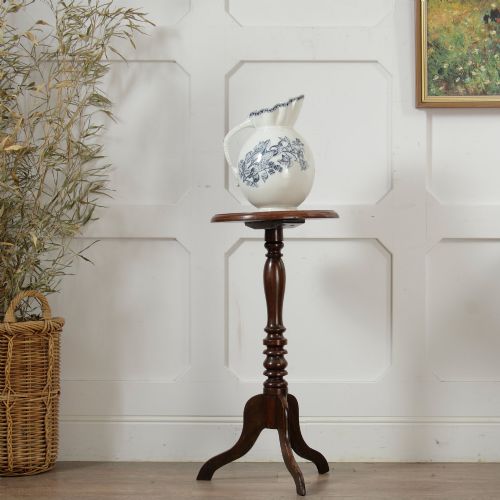
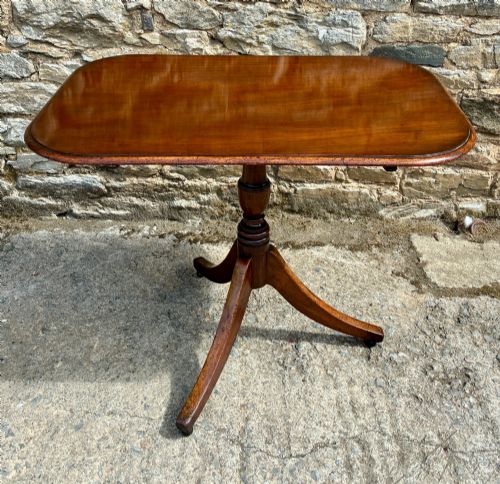
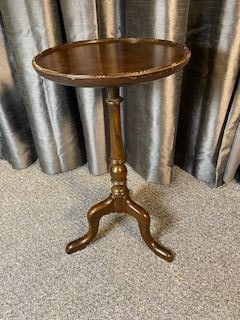
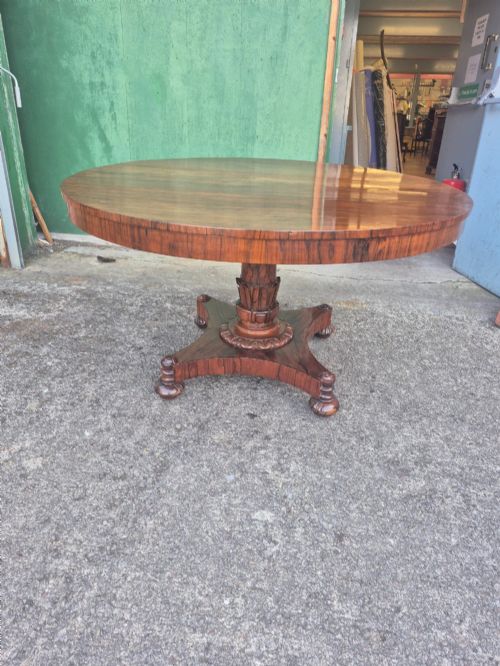
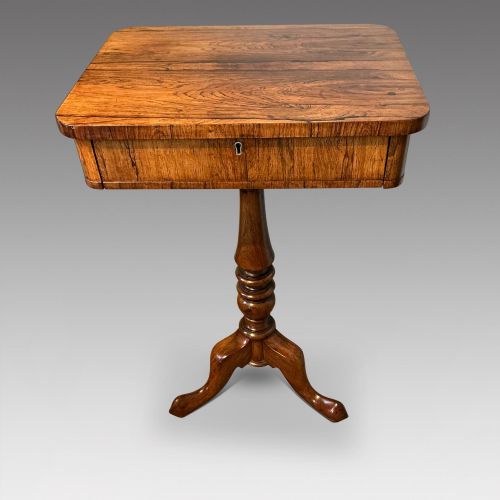
A dark wood pedestal column functions as a display support, taking forms such as torchères, plant stands and architectural plinths designed to elevate decorative objects. These pieces appear primarily in Victorian, Georgian and Edwardian eras, reflecting changing domestic tastes for interior display.
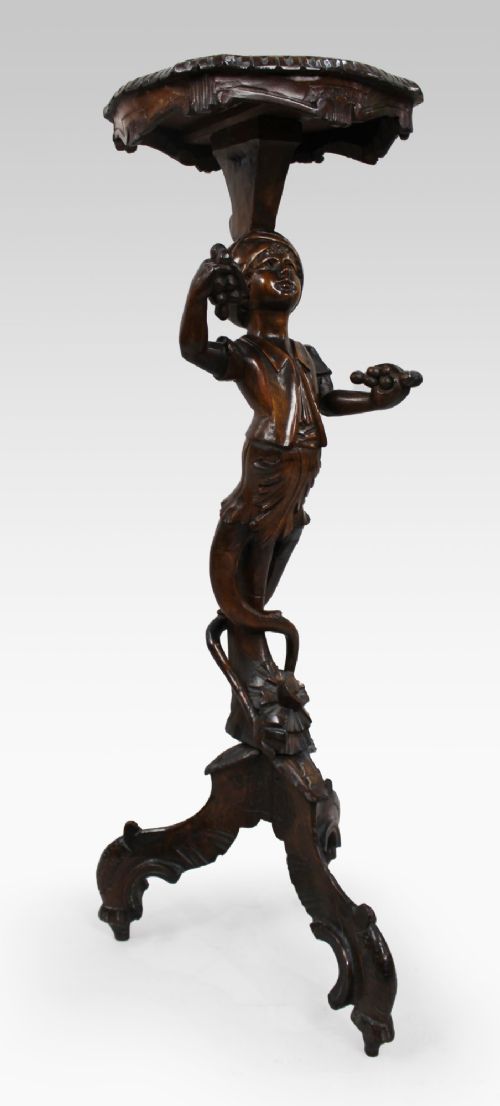
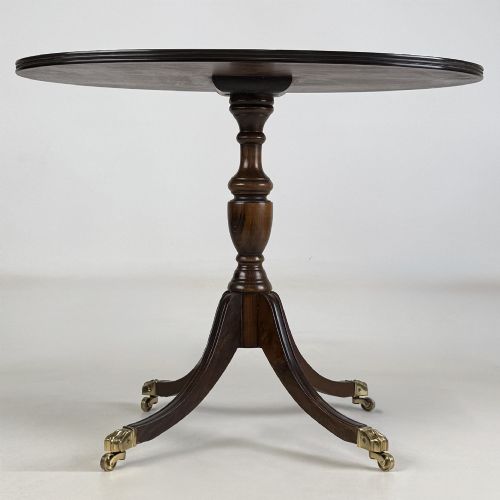
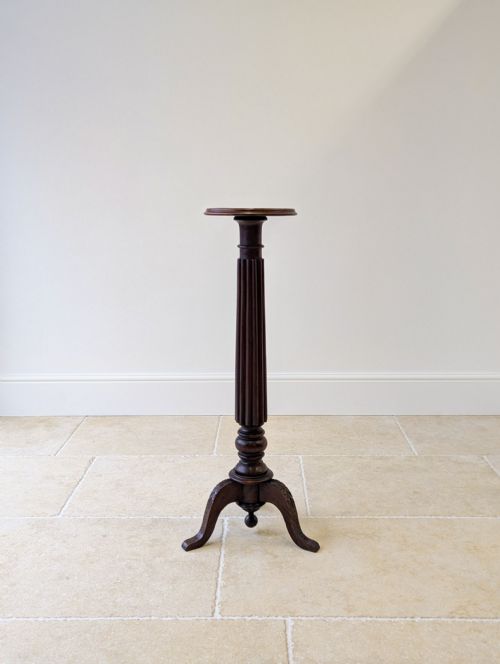
The most common examples on this page are mahogany torchères and plant stands dating from the nineteenth century. Makers constructed these supports with turned shafts, carved capitals and tripod or circular bases to hold lamps, urns and floral arrangements.
Materials and construction methods
Cabinetmakers built these columns predominantly in mahogany, oak, rosewood and walnut, sometimes incorporating brass mounts or inset marble tops. Timber selection dictated the weight and rigidity required to support heavy urns and bronze figures safely.
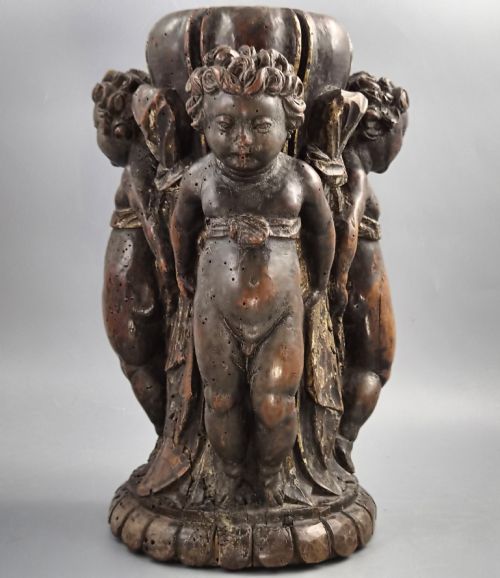
Joinery techniques combined heavy turned shafts with pegged tenons and weighted bases for stability. Carved figural details, reeded columns and inlaid veneers display the specialised hand woodworking typical of nineteenth-century workshops.
Listings feature mahogany, oak, rosewood and walnut across Victorian, Georgian and Edwardian periods.
Distinctions in craftsmanship
Quality rests on the depth and crispness of hand-carved foliage, figures or fluting on the shaft. Superior examples show careful timber selection with matched grain patterns across the column and base.
Structural integrity separates utilitarian stands from fine pieces. Robust tripod placement, solid timber blocks and absence of excessive wobble indicate superior workshop production.
Gillow
The Dark Wood Pedestal Column Glossary
- Torchère
- A tall ornamental stand designed to hold a lamp or candle. These pieces typically feature a slender column supported by a tripod base.
- Plinth
- A heavy rectangular or square base supporting a column, statue or urn. This architectural element provides essential lower stability.
- Tilt top table
- A table with a tabletop that pivots to a vertical position when not in use. This mechanism saved space in period parlours.
- Tripod base
- A three-legged support structure commonly found on pedestal tables and torchères. Three points of contact ensure stability on uneven floors.
Dark Wood Pedestal Column: Frequently Asked Questions
What is a torchère stand?
A torchère is a tall, slender stand historically used to hold lighting devices or candles. Today they serve mainly to display urns, plants and sculptures.
These supports lift decorative items to eye level, adding vertical emphasis to room corners.
How do I date a pedestal column?
Dating relies on timber choice, turning styles and structural joints. Georgian and Regency pieces show refined classical proportions, while Victorian items often feature heavier carvings.
Secondary woods and construction marks further help pinpoint the manufacturing decade.
Can these stands hold heavy plants?
Solid mahogany and oak torchères possess strong weight capacities due to sturdy tripod or heavy plinth bases. Examining the leg joints ensures the base can bear downward loads safely.
Heavier marble-topped columns provide exceptional stability for substantial planters.
Where should I place a column?
Columns work well in corners, flanking doorways or framing large pieces of furniture. Their vertical silhouette draws the eye upward.
Placing them away from direct heat sources protects the timber finish from drying out.