
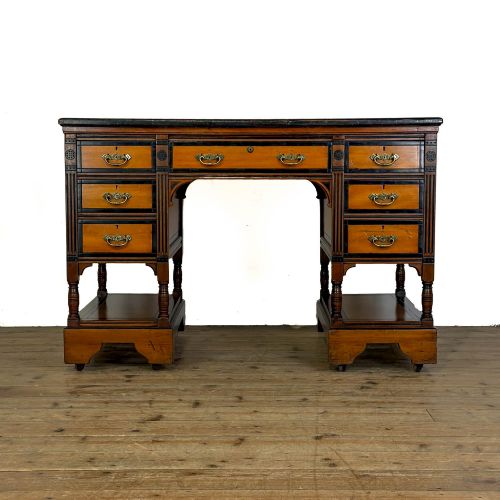
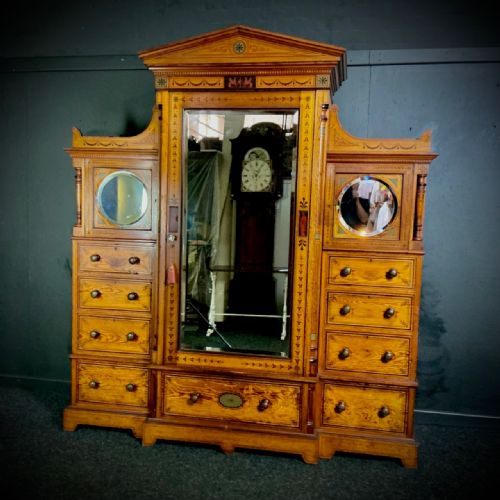
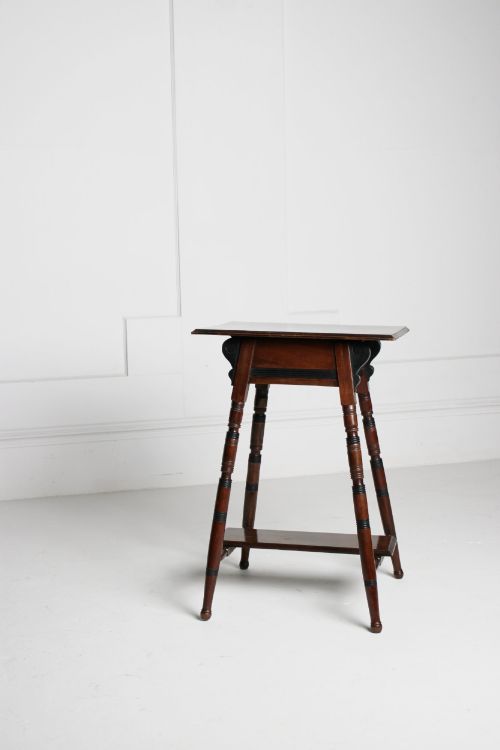
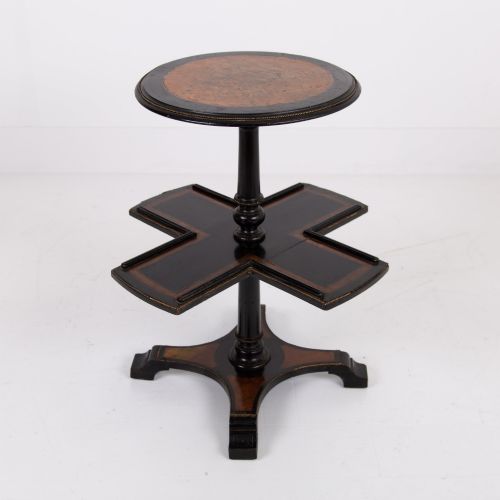
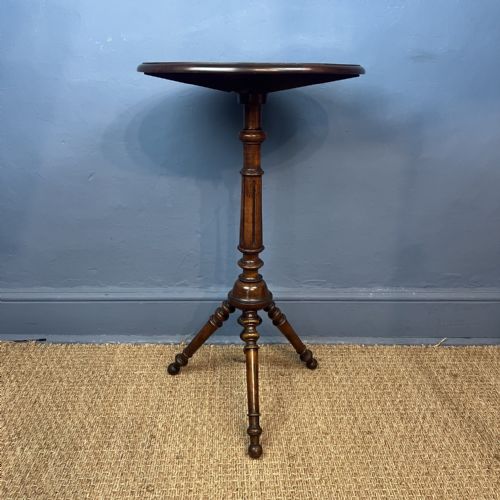
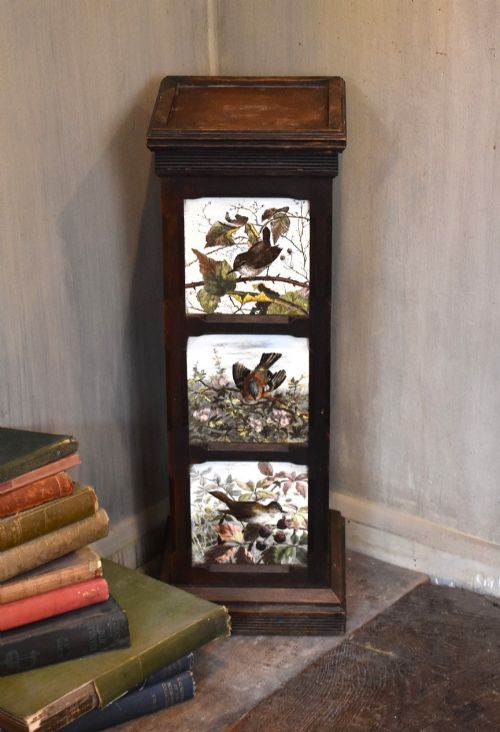
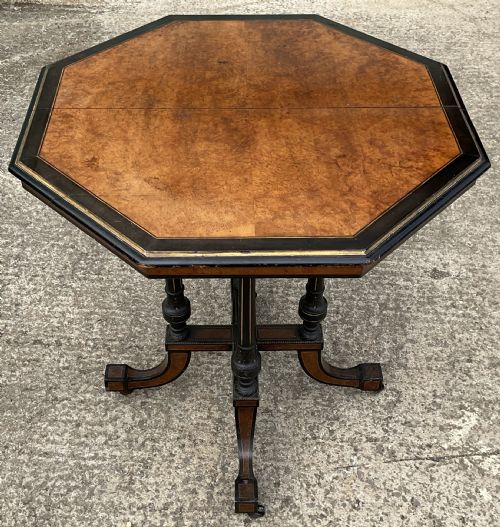
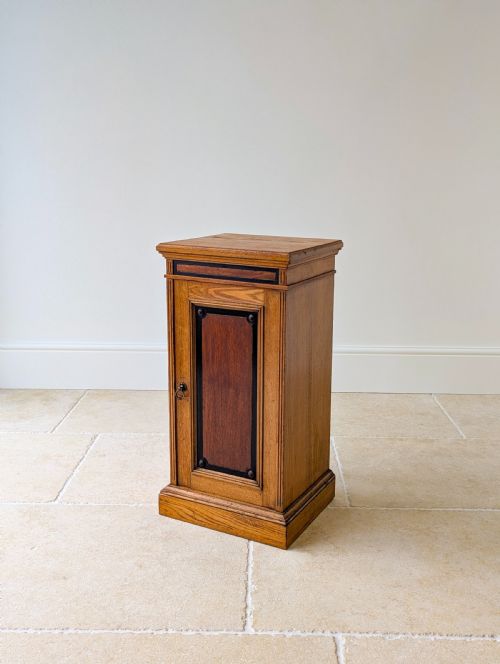
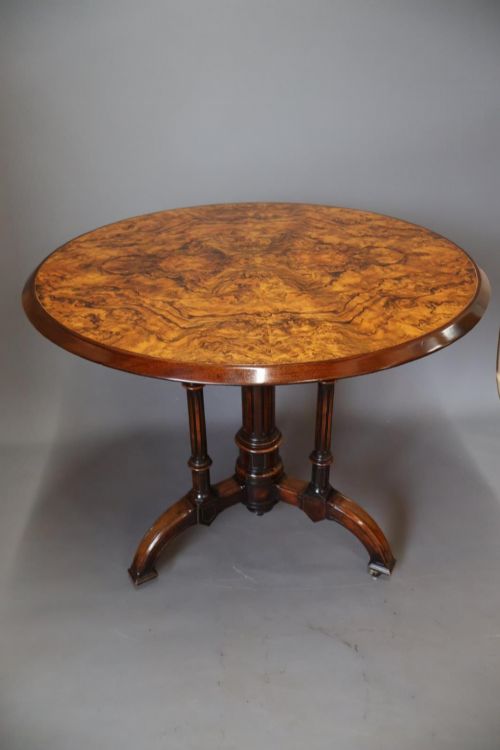


Aesthetic Movement Pedestal
An aesthetic movement pedestal brings striking Victorian design and rich ebonised timber into a room to display sculpture or ceramics.
Aesthetic Movement Pedestal
When you search for an aesthetic movement pedestal, you encounter Victorian display columns and stands created during the late nineteenth century. These architectural supports often pair ebonised wood with contrasting materials, reflecting the era's fascination with Japanese design principles.
The pieces appearing here span the Victorian decades from eighteen sixty to eighteen ninety, alongside associated forms like tiled pedestals and jardiniere stands. They function primarily to elevate decorative objects, plants, or porcelain vases within a room.
Makers working within this idiom embraced simple geometric forms enriched by subtle carving or inlay. They provide a sturdy vertical element that contrasts pleasingly with lower seating and tables.
Materials and construction
Cabinet makers constructed these pedestals predominantly using ebonised wood, mahogany, walnut, and ash, often incorporating gilt or brass details. Ebonising created a dense black finish that imitated expensive ebony and set off colourful ceramics or bronzes placed upon the top surface.
Joinery techniques combined traditional framing with applied mouldings, turning, and sometimes ceramic tile inserts or porcelain panels. Lacquer and fine polishing protected the timber while highlighting the grain or the deep matte black of the ebonised surfaces.
Listings feature ebonised wood, mahogany, walnut, brass, and porcelain across Victorian periods from eighteen sixty to eighteen ninety.
Qualities of distinction
Excellence in these stands reveals itself in the crispness of the turning, the quality of the timber preparation, and the integration of decorative elements such as tiles or porcelain inserts. Superior examples display thoughtful proportions and careful joinery that remain completely rigid under weight.
The distinction between ordinary workshop production and exhibition quality pieces lies in the subtlety of the surface finish and the sophistication of any applied ornament. Master makers exerted great care over the balance of the silhouette and the precise execution of ebonising or gilding.
Druce & Co London·Gillow & Co.·George Faulkner Armitage·Liberty·Hadley's Worcester·Harrach·Royal Worcester·Edwards and Roberts
The Aesthetic Movement Pedestal Glossary
- Ebonised wood
- Timber treated with a dark stain or chemical process to imitate solid ebony. This finish became immensely popular during the Victorian period for highlighting gilt mounts and porcelain.
- Japonisme
- The influence of Japanese art and design on Western decorative arts during the late nineteenth century. This movement inspired asymmetrical compositions, natural motifs, and simplified geometric lines.
- Jardiniere stand
- A tall piece of furniture designed specifically to hold a plant pot or flower bowl. These stands frequently incorporated waterproof liners or tiled tops to protect the wood from moisture.
- Tiled pedestal
- A display column incorporating glazed ceramic tiles into the top surface or shaft. These tiles often featured floral or avian designs typical of late nineteenth-century manufacture.
- Gilding
- The application of gold leaf or powder to wood or metal surfaces to create decorative highlights. Victorian makers used this technique sparingly to accent carved details or mouldings.
Aesthetic Movement Pedestal: Frequently Asked Questions
What is an aesthetic movement pedestal?
An aesthetic movement pedestal is a nineteenth-century display stand designed to elevate ornaments, sculptures, or plants within a Victorian interior. These pieces emphasise decorative form, often utilising ebonised timber and Japonisme motifs.
They serve both a functional and an aesthetic role, breaking up vertical space in a room and drawing the eye to a favoured object placed upon the top surface.
How were aesthetic pedestals used?
Victorian households utilised these stands primarily in drawing rooms, morning rooms, and hallways for displaying porcelain vases, bronzes, or potted plants. They allowed homeowners to showcase decorative acquisitions at eye level.
Positioned in corners or against blank wall spaces, they added architectural interest and vertical rhythm to domestic interiors without occupying a large floor footprint.
What materials did makers use?
Makers constructed these stands using hardwoods such as mahogany, walnut, ash, and ebonised timber. They frequently incorporated brass fittings, gilded accents, and glazed ceramic tiles.
The choice of ebonised wood provided a dark, neutral background that made colourful porcelain or bronze objects stand out dramatically in a room.
How do I date an aesthetic pedestal?
Dating relies on examining the timber species, construction methods, and stylistic markers characteristic of the Victorian period between eighteen sixty and eighteen ninety. The presence of Japonisme motifs or specific maker signatures provides further chronological clues.
Comparative analysis with documented pieces by firms recorded in the evidence helps narrow the decade of manufacture and confirms period authenticity.