


Gillows Style Pedestal
These pieces built in a gillows style pedestal tradition offer robust timber construction and refined forms from the eighteenth and nineteenth centuries.
Gillows Style Pedestal
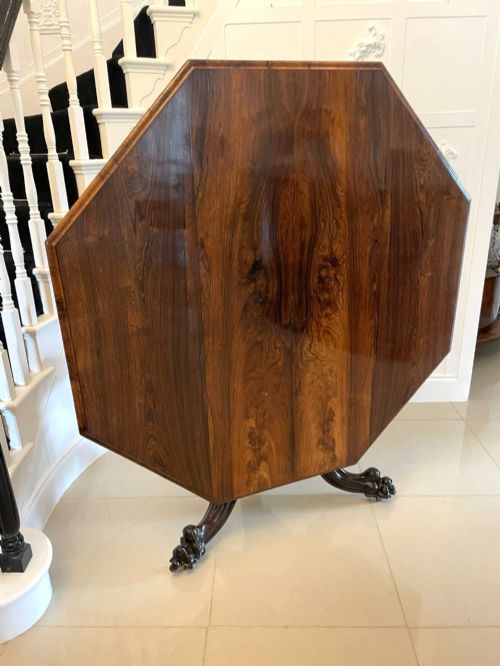
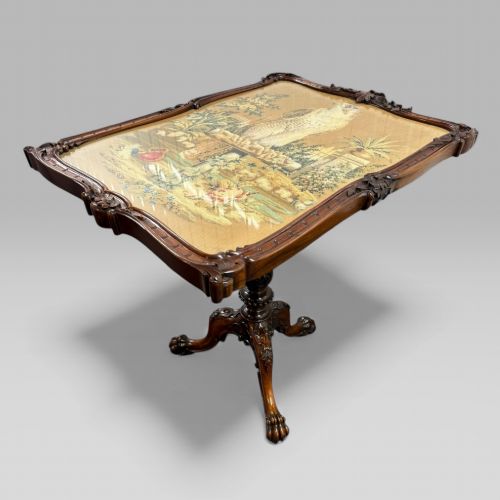
A gillows style pedestal encompasses a range of nineteenth century and earlier forms including occasional tables, centre tables, desks, and pedestals themselves. Buyers examining this page encounter pieces spanning the Regency, Georgian, William IV, and Victorian periods.
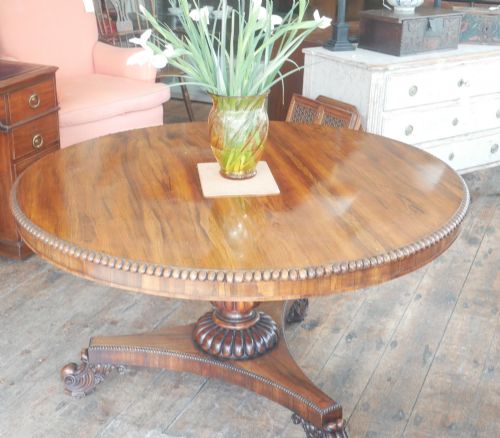
The objects most frequently met here demonstrate cabinet-making traditions associated with Lancaster and London workshops. These designs range from simple tripod tables to substantial library tables and cabinets.
Makers and designers of this pedigree focused on functional elegance, creating sturdy furniture intended for domestic and library use. The execution typically reflects classicism adapted for nineteenth century interiors.
Materials and construction methods
Makers utilised dense timbers such as mahogany, rosewood, satinwood, and oak, often paired with brass hardware and leather inserts. These materials provided the structural strength required for heavy library desks and tables.
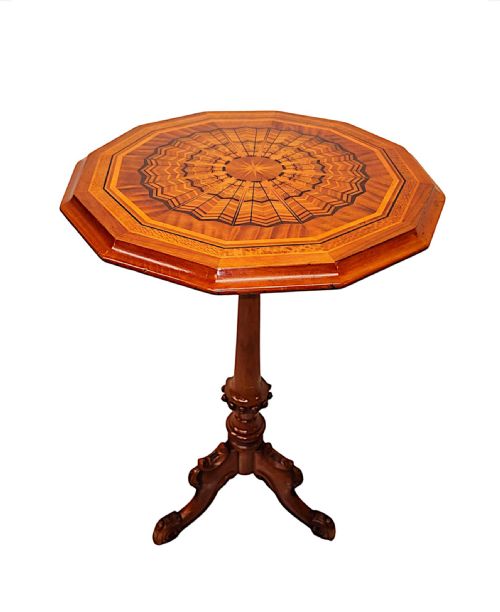
Inlaid decoration and contrasting veneers like burr walnut and satinwood appear on finer examples to accentuate the surfaces. Joinery techniques ensured stability for pieces subjected to regular use such as tilt-top tables and work tables.
A sewing table complete with its original compartment reminds us that nineteenth century needlework required dedicated furniture.
Factors determining quality
The grade of timber and the precision of the inlay set the highest examples apart from standard workshop output. Dense grain mahogany and carefully selected rosewood indicate superior selection by the cabinet-maker.
Proportion and execution of carved details distinguish pieces produced by leading firms from general vernacular production. The integrity of original brass fittings and secondary timbers further confirms the standard of manufacture.
Gillow and Co·Gillows of Lancaster·James Winter and Son
The Gillows Style Pedestal Glossary
- Regency
- A stylistic period spanning the early nineteenth century characterised by classical motifs and restrained ornamentation. Furniture from this era often utilises dark hardwoods.
- Satinwood
- A durable, lustrous timber imported from the tropics, used for fine veneers and inlay work. Its pale yellow colour brightens cabinet surfaces.
- Tripod Table
- A small table supported by a central pillar resting on three feet. This form was popular for occasional, lamp, and wine tables.
- Library Table
- A large freestanding table designed for scholarly use, typically fitted with drawers. These pieces often feature leather writing surfaces.
Gillows Style Pedestal: Frequently Asked Questions
How do I identify a piece in this style?
Look for disciplined proportions, precise timber selection, and classical decorative details typical of nineteenth-century workshop traditions.
Examination of secondary woods and construction joints also helps connect a piece to these cabinet-making methods.
Were these tables used for dining?
Larger centre and breakfast tables served multiple domestic purposes including dining and social gatherings.
Smaller tripod and occasional versions were designed to be moved easily around the room for lamps or drinks.
How should I care for rosewood and mahogany surfaces?
Keep timber furniture away from direct sunlight and sudden temperature changes to prevent splitting in the grain.
Apply traditional wax polish sparingly and buff with a soft cloth to maintain the natural lustre of the wood.
What distinguishes Regency pieces from Victorian examples?
Regency items generally display strict adherence to classical antiquity with clean lines and restrained brass mounts.
Victorian pieces often incorporate heavier proportions and eclectic revival styles such as the Aesthetic Movement.