



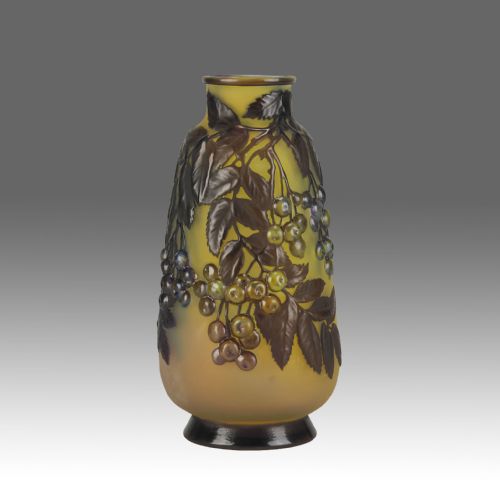
Acid Etched Vase
An acid etched vase brings tactile depth and rich botanical colour into a room, combining chemical precision with artistic design.
Acid Etched Vase
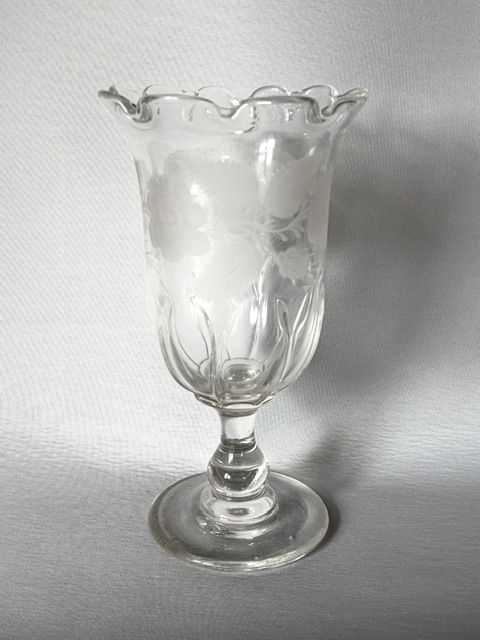
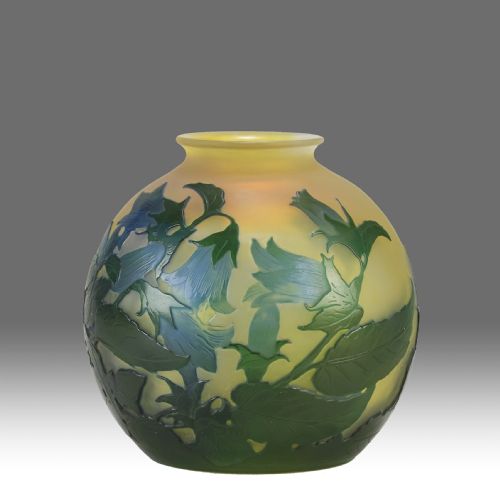
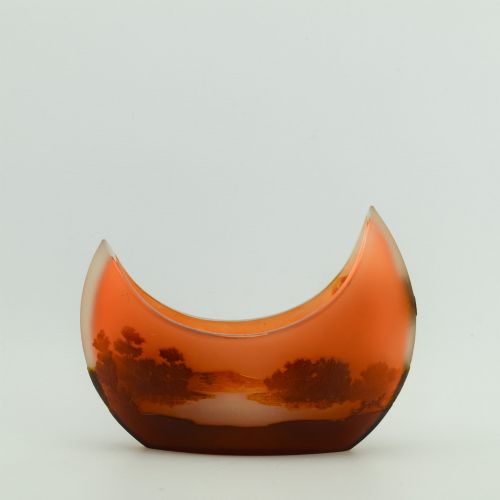
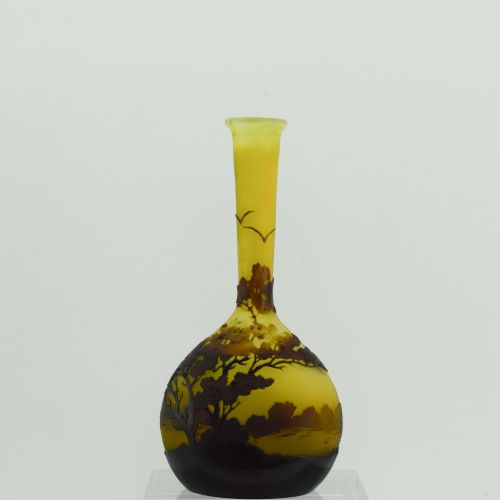
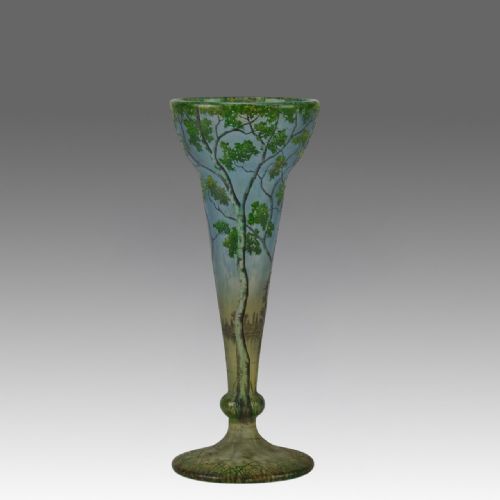
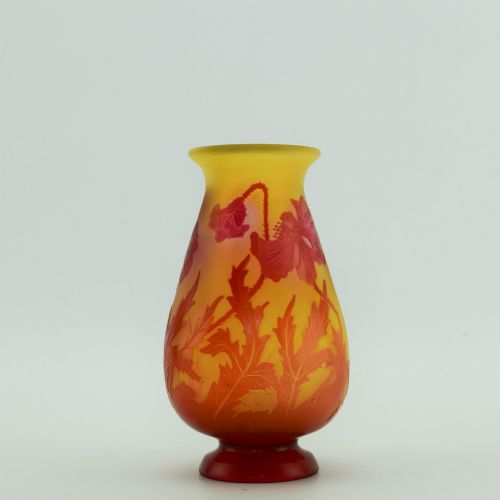
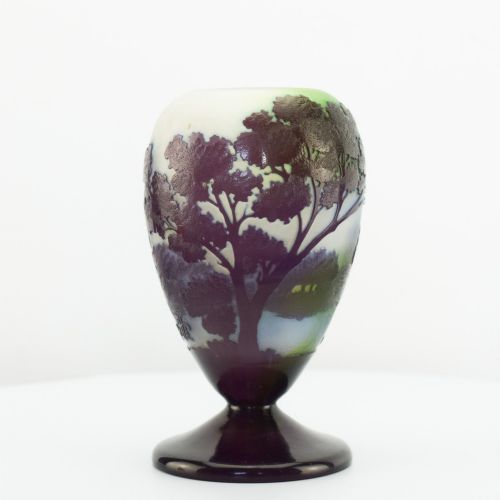
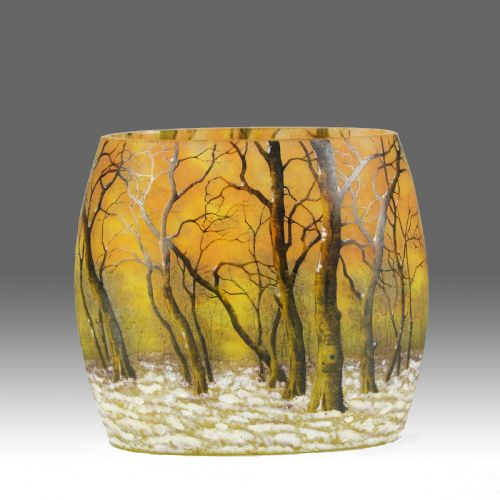
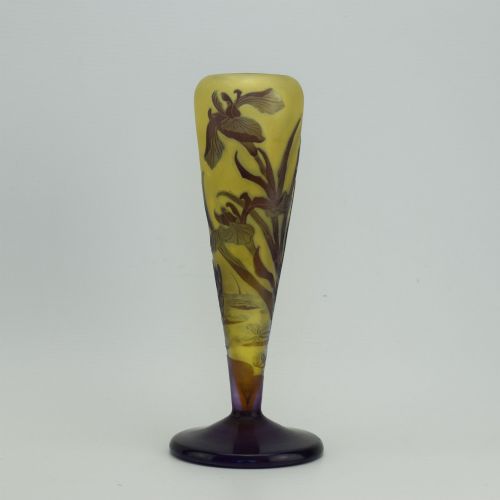
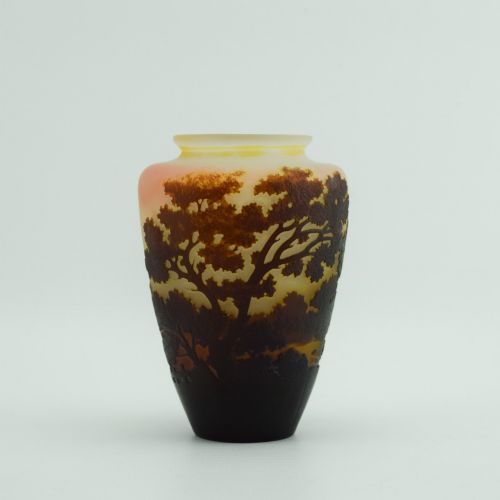
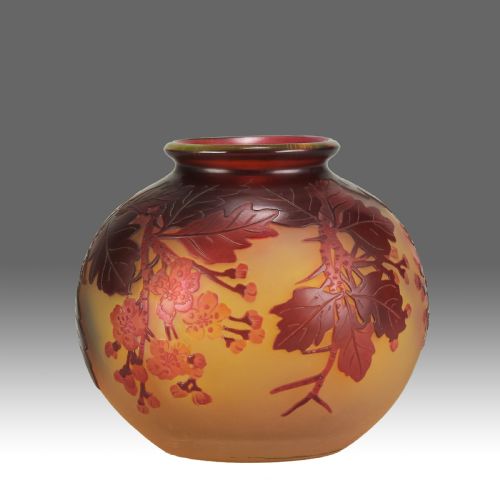
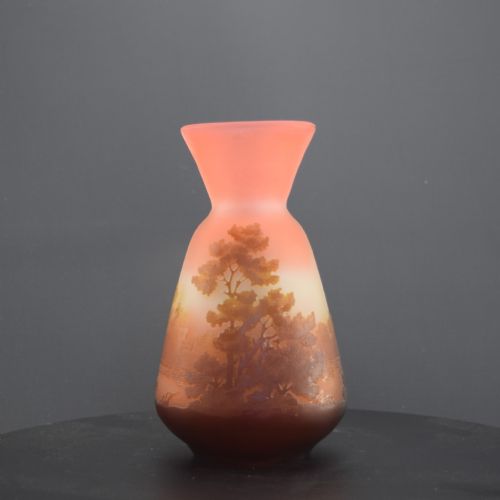
When searching for an acid etched vase, collectors encounter pieces spanning from the Victorian era through the Art Nouveau and Art Deco movements. The selection relies heavily on early twentieth century French glassworks, featuring distinct floral motifs, landscapes, and aquatic themes across various vessel shapes.
The most common examples on this page date from nineteen hundred to nineteen twenty, representing the height of French cameo glass production. Alongside these, earlier Victorian celery vases and later modernist pieces demonstrate how glass decoration evolved over several decades.
Materials and technique
Makers utilised layered cameo glass, frosted glass, and enamelled glass, applying acid to eat away specific areas of the surface. This chemical biting technique exposed contrasting colours beneath, creating relief designs without traditional wheel cutting.
Some ambitious works incorporated gold leaf or detailed enamel painting over the etched glass body to enhance the dimensional effect of flowers and winter landscapes.
Listings feature Victorian, Art Nouveau, and Art Deco styles, with materials ranging from simple frosted glass to complex multi-layered cameo glass.
Judging the work
Quality rests upon the depth of the chemical bite and the crispness of the layered glass relief. A superior vessel shows precise control over the acid, resulting in clean transitions between coloured strata and realistic rendering of natural subjects.
The complexity of the design also dictates standing, with multi-layered landscapes and detailed floral interpretations requiring greater skill from the glasshouse than simpler single-colour patterns.
Emile Gallé·Daum Frères·Jean Luce·Thomas Webb and Sons·Schneider·Baccarat·Paul Nicholas
The Acid Etched Vase Glossary
- Cameo Glass
- Glass vessels formed with multiple layers of different coloured glass fused together. The outer layers are then carved or acid etched away to create a raised design.
- Acid Etched Glass
- Glass treated with hydrofluoric acid to corrode the surface. This method produces frosted textures or deep sculptural relief depending on the duration of exposure.
- Enamelled Glass
- Glass decorated with powdered glass mixed with an oily medium, then fired in a kiln. This technique adds vibrant surface colour and intricate detail to the vessel.
- Frosted Glass
- Glass with a textured, translucent surface achieved by acid etching or sandblasting. It diffuses light softly across the body of the vase.
Acid Etched Vase: Frequently Asked Questions
Where should I display these vases?
Place your vessel near a natural light source to highlight the layered colours and translucent qualities of the glass. Windowsills or illuminated display cabinets work particularly well.
Keep pieces away from direct, intense sunlight for prolonged periods to prevent any sensitive enamel colours from fading over time.
How do I identify the period?
Examine the stylistic cues, such as flowing organic plant motifs typical of Art Nouveau or geometric abstraction characteristic of Art Deco. Victorian pieces often present heavier proportions and traditional celery or floral forms.
Look for signature methods specific to the maker, including cameo signatures etched into the side of the glass body during the production process.
Can I use these for fresh flowers?
Most antique glass vessels can hold water safely, but historical fragility means extra caution is required during filling and cleaning. Consider using a small inner liner if you worry about mineral deposits.
Many collectors prefer to display these works empty as sculptural art objects rather than risking moisture contact with historic surfaces.