




Geometric Glass Vessel
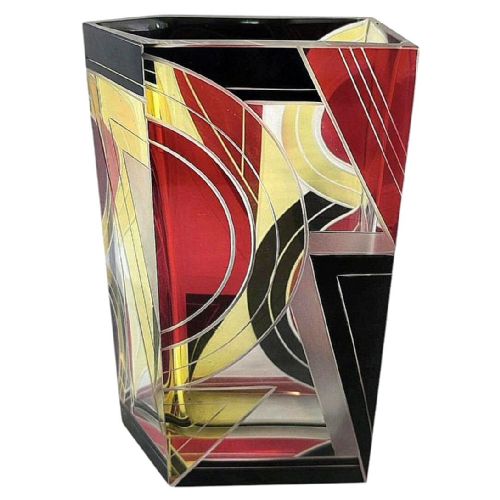
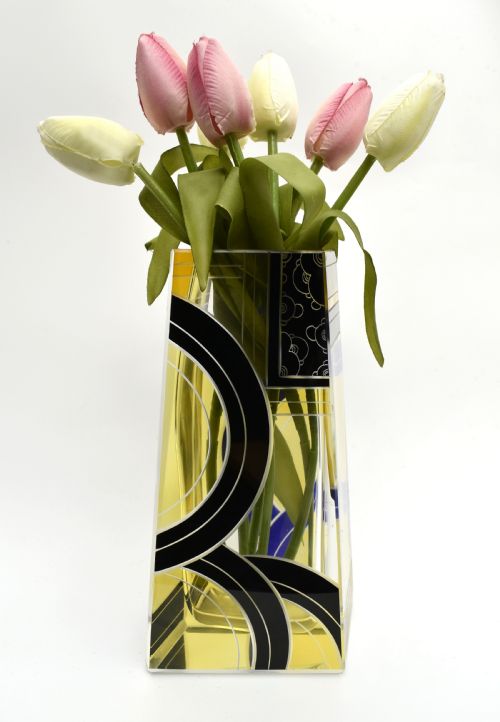
A geometric glass vessel brings sharp lines and bold colour into a room, capturing the distinct spirit of the 1930s.
Geometric Glass Vessel
When you search for a geometric glass vessel, you are looking at decorative display pieces that define the modernist aesthetic of the 1930s. The versions you are most likely to meet on this page take the form of tall or square vases originating from makers in Belgium and the Czech Republic. These items showcase angular motifs and strong silhouettes that suited the interior design of the interwar period.
The dominant style found here is Art Deco, which heavily influenced the decorative arts of the early twentieth century. Makers utilised rich palettes including sapphire blue, green, and uranium glass to create striking visual contrasts. Each piece serves as a compact example of period design, intended for display on mantelpieces or sideboards rather than for heavy practical use.
How they were made
Makers shaped these items using lead crystal, cased glass, and overlay glass, building up layers of colour that could be carved away. Techniques such as deep etching and cutting exposed contrasting layers beneath the surface to create sharp linear patterns. Enamel decoration was frequently applied by hand to add geometric bands and motifs directly onto the glass body.
The combination of cased glass and acid etching allowed workshops to achieve precise patterns with a tactile finish. Workers manipulated heavy crystal glass while hot, later cutting and polishing the facets by hand once the material cooled. Enamel work required careful firing to bond the coloured pigments securely to the exterior of the vessel.
Some of these green vessels possess a hidden superpower, glowing fiercely green under an ultraviolet lamp thanks to uranium content.
What varies in quality
The distinction between standard production and finer work lies in the depth of the cutting and the crispness of the etched lines. Superior examples display clean, exact boundaries between the coloured overlay and the clear crystal underneath. Hand-applied enamel work also shows variation in skill, with better pieces featuring precise brushwork and even saturation across the geometric patterns.
Weight and balance indicate the substance of the glass used in the vessel, with denser lead crystal providing a more substantial feel. The complexity of the design, such as multi-layered cased glass combined with deep surface carving, separates standard commercial output from the more ambitious studio pieces.
Charles Graffart for VSL·Jean Luce·Karl Palda·Val St. Lambert
The Geometric Glass Vessel Glossary
- Cased glass
- Glass formed of two or more distinct layers of different colours, often cut away to reveal the contrasting layer beneath. This technique creates strong visual depth in decorative items.
- Overlay glass
- A type of cased glass where a thin layer of coloured glass covers a base of clear or contrasting glass. It permits intricate surface cutting.
- Etched glass
- Glass treated with acid or abrasive substances to create recessed patterns or a frosted matte surface. The process allows for precise linear designs.
- Uranium glass
- Glass containing small amounts of uranium dioxide, which glows brightly under ultraviolet light. It typically presents a distinctive yellow-green hue.
- Lead crystal
- Glass containing metal oxide that increases weight, clarity, and brilliance. This material allows for sharper facets when cut.
Geometric Glass Vessel: Frequently Asked Questions
Are these vases safe to hold water?
Most of these vessels were designed primarily for decorative display during the Art Deco period rather than everyday utility.
While the glass itself holds water safely, older enamel decorations can be sensitive to prolonged moisture exposure and aggressive cleaning.
How do I identify a 1930s piece?
Look for specific stylistic markers such as sharp geometric etching, bold primary colours, and heavy crystal or cased glass construction characteristic of the era.
Items from this decade frequently exhibit forms tied closely to the Art Deco movement originating in Europe.
Where were these glass vessels made?
The pieces listed originate principally from specialised glassworks in Belgium and the Czech Republic, which were major centres of design at the time.
Specific workshops and named designers produced distinctive lines that catered to an international market for modern home decor.
How should I display a geometric glass vessel?
Position the piece where natural light can pass through the coloured layers and highlight the etched or cut geometric patterns.
Keeping them away from direct heat sources and edge hazards protects the surface enamels and heavy crystal bodies from accidental damage.