

20th Century Marine Art
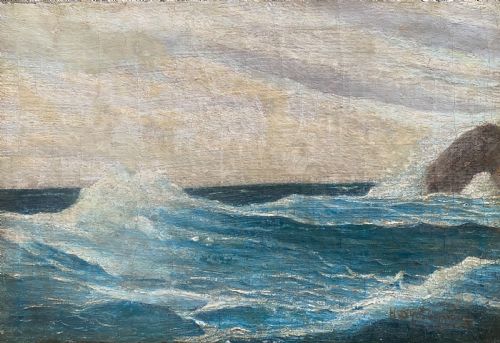
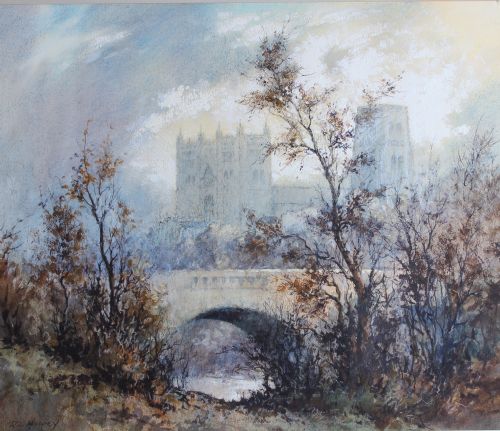
20th century marine art captures naval vessels, bustling harbours and coastal seascapes through original paintings and watercolours that bring the ocean indoors.
20th Century Marine Art
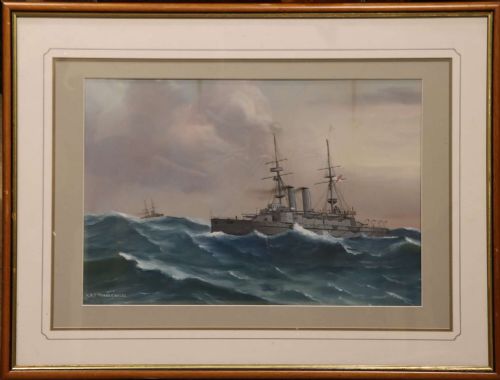
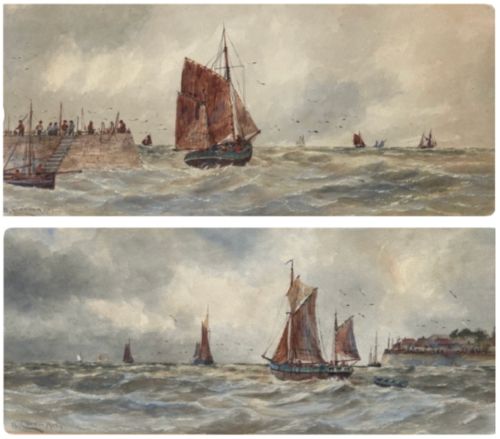
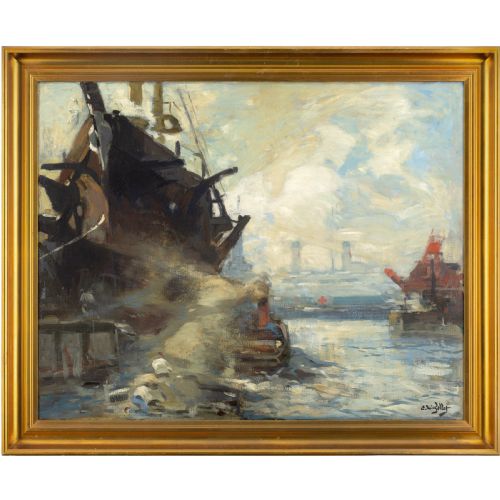
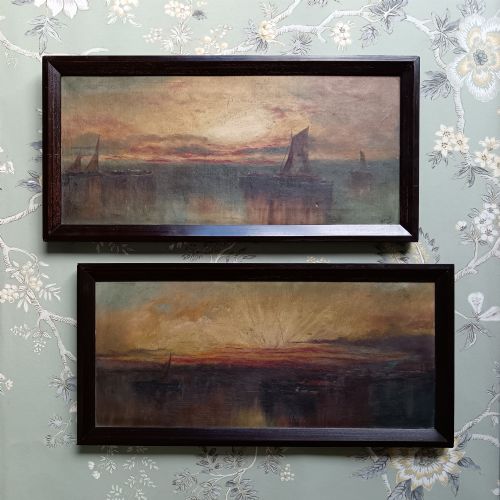
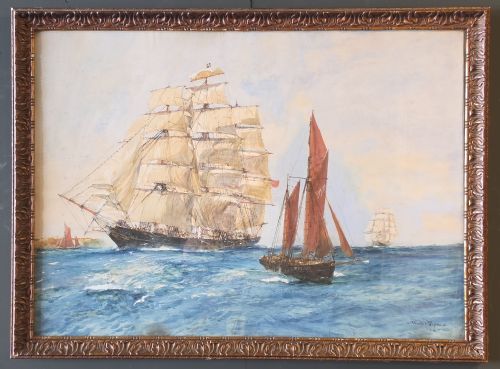
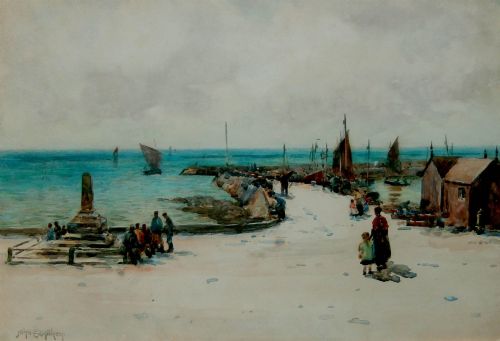
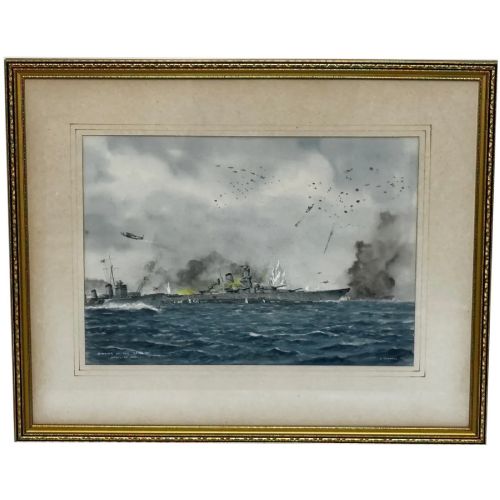
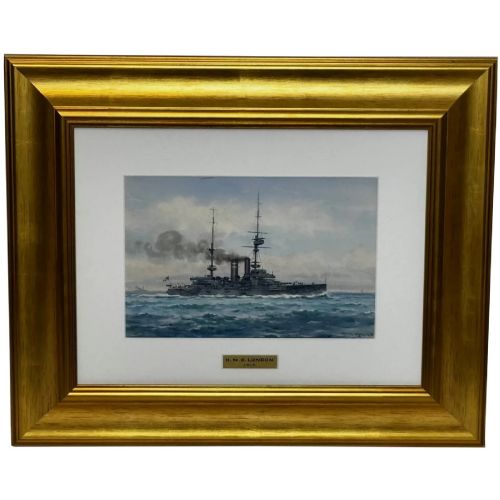
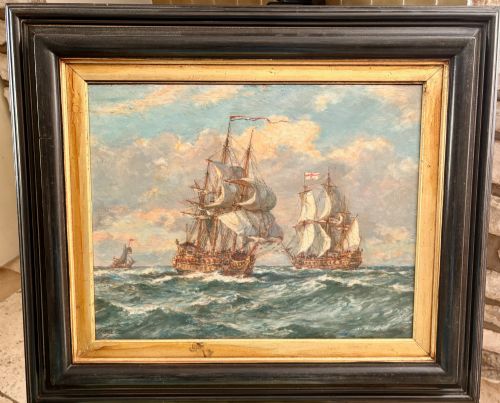
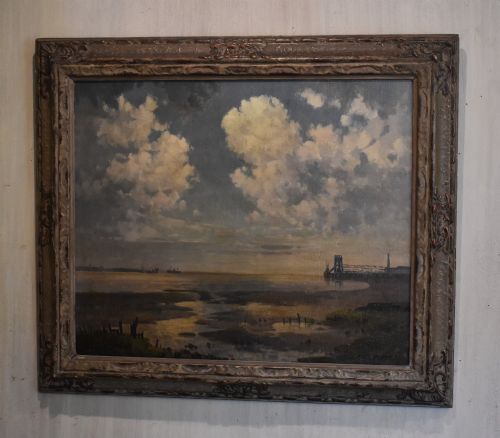
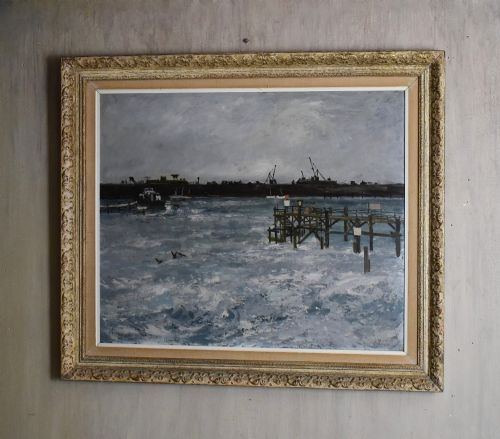
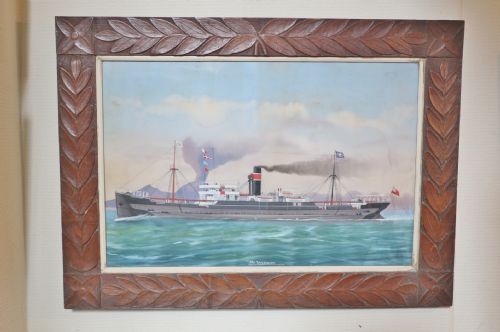
When you examine 20th century marine art, you are looking at original paintings, watercolours and gouaches that document naval history, working fishing boats and coastal harbours. The selection spans the Edwardian era through the decades of the mid-century, reflecting changing artistic movements across Britain and continental Europe.
You are most likely to encounter framed watercolour paintings and oil paintings on canvas or board. These works capture specific vessels, from steamships and naval destroyers to traditional junks, alongside broader scenes of stormy seas and tranquil coastal anchorages.
Materials and methods
Artists relied primarily on oil paint applied to canvas, board or wood panels, alongside watercolours and gouache executed on paper. These traditional media allowed painters to capture the translucent quality of water and the heavy atmosphere of coastal weather.
Supports varied according to the scale and intention of the piece, with smaller works frequently utilising board or paper for immediacy, while larger maritime canvases offered scope for detailed depictions of ships and complex seascapes.
20th Century Marine Art Retail Price Guide 2026
Typical asking prices for 20th century marine art among the pieces listed under this phrase on Sellingantiques today, from the lower quarter to the upper quarter. They describe what is for sale here now, not the wider market.
Listings feature works spanning from the Edwardian era through the 1960s, executed in oil, watercolour, gouache, and canvas.
Distinctions in quality
Quality in 20th century marine art rests on the artist's command of light, atmosphere and maritime architecture. The strongest pieces demonstrate confident brushwork that conveys the movement of choppy seas and the structural accuracy of naval or commercial vessels without stiffness.
Works by established painters or those exhibiting distinct regional styles carry greater visual authority than anonymous decorative studies. Compositional balance and the successful rendering of atmospheric conditions separate standard topographical records from compelling artistic statements.
Kenneth Cozens·Charles Edward Dixon·Frank Watson Wood·Edward Seago·Donald McIntyre
The 20th Century Marine Art Glossary
- Gouache
- An opaque water-based paint that dries to a matte finish. Artists use it to achieve solid blocks of colour and fine details in maritime watercolours.
- Seascape
- A work of art depicting the sea, ocean or coastal views. These pieces focus on water, weather and maritime activity rather than land-based subjects.
- Board
- A rigid flat substrate used instead of stretched canvas for painting. Artists frequently applied oils or gouache directly to wooden or composition boards.
- Maritime
- Relating to the sea, ships and navigation. This term encompasses both naval subjects and commercial shipping or fishing scenes.
20th Century Marine Art: Frequently Asked Questions
What subjects appear in 20th century marine art?
The works depict naval warships, steamships, fishing boats and traditional sailing vessels navigating coastal waters and open seas. Many pieces focus on specific historical ships or recognised harbours across Britain, Europe and beyond.
Alongside vessel portraits, artists captured coastal landscapes, lighthouses, stormy waters and quiet river scenes. This variety reflects both documentary records of maritime history and broader impressionistic interpretations of the sea.
How should I display these watercolours?
Watercolours and works on paper require protection from direct sunlight to prevent the pigments and paper from fading over time. Framing behind conservation-grade glass helps shield the delicate media from ultraviolet light and environmental moisture.
Position these pieces on interior walls away from direct heat sources and damp areas. Proper framing ensures the paper remains stable and preserves the condition of the painting for decades.
How do I identify the period of a painting?
Dating often relies on the depicted vessels, clothing styles of figures on the shore, and the artist's active working dates. Signatures, inscriptions on the reverse, and stylistic markers such as Edwardian detail or mid-century impressionism provide further clues.
Framing materials and labels from period framers or exhibitions can also help narrow down the decade of creation. Comparing the technique to known dated works by the same artist confirms the timeline.
Where were these maritime paintings created?
The pieces originate primarily from British and European studios, reflecting coastal communities and naval ports. Artists worked on location in harbours across the British Isles, France, and the Mediterranean, or recorded naval engagements from official vantage points.
Studio works were subsequently produced based on sketches and observations gathered during coastal travels. This blend of direct observation and studio practice characterised maritime painting throughout the century.