



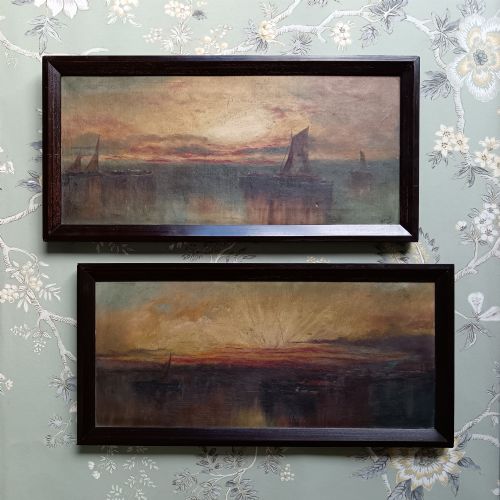
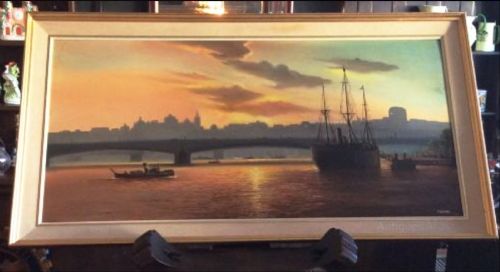

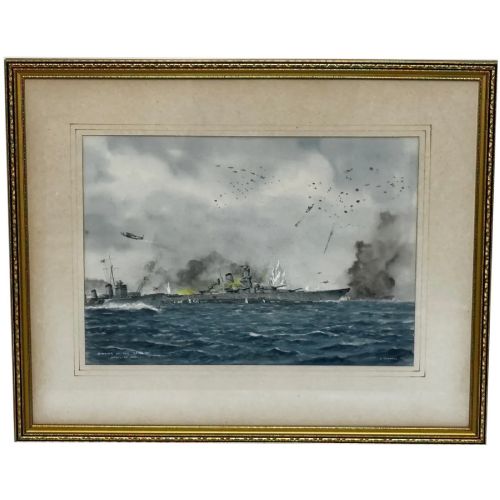

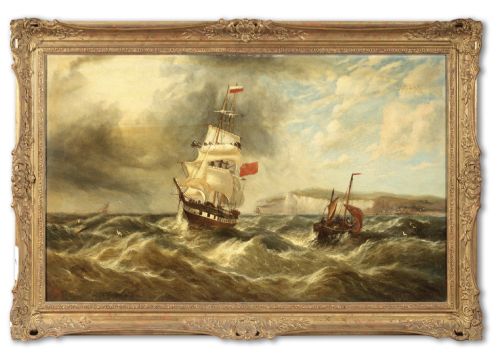

Framed Seascape Wall Painting
A framed seascape wall painting captures open water, naval engagements and coastal harbours across centuries of maritime art.
Framed Seascape Wall Painting
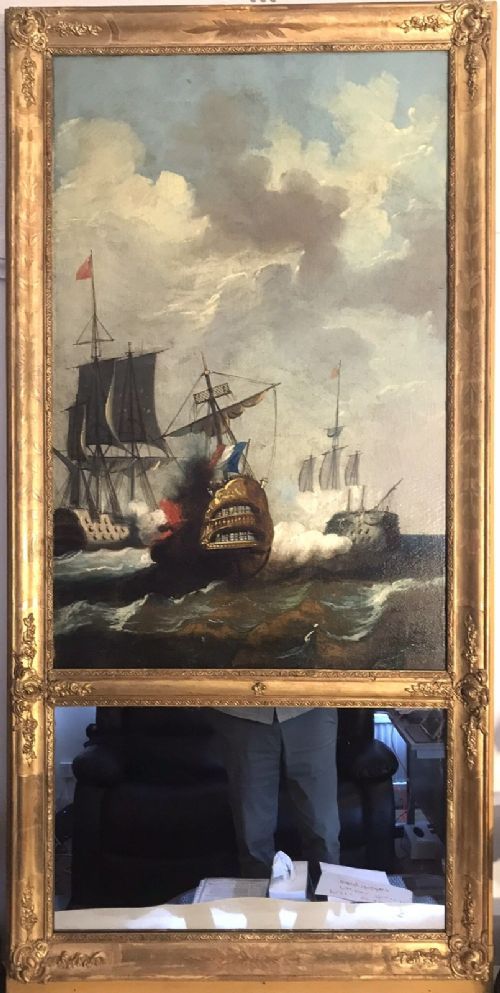
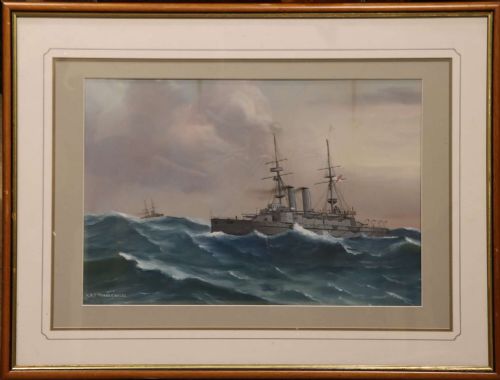
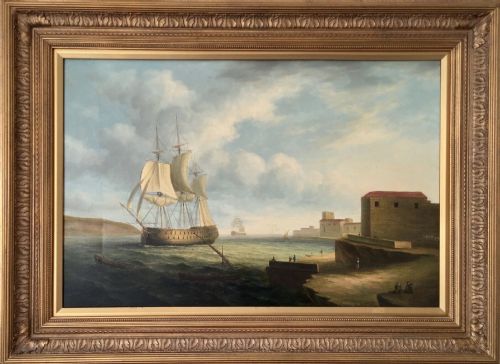
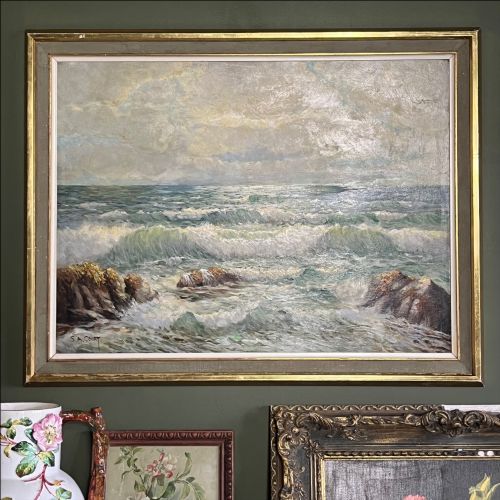
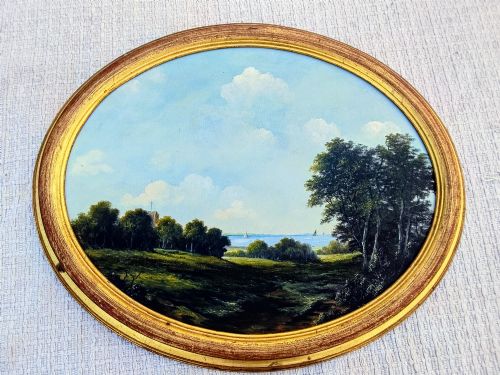
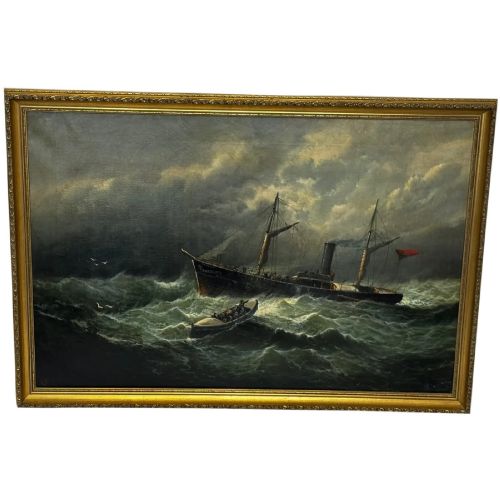
A framed seascape wall painting brings maritime history into a room, depicting sailing ships, naval battles, and coastal harbours. The selection spans 19th-century works to mid-century canvases, capturing everything from calm Venetian lagoons to turbulent seas in gales.
Buyers encounter oil paintings, watercolours, and gouache works housed in wood and gilt frames. Subjects range from traditional English fishing boats and Cornish harbours to specific vessels like the City of Carlisle taking troops to the Crimea.
Works appear from diverse periods including Victorian maritime art, Edwardian pieces, and mid-century modern interpretations. These pieces function as historical records of shipping and coastal life, preserved behind glass or within traditional wooden surrounds.
How they were made
Makers utilised oil paint on canvas, panel, and board to build textured surfaces that capture the movement of water and atmospheric skies. Artists often painted en plein air along coastal locations to record direct observations of light on the sea.
Watercolour and gouache on paper or board allowed painters to achieve luminous transparency in marine scenes, particularly for beach and harbour views. Framing involved wood surrounds, frequently enhanced with gilt details to complement the maritime subject matter.
Ships brave sudden gales while painted sailors weather perpetual storms inside their quiet domestic living rooms.
What varies in quality
The distinction between works rests on the artist's ability to render maritime atmosphere, rigging accuracy, and water movement convincingly. Signed works by documented painters carry greater historical weight than anonymous school pieces.
Frame construction and originality contribute significantly to the overall integrity of the piece, with period gilt wood surrounds enhancing the presentation of 19th-century and Edwardian canvases.
James Hardy·James Orrock·Eugène-Louis Gillot·William McAlpine·Sidney A. Court·B. Nash·Eric Tufnell·William Banks Fortescue·John Rose Miles·James Kay·William Broome·Bernard Gribble·Bonaventura Peeters·F. Corpuz·Clive Browne·Peter Brannan·Francis Moltino·Bernard Benedict Hemy·Thomas Creswick·Lucy Pratt·James Fry·Ethel Sands·Willem Bos·TB Hardy·Cecil Allan Mould
The Framed Seascape Wall Painting Glossary
- En plein air
- Painting outdoors to capture natural light and atmospheric conditions directly. This method was widely practiced by 19th-century and later artists.
- Gouache
- An opaque watercolour medium used on paper or board. It provides solid blocks of colour and fine detail in maritime illustrations.
- Gilt wood
- Wood carved and covered with a thin layer of gold leaf or gold paint. Frames utilising this finish were standard for significant oil paintings.
- Panel
- A flat piece of wood used as a rigid support for oil paintings before canvas became universal. Panels are common in earlier marine works.
- Maritime art
- Any form of visual art that depicts the sea, ships, boats, or coastal views. This genre includes historical naval engagements and quiet beach scenes.
Framed Seascape Wall Painting: Frequently Asked Questions
How do I hang a heavy framed oil painting?
Heavy oil paintings on canvas require secure wall fixings, ideally anchored directly into wall studs or masonry using appropriate picture hooks. Ensure the wire and D-rings on the back of the wood or gilt frame can support the total weight.
Position the centre of the painting at eye level for optimal viewing in a room. Balance the weight distribution carefully across two hooks for larger horizontal formats.
What is the difference between an oil and a watercolour seascape?
Oil paintings utilise pigment suspended in drying oils applied to canvas or panel, offering thick textures and deep colour saturation. Watercolours use water-soluble pigments on paper, producing lighter, translucent effects.
Watercolours and gouache works are typically framed behind glass to protect the paper from moisture and dust. Oil paintings on canvas usually remain unglazed, allowing the textured paint surface to breathe.
How should I clean a vintage gilt wood frame?
Gilt wood frames accumulate dust within their carved decorative recesses over time. Gently remove surface dust using a very soft, dry artist brush or a clean microfibre cloth.
Avoid applying water, chemical cleaners, or polishes to gilt surfaces, as moisture strips the gold leaf finish. Consult a professional restorer if the frame exhibits flaking or structural damage.
How can I tell the period of a maritime painting?
Dating often relies on the style of the vessels depicted, such as three-masted schooners, warship galleons, or early steamships. Costume details of figures on the shore and the construction of the wooden or gilt frame also provide clues.
Signatures, dates inscribed on the canvas, and exhibition labels on the reverse help narrow the period. Stylistic shifts from Victorian maritime realism to British Impressionism mark distinct eras.