
20th Century Figurative Painting
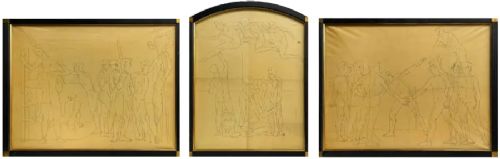
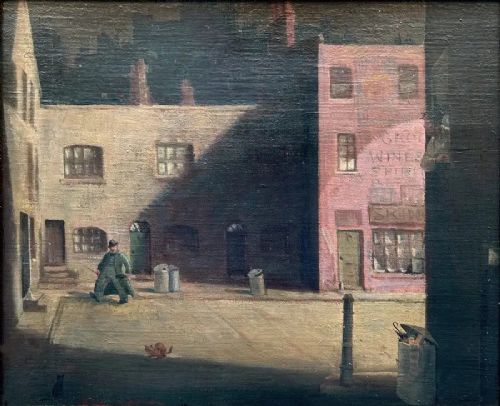
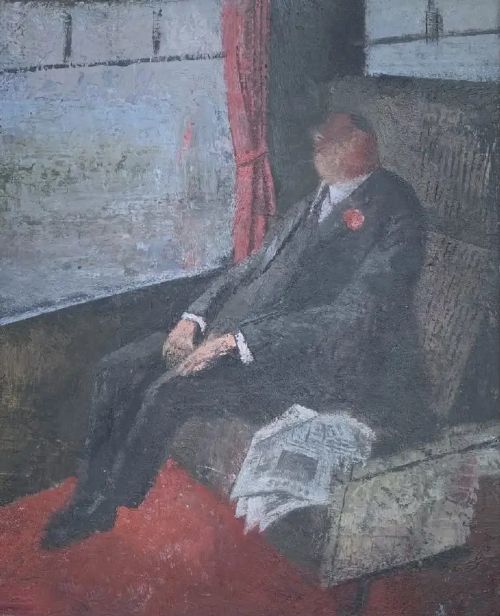
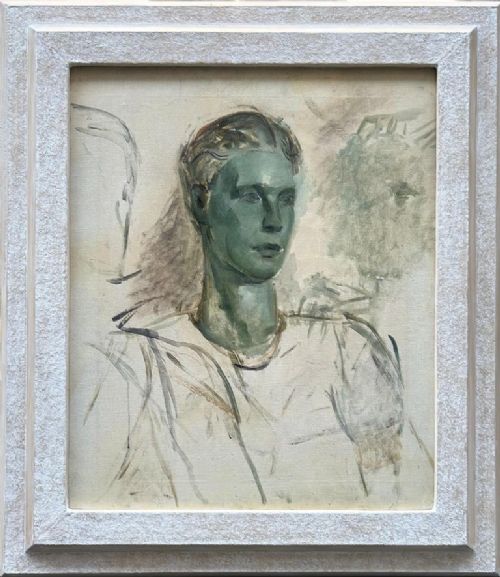
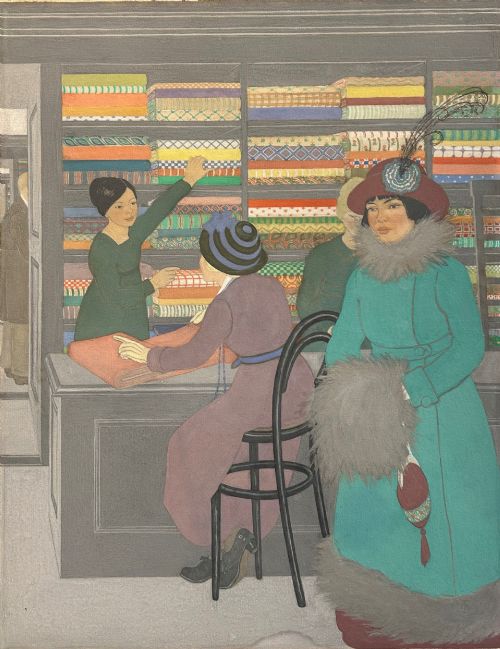
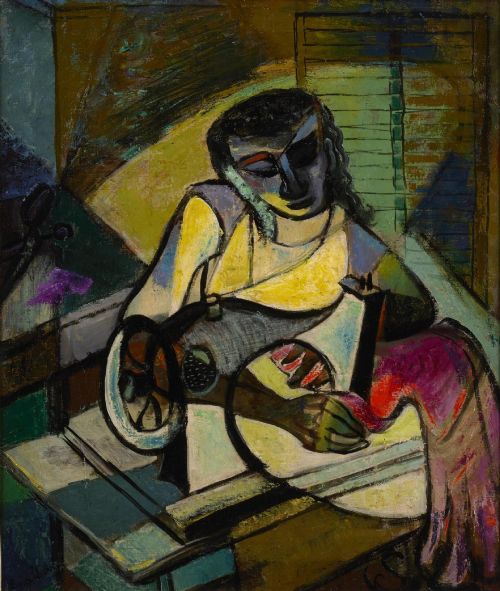
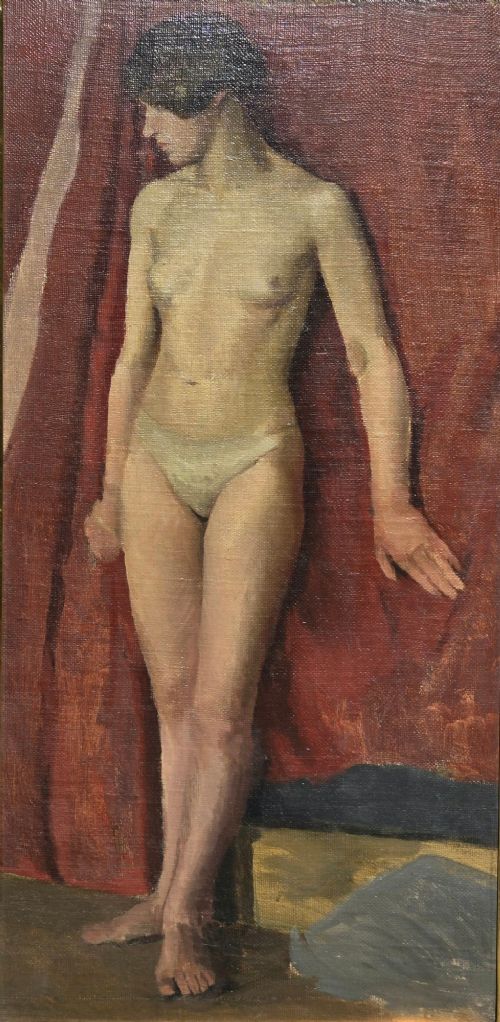
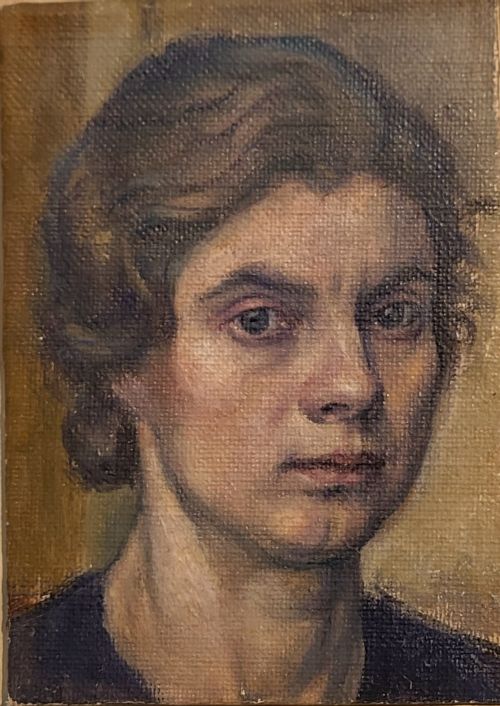
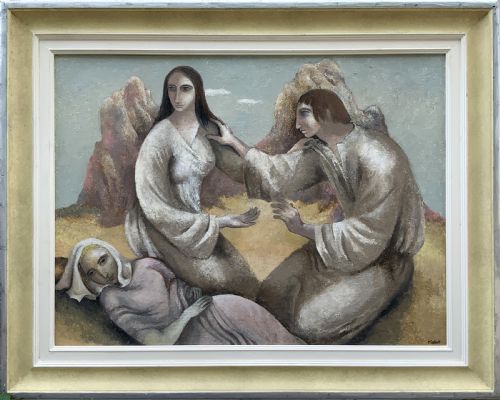
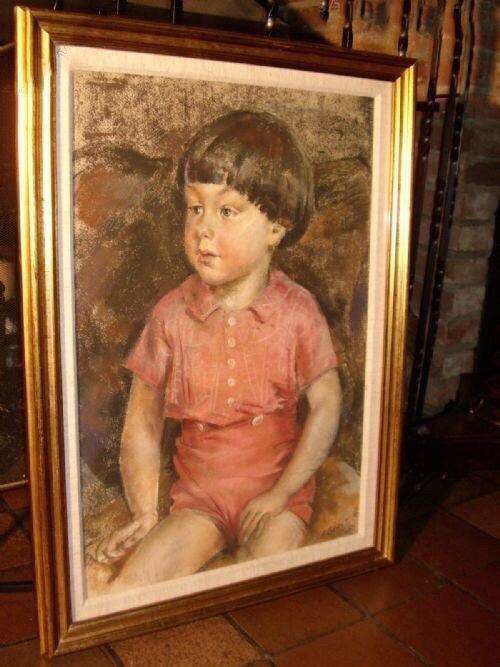
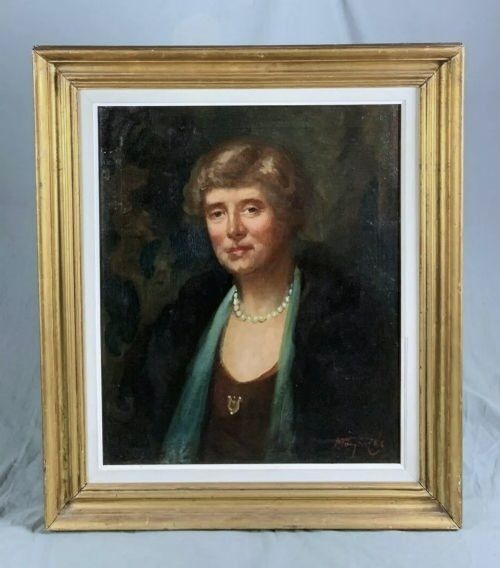
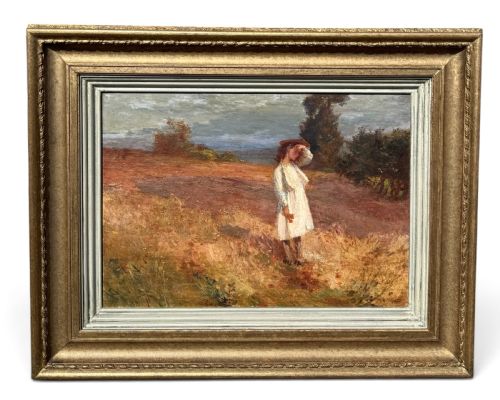
These works of 20th century figurative painting capture human presence and interior scenes through decades of shifting British and European styles.
20th Century Figurative Painting
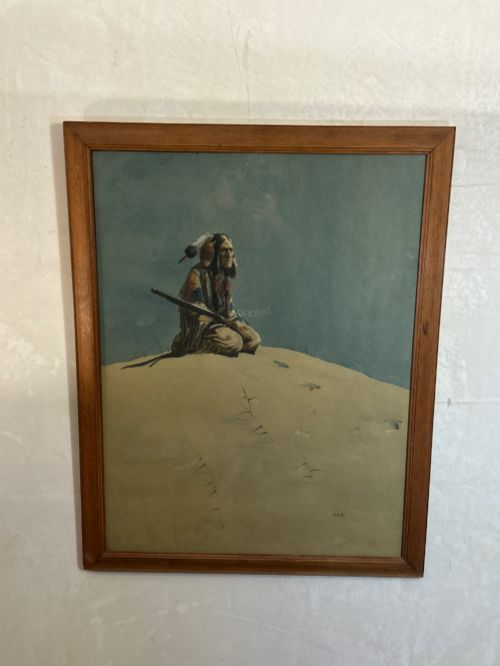
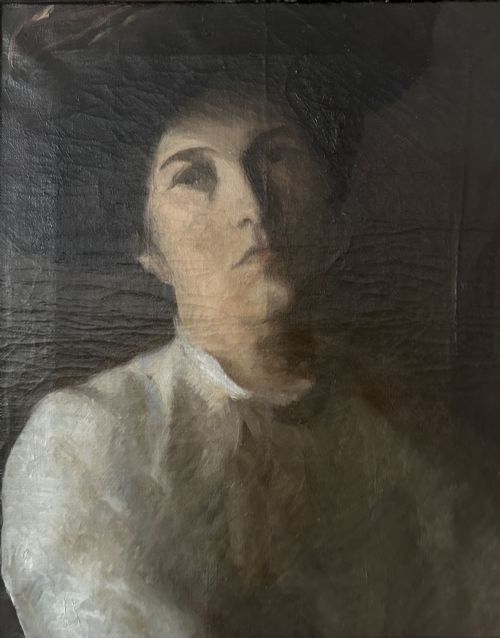
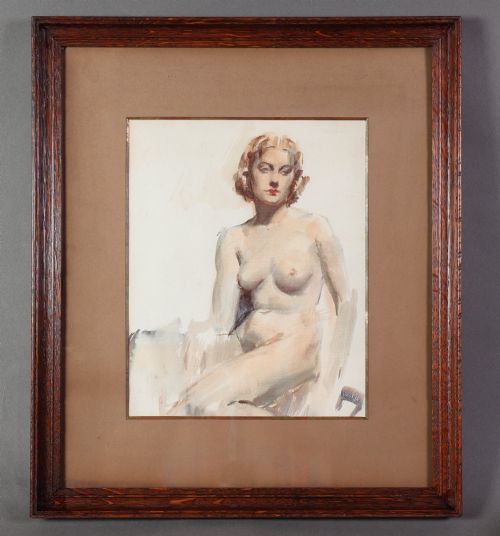
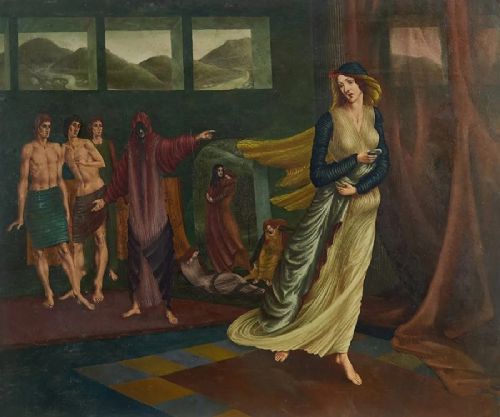
A selection of 20th century figurative painting encompasses portraits, nudes, and narrative scenes produced across decades from the Edwardian era through the mid-century period. Buyers encounter works executed by named artists as well as pieces attributed to the British School.
The visual vocabulary ranges from Post-Impressionism and Art Deco to Mid-Century Expressionism and the Bloomsbury style. Canvases and boards depict subjects from solitary figures to complex interior groupings.
How They Were Made
Makers applied oil paint, watercolour, pastel, and gouache onto supports of canvas, wood, paper, and glass. Impasto techniques build textured surfaces alongside smoother applications.
Works frequently feature gilt framing and are preserved behind glass where works on paper or board demand protection.
Several artists preferred domestic animals and puppets as models, capturing quiet moments with miniature horses and wooden figures.
What Varies in Quality
Mastery of proportion, psychological depth in portraiture, and brushwork control separate routine student output from accomplished studio execution. The confidence of the initial draughtsmanship dictates the overall visual success of the composition.
The preservation of the original pigment layer and the integrity of the support dictate the physical condition of the surviving piece.
John Hassall·Francis Plummer·James Stroudley·Francisco Sancha·Beatrice Saunders·Lena Gurr·Winifred Rymer·Christine Nesbit·Charles James McCall·Umberto Volpato·Valdemar Magaard·Percy Lancaster·Philip Naviasky·Lilian Colbourn·Ronald Ossory Dunlop·Margaret Maitland Howard·Henri Vincent-Anglade·Harry Freckleton·Attilio Toro·Allan Douglas Davidson·Gertrude Halsband·Baruch Shalom Oskotsky·Raoul Millais·Florence Hess·Derek Latimer Sayer
The 20th Century Figurative Painting Glossary
- Impasto
- Paint applied thickly to a canvas or panel, leaving visible brush or palette knife marks that stand proud of the surface. This technique adds tactile depth and catches light across the painted subject.
- Post-Impressionism
- An artistic movement extending beyond French Impressionism to emphasise symbolic content, heavier outlines, and expressive use of colour. Painters rejected strict naturalism in favour of more personal emotional expression.
- Mid-Century Modern
- A stylistic development spanning the middle decades of the twentieth century, characterised by simplified forms and a distinct shift away from ornate historical revivals. In painting, it often manifests in pared-down palettes and block composition.
- Bloomsbury Style
- An aesthetic associated with the early twentieth-century circle of English intellectuals, featuring decorative domestic subjects and vibrant flat planes of colour. Works in this manner prioritize expressive intimacy over academic finish.
- Intimist
- An artistic approach focused on domestic interiors and quiet, private moments involving family members or friends. Artists working in this mode capture unposed daily life with gentle illumination.
20th Century Figurative Painting: Frequently Asked Questions
What periods do these paintings cover?
The available selection spans from the Edwardian years through the 1960s, encompassing key movements like Modern British and Post-Impressionism.
Individual decades such as the 1930s and 1950s are particularly well represented across the current inventory.
Are most of these works framed?
Many examples retain their period frames, including gilt and wood mouldings that complement the painting style of their era.
Buyers should examine individual descriptions to confirm whether framing is included with the artwork.
How do I identify a British School piece?
Works attributed to the British School typically lack a confirmed named artist in the signature but display the technical training and stylistic hallmarks of British studio practice.
These paintings often focus on domestic portraits, landscapes, or figure studies from specific mid-century decades.
What surfaces were used by these artists?
Painters utilised canvas, wood panels, and heavy paper supports depending on the chosen medium.
Oil paint, watercolour, and gouache appear frequently across both boards and stretched canvases.