
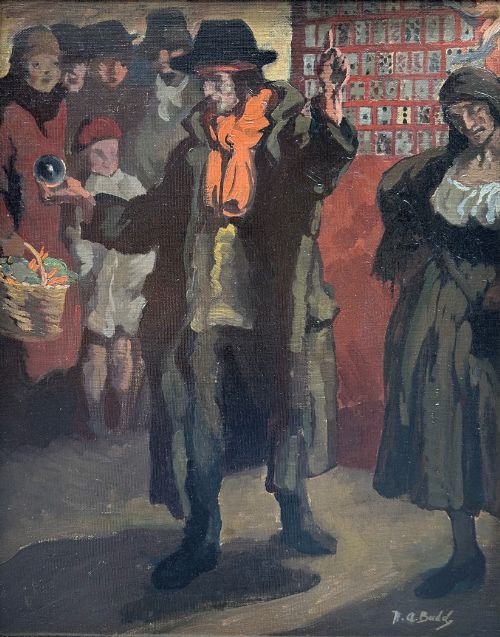
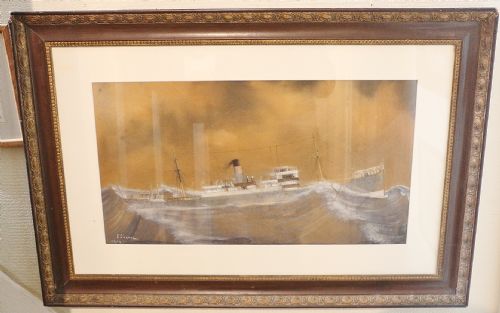

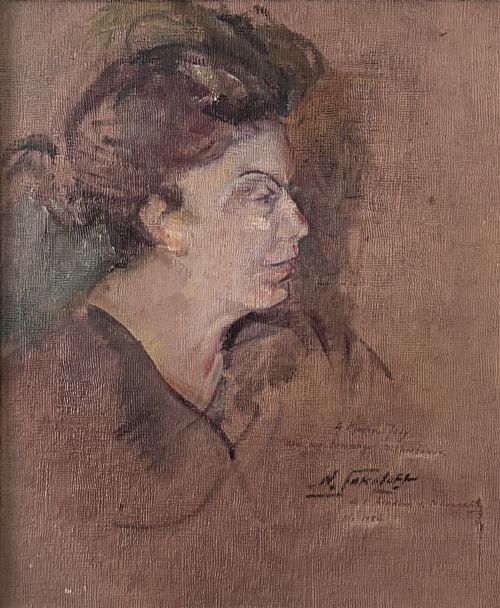
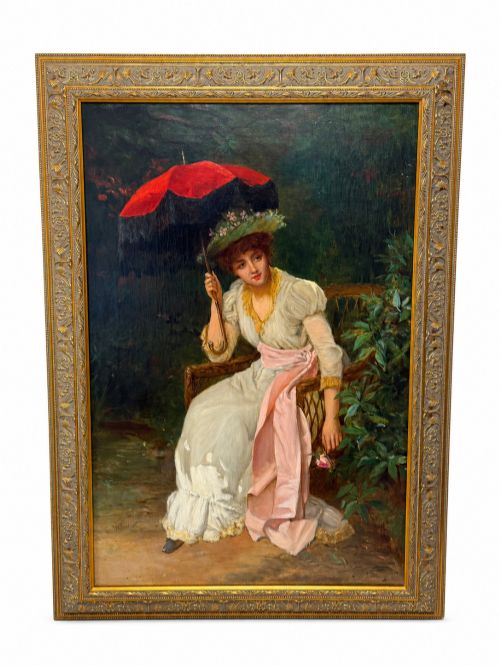
Signed Portrait Artwork
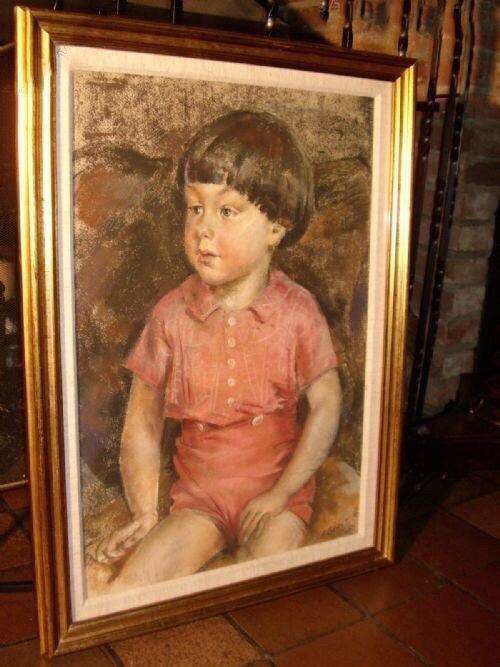
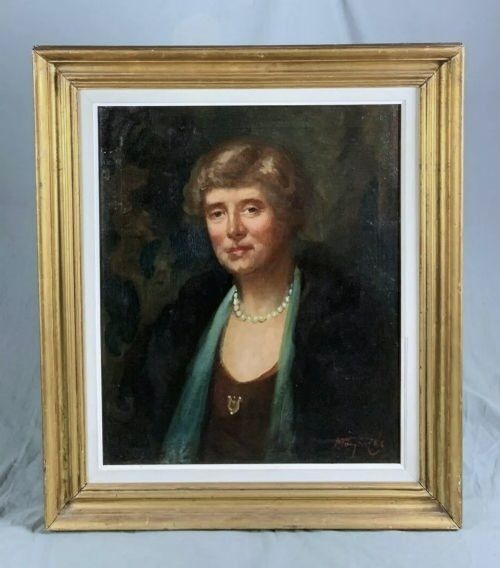
Signed portrait artwork brings together centuries of individual identity, capturing likenesses in oil, watercolour, and charcoal.
Signed Portrait Artwork
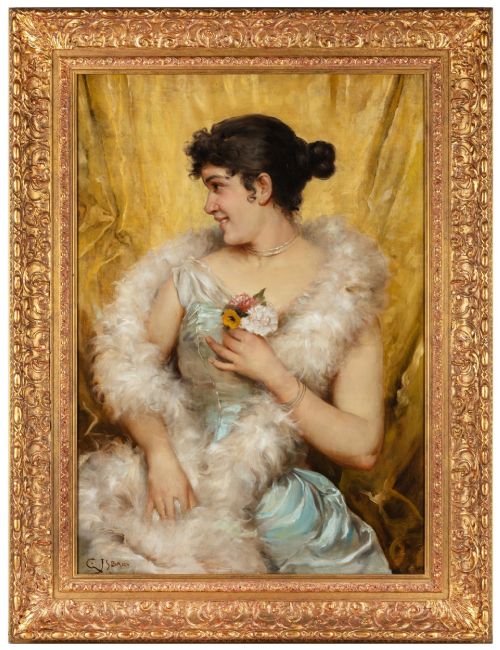
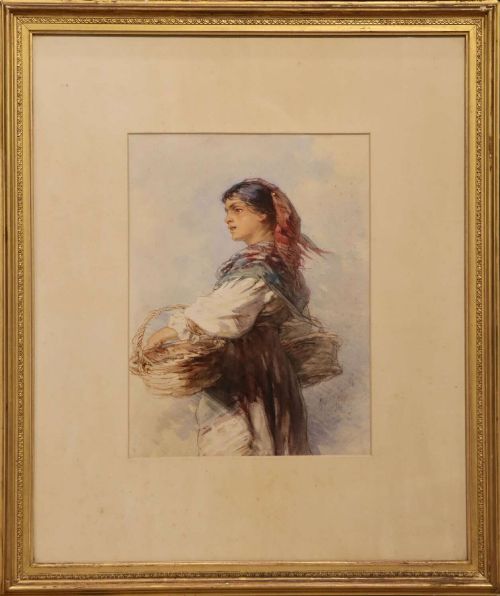
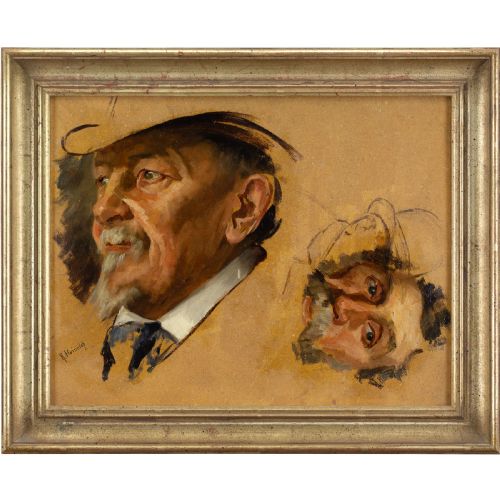
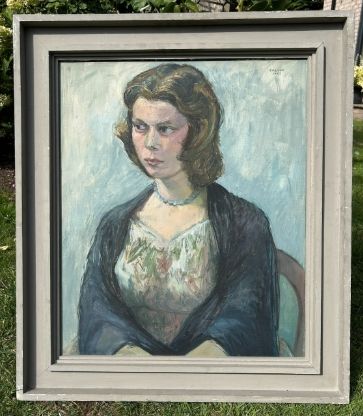
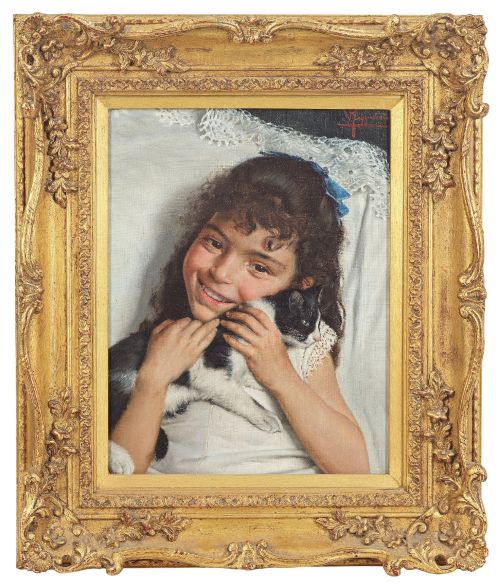
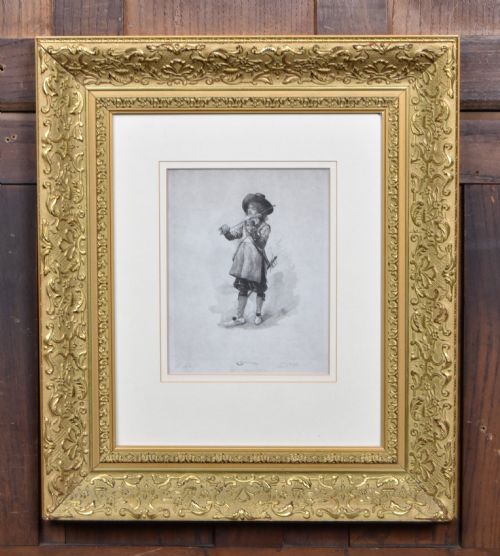
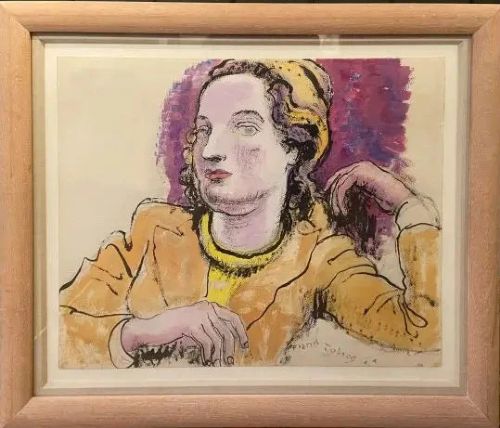
The selection on this page leans toward nineteenth-century and mid-twentieth-century works, predominantly executed in oil on canvas or watercolour on paper. Framed artwork forms the core of the available output.
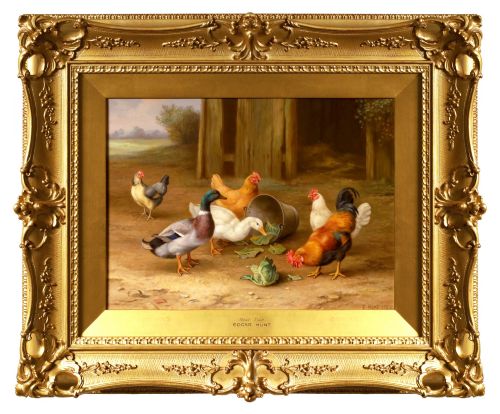
Beyond human subjects, the category extends to animal portraits, including horses, dogs, and cattle recorded by period artists. Each piece carries a visible signature or attribution connecting the work to its maker.
How they were made
Makers applied oil paint to canvas or wood panels, utilising gold leaf for frames and working with watercolour and gouache on paper or glass. Charcoal and pastel were also employed for detailed graphic studies.
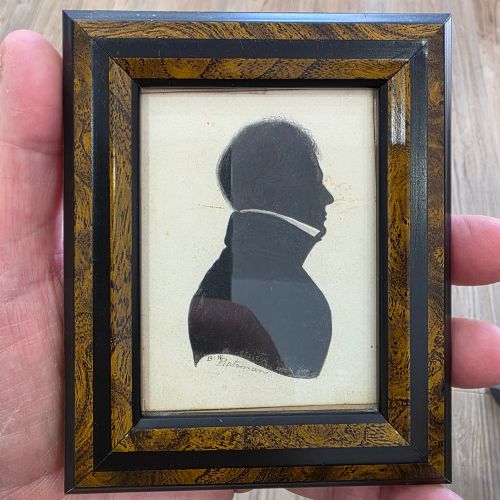
Techniques range from finely blended oil glazes seen in Victorian society portraits to rapid brushwork characteristic of post-impressionist and mid-century modern pieces. Silhouettes were meticulously cut from paper or painted as miniature works.
Several sharp-eyed cats make an appearance alongside human sitters, staring down viewers with undeniable Victorian dignity.
What varies in quality
Execution of anatomy and facial expression dictates the standing of a piece, distinguishing competent studio output from masterly observation. The handling of light across fabric, hair, and skin reveals the technical competence of the hand.
Condition of the support and pigment stability influence the visual strength of the artwork over time. Original framing and documented artist attribution further elevate the standing of individual works.
G. J. S. Bary·Guido Bach·Kenneth Cozens·Vittorio Reggianini·Frank Dobson·Herbert Ashwin Budd·Trajan Hughes·William Oliver·Edgar Hunt·J. A. Grant·Charles James McCall·Sydney Wilson·John Emms·Nicolaes Maes·Henri Vincent-Anglade·Septimus Scott·Basil Nightingale·Jules Rambo·Frederick Frith·Philip Naviasky·John Trivett Nettleship
The Signed Portrait Artwork Glossary
- Canvas
- A heavy woven fabric stretched across a wooden frame to serve as a support for oil paint. It provides a textured surface that holds layered pigments securely.
- Watercolour
- A paint consisting of pigment suspended in a water-soluble binder, traditionally applied to paper. It relies on the white of the paper to show through translucent washes.
- Silhouette
- A solid black profile likeness cut from paper or painted on card or glass. This form gained popularity in the eighteenth and nineteenth centuries before photography.
- Mezzotint
- A printmaking process of the engraving family where the plate is roughened to achieve rich dark tones and subtle gradations of light. Artist proofs were pulled early in the printing sequence.
- Gouache
- An opaque water-based paint containing pigment and a binding agent, often combined with pastel or watercolour. It creates solid areas of flat colour in portrait studies.
Signed Portrait Artwork: Frequently Asked Questions
How do I date a portrait?
Examine the sitter's clothing, hairstyle, and framing style alongside any visible artist signatures and dates inscribed on the canvas or reverse. Reference lists of active working years for named artists to narrow the decade.
Material analysis also assists, as nineteenth-century boards and twentieth-century stretchers differ noticeably from earlier wooden panels.
Where should I hang these?
Display framed oil paintings and watercolours away from direct sunlight and sources of damp to protect the canvas and paper supports. Wall placement at eye level allows the detail of the sitter's expression to be appreciated.
Pairing works of similar periods creates a cohesive display within a study, hallway, or living room.
Are animal portraits common?
Animals frequently appear across nineteenth-century output, capturing horses, dogs, and cattle in landscapes or farm settings. These pieces were commissioned by owners to record valued livestock or sporting companions.
Artists specialised in animal anatomy, applying the same skill found in human portraiture to their subjects.
What is a silhouette?
A silhouette is a profile portrait cut from black paper or painted onto card, glass, or plaster. These portable likenesses offered an accessible record of personal appearance prior to the widespread adoption of photography.
Examples from the nineteenth century often bear the signature of the travelling profile artist on the reverse.