


Vintage Pastel Portrait
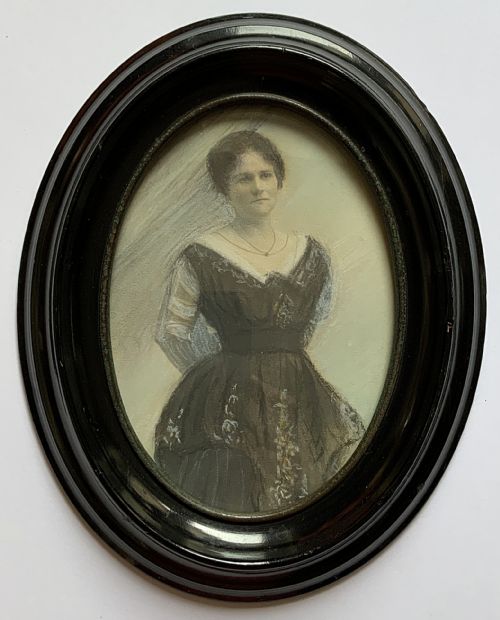
A vintage pastel portrait captures a living likeness through soft chalk marks, offering direct intimacy with figures from the Victorian era to the mid-century.
Vintage Pastel Portrait
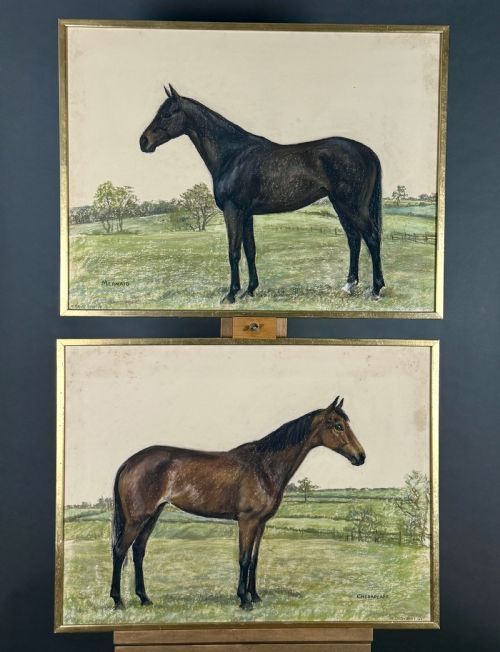
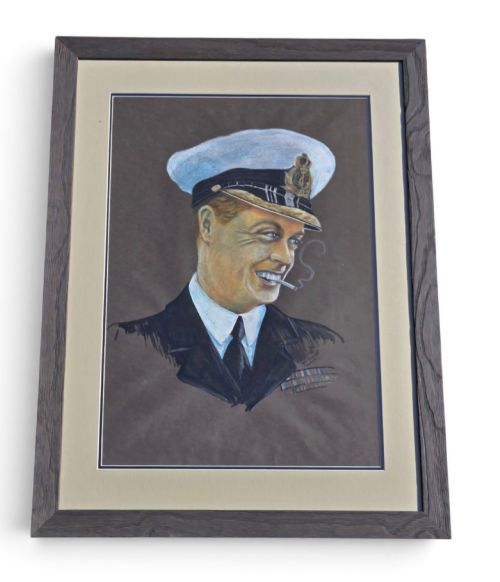
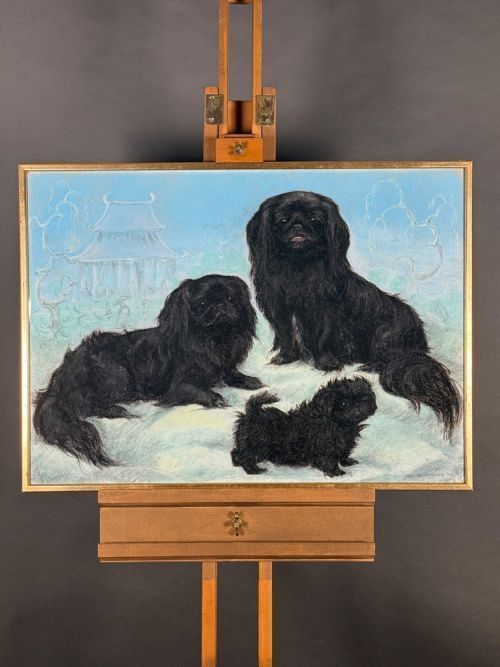
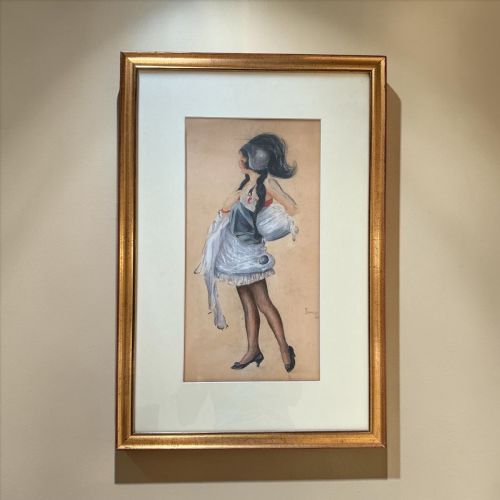
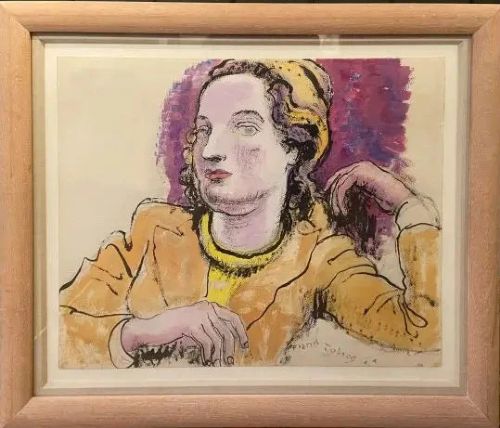
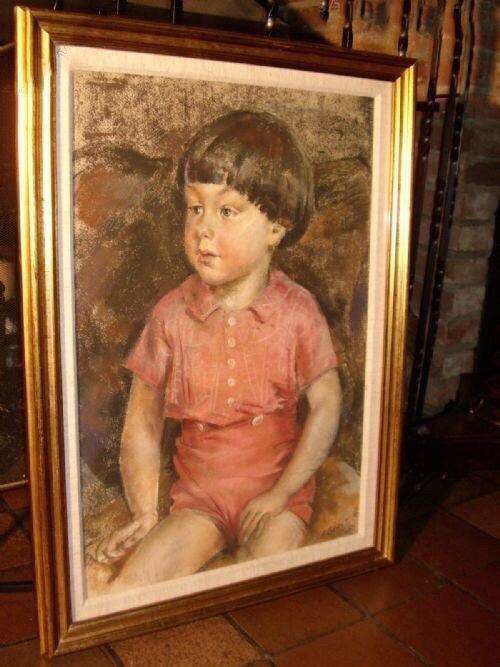
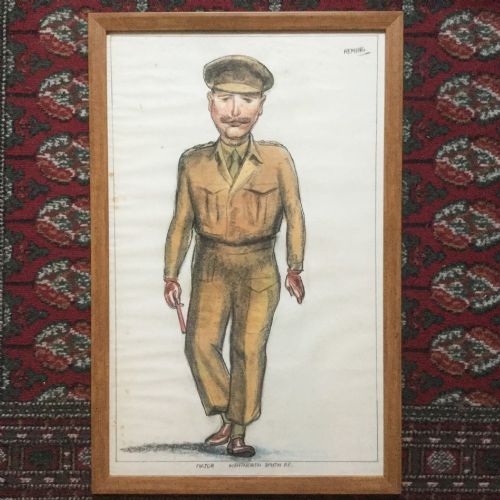
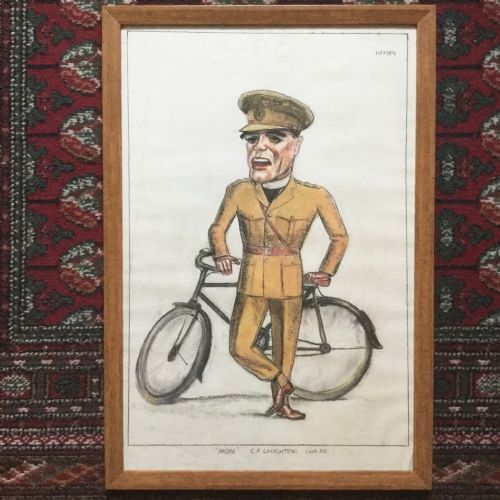
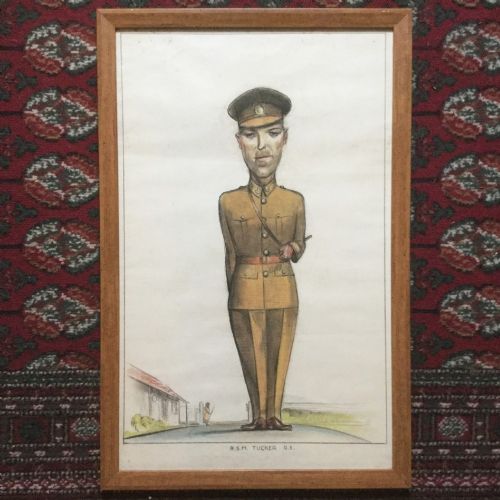
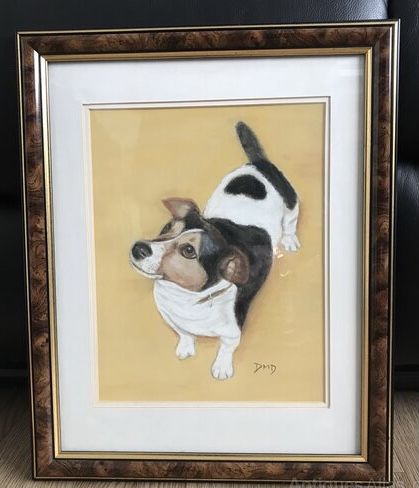
A vintage pastel portrait brings domestic and military sitters, animals, and performers directly to the wall through delicate dry-pigment drawing. These works span from Victorian times and the early twentieth century through the Art Deco era and the nineteen-fifties.
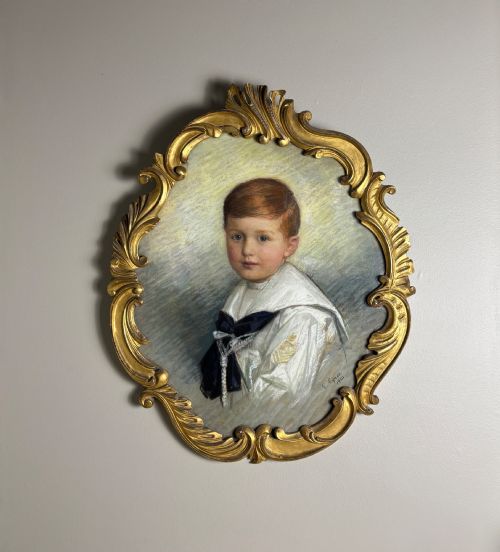
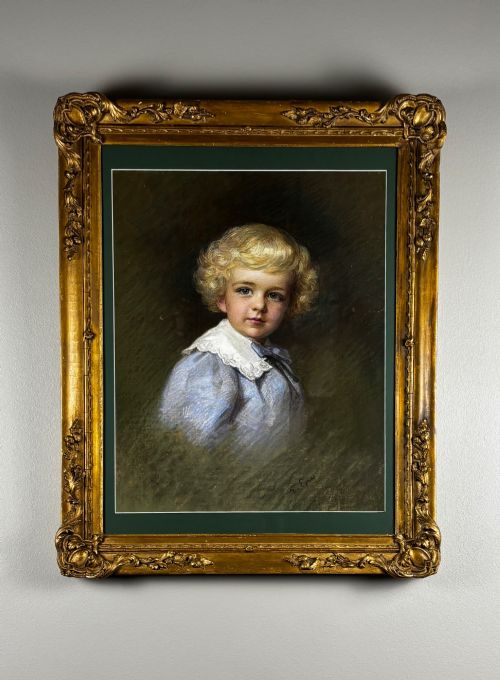
Buyers meet everything from intimate sketches of children and service personnel to large-scale studies of ballerinas, nobility, and animals. The medium preserves a direct touch, recording the swift hand of the artist upon the paper or board.
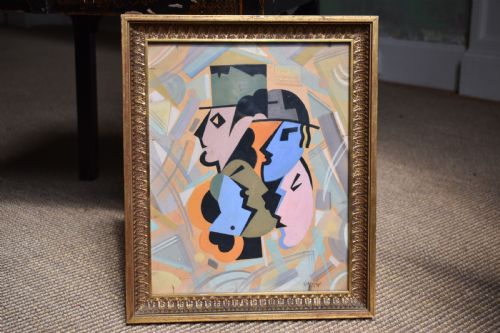
Framed presentation is standard, often enclosed behind glass within period wooden or gilded frames that protect the fragile pigment. Works emerge from diverse stylistic origins, including traditional realism, early twentieth-century fine art, and Modern British movements.
How they were made
Artists built these images using soft pastel chalks applied to paper, canvas, or board, occasionally combining the medium with gouache, watercolour, charcoal, or pencil for added definition. The powdery pigment requires careful handling and usually sits protected beneath glass to prevent smudging.
Frames of wood, giltwood, and gilded plaster enclose the works, providing structural support to the paper or canvas sheets. Surviving examples demonstrate how makers balanced loose, expressive sketching with precise facial detailing.
Listings feature works spanning the Victorian era, nineteen-ten, nineteen-twenties, nineteen-thirties, nineteen-forties, nineteen-fifties, and nineteen-sixties.
What varies in quality
Quality rests in the sureness of the draughtsmanship and the psychological depth of the sitter, where confident handling elevates a simple sketch into a striking character study. Stronger pieces display a sophisticated control of tone and colour harmony within the powdery medium.
The integrity of the original framing and the preservation of the delicate pigment surface influence the overall standing of an artwork. Well-preserved sheets retain their fresh powdery bloom without excessive dusting or fading.
Emily Eyres·Herskind·Frank Dobson·J.A. Grant·Arthur Todd·Aubrey Sykes·Harry Epworth Allen·Maurice Feild·Frederick Gore
The Vintage Pastel Portrait Glossary
- Pastel
- A dry painting medium consisting of powdered pigment combined with a binder, formed into sticks. It offers a velvety texture and direct application.
- Gouache
- An opaque water-based paint frequently used alongside pastels to add solid highlights and opaque depth to works on paper.
- Giltwood
- Timber carved and coated with gold leaf or gold paint, commonly found on traditional frames housing these works.
- Miniature painting
- A highly detailed, small-scale artwork designed for intimate viewing, sometimes executed in mixed water-based media.
- Drawing
- A linear or tonal work on paper produced with dry or fluid implements, recording the foundational structure of a composition.
Vintage Pastel Portrait: Frequently Asked Questions
How should I hang a vintage pastel portrait?
Hang the artwork away from direct sunlight and high humidity to protect the fragile dry pigments and the historic paper support.
Ensure the frame hangs securely on a stable wall, keeping the protective glass clean and undisturbed.
Why are pastels framed under glass?
Glass shields the powdery pigment from air currents, moisture, and accidental physical contact that would otherwise smear or dislodge the chalk.
This barrier remains essential for preserving the untouched surface of historic works on paper.
How do I date a vintage pastel portrait?
Examine the sitter's attire, hairstyle, and framing style, alongside any visible signatures, dates, or inscriptions recorded on the mount or reverse.
Stylistic cues often point toward specific periods such as the Victorian era, the nineteen-thirties, or the mid-century.
Can pastel portraits be cleaned?
Cleaning requires specialist conservation because touching the pigment directly ruins the delicate chalk layer.
Dust should only be removed from the outside of the glass by a professional restorer if necessary.