





19th Century Wine Goblets
These 19th century wine goblets bring heavy lead crystal and vibrant coloured glass to the table, offering a tangible connection to the dining habits of the past.
19th Century Wine Goblets
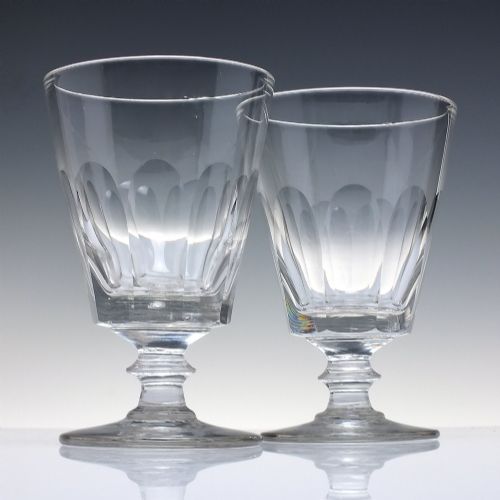
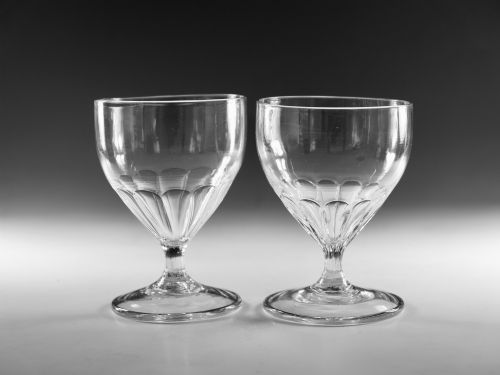
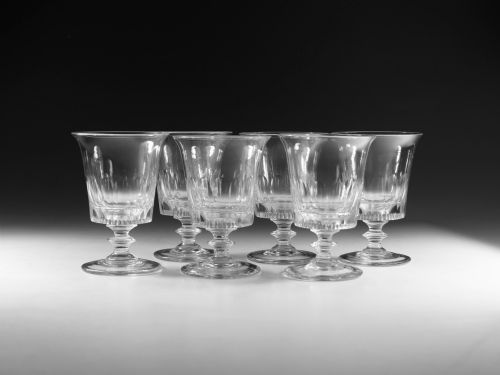
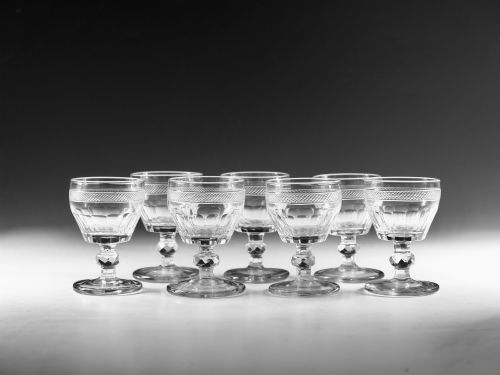
When you search for 19th century wine goblets, you encounter a diverse group of drinking vessels spanning the Georgian, Regency, and Victorian periods. The selection encompasses heavy glass rummers, tall roemers, port glasses, and silver presentation pieces.
You are most likely to meet robust lead glass rummers and richly coloured stemware from the mid to late Victorian era. These pieces reflect the evolving social rituals of dining and entertaining across nineteenth-century Europe and Britain.
How they were made
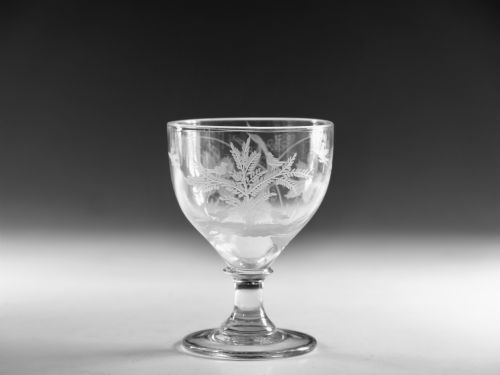
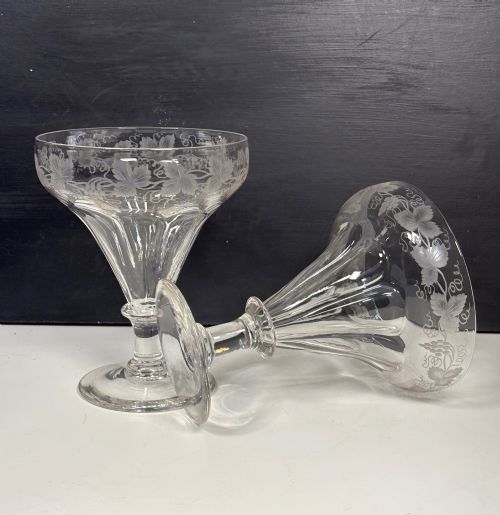
Glassware from this era relies on traditional hand-blowing techniques, often shaped into moulds or finished with applied stems and feet. Lead crystal provided a heavy, clear matrix suitable for deep wheel cutting and engraving.
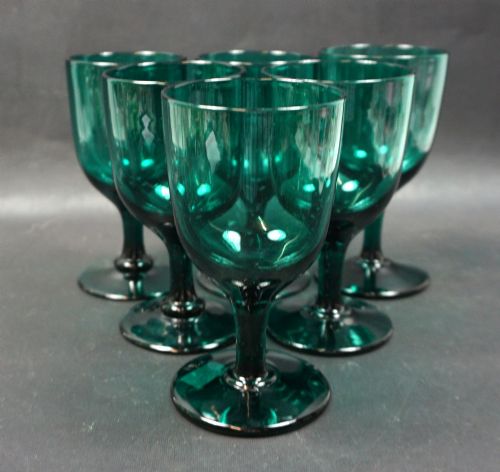
Coloured glass achieved its distinctive hues through the addition of metallic oxides during the melting process, producing deep greens, crimsons, and amethysts. Artisans then embellished these surfaces with acid cutting, gilding, enamelling, or hobnail patterns.
The evidence includes silver goblets alongside blown glass rummers and roemers.
What varies in quality
The distinction between standard domestic tavern glassware and high-end parlour stemware lies in the weight of the metal and the precision of the hand-cutting. Superior pieces display crisp wheel-engraved details and well-balanced proportions without distortion in the glass.
Makers who utilised complex techniques like enamelling or acid cameo work achieved a higher level of refinement. Consistency within a matched set also dictates the desirability of the stemware.
George Unite·Lobmeyer·Wang Hing & Co·Stevens & Williams·Richardson
The 19th Century Wine Goblets Glossary
- Rummer
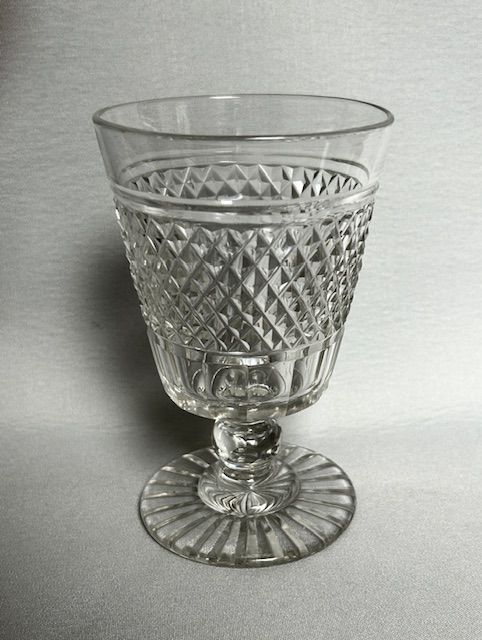
- A large, heavy drinking glass popular in the eighteenth and nineteenth centuries, typically featuring a short stem and a bucket-shaped bowl. They were frequently used for ale, wine, or punch.
- Roemer
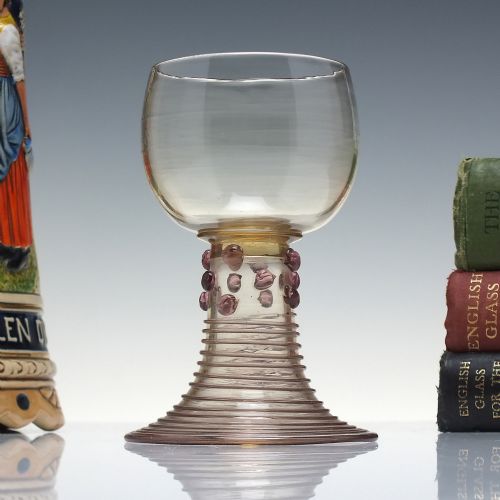
- A traditional Germanic drinking vessel characterised by a rounded bowl, a hollow stem with applied prunts, and a wide conical foot. They are commonly rendered in green forest glass.
- Hobnail cut
- A decorative glass-cutting pattern featuring rows of small, raised, square-faced facets that resemble the head of a hobnail boot. This technique maximises the refraction of light through lead crystal.
- Baluster stem
- A thick, swelling stem shape reminiscent of an architectural baluster, often found on heavier drinking vessels from the Georgian and early Victorian periods.
- Prunt
- A small, applied blob of molten glass on a stem or base, designed to provide a secure grip for the drinker's hand during communal meals.
19th Century Wine Goblets: Frequently Asked Questions
What is a rummer?
A rummer is a capacious drinking vessel with a sturdy stem, designed for substantial pours of wine or ale during social gatherings.
These glasses often feature heavy lead crystal bases and bucket bowls intended for everyday dining tables rather than formal toasts.
How do I identify cranberry glass?
Cranberry glass displays a distinctive translucent pinkish-red hue created by adding gold chloride to the molten glass mixture.
This vibrant material became particularly popular during the Victorian period for matching sets of wine glasses and finger bowls.
What are roemers used for?
Roemers served as traditional vessels for German hock and white wines across the nineteenth century.
The characteristic green glass and studded stems provided both a firm grip and an aesthetic suited to heavy dining services.
Are these glasses safe to use?
Most antique glass handles beverages safely, though lead crystal can leach trace amounts into acidic liquids left standing for long periods.
Hand washing in warm water preserves the delicate gilding and enamelled surfaces found on mid to late Victorian pieces.