
19th Century Walnut Sofa
When you handle a 19th century walnut sofa, you encounter a timber with rich grain and a frame shaped by Victorian, French, or revival hands.
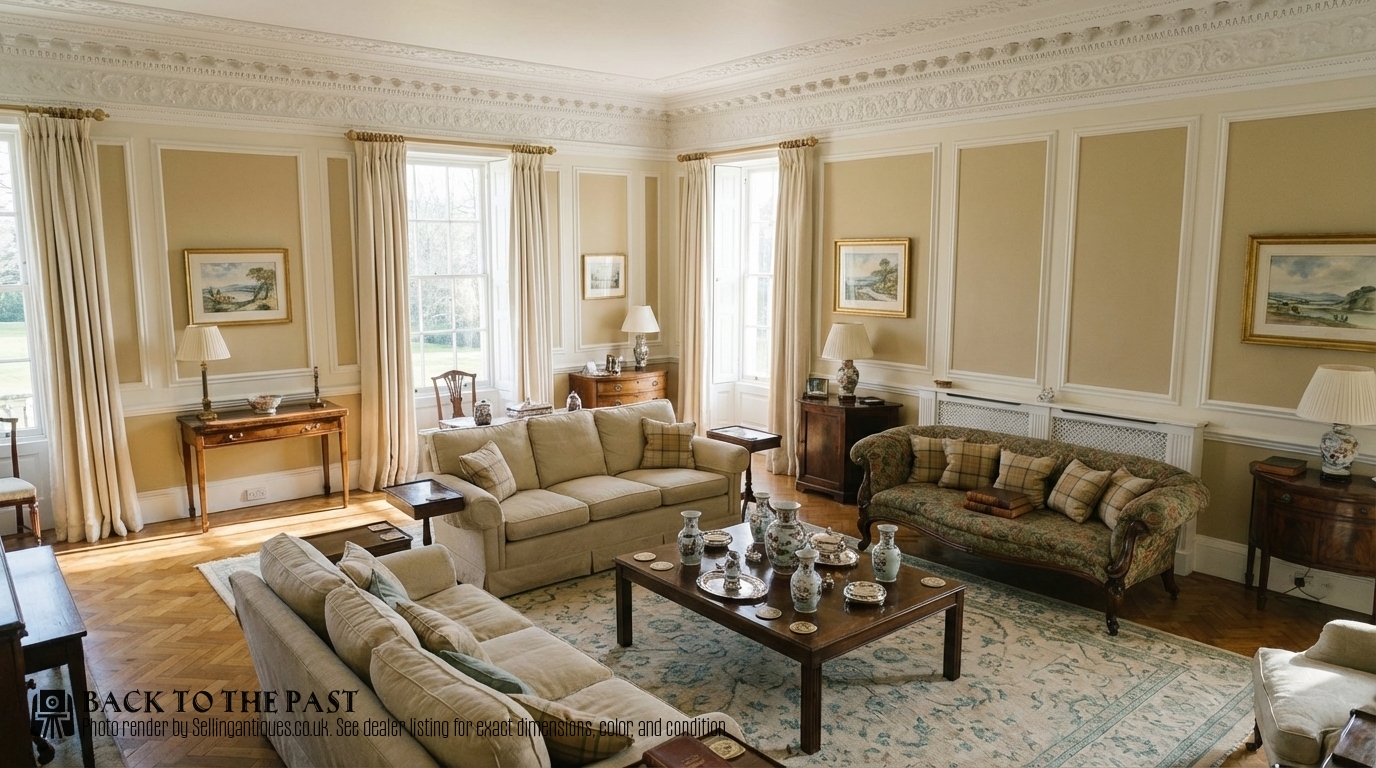
19th Century Walnut Sofa
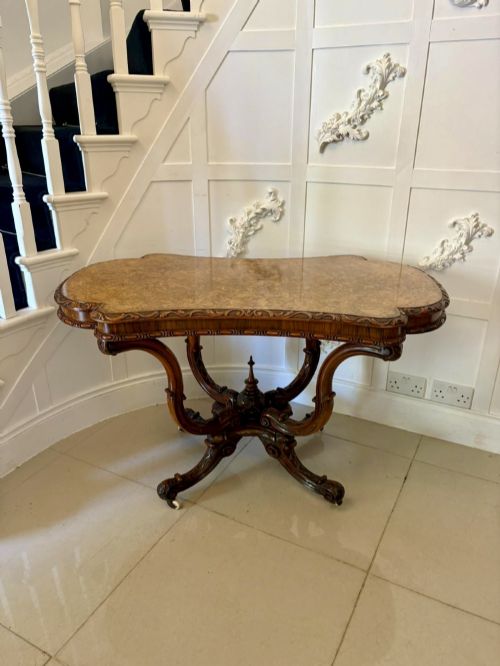
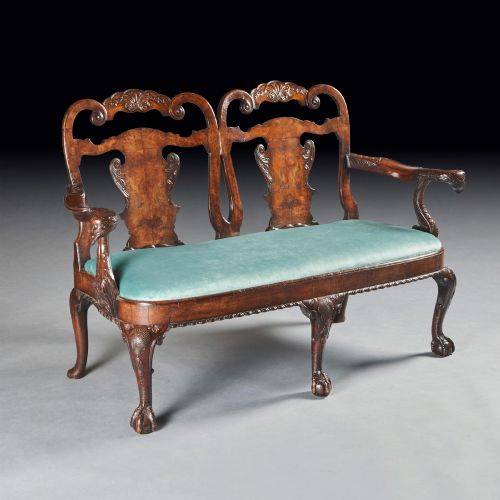
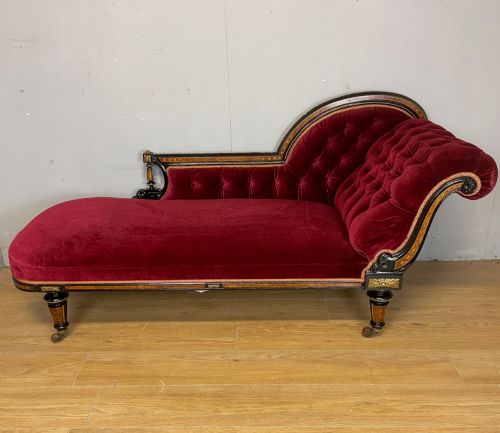
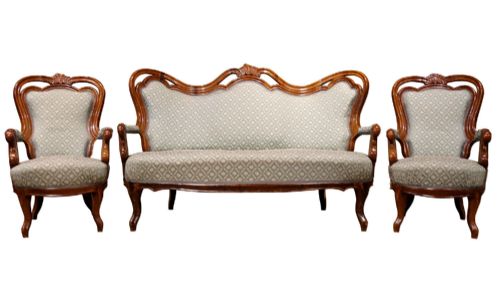
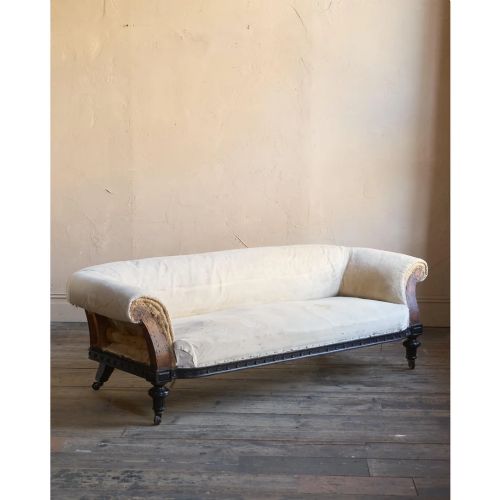
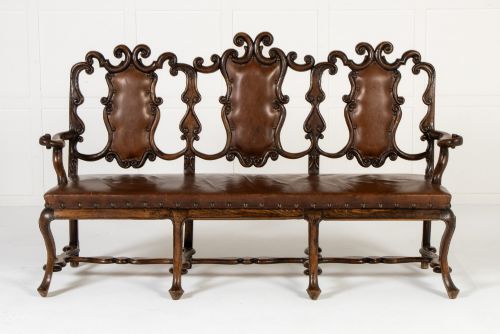
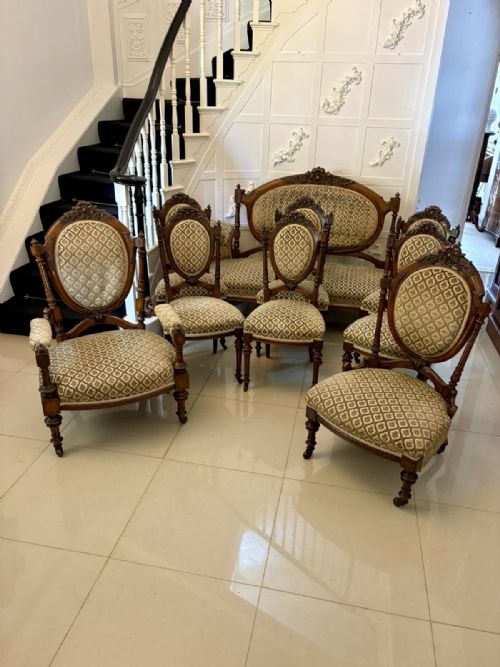
A 19th century walnut sofa encompasses everything from button-backed Victorian conversation seats and chaise longues to French framed settees and upholstered Chesterfield designs. The pieces on this page reflect diverse stylistic currents including Rococo Revival, Aesthetic Movement, and French Empire forms.
Buyers will most frequently meet standard walnut or burr walnut frames, often featuring carved show-wood elements, inlaid details, or parcel gilt highlights. These seating pieces range from intimate two-seater salon sofas to large country house daybeds and twin chair back models.
How They Were Made
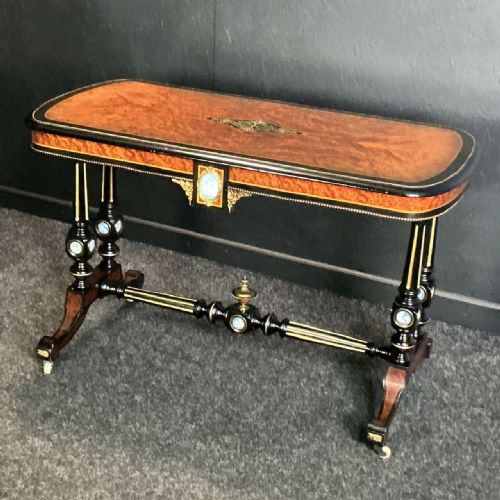
Cabinet makers utilised solid walnut and figured burr walnut veneers over secondary timbers, often incorporating intricate marquetry inlay and ebonised wood accents. Frames were shaped with hand-carved ornamentation, sometimes supplemented by cast or applied ormolu mounts and brass fittings.
Upholstered versions relied on traditional stuffing methods covered in leather, velvet, tapestry, or various woven fabrics, frequently finished with deep buttoning or individual brass nails along the show-frame.
Conversation seats allowed two people to sit face-to-face while maintaining strict Victorian propriety.
What Varies in Quality
The distinction between standard production and top-tier workshop output lies in the selection of the timber and the crispness of the hand-carving on the walnut show-frame. Superior pieces display lively, highly figured burr walnut grain and deeply undercut carved details rather than flat, machine-milled lines.
Howard and Sons·Thomas Hope·Gillows
The 19th Century Walnut Sofa Glossary
- Burr walnut
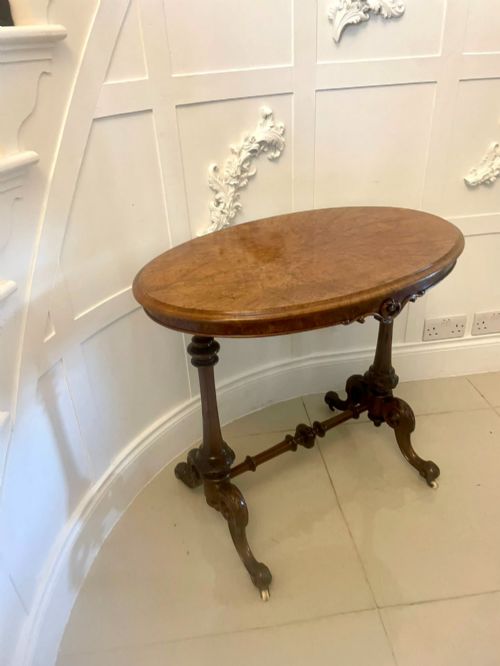
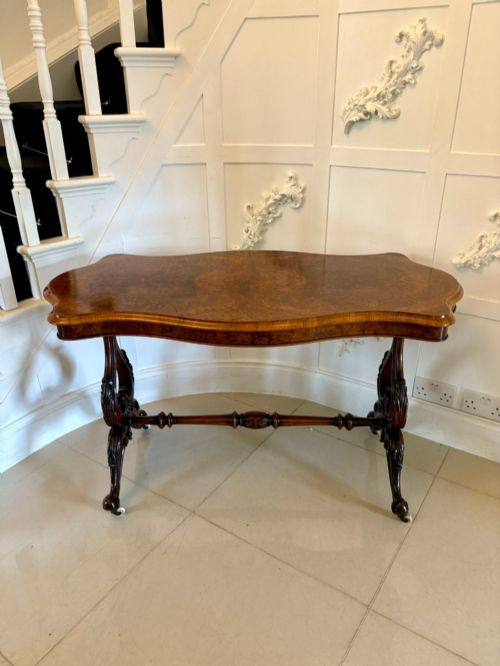
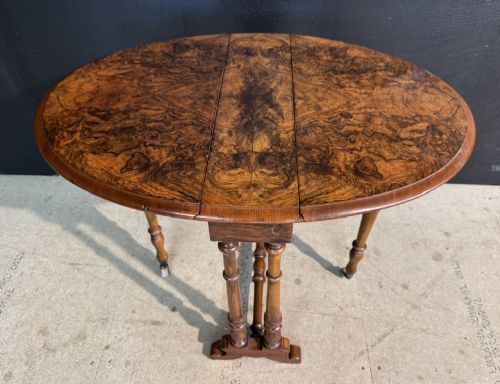
- A veneer sliced from the growth warts or burls of the walnut tree, prized for its swirling, highly figured grain patterns. It was frequently utilised on Victorian table tops and show-frames.
- Ormolu
- Gilt bronze mounts applied to furniture for decorative enrichment. Makers cast and chased these brass-alloy ornaments to accent French and English salon pieces.
- Show-frame
- A wooden structural framework left exposed around the upholstered portions of a sofa or settee. Carved walnut show-frames define the aesthetic of many Victorian and French pieces.
- Marquetry
- Decorative patterns formed by fitting contrasting veneer slices into a prepared timber ground. Craftsmen employed this technique for floral and geometric tabletop and panel designs.
- Chaise longue
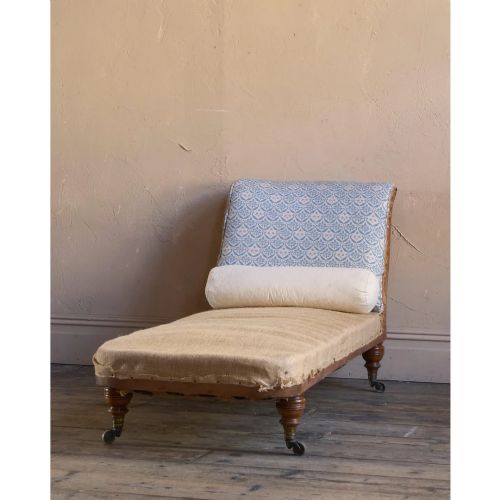
- An upholstered seating form combining a chair and a footstool into a single elongated daybed. 19th century examples frequently feature asymmetric carved walnut backs.
19th Century Walnut Sofa: Frequently Asked Questions
What is a 19th century walnut sofa?
A 19th century walnut sofa is a historic seating piece constructed primarily from walnut timber, encompassing styles from French Empire daybeds to Victorian button-backed Chesterfields and carved salon settees.
These pieces served as formal drawing room seating or comfortable lounging furniture in period homes, reflecting the evolving tastes of the 1800s.
How do I identify a Victorian walnut sofa?
Victorian walnut sofas are typically identified by their dark walnut or figured burr walnut show-frames, curvilinear Rococo Revival or Aesthetic Movement outlines, and traditional upholstery.
Look for hand-carved wooden details, exposed walnut legs or frames, and period-appropriate joinery methods underneath.
Were these sofas used in everyday rooms?
In the 19th century, large carved walnut settees and salon suites were placed in formal drawing rooms to receive guests, while chaise longues and daybeds suited private boudoirs.
Heavier upholstered versions like Chesterbacks were found in country house libraries and studies for relaxed daily use.
How do I care for antique walnut furniture?
Keep antique walnut furniture out of direct sunlight and away from rapid temperature shifts to prevent the timber and burr veneers from drying out or splitting.
Maintain the finish by dusting with a dry, soft cloth and occasionally applying traditional beeswax rather than modern silicone polishes.