




19th Century Walnut Casket
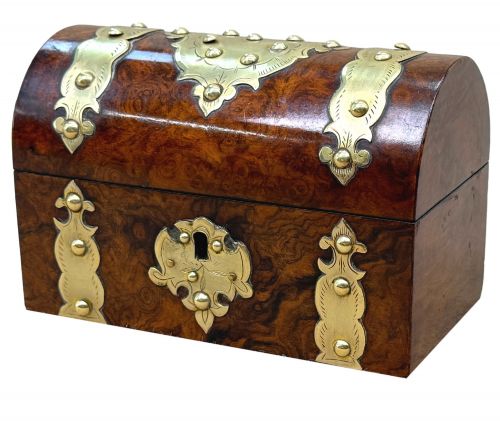
A 19th century walnut casket brings rich timber grain and fitted interiors to a desk or dressing table.
19th Century Walnut Casket
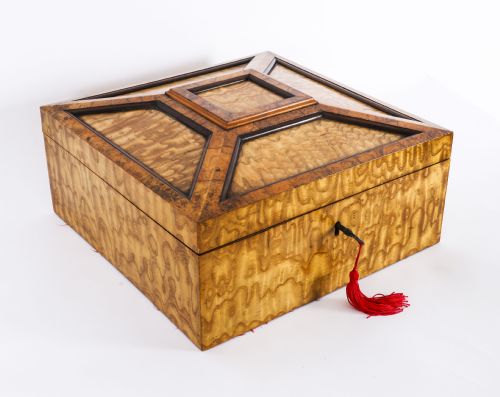
A 19th century walnut casket encompasses a wide variety of lidded containers designed to hold jewellery, stationery, tea, or playing cards. Buyers most frequently encounter Victorian examples finished in figured or burr walnut, often complemented by decorative mounts and fitted compartments.
The assortment spans utilitarian stationery boxes and dome-top caskets alongside elaborate Black Forest carved wood pieces and Italian Renaissance revival table boxes. These items reflect the diverse tastes of the nineteenth century, ranging from geometric parquetry to pictorial inlay.
Materials and Construction
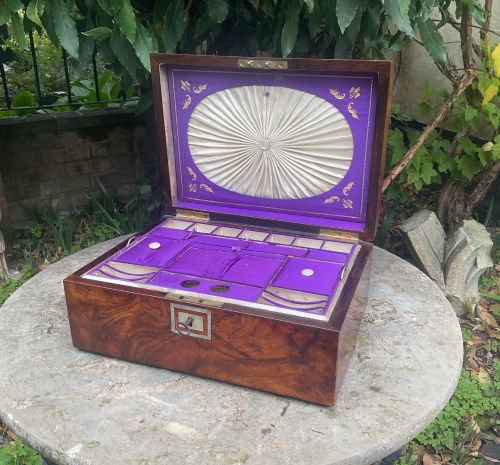
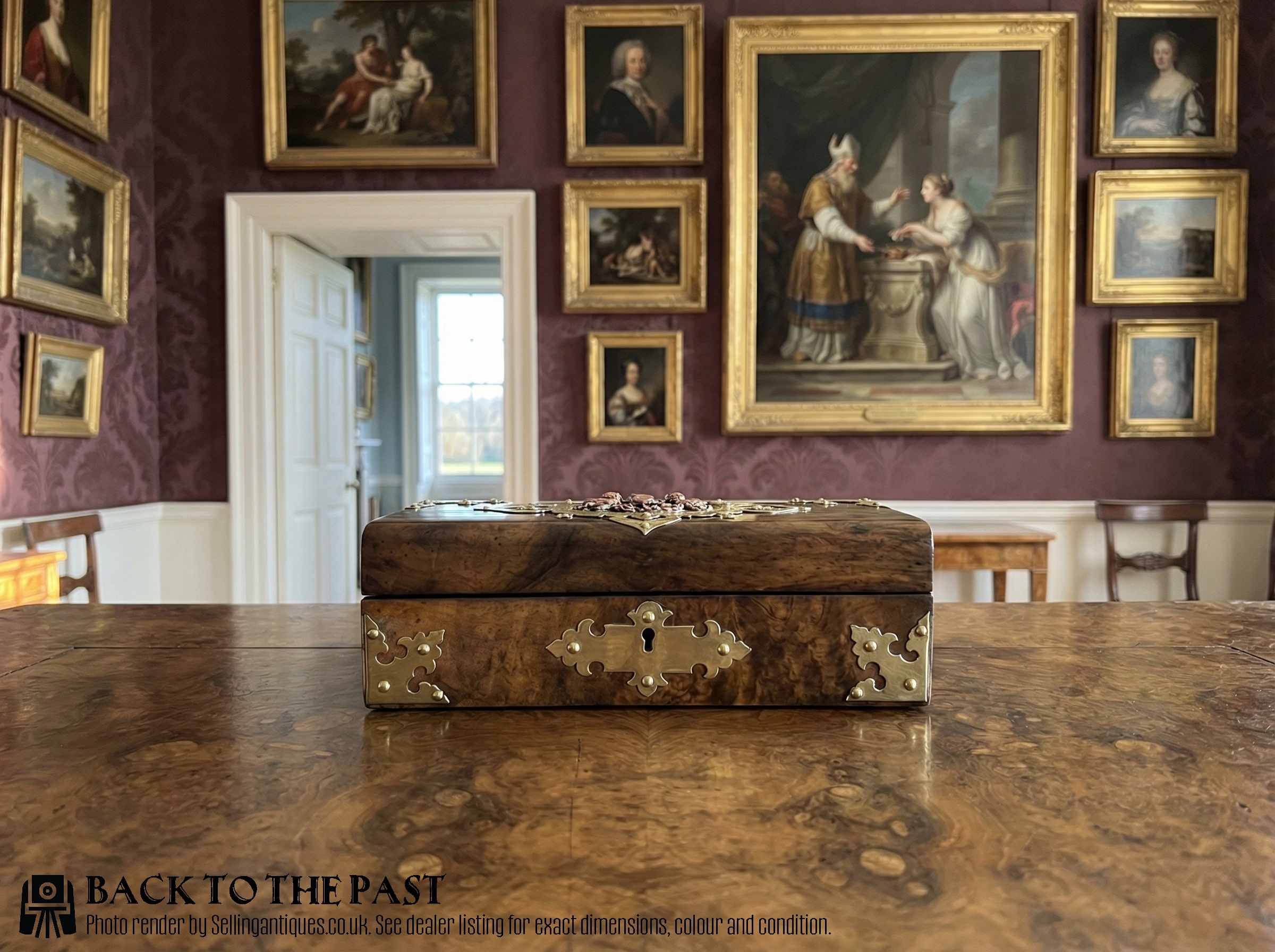
Craftsmen utilised solid walnut and applied burr walnut veneers to achieve complex, swirling grain patterns across the exterior surfaces. Frameworks were frequently reinforced with brass banding, hinges, and locks, while interiors were lined with silk and fitted with mirrors or removable trays.
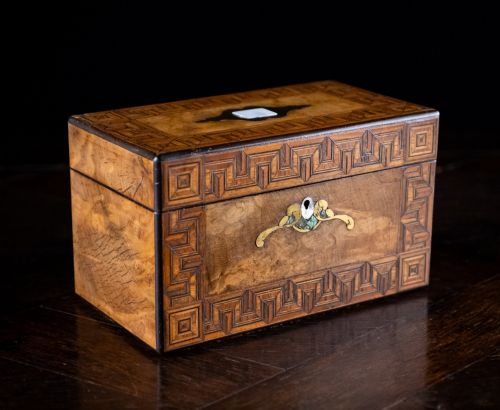
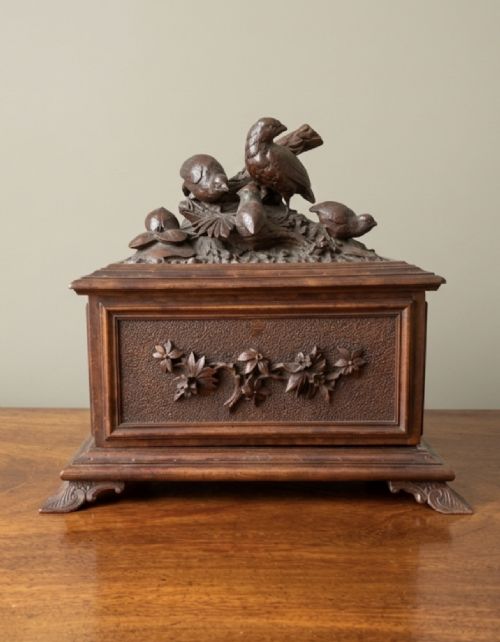
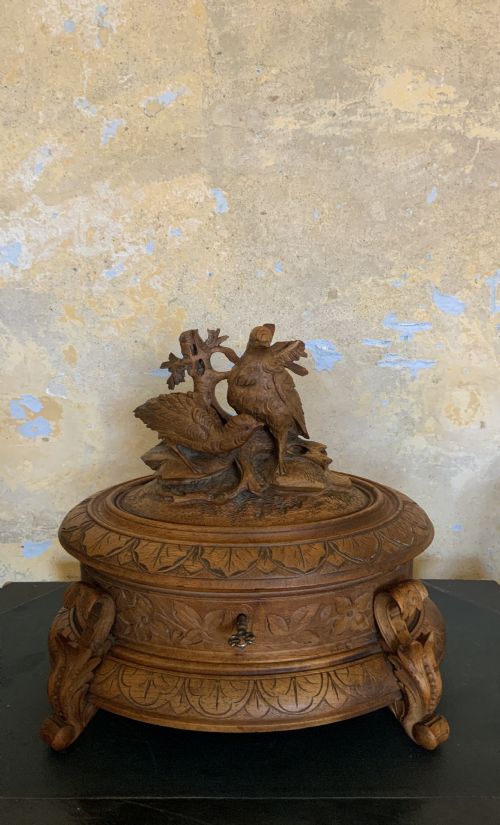
Decoration relied on contrasting elements such as mother-of-pearl, bone, fruitwood, and ebony, alongside intricate Tunbridge Ware micro-mosaic patterns and porcelain plaques. Carved Black Forest variants display deep relief work directly into the wood.
19th Century Walnut Casket Retail Price Guide 2026
Typical asking prices for 19th century walnut casket among the pieces listed under this phrase on Sellingantiques today, from the lower quarter to the upper quarter. They describe what is for sale here now, not the wider market.
Listings demonstrate that nineteenth century walnut caskets frequently incorporate brass banding, mother-of-pearl inlay, and fitted silk-lined compartments.
Distinctions in Execution
Quality rests upon the selection of timber veneers and the precision of the parquetry, inlay, or carved relief work. Finer examples display harmonious grain matching across all sides and seamless integration of brass mounts or porcelain inserts.
Internal arrangement further separates standard boxes from superior pieces, particularly where compartments, secret drawers, and fitted mirrors remain intact and fully functional.
George Betjemann·Trussell Brighton
The 19th Century Walnut Casket Glossary
- Burr walnut
- A prized timber harvested from walnut tree growths, producing swirling, knotty grain patterns that decorators favour for decorative veneer.
- Parquetry
- Geometric wood-mosaic work used to create patterned surfaces on box lids and panels.
- Tunbridge Ware
- Woodworking craftsmanship characterised by tiny coloured wood mosaics forming intricate pictorial or geometric designs.
- Black Forest
- A regional style of deep wood carving originating in Central Europe, known for naturalistic animal and foliage motifs.
- Stationery box
- A specialised desk accessory designed with tiered compartments to hold envelopes, paper, and writing implements.
19th Century Walnut Casket: Frequently Asked Questions
What were these caskets originally used for?
Nineteenth century boxes served specific domestic functions depending on their internal fittings, housing personal correspondence, sewing tools, or playing cards.
Larger versions held jewellery or served as decorative display pieces on parlour tables.
How do I identify burr walnut?
Burr walnut exhibits irregular, swirling grain patterns filled with small dark knots, created from the abnormal growth of the tree.
Cabinet makers sliced this timber into thin veneers to wrap the exterior surfaces of finer caskets.
Are keys usually included?
Original working keys occasionally accompany these boxes, though many survive without them due to centuries of displacement.
Locks were typically brass and integrated flush into the front edge of the lid or body.
How should I clean the wood surface?
Maintenance requires gentle dusting with a dry, soft cloth to protect the antique polish and delicate veneer.
Modern furniture polishes and moisture should be avoided to prevent damage to the historic finish and internal silk linings.