





Victorian Brass Corner Box
A victorian brass corner box brings durable 19th-century craftsmanship into your home, offering sturdy storage housed in rich wood.
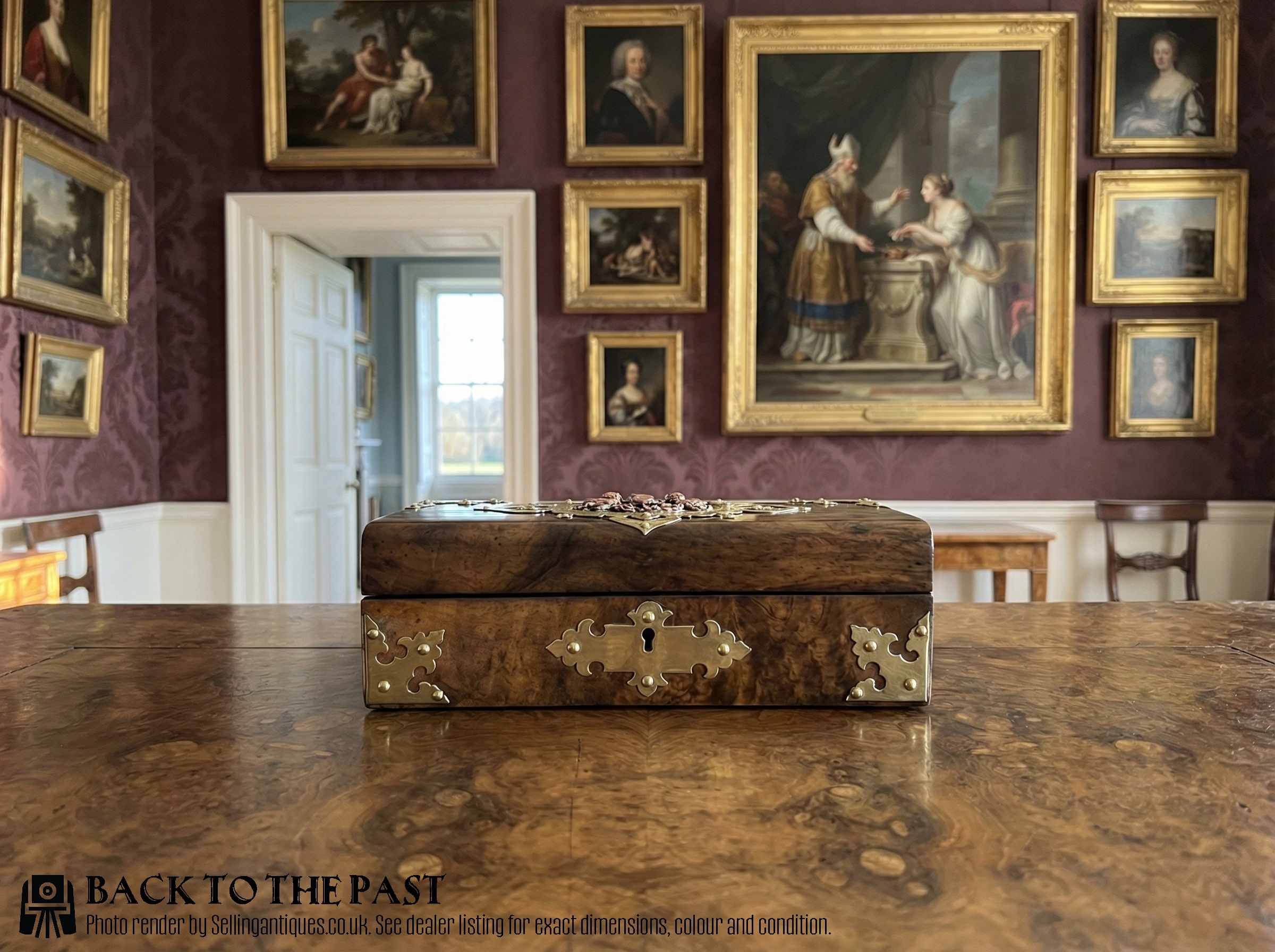
Victorian Brass Corner Box
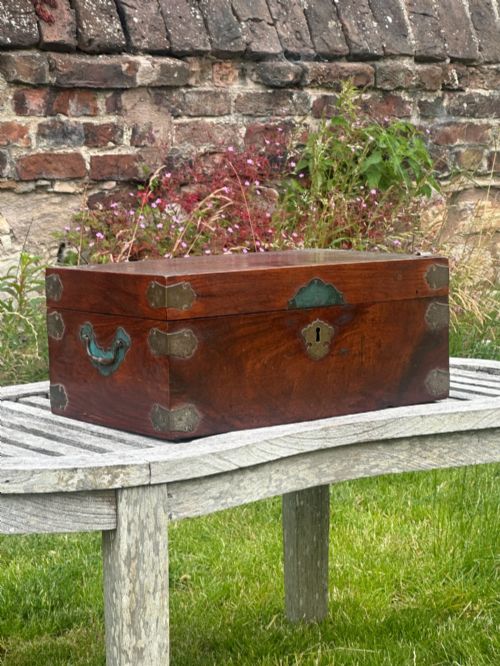
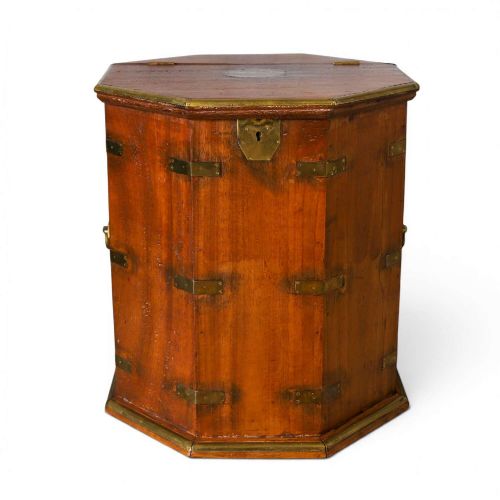
When searching for a victorian brass corner box, buyers encounter robust storage trunks, campaign chests, and smaller writing boxes designed for travel. These pieces hail predominantly from the 19th century, reflecting military and colonial utility.
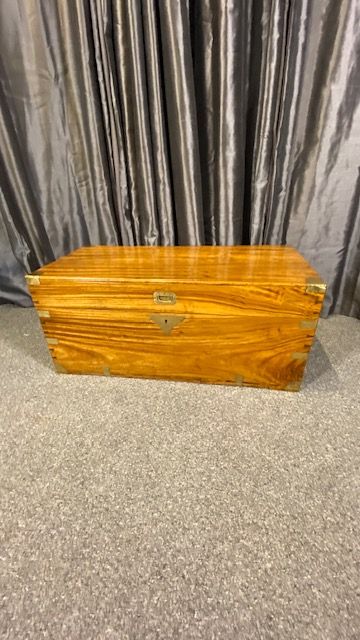
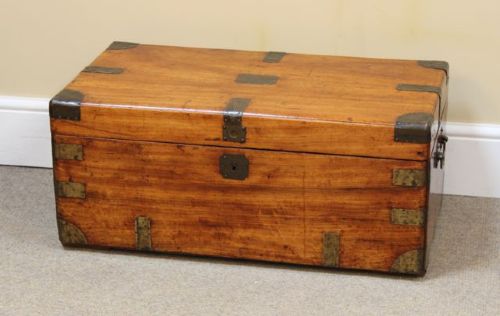
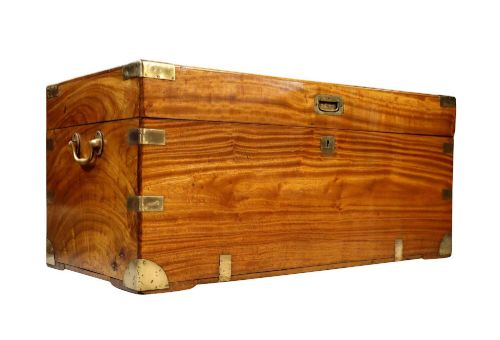
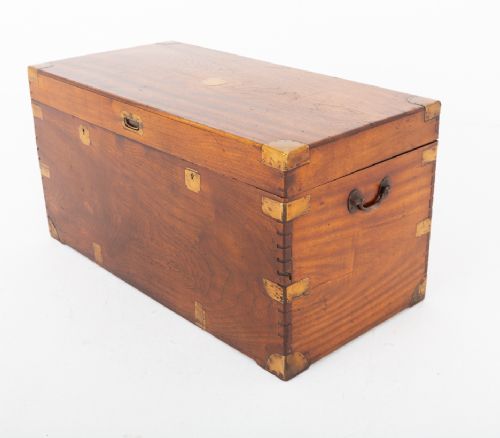
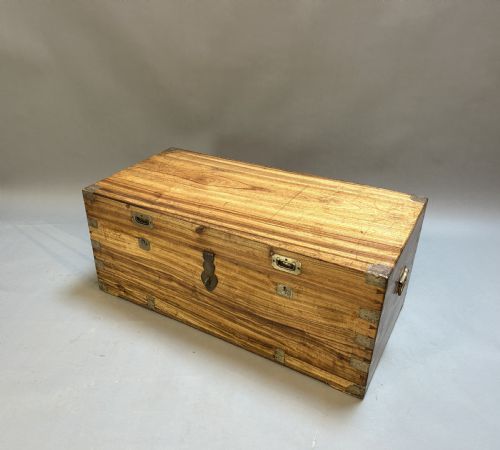
The most common form on this page is the campaign trunk or chest, frequently rendered in aromatic camphor wood or teak with protective metal bindings.
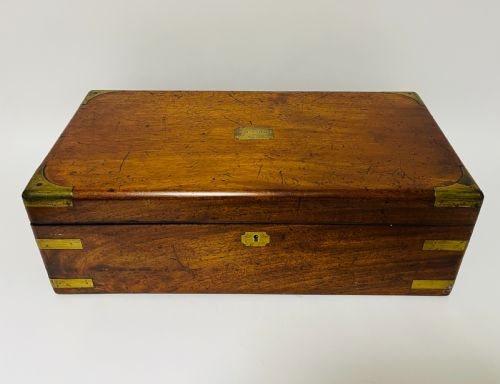
Smaller tabletop formats also appear, including writing slopes and jewellery boxes featuring brass corners and fitted interiors.
Materials and construction
Carpenters constructed these items using dense timbers such as camphor wood, teak, mahogany, and oak, chosen for their resilience against demanding travel conditions.
Workers reinforced vulnerable edges and corners with heavy brass plates and corner brackets, secured using flush-fitting screws to withstand transit bumps.
Victorian Brass Corner Box Retail Price Guide 2026
Typical asking prices for victorian brass corner box among the pieces listed under this phrase on Sellingantiques today, from the lower quarter to the upper quarter. They describe what is for sale here now, not the wider market.
Listings span the 19th century, featuring camphor wood, teak, mahogany, and oak combined with brass hardware.
What separates the finest examples
The tier of quality depends heavily on the grain configuration of the primary timber, with burr walnut and figured woods marking out superior decorative intent.
Original hardware, flush recessed brass handles, and intact internal fittings like secret drawers elevate a piece above standard utility items.
The Victorian Brass Corner Box Glossary
- Campaign trunk
- A sturdy chest built in sections for military officers on the move, fitted with recessed brass handles and corner guards to protect against knocks.
- Writing slope
- A portable slant-topped box that opens to reveal a sloping desk surface, pigeonholes, and inkwell compartments.
- Camphor wood
- A fragrant tropical timber naturally resistant to insects, commonly utilised for travelling trunks during the nineteenth century.
- Brass bound
- Edges and corners reinforced with metal strapping to provide structural strength during transit.
- Secret drawers
- Hidden compartments integrated into writing boxes and chests, accessed via sliding panels or false bottoms.
Victorian Brass Corner Box: Frequently Asked Questions
How were campaign trunks used?
British officers and merchants utilised these sturdy chests to transport personal belongings, documents, and uniforms during colonial travels and military campaigns.
Their sectional design and robust metal fittings ensured contents survived long sea voyages and rough overland transport.
What woods are most common?
Camphor wood appears frequently due to its distinct aroma and natural insect-repellent properties, making it ideal for clothing storage.
Teak, mahogany, oak, and walnut also feature prominently across larger trunks and smaller desktop boxes.
Are writing slopes difficult to maintain?
These boxes require minimal upkeep beyond occasional waxing to nourish the timber and protect the polished exterior surfaces.
Keeping them away from direct heat sources prevents the wood from warping and protects the internal leather writing surfaces.
How do I identify a Victorian piece?
Dating relies on observing construction methods, timber choices, and the specific style of brass hardware fitted to the corners.
Most examples date from the mid to late nineteenth century, aligning with Victorian manufacturing periods and colonial expansion.