



Brass Decorative Coffer
These brass decorative coffer pieces offer robust storage and intricate metalwork, making them a striking focal point for any interior.
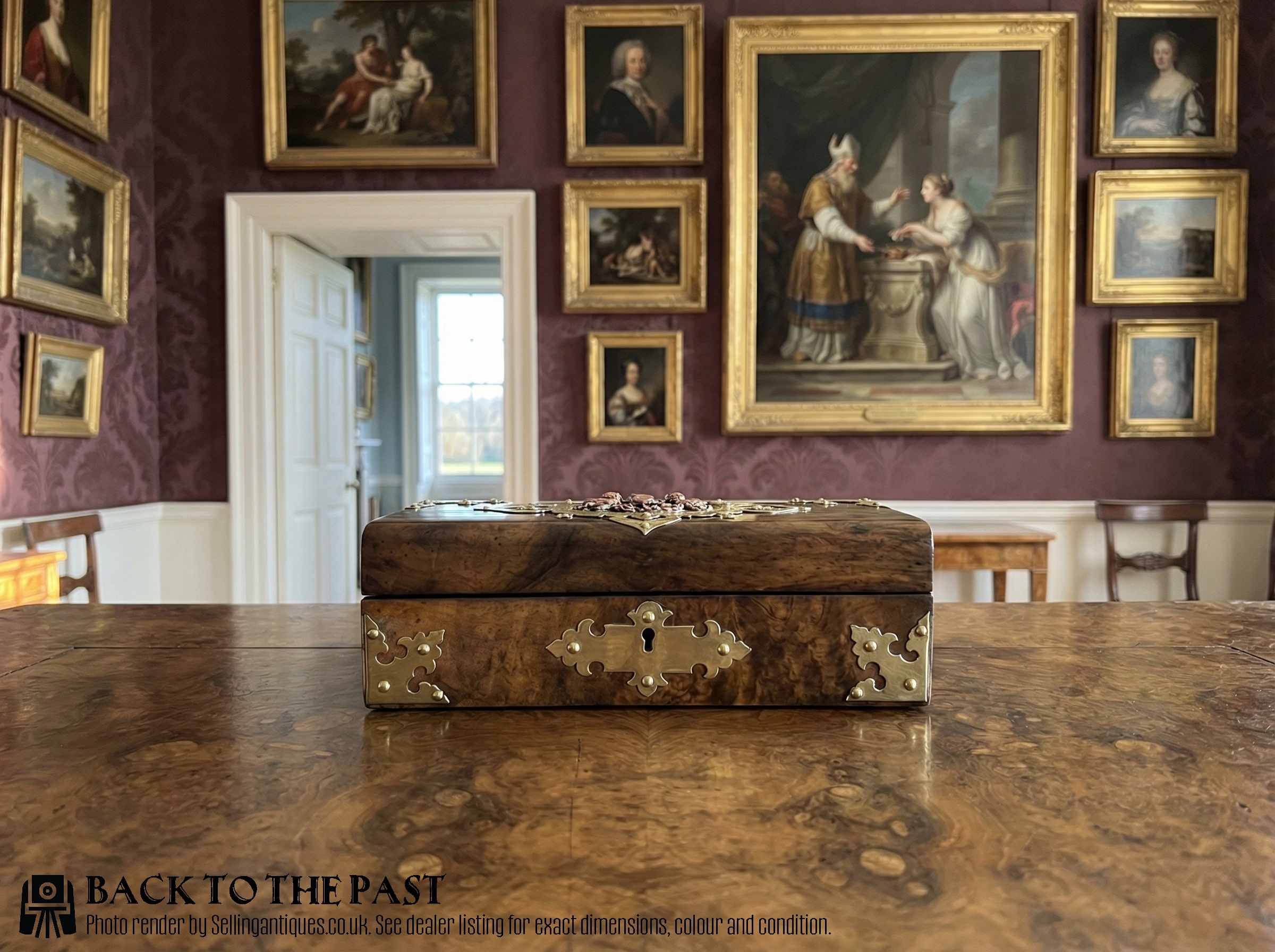
Brass Decorative Coffer
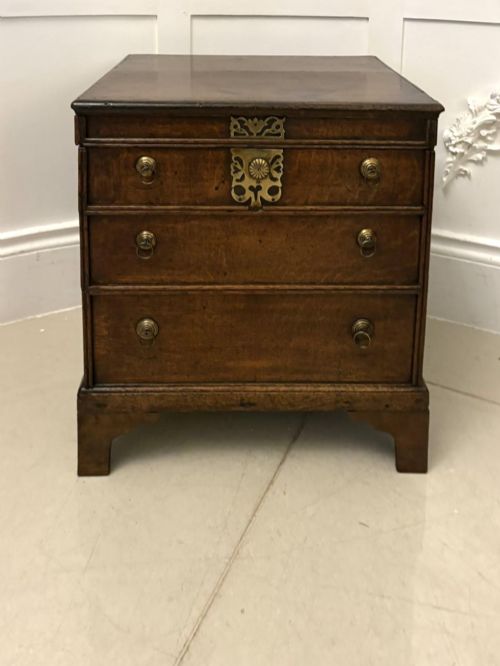
A brass decorative coffer serves as a secure storage container, encompassing forms from small jewellery boxes to large trunks and chests on stands. When searching for a brass decorative coffer, buyers encounter a diverse selection spanning multiple centuries and global origins.
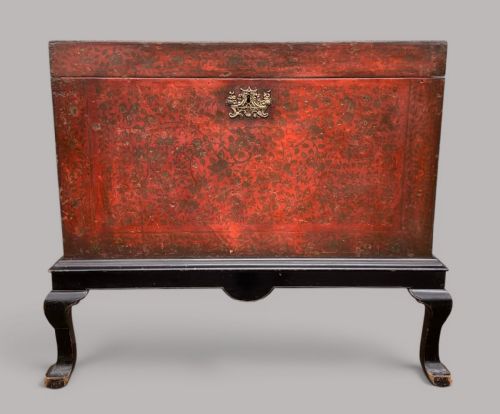
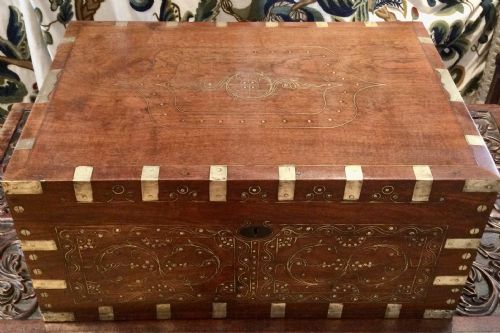
The pieces on this page reflect varied cultural traditions, including Anglo-Indian, Chinese Export, Spanish Baroque, and Korean Joseon styles. Forms range from dome-top caskets and strong boxes to expansive storage trunks.
Earlier examples date back to pre-sixteenth century panels, while nineteenth-century Victorian, Regency, and Zanzibar traders chests appear frequently. Each piece combines functional storage with ornamental metal bindings, studwork, or mounts.
Materials and Construction
Craftsmen built these containers using a foundation of hardwoods, burr walnut, teak, or iron, often clad in leather or finished with red lacquer. The structural framework relies on traditional joinery suited to domestic storage or travel.
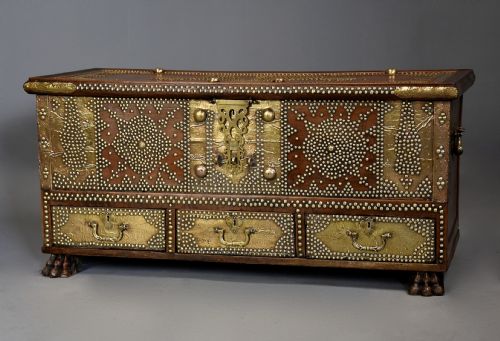
Decoration is achieved through applied brass strapping, bronze elements, and meticulous nailhead or stud details that secure the materials while creating geometric patterns. Specialised finishes such as painted surfaces and lacquer provide additional visual depth.
Brass Decorative Coffer Retail Price Guide 2026
Typical asking prices for brass decorative coffer among the pieces listed under this phrase on Sellingantiques today, from the lower quarter to the upper quarter. They describe what is for sale here now, not the wider market.
Current listings feature pieces spanning from pre-sixteenth century panels to early twentieth-century cabinets, incorporating brass, iron, leather, and burr walnut.
Assessing Quality and Execution
The distinction between tiers of quality lies in the precision of the brass mounting, the complexity of the studwork, and the selection of underlying woods like burr walnut or hardwood. Superior examples display tighter joinery and more ambitious decorative programmes across the surface.
The integrity of secondary materials, such as leather cladding, lacquered finishes, and interior secret compartments, further differentiates standard production from exceptional craftsmanship.
The Brass Decorative Coffer Glossary
- Coffre fort
- A strong box or reinforced chest traditionally utilised for safeguarding valuables and documents. These heavy containers often featured complex internal locking mechanisms.
- Zanzibar chest
- A distinct form of heavy wooden chest ornamented with elaborate brass studwork and strap hinges. Originating from East trade routes, they display rich cultural influences.
- Burr walnut
- A highly figured wood veneer derived from the growths of walnut trees. It provides a swirling grain pattern prized on nineteenth-century decorative boxes.
- Nailhead details
- Decorative brass or iron tacks driven in close rows to secure leather or fabric coverings. Beyond structural support, they form geometric and linear patterns.
- Chinese Export
- Items manufactured in China specifically for Western markets, blending traditional Asian lacquering or joinery with European forms.
Brass Decorative Coffer: Frequently Asked Questions
What is a brass decorative coffer used for?
These pieces function primarily as storage containers for jewellery, documents, and personal valuables. Historically, traders and households utilised them for secure transport and domestic organisation.
Today, they serve as decorative display items and functional tabletop or floor-standing storage within living spaces.
Where were these coffers made?
The selection includes items originating from diverse global regions, including England, Spain, China, Korea, India, and the Middle East. Each region imparted local woodworking traditions and distinct metal ornamentation.
Trade routes and export demands heavily influenced the cross-cultural designs visible in many pieces.
How should I care for leather and wood surfaces?
Maintenance involves keeping the pieces away from direct sunlight and excessive humidity to protect vulnerable materials like leather, lacquer, and burr walnut. Regular dusting with a dry, soft cloth preserves the finish.
Brass elements can be left to maintain their natural patina or gently cleaned without abrasive polishes.