

19th Century Upholstered Bench
These pieces range across the 19th century upholstered bench category, offering substantial seating solutions shaped by diverse revival styles.
19th Century Upholstered Bench
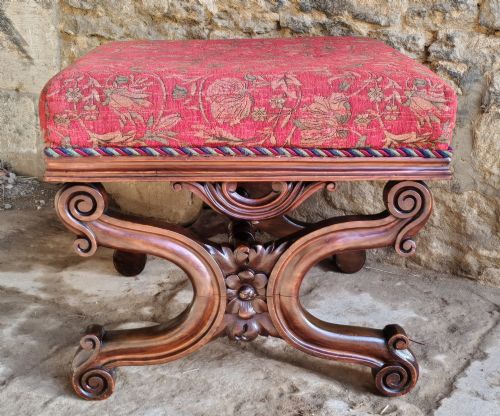
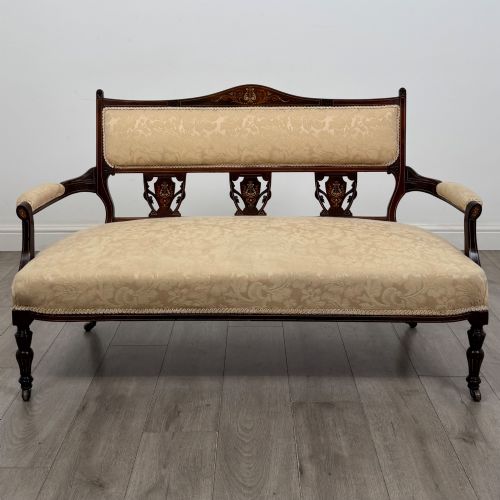
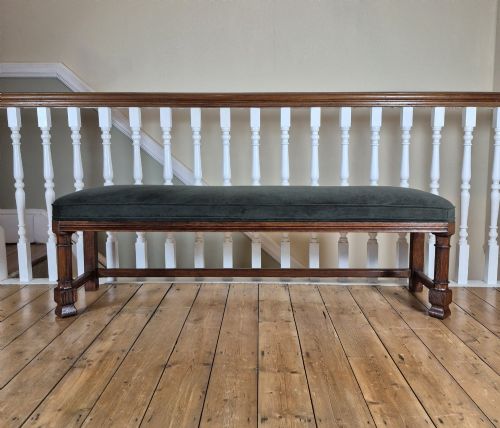
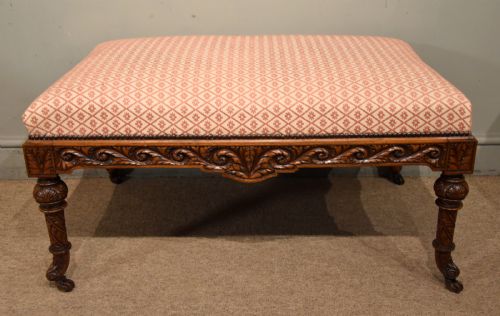
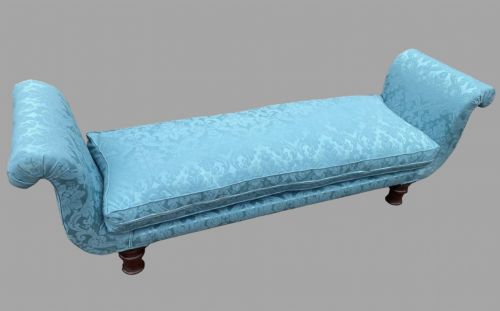
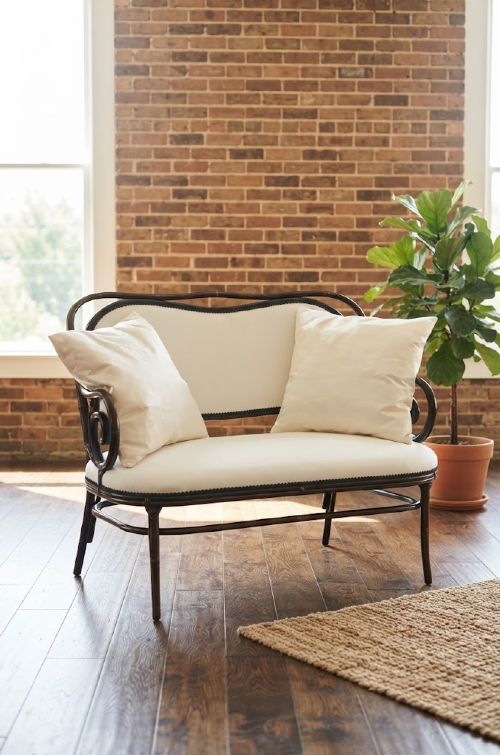
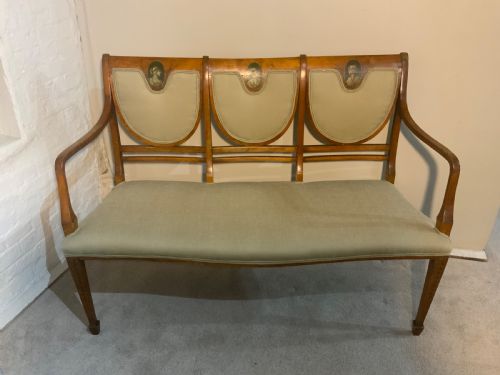
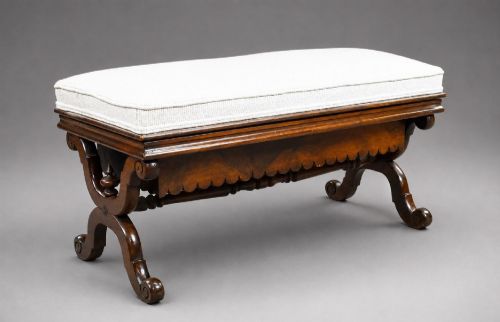
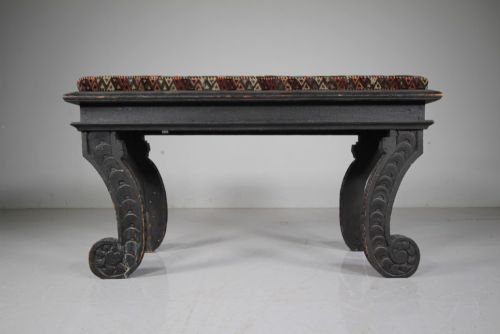
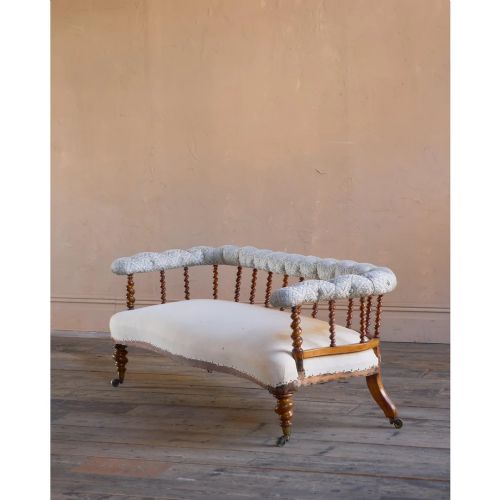
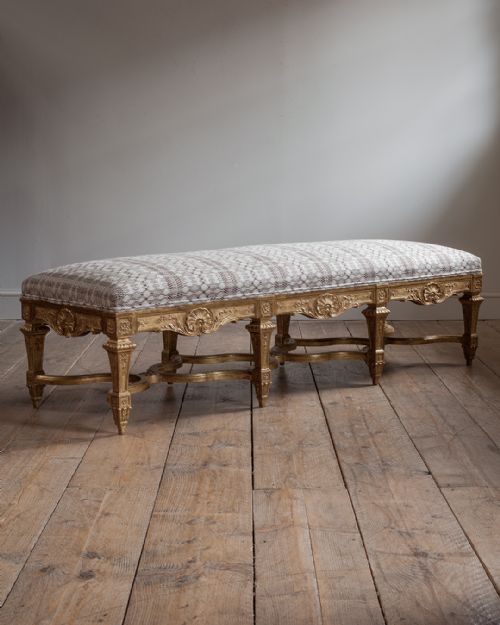
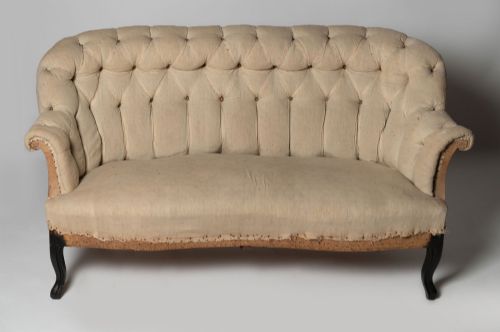
A 19th century upholstered bench encompasses various seating formats including window seats, footstools, dressing stools, and hall benches alongside larger settees and daybeds. The selection spans the Victorian, Regency, and William IV periods, incorporating distinct regional interpretations from English, French, Swedish, and Anglo-Indian makers.
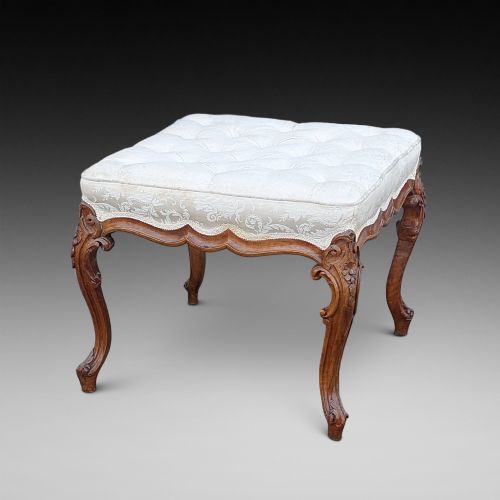
Most examples lean towards solid wood frames paired with textile or velvet upholstery, reflecting specific design movements such as Rococo Revival, Louis XV Revival, and the Aesthetic Movement. Buyers encounter everything from compact x-frame stools to expansive country house sofas.
Earlier pieces from the Regency and Georgian eras share floor space with later Victorian and 19th-century Continental pieces, providing a broad spectrum of historical seating options for interior use.
Materials and construction
Framing materials rely heavily on dense hardwoods like mahogany, rosewood, walnut, and oak, occasionally utilising satinwood, satin birch, and painted pine. These timbers are shaped through turning, carving, and ebonising to achieve specific stylistic silhouettes.
Upholstery incorporates traditional textile and velvet coverings, supported by brass details in certain hardware and decorative applications.
Listings feature woods including mahogany, rosewood, walnut, oak, satin birch, and burr maple alongside fabrics, velvet, and brass.
Assessing the pieces
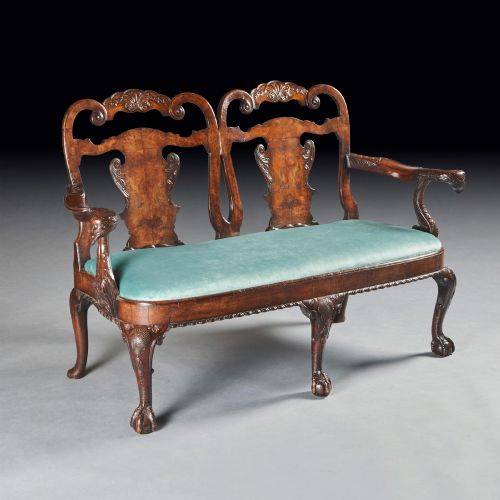
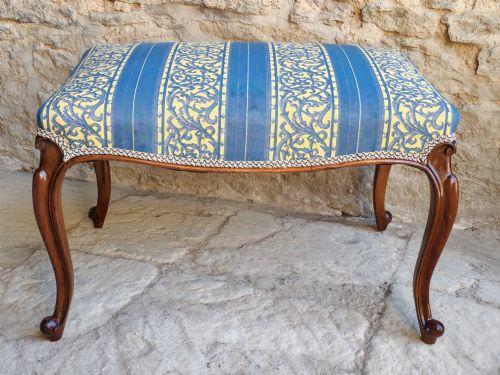
The refinement of the woodwork dictates much of the distinction, separating crisply carved walnut or rosewood frames from simpler turned or painted pine structures. Hand-carved details and balanced proportions in cabriole legs or x-frames indicate higher workshop standards.
The integrity of the frame construction and the fidelity to period design idioms, such as accurate revival styling or specific regional joinery, separate standard utility pieces from high-status salon and drawing-room furnishings.
C. Hindley & Sons·Charles Nosotti·Thonet
The 19th Century Upholstered Bench Glossary
- Cabriole leg
- A furniture leg that curves outward and then tapers inward, typically ending in a pad or scroll foot. This form derives from animal legs and appears frequently on mid to late period seating.
- Window seat
- A long, narrow bench designed to fit into a window recess, usually featuring upholstered seating and armrests at one or both ends.
- Settee
- A small upholstered sofa with a back and arms, built to seat two or more people comfortably in a parlour or drawing room.
- X-frame stool
- A folding or rigid stool supported by crossed legs in an X shape, often associated with Regency and earlier formal seating designs.
19th Century Upholstered Bench: Frequently Asked Questions
Where were these benches placed in a 19th century home?
These pieces occupied diverse rooms depending on their specific form, with window seats placed in reception rooms and hall benches positioned near entryways.
Smaller stools and dressing stools found places in bedrooms and dressing rooms, while larger settees and daybeds served drawing rooms and salons.
How do I distinguish a Regency bench from a Victorian one?
Regency pieces generally display cleaner classical lines influenced by Greek and Roman designs, often utilising rosewood or mahogany with restrained brass mounts.
Victorian examples tend towards heavier proportions, elaborate carving, and revival styles like Rococo or Gothic, using walnut and oak with deep buttoning or patterned velvet.
Can these benches be used with modern furniture?
The varied timber tones and classic silhouettes allow these pieces to integrate smoothly into contemporary living spaces as accent seating.
A rosewood stool or painted window seat functions effectively as a standalone decorative element or practical extra seating in a modern hallway or bedroom.