


Antique French Long Stool
An antique french long stool offers generous seating and timeless proportion, bringing classic European elegance to a bedroom or living space.
Antique French Long Stool
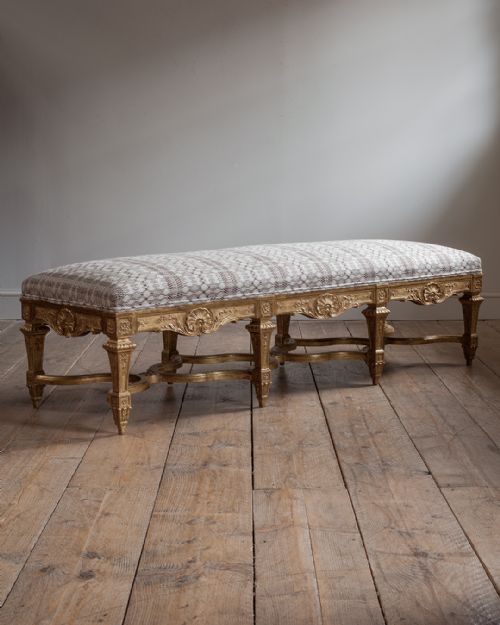
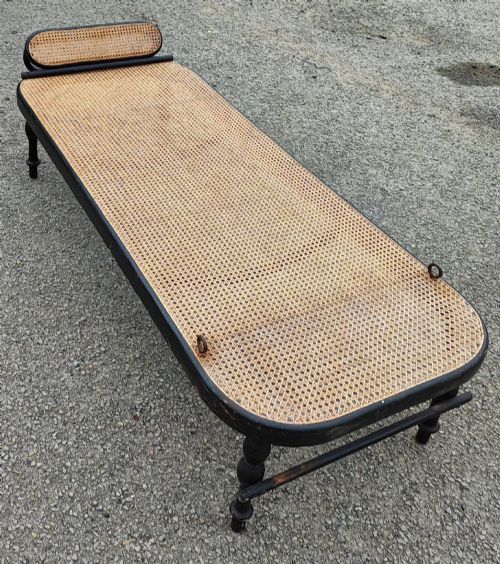
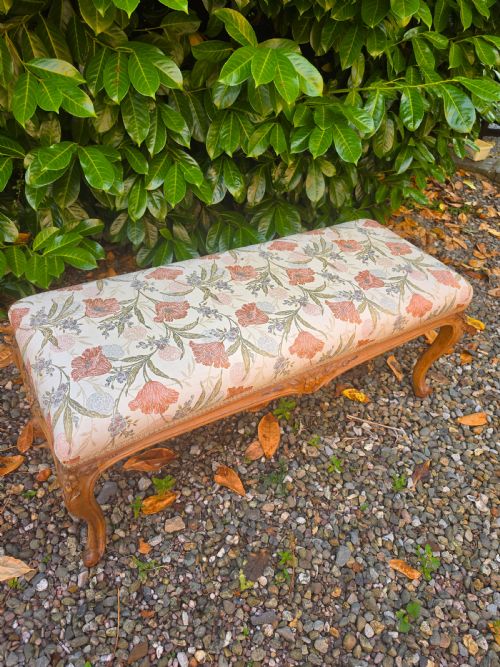
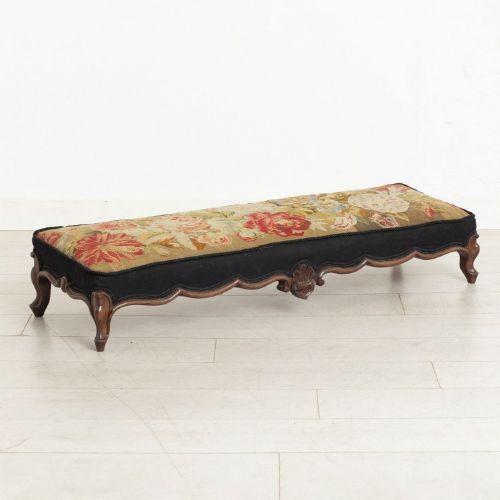
An antique french long stool provides an elongated seating form that bridges the gap between a standard stool and a bench, originating primarily from the nineteenth century. These pieces appear in forms such as low footstools, day beds, window seats, and larger upholstered benches.
The styles range widely across the selection, featuring Louis XIV Revival, Louis XV Revival, French Régence, and French Provincial designs. Buyers frequently encounter nineteenth-century examples alongside early twentieth-century interpretations.
Makers and craftsmen adapted these long stools for various domestic uses, including footstools, coffee or magazine tables, and multi-seater upholstered benches. Walnut, cherry wood, and painted finishes dominate the physical construction of these versatile items.
Markers of quality
The distinction between standard examples and superior pieces rests upon the depth and crispness of the hand-carved woodwork. Finishes such as original gilding or carefully applied paint contribute significantly to the visual weight of the item.
The integrity of the frame construction and the retention of original upholstery materials separate fine period seating from later or heavily restored alternatives.
Listings feature pieces spanning from the 1860s through to the 1930s, utilising walnut, giltwood, cherry wood, and cane.
The Antique French Long Stool Glossary
- Cabriole leg
- A furniture leg that curves outward and tapers downward to a foot, typical of eighteenth-century and revival styles. This form mimics animal legs and provides graceful structural support.
- Giltwood
- Wood that has been coated with gold leaf or a gold-coloured substance. This finish imparts a rich metallic sheen to decorative frames.
- Caned
- Woven rattan or cane material used to create light, breathable panels for seats and backs. It adds texture and lightness to wooden furniture.
- Tapestry
- A heavy textile featuring woven designs, often used historically for durable and decorative upholstery. These fabrics display intricate pictorial or geometric patterns.
- Régence
- A transitional French design style preceding Rococo, characterised by symmetrical carved ornamentation. It bridges the heavy grandeur of Louis XIV and the lighter curves of Louis XV.
Antique French Long Stool: Frequently Asked Questions
Where should I place a long stool?
These pieces fit naturally at the foot of a bed, beneath a window as a seat, or serving as a low coffee table.
Their elongated proportions allow them to occupy narrow hallways or living spaces without overwhelming the room.
How do I care for antique wood and fabric?
Dust wooden frames regularly with a soft cloth and avoid placing them in direct sunlight to protect the finish.
Upholstered sections benefit from gentle vacuuming with a brush attachment and professional cleaning when necessary.
Can these stools be used as tables?
Firmly upholstered or flat-topped long stools frequently function as low tables for books or decorative trays.
Adding a sturdy tray to a fabric or caned top instantly converts the seating into a stable surface.
How do I identify a revival style?
Revival pieces copy the decorative motifs and curved silhouettes of earlier monarchical periods like Louis XIV or Louis XV.
Craftsmen in the nineteenth and early twentieth centuries revived these classical French aesthetics for contemporary homes.