

19th Century Tapestry
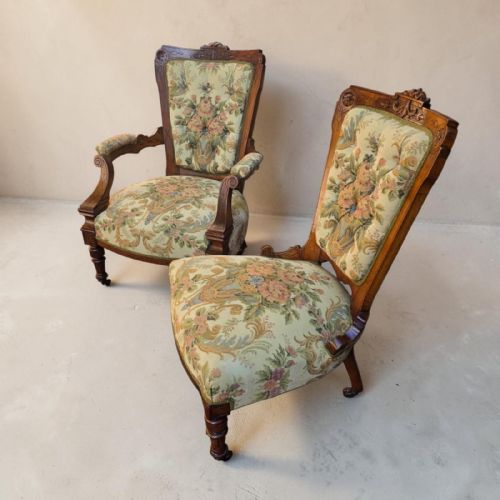
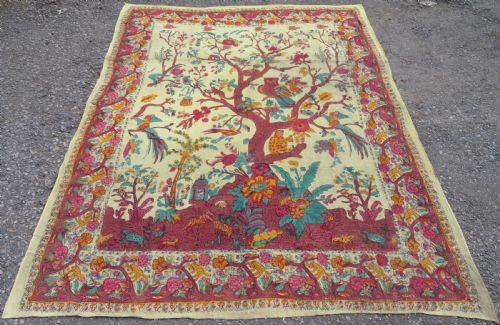
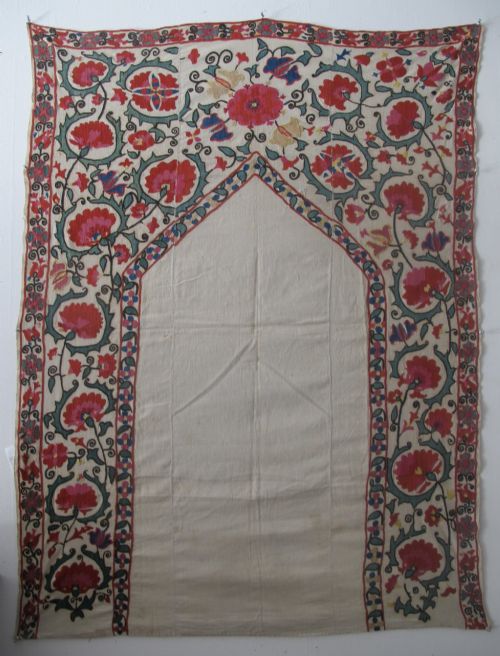
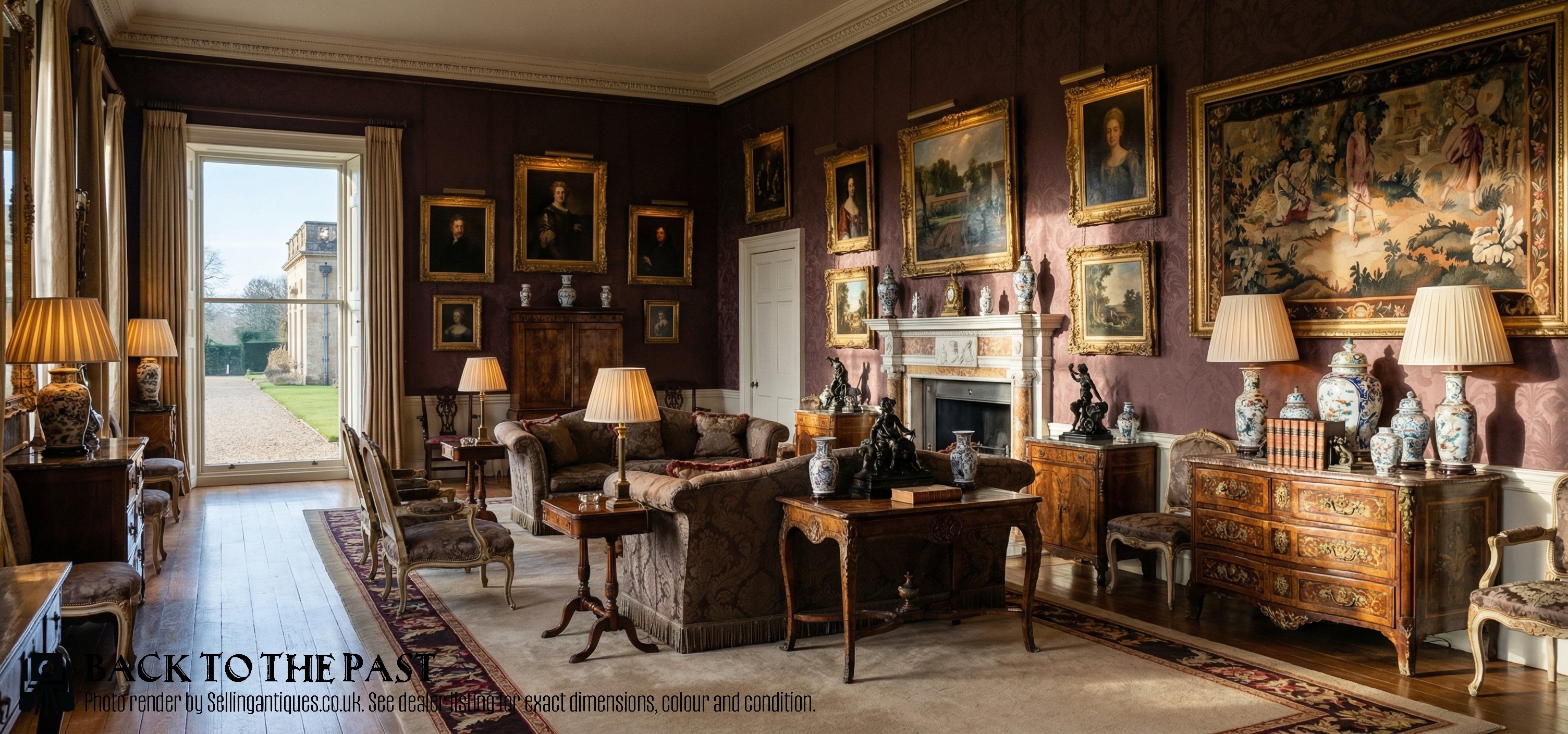
When you search for 19th century tapestry, you encounter woven wall panels, framed needlework pictures and upholstered seating decorated with historic textiles.
19th Century Tapestry
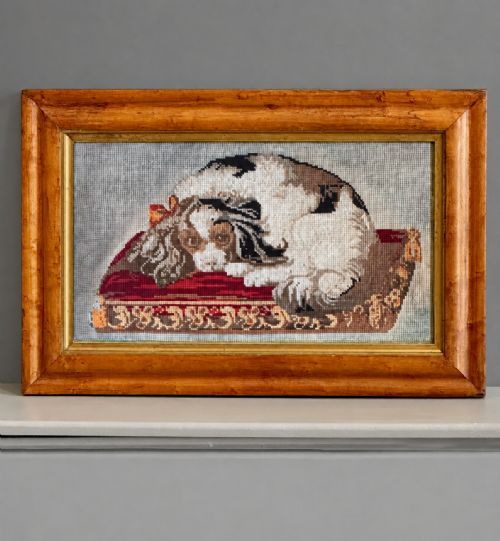
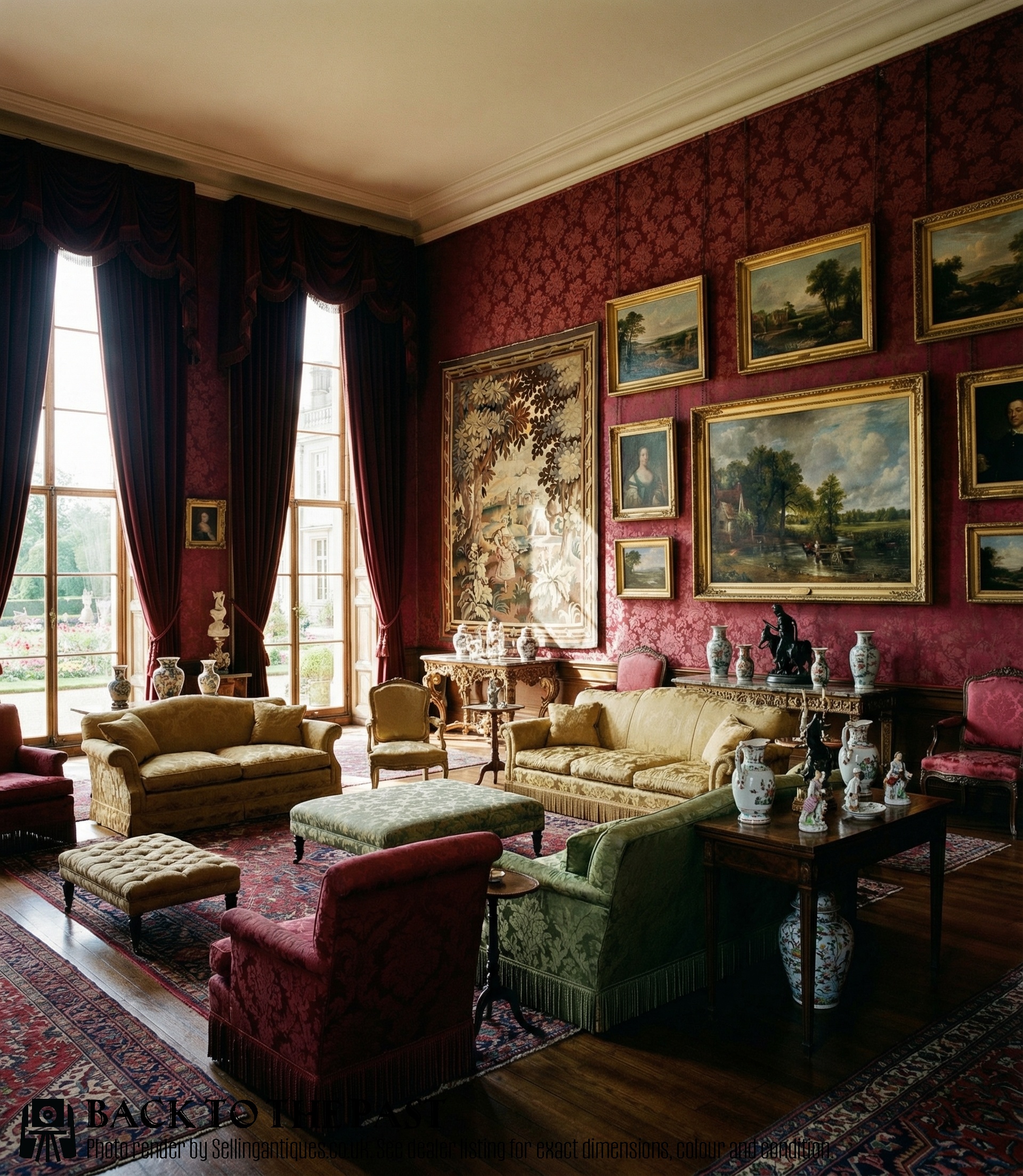
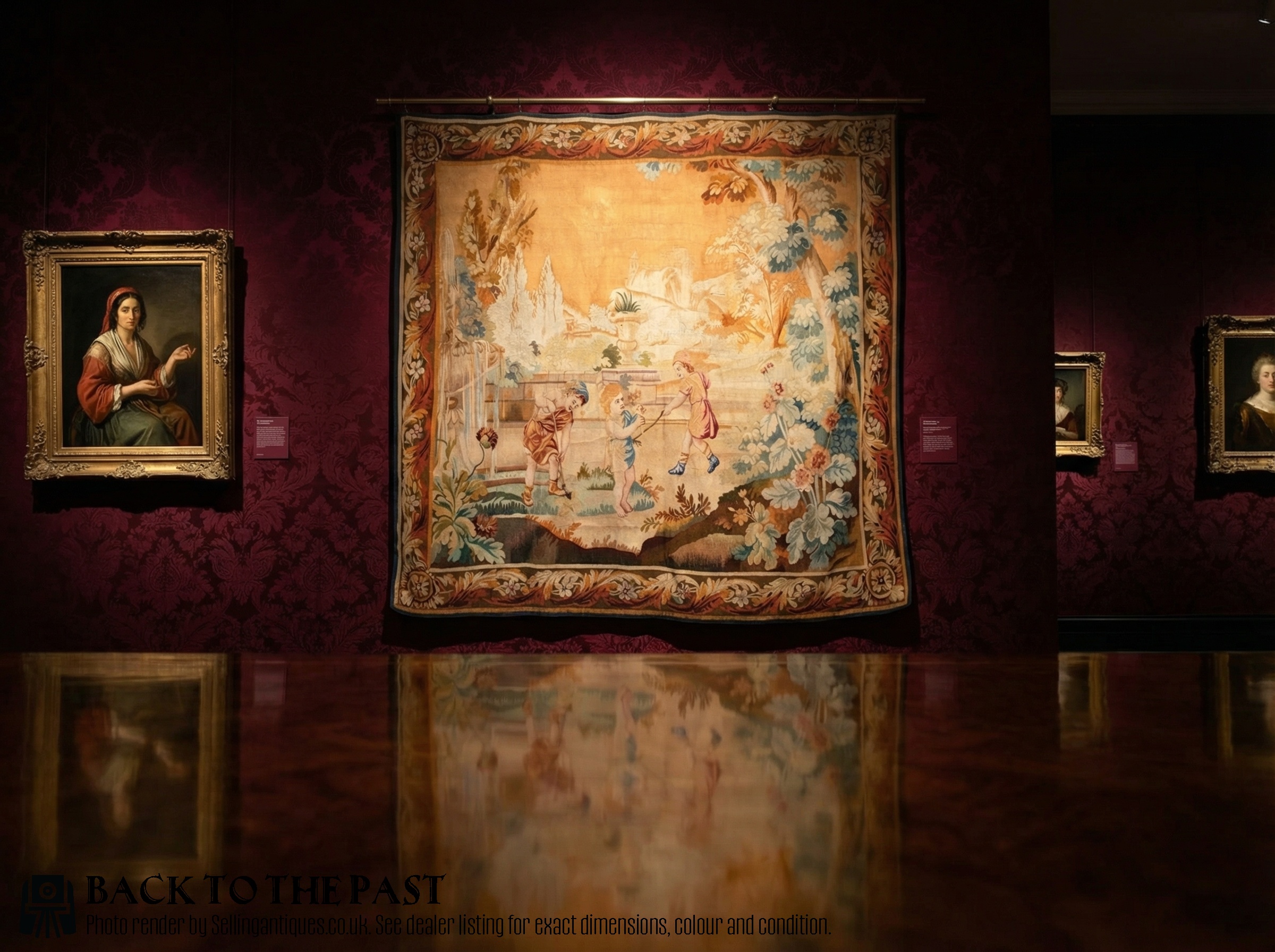
A 19th century tapestry search reveals wall hangings, framed panels and textile-covered furniture originating from English, French and Scottish workshops. The selection ranges from large architectural room dividers and verdure scenes to detailed needlework samplers and animal studies.
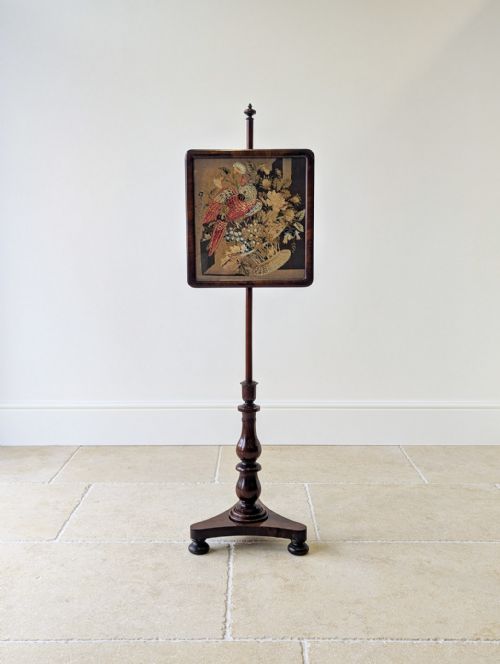
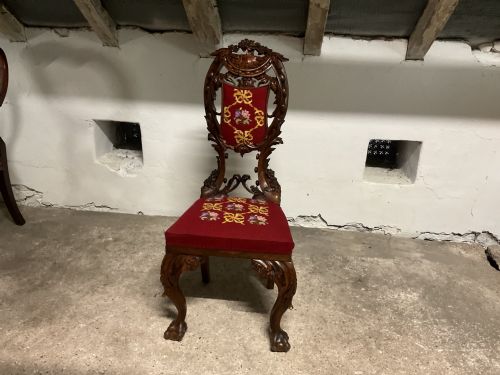
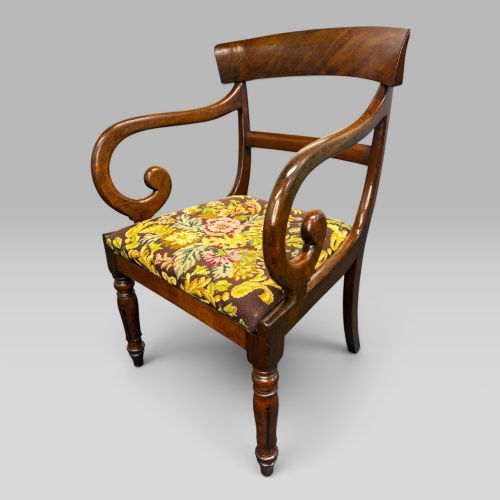
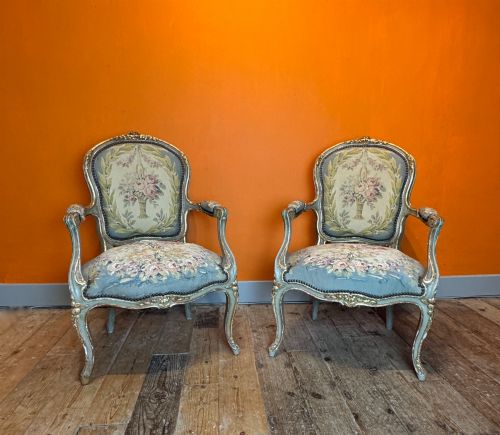
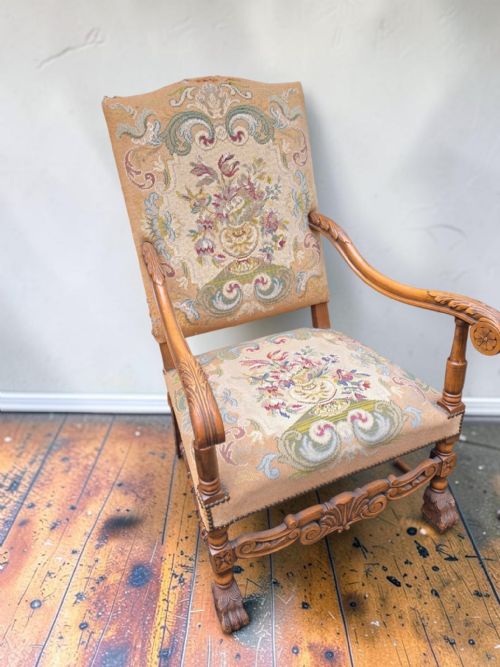
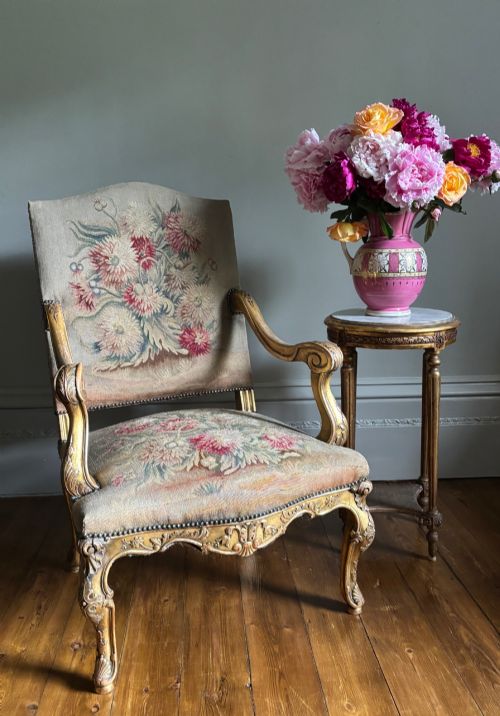
Many items combine structural timber frames in walnut, mahogany or giltwood with decorative textile elements. Buyers regularly encounter French salon suites, English armchairs and decorative fire screens carrying period woven or embroidered surfaces.
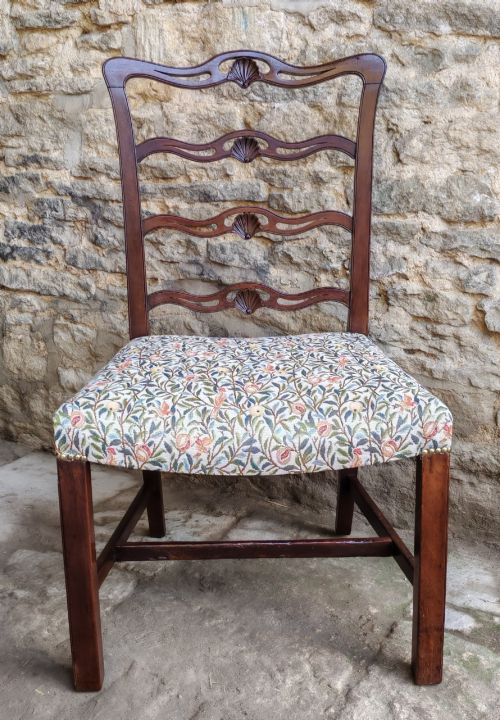
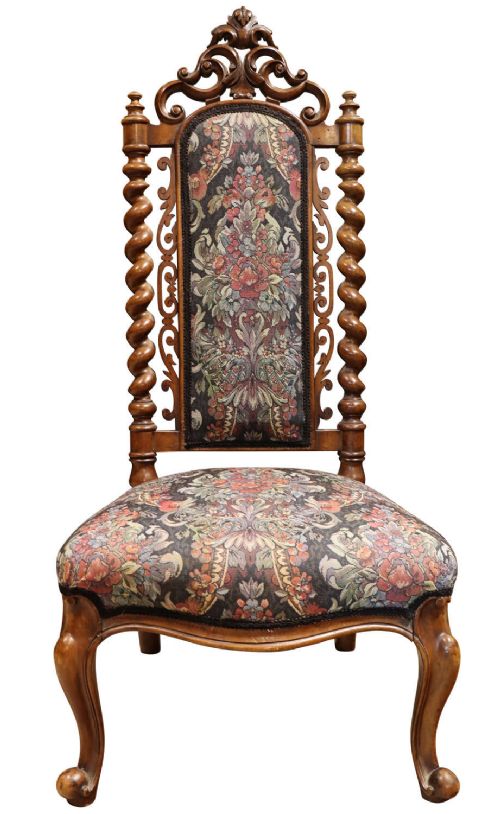
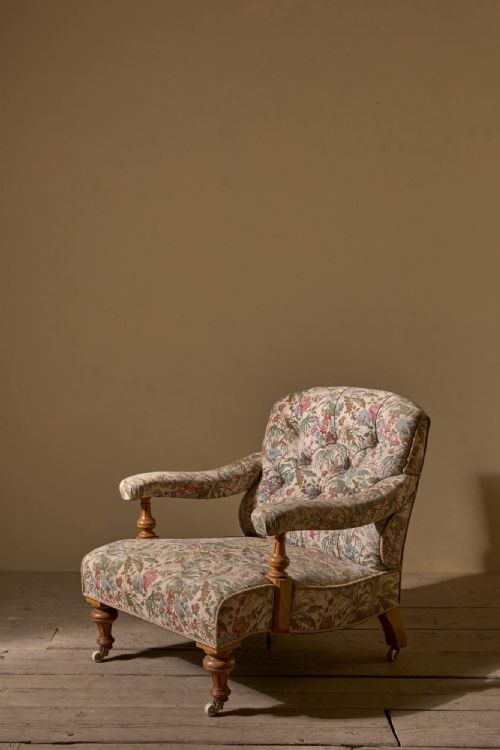
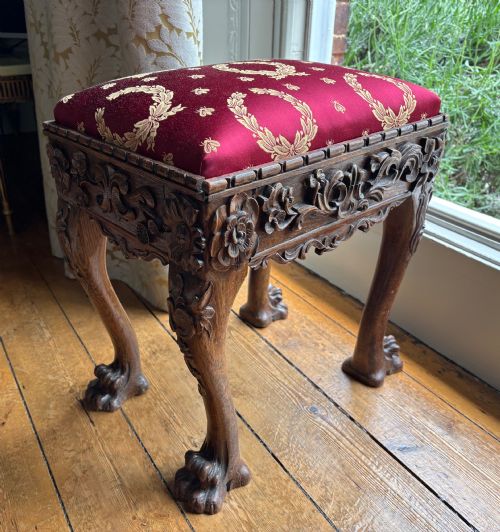
Beyond wall-mounted textiles, the category includes functional seating such as footstools, piano stools and open armchairs. These pieces demonstrate how woven and embroidered panels were integrated into domestic furnishings during the Victorian period.
Materials and Technique
Construction relies on natural textile fibres combined with sturdy timber supports. Makers utilised wool, silk and cotton threads to build dense pictorial surfaces, mounted onto frames or upholstery bases formed from mahogany, walnut, beech and brass.
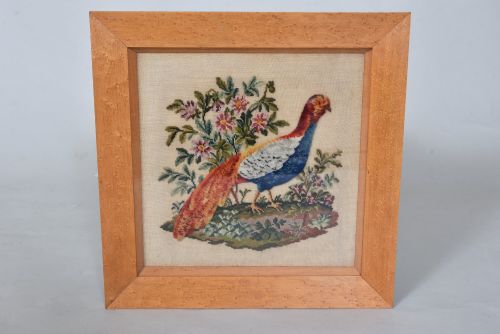
Techniques span traditional hand-weaving, needlework, plushwork and petit point stitching. Artisans often worked from painted cartoons or detailed patterns to render figurative scenes, floral motifs and heraldic designs.
19th Century Tapestry Retail Price Guide 2026
Typical asking prices for 19th century tapestry among the pieces listed under this phrase on Sellingantiques today, from the lower quarter to the upper quarter. They describe what is for sale here now, not the wider market.
The inventory records regional English, Scottish, French, and Asian textile works alongside Victorian revival styles.
Assessing Excellence
The relationship between the textile and its mount dictates the overall standard. Pieces where the original needlework remains securely tensioned within period frames of burr maple, carved walnut or giltwood represent the upper tier of the selection.
Thomas Webb
The 19th Century Tapestry Glossary
- Verdure tapestry
- A woven wall hanging featuring a stylized landscape dominated by foliage, trees, and often birds or animals. These panels were popular for bringing natural scenery into domestic interiors.
- Petit point
- A style of highly detailed needlework executed on fine canvas using small tent stitches. It allows for intricate pictorial representation and shading.
- Aubusson tapestry
- Woven textiles produced in the French town of Aubusson, known for pastoral scenes, floral patterns and architectural designs. They often served as wall portieres or upholstery covers.
- Berlin work
- A type of counted-thread embroidery popular in the nineteenth century that used coloured wools charted on grid paper. It enabled makers to produce vibrant geometric and pictorial designs.
- Portiere
- A heavy curtain hung over a doorway to prevent draughts. In this category, they are constructed from large tapestry panels.
19th Century Tapestry: Frequently Asked Questions
How do I hang a large tapestry?
Large wall hangings require even weight distribution across the upper edge. A concealed wooden batten or heavy-duty Velcro strip attached to the wall supports the fabric without placing stress on individual stitches.
Heavier panels benefit from a lined backing sleeve that accommodates a brass hanging rod. This method distributes tension uniformly and prevents the textile from sagging over time.
Where were these tapestries made?
Production centred primarily in France and England, with specific regional outputs documented in Scottish country houses and continental weaving centres like Aubusson. Workshops produced both large architectural panels for wall display and smaller decorative panels intended for domestic upholstery.
Makers also utilised imported materials and traditional techniques across various European hubs. The resulting pieces reflect local design preferences, ranging from English needlework samplers to French pastoral verdure scenes.
How should I clean textile art?
Surface dust can be removed gently using a soft brush or low-suction vacuum applied through a protective mesh screen. Avoid vigorous rubbing or direct moisture contact, which can weaken aged wool and silk fibres.
Professional textile conservators should handle deep cleaning or structural repairs. Standard household detergents and water immersion risk causing dye transfer and shrinkage in nineteenth-century threads.
Can I use tapestry chairs daily?
Upholstered armchairs and stools withstand normal domestic use provided the underlying wooden frames and webbing remain secure. Sitting gently preserves the tension of the historic needlework and prevents excessive wear on high-friction areas.
Placing seating away from direct sunlight protects the dyed wool and silk threads from fading. Rotating pieces periodically ensures even environmental exposure across the room.