
19th Century Stone Sculpture
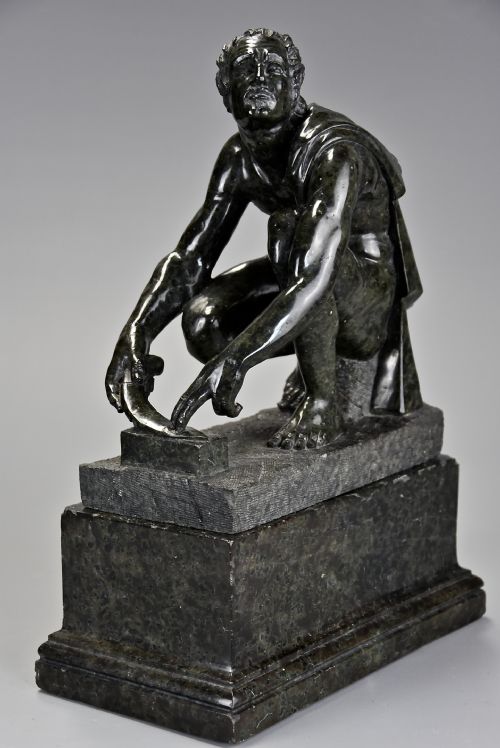
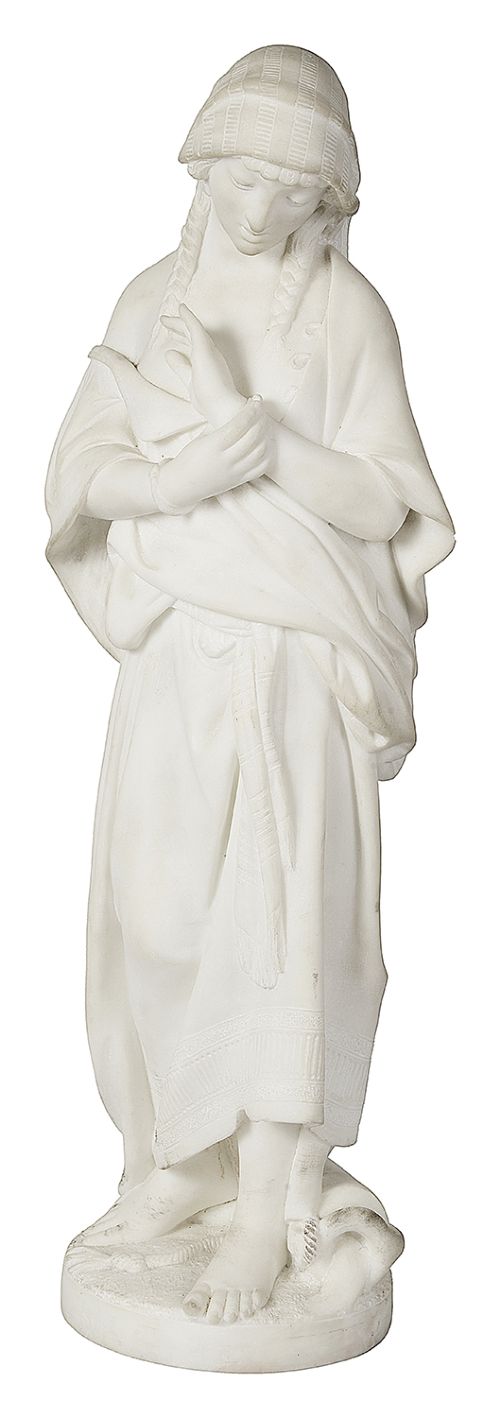
These 19th century stone sculpture pieces capture classical subjects and historical figures carved in marble, alabaster, and serpentine, offering tangible connections to European and Asian sculptural traditions.
19th Century Stone Sculpture
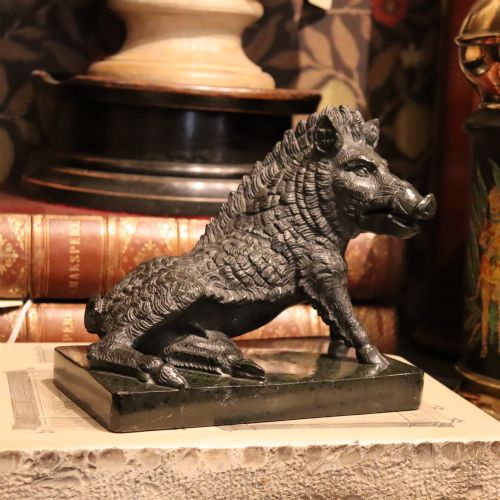
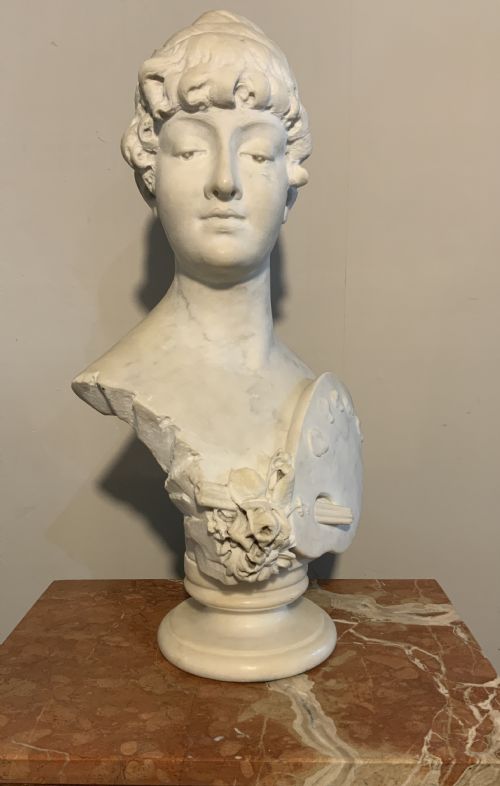
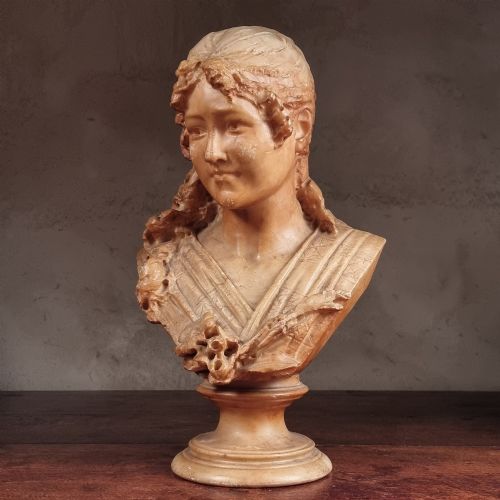
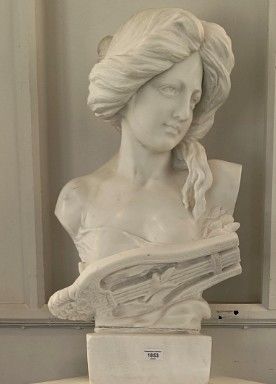
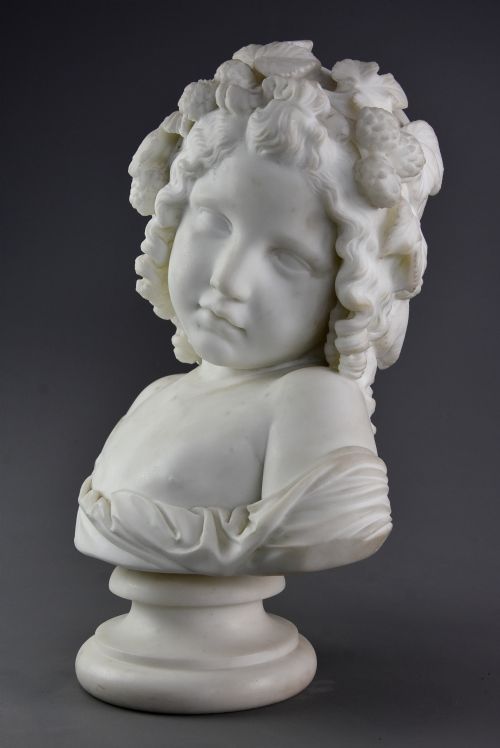
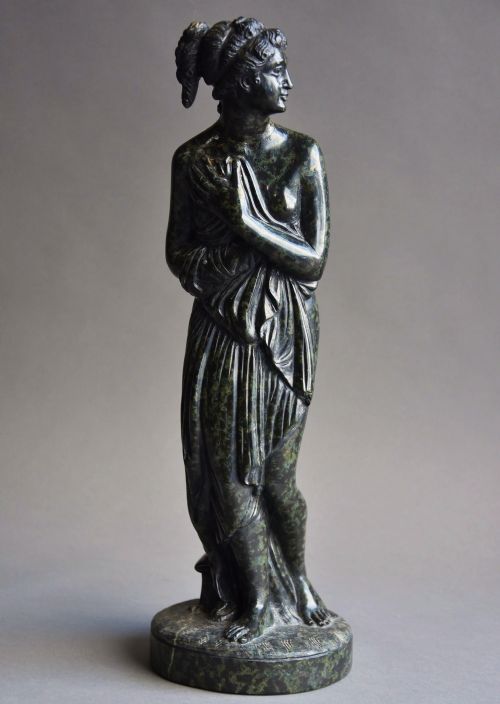
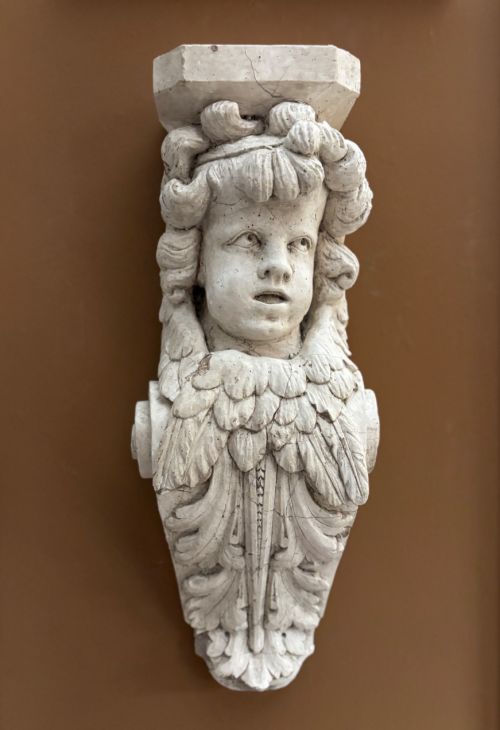
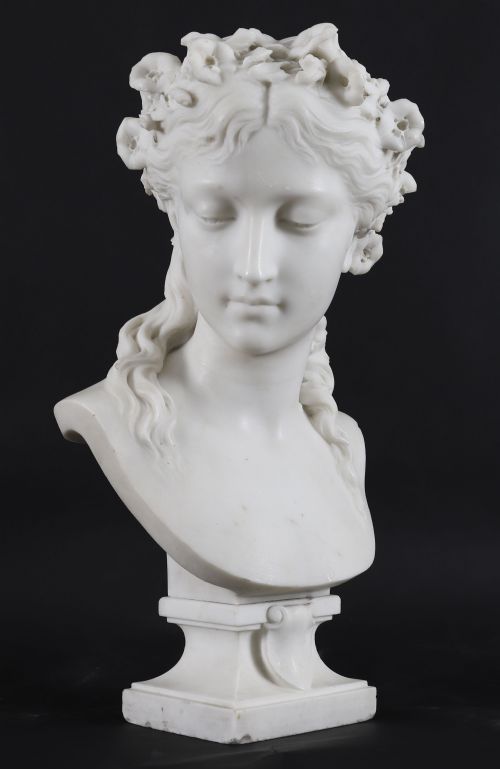
A 19th century stone sculpture selection primarily comprises carved marble busts, classical statues, and Grand Tour souvenirs shaped in European workshops during the 1800s. These works draw heavily from antique models, mythology, and portraiture, ranging from diminutive decorative objects to substantial architectural corbels and garden figures.
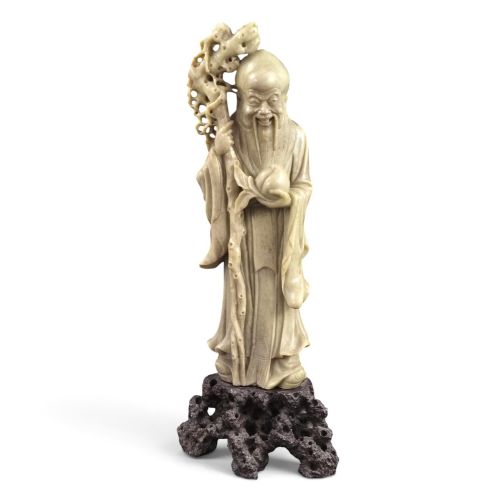
Buyers frequently encounter Italian Carrara marble pieces alongside French and British portrait busts depicting muses, historical figures, and literary subjects. The inventory also extends to regional variations, including Chinese soapstone and Burmese white marble temple statues dating towards the close of the century.
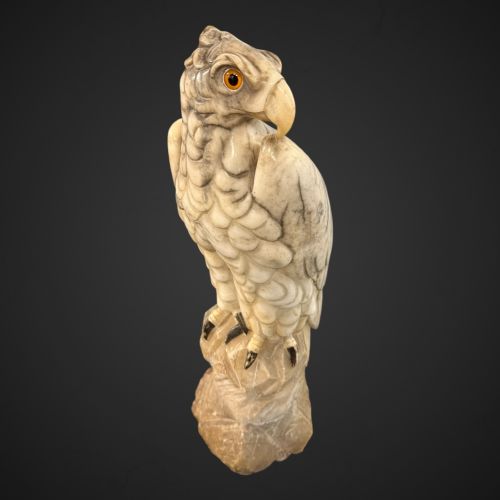
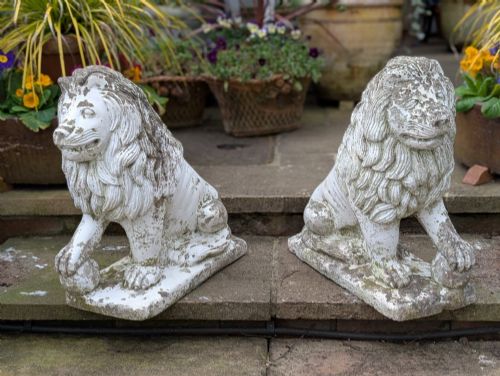
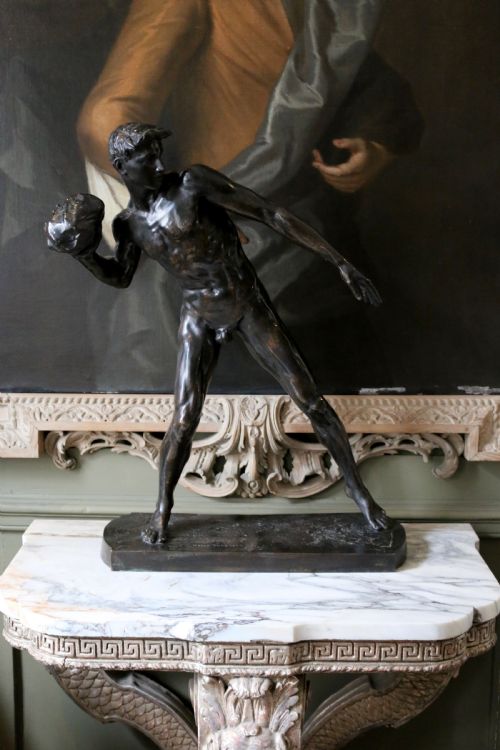
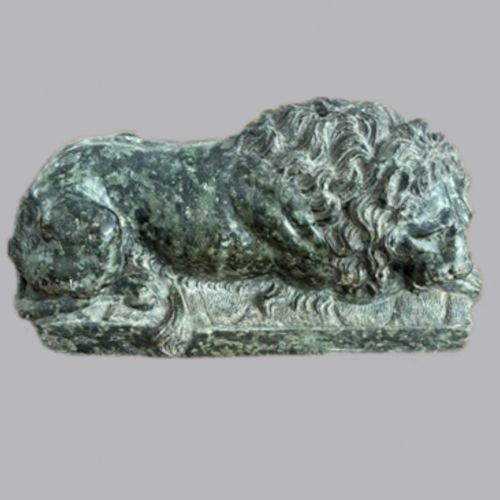
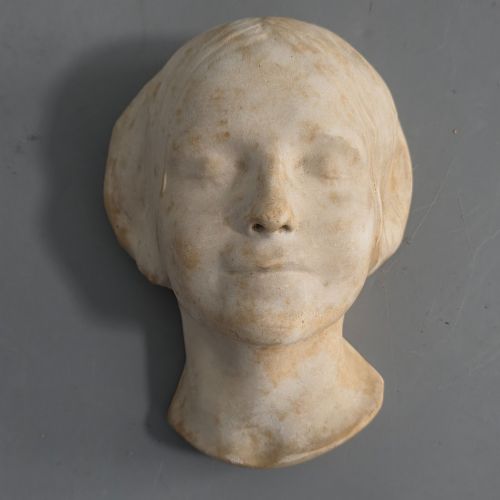
Domestic interiors often accommodated smaller alabaster death masks, animal figures like lions and dogs, and serpentine marble obelisks collected during travels abroad. Larger public and private spaces housed heroic figures, mythological deities, and portrait statues modelled after classical antiquity.
Materials and carving techniques
Sculptors utilised fine-grained Carrara marble, veined serpentine, and translucent alabaster, working the stone with chisels, rasps, and drills to achieve layered depth and smooth drapery. Artisans relied on pointing machines to scale down plaster models into finished stone or marble editions with precise anatomical proportions.
Softer stones like soapstone and alabaster allowed for intricate undercut details in Asian figures and European decorative objects, while harder stones required sustained abrasive polishing. Plaster casts served both as preparatory studies and as finished sculptural works finished with patination to simulate aged stone.
Several stone lions guard the collection, maintaining a silent vigil over nineteenth-century desks and mantelpieces.
Distinctions in sculptural quality
Quality rests upon the natural purity of the stone and the anatomical precision of the carving, distinguishing skilled studio output from hurried commercial output. Superior pieces display sensitive handling of hair, cloth texture, and facial expression without mechanical surface tooling marks.
Attribution to documented sculptors or established European studios elevates a piece above anonymous workshop production, particularly within Italian Grand Tour and Victorian portrait commissions. The depth of undercutting, balanced proportions, and clean assembly of multi-part marble pedestals also mark superior execution.
Barranti·Hamo Thornycroft·Eugene Aizelin·J Francis·Raffaelo Monti·Antonio Canova·Carrier-Belleuse·John Wenlock Rollins
The 19th Century Stone Sculpture Glossary
- Carrara marble
- A white or blue-grey stone quarried in Tuscany, widely favored by European sculptors for its fine and uniform grain.
- Grand Tour
- A cultural journey undertaken by European elites who acquired local marbles, bronzes, and carved models as souvenirs.
- Serpentine
- A green silicate mineral resembling jade, frequently utilised in Italian decorative obelisks and animal sculptures.
- Alabaster
- A fine-grained mineral stone valued for its translucent quality, often shaped into portrait busts and Victorian ornaments.
- Undercutting
- A carving technique where stone is removed beneath a projected element to create deep shadow and three-dimensional relief.
19th Century Stone Sculpture: Frequently Asked Questions
How do I identify Carrara marble?
Carrara marble is characterised by its bright white or pale grey ground, often marked by soft grey veining. It possesses a crystalline structure that catches light just beneath the surface.
Nineteenth-century sculptors prized this Tuscan stone for its predictable response to chisels and drills.
Where were these sculptures displayed?
Portrait busts and mythological figures occupied libraries, entrance halls, and drawing rooms of nineteenth-century townhouses and country estates. Obelisks and decorative animal statues sat upon mantelpieces, pedestals, and side tables.
Larger stone lions and architectural corbels were positioned near doorways or garden terraces.
What is alabaster used for?
Alabaster provided a softer, warmer alternative to marble, making it popular for interior portrait busts, decorative animals, and sculptural groups. Its natural translucency allowed light to penetrate the surface slightly.
Because the stone scratches easily, sculptors reserved it strictly for indoor display.