

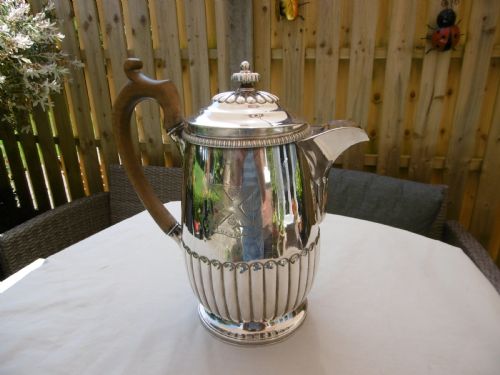


19th Century Silver Teapot
A 19th century silver teapot brings the weight and ceremony of the tea table into a room, spanning styles from Georgian elegance to Victorian revival.
19th Century Silver Teapot
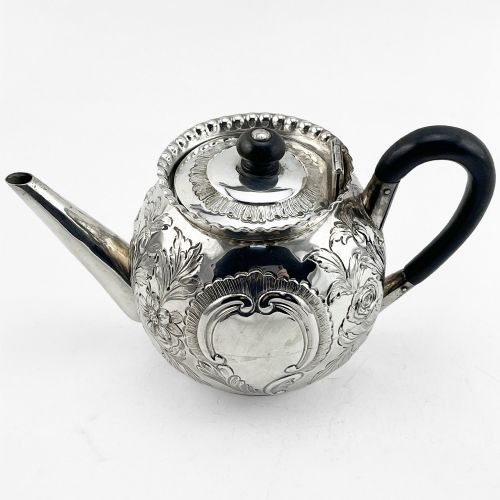
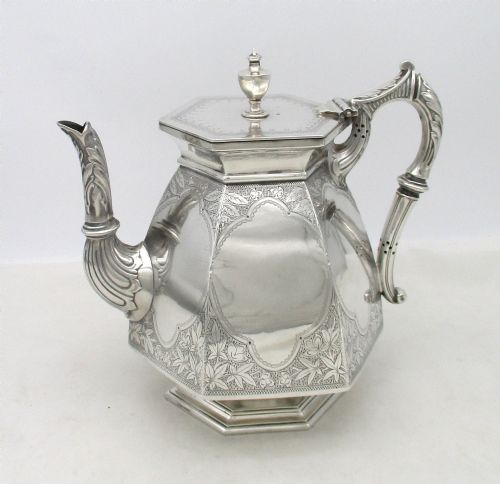
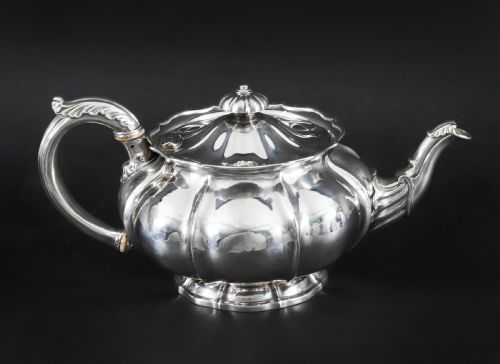
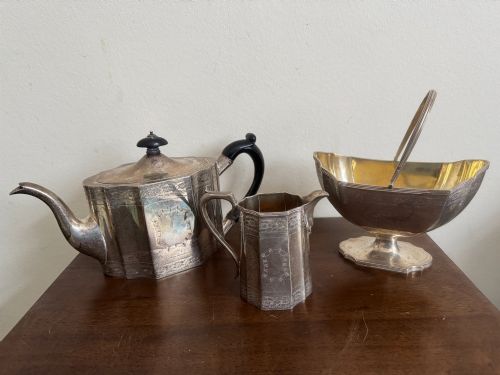
When you search for a 19th century silver teapot, you encounter a range of forms that reflect shifting domestic habits over a hundred years. The selection includes standalone teapots and coffee pots alongside complete tea and coffee services, shifting from restrained Georgian lines to ornate Victorian rococo revival and aesthetic movement designs.
Most examples you meet on this page date from the Georgian and Victorian eras, rendered in either sterling silver or silver plate. Alongside standard British domestic ware, you occasionally find related forms such as ceremonial ritual ewers from other regions, broadening the scope of metalwork from the period.
Materials and construction
Silversmiths of the period employed heavy gauge sterling silver and various plating techniques, including old Sheffield plate and electroplated nickel silver. Vessels were often raised from sheet metal or cast in sections before being assembled and hand-finished.
Functional details required materials beyond metal, incorporating wood, bone, or ebony for handle insulators to prevent heat transfer during use. Some interiors also received gold gilding to protect the metal from acidic contents and improve durability.
19th Century Silver Teapot Retail Price Guide 2026
Typical asking prices for 19th century silver teapot among the pieces listed under this phrase on Sellingantiques today, from the lower quarter to the upper quarter. They describe what is for sale here now, not the wider market.
Materials recorded across the inventory include sterling silver, silver plate, wood, bone, ebony, and gold gilding.
Assessing quality and execution
Quality rests in the crispness of the chasing, the balance of the handle and spout, and the integrity of the maker's marks stamped into the metal. Finer pieces display confident hand-engraved crests and substantial metal weight that provides a solid feel in the hand.
The choice of secondary materials also signals distinction, where genuine ebony or carved bone handle fittings demonstrate higher standards of workshop production compared to simpler substitutes.
Paul Storr·Matthew Boulton·Joseph Craddock·Benjamin Smith·Boardman Glossop And Co
The 19th Century Silver Teapot Glossary
- Sterling silver
- A silver alloy containing 92.5 percent pure silver and 7.5 percent other metals, usually copper, chosen for structural strength.
- Silver plate
- A base metal substrate covered with a thin layer of silver, encompassing older fusion methods like Sheffield plate and later electroplating.
- Old Sheffield plate
- A material made by fusing a sheet of silver to a thicker copper ingot before rolling them into sheets together.
- Electroplated nickel silver
- A base alloy of copper, nickel, and zinc coated with a layer of silver using an electrical current.
- Gold gilding
- A thin coating of gold applied to the interior surfaces of a silver vessel to prevent tarnishing and interaction with liquids.
19th Century Silver Teapot: Frequently Asked Questions
How do I clean an antique silver teapot?
Clean the surface gently using a dedicated silver cloth or a mild, non-abrasive polish designed specifically for antique metalwork. Avoid harsh chemical dips that can strip away the aged patina and damage organic handle insulators made of wood or bone.
Store the piece in a dry environment away from direct sunlight to slow down the natural tarnishing process between occasional gentle maintenance sessions.
Can I still use a 19th century teapot for daily tea?
While these vessels were made for daily domestic service, most collectors treat them as display pieces or decorative items rather than utilitarian kitchenware. Using older silver regularly exposes the fragile joints, hinge mechanisms, and thin historic plating to potential wear.
If you do choose to use one, fill it only with warm water first to check for hairline fractures and rinse it thoroughly by hand without submerging wooden or insulated handles.
What is the difference between sterling and silver plate?
Sterling silver is solid precious metal all the way through, bearing standard hallmarks that guarantee its metal purity standard. Silver plate consists of a cheaper base metal, such as copper or nickel brass, covered by a thin outer layer of silver.
Over long periods of heavy cleaning, plated surfaces can wear thin at the edges and high points to reveal the darker base metal underneath, whereas solid sterling maintains its composition throughout.
How do I date a silver teapot without hallmarks?
Dating relies on stylistic clues such as the overall silhouette, foot rim design, handle shape, and decorative motifs like engraving or embossing. Georgian pieces often show cleaner neoclassical or restrained curved outlines, while Victorian examples lean toward heavier floral relief and revival styles.
Comparing the form and manufacturing techniques to documented examples from known makers helps narrow down the period of production when official punch marks are worn or missing.