



Sterling Tea Service
A sterling tea service brings together pots, jugs, and bowls in precious metal to set a table with substance and history.
Sterling Tea Service
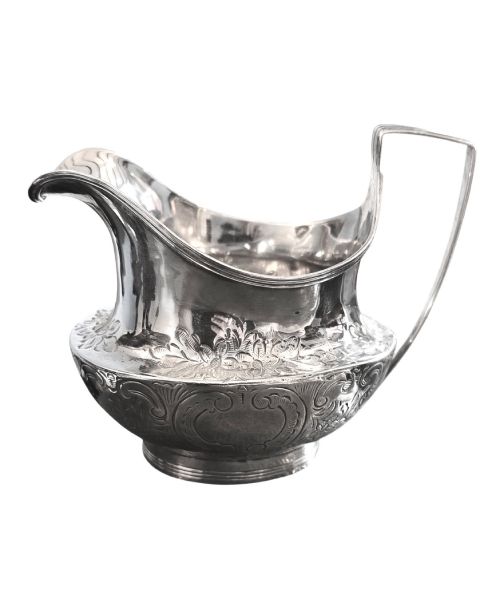
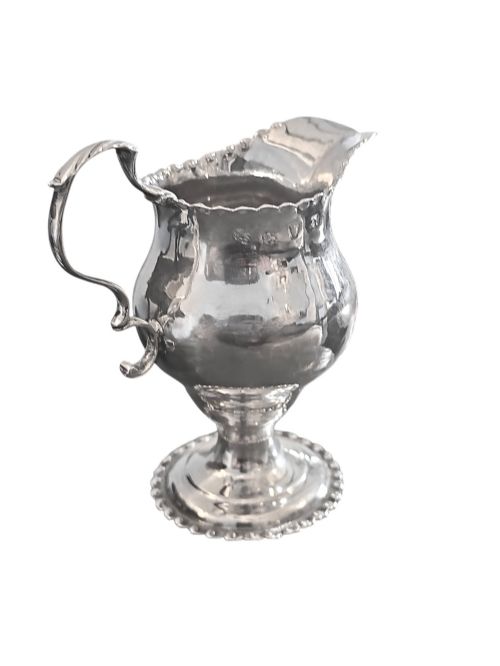
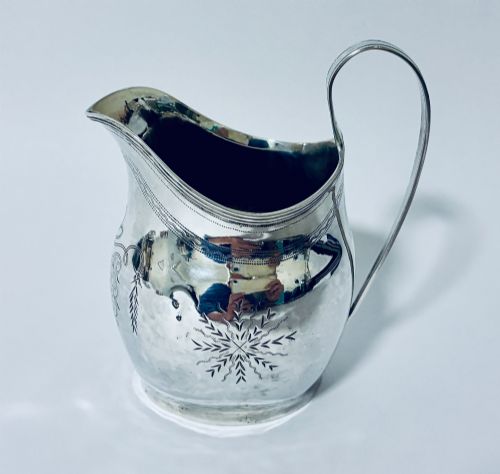
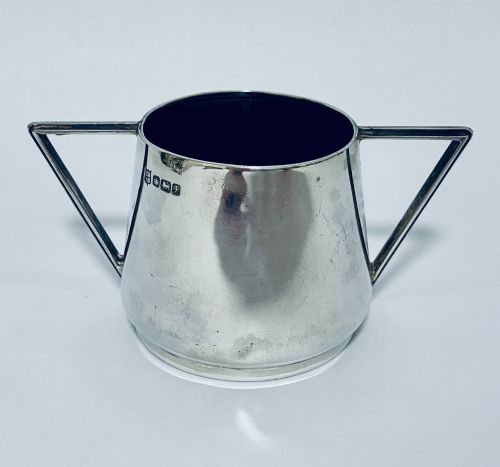
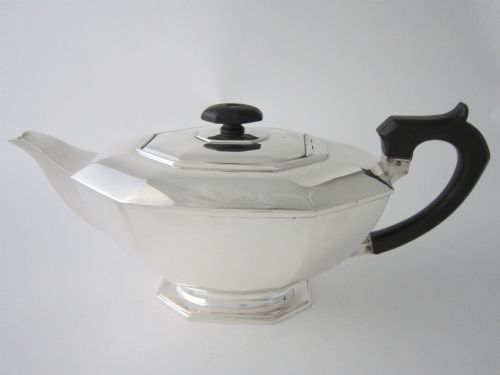
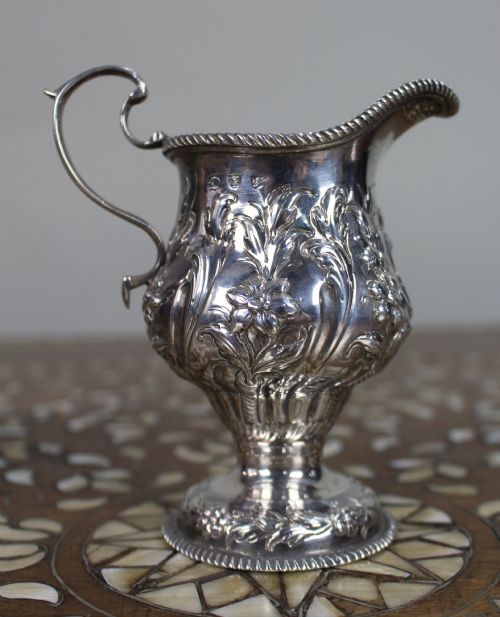
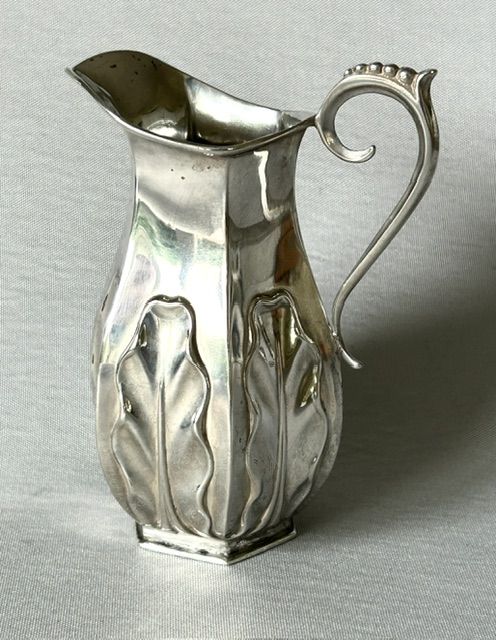
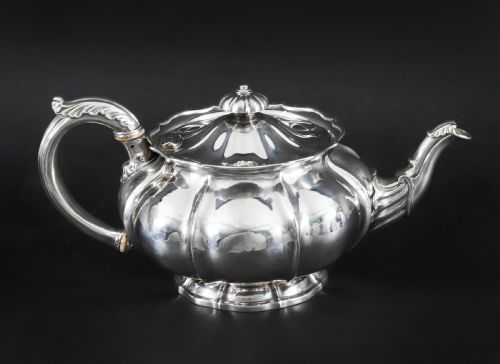
A sterling tea service consists of matching vessels for brewing and serving tea, often accompanied by cream jugs, sugar bowls, and tongs in silver. The configurations vary from smaller bachelor sets to extensive five-piece tea and coffee sets spanning periods from the eighteenth century to the mid-twentieth century.
Georgian and Victorian examples predominate, alongside Edwardian pieces and later Art Deco designs. Individual components such as sugar baskets, cream jugs, and teapots also appear frequently alongside complete services.
Materials and construction
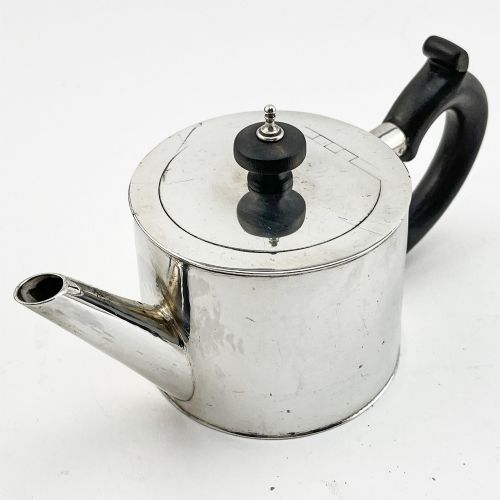
Silversmiths shaped sterling silver by hand or utilised early machinery to raise and form teapots, jugs, and bowls. Many pieces incorporate silver-gilt interiors or decorative accents of wood, ebonised wood, and ebony for handles and insulators.
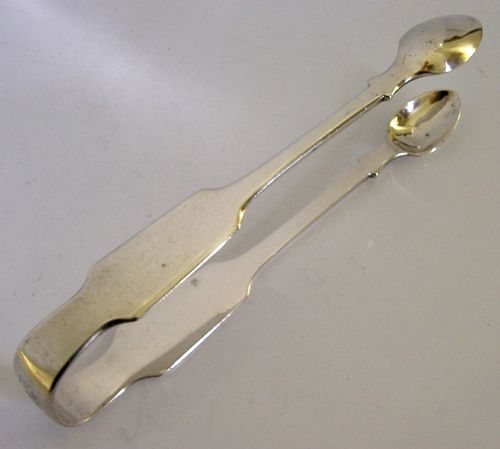
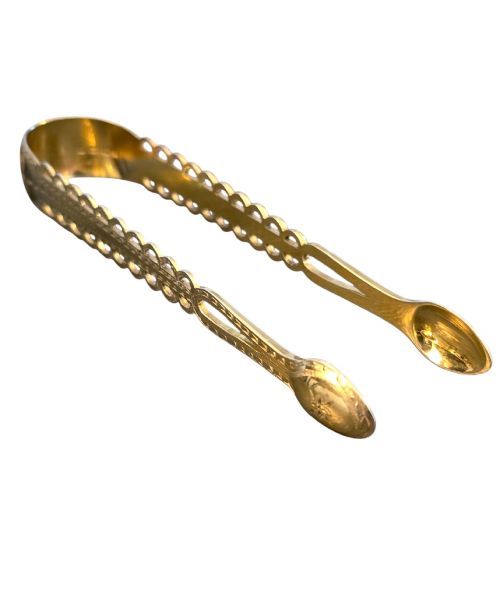
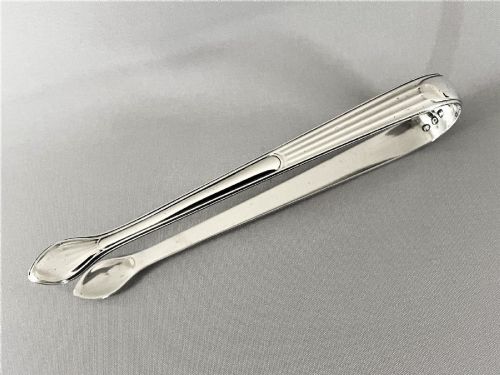
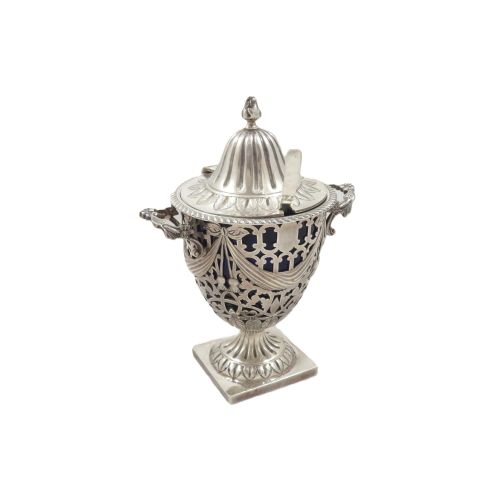
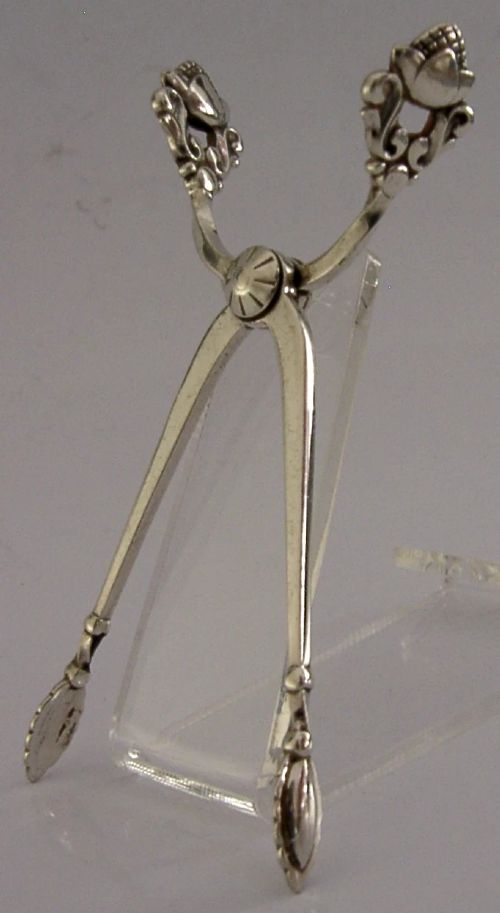
Specialised items like sugar tongs and nips involve pivoted metalwork, whilst baskets and bowls often feature pierced silver or cast mounts.
Sterling Tea Service Retail Price Guide 2026
Typical asking prices for sterling tea service among the pieces listed under this phrase on Sellingantiques today, from the lower quarter to the upper quarter. They describe what is for sale here now, not the wider market.
Several pieces include dedicated sifter spoons designed for dusting powdered sugar over tea tables.
Judging the quality of silver tea wares
Substantial weight in the hand indicates superior gauge silver, separating robust pots and jugs from lighter wares. Crispness in chased, engraved, or pierced ornamentation demonstrates the skill of the silversmith.
The integrity of joints, handles, and hinges determines how well a service has survived use. Retained silver-gilt interiors and matching maker marks across multiple pieces elevate a service.
George William Adams·Paul Storr·Bateman Family·Georg Jensen·Robert Hennell I·John Emes·Joseph Craddock
The Sterling Tea Service Glossary
- Sterling silver
- An alloy containing 92.5 percent silver by mass, with the remainder consisting of other metals like copper. This standard alloy provides the durability required for functional tea wares.
- Silver-gilt
- Sterling silver that has been coated with a thin layer of gold on the surface. This technique was frequently applied to the interiors of sugar bowls and cream jugs to protect the silver from tarnishing.
- Bachelor teapot
- A smaller scale teapot designed for single persons or small households. These compact pots appear frequently in Georgian and Victorian forms.
- Sugar nips
- Spring-action tongs used for grasping sugar lumps before the widespread adoption of granulated sugar. They often feature scissor-like handles and shaped bowls.
- Ebonised wood
- Timber treated to resemble ebony, utilised for teapot handles and finials to prevent heat transfer during use.
Sterling Tea Service: Frequently Asked Questions
How do I date a sterling tea service?
Silver items carry hallmarks stamped by assay offices that reveal the year of manufacture, the city, and the maker's mark.
Additional clues come from the overall style, such as Neoclassical motifs on Georgian pieces or geometric lines on Art Deco sets.
Can I use an antique tea service daily?
Many people choose to use silver teapots and jugs for daily hospitality, provided the vessels are handled with care and cleaned gently.
Hand washing with mild soap preserves the surface and prevents damage to wooden handles or insulated joints.
What is the difference between a milk jug and a cream jug?
Cream jugs are generally smaller and deeper, designed to hold rich cream for pouring into individual cups of tea.
Milk jugs tend to have a larger capacity to accommodate greater volumes of milk added during tea service.
How do I care for silver tea wares?
Regular dusting and occasional washing in warm soapy water keeps silver clean without wearing down the metal surface.
Specialist silver polish should be used sparingly to remove tarnish while preserving the fine details of engraving and hallmarks.