





Vintage Silver Tea Server
These vintage silver tea servers and associated table wares bring period hospitality into the room.
Vintage Silver Tea Server
A vintage silver tea server encompasses hollowware and serving pieces designed for the preparation and presentation of hot beverages. The pieces span centuries of British domestic life, from formal Georgian service items to later Edwardian iterations.
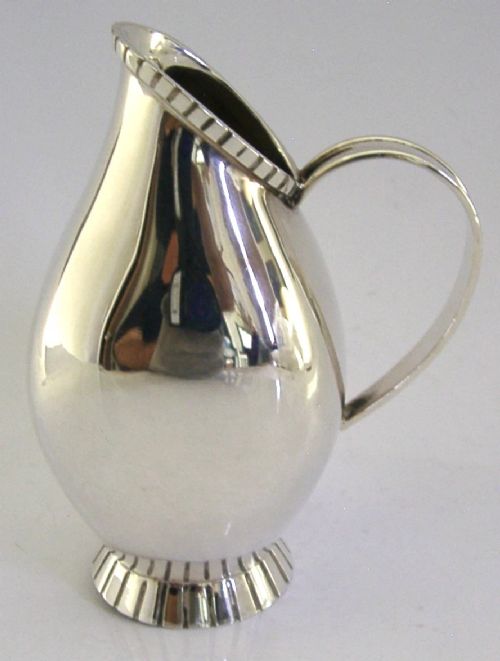
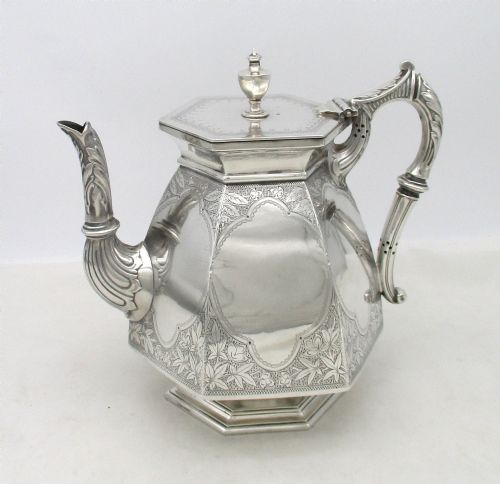
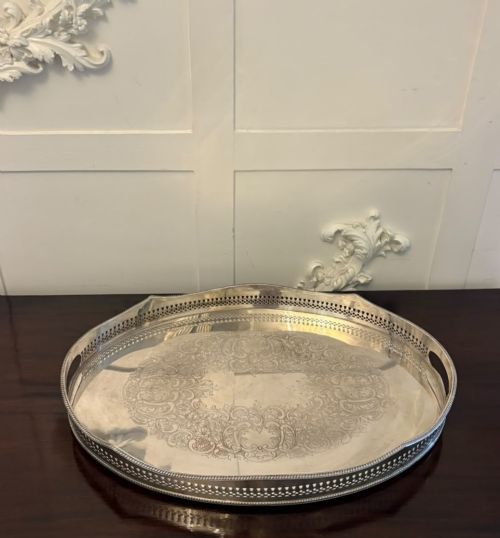
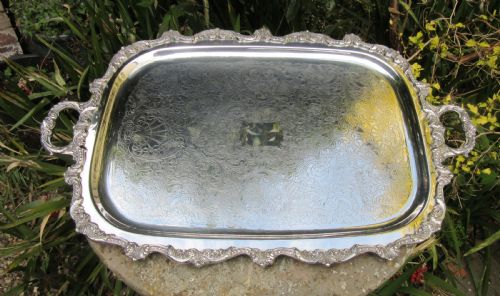
Buyers browsing this selection encounter various forms, including teapots, coffee pots, tea urns, and expansive serving trays. Many items are silver plate or Old Sheffield plate rather than solid metal.
Associated items such as sugar tongs, occasional tables, and tea sets frequently accompany these servers. The inventory draws on periods ranging from the eighteenth century through to the early twentieth century.
How they were made
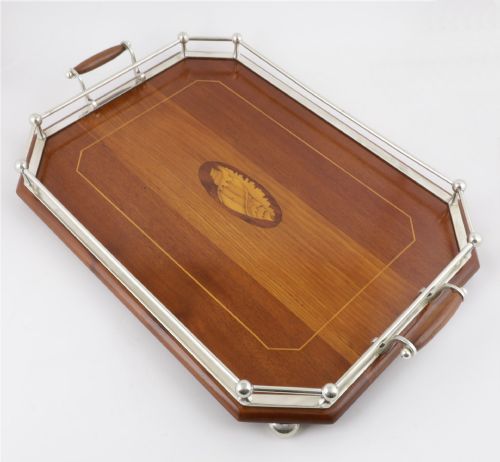
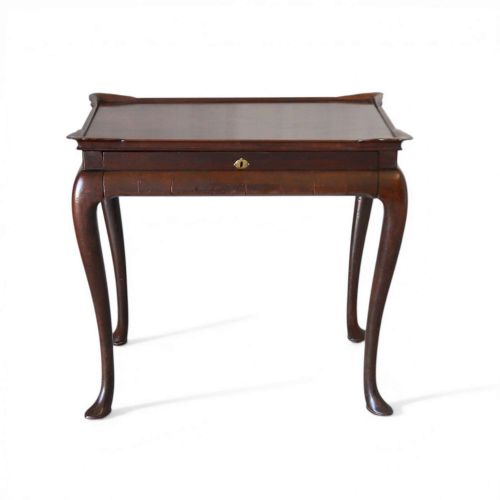
Makers utilised silver plate and sterling silver over metallic bases, alongside electroplated nickel silver and Old Sheffield plating techniques. Wood elements appear in pieces such as mahogany serving trays and table tops.
Detailing involves hand engraving, cast elements, and shell inlay on timber surfaces. Craftsmanship reflects the prevailing styles of each era, from Georgian neoclassical lines to Aesthetic Movement and Edwardian rococo revival motifs.
Vintage Silver Tea Server Retail Price Guide 2026
Typical asking prices for vintage silver tea server among the pieces listed under this phrase on Sellingantiques today, from the lower quarter to the upper quarter. They describe what is for sale here now, not the wider market.
Listings feature items spanning the 18th Century, 19th Century, Georgian, Edwardian, and Victorian periods.
What varies in quality
Quality rests upon the crispness of engraving, the weight of the metal, and the integrity of applied details like cast handles and feet. Pieces displaying refined proportions and balanced design stand apart from standard utilitarian examples.
The integration of secondary materials, such as Cuban mahogany or inlaid shell work on trays and tables, indicates higher workshop standards. Preservation of original plating and clean structural joinery elevate individual items.
Mappin & Webb
The Vintage Silver Tea Server Glossary
- Silver Plate
- A thin layer of silver applied to a base metal, such as copper or nickel. This technique allowed makers to produce domestic wares at a lower cost than solid sterling.
- Old Sheffield Plate
- An early fusing method where a sheet of silver is fused to a copper ingot before rolling. It represents a precursor to later electroplating methods.
- EPNS
- An abbreviation for electroplated nickel silver, which became a common base material for domestic metalware during the nineteenth century. The process uses electrical current to coat a nickel alloy with silver.
- Gallery Tray
- A serving tray featuring an elevated pierced or solid border around the perimeter. This rim prevented items from sliding off during transit.
- Aesthetic Movement
- A late nineteenth-century design approach that emphasised visual beauty over narrative or moral purpose. It drew inspiration from Japanese and various historical motifs.
Vintage Silver Tea Server: Frequently Asked Questions
What is a tea urn?
A tea urn is a large vessel designed to hold and dispense hot water for tea service. They often feature a spigot at the base and rest on sturdy feet.
These pieces sat upon sideboards or dedicated tables during formal gatherings, allowing hosts to replenish pots without returning to the kitchen.
How do I identify Old Sheffield plate?
Old Sheffield plate exhibits a sandwich construction where a thin layer of silver covers a copper core. Close inspection sometimes reveals a faint line of copper along exposed edges.
This method predates standard electroplating and was utilised extensively during the eighteenth and early nineteenth centuries.
How do I style a tea tray?
Tea trays function as display surfaces for teapots, creamers, sugar bowls, and cups. They group related serving pieces together to create a cohesive arrangement on a table or sideboard.
Combining pieces from similar periods, such as Edwardian silver plate with matching cutlery, helps maintain historical consistency.