

Victorian Silver Silverware
Victorian silver silverware encompasses substantive sterling vessels, flatware and decorative items from the nineteenth century that bring weight and utility to a dining table.
Victorian Silver Silverware
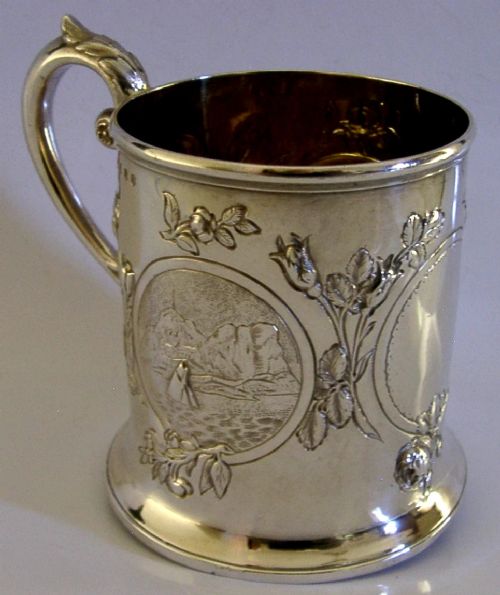
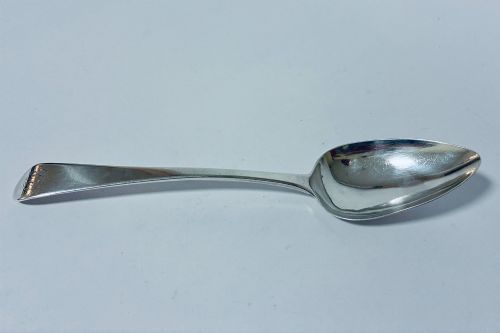
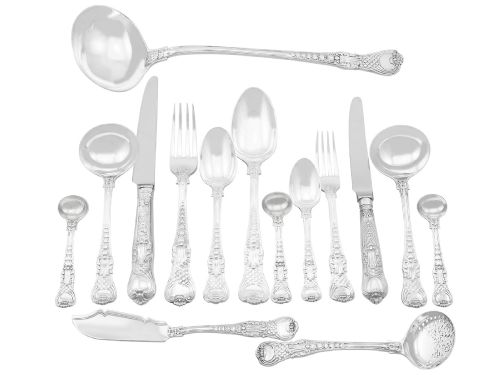
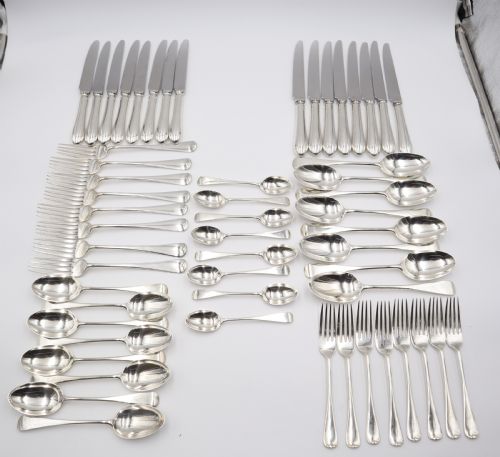
Victorian silver silverware covers a diverse range of objects designed for dining, hospitality and display, spanning teapots, bowls, cutlery sets and serving pieces. The most common examples met on this page originate from nineteenth-century British workshops, alongside select pieces from international makers working in regional styles.
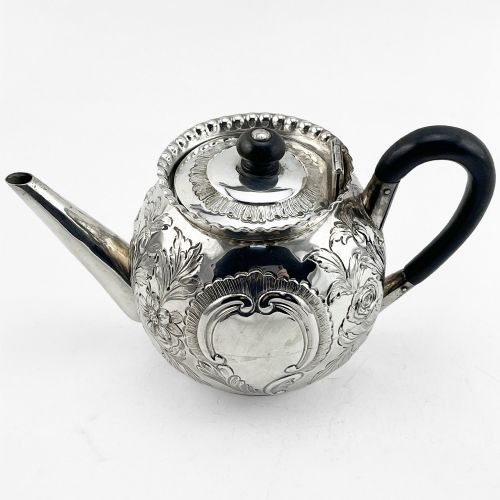
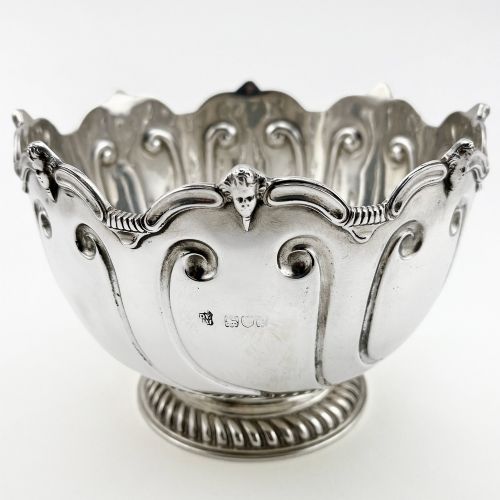
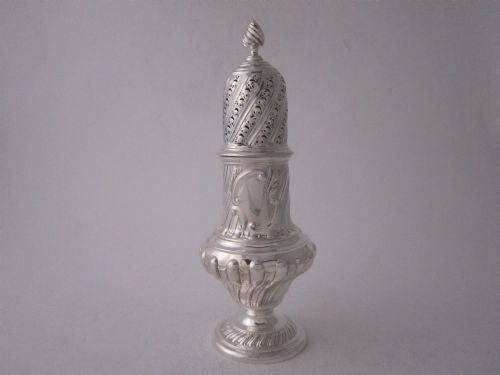
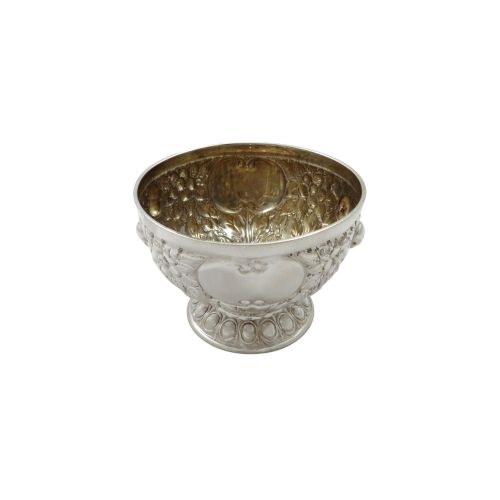
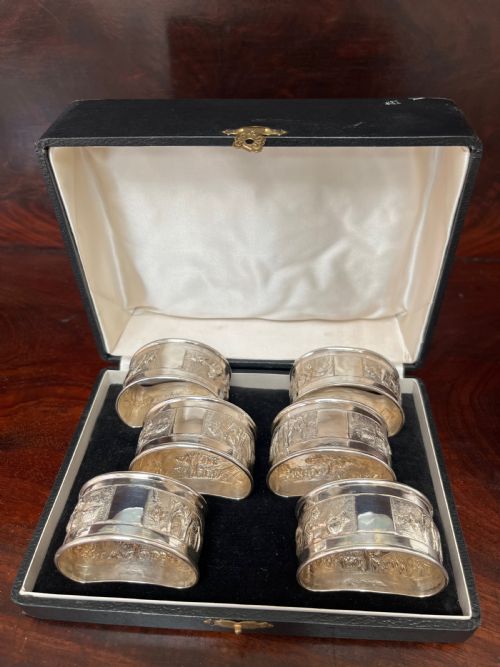
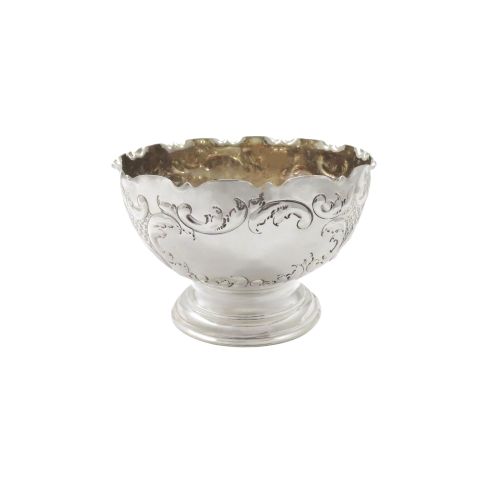
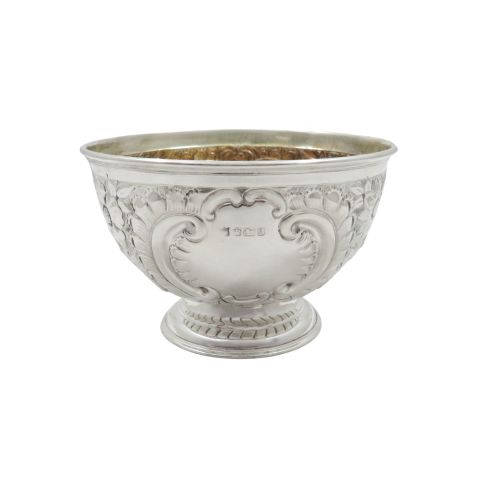
Domestic tableware forms dominate the selection, including bachelor teapots, sugar casters, mustard pots and fruit services. Alongside these practical items sit decorative bowls, such as Monteith style vessels and footed dishes, reflecting the Victorian appetite for elaborate table presentation.
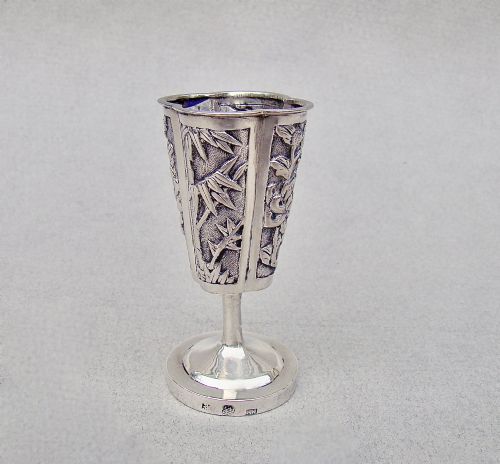
The selection extends beyond standard British production to incorporate specific regional aesthetics, including Chinese export silver, Anglo-Indian Kutch silver and Russian cloisonne enamel items. These pieces demonstrate how nineteenth-century silversmiths adapted local techniques to satisfy international demand for decorative tableware.
Materials and Techniques
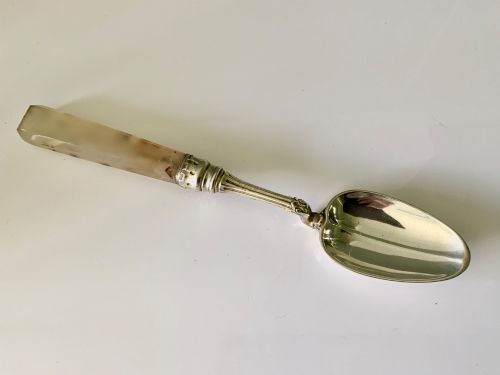
Makers primarily utilised sterling silver, augmented by silver plate, Old Sheffield plate and silver gilt finishes over metal cores. Structural elements occasionally incorporated auxiliary materials such as ebonised wood for handles, glass liners for mustard pots, velvet linings for cased sets, and ceramic bodies for biscuit barrels.
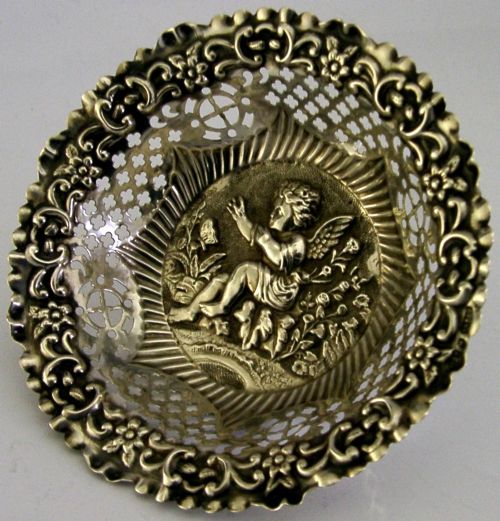
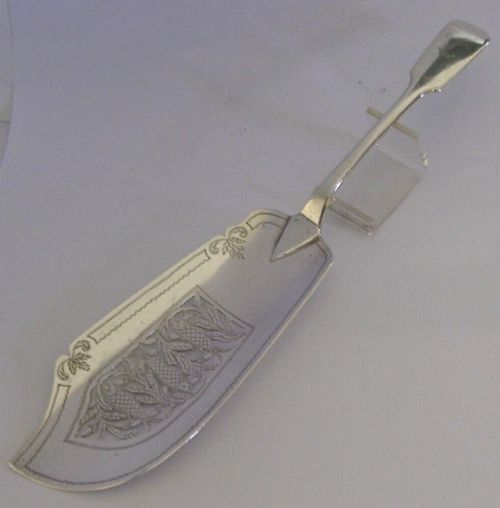
Surface ornamentation relied on traditional silversmithing techniques including piercing, repoussé work, chasing and floral engraving. Complex pieces feature detailed cast components like cherub motifs, crests and handles, soldered securely to raised bodies or spun metal forms.
Victorian Silver Silverware Retail Price Guide 2026
Typical asking prices for victorian silver silverware among the pieces listed under this phrase on Sellingantiques today, from the lower quarter to the upper quarter. They describe what is for sale here now, not the wider market.
Object forms on this page include butter knives, grape shears, toothpicks, tea caddies and communion chalices alongside standard tableware.
Standards of Execution
Quality in Victorian silver silverware rests upon the crispness of the chasing and repoussé work, where deeply defined motifs separate superior items from shallow, mass-produced stampings. Heavy gauge metal ensures structural integrity, preventing distortion in pieces subjected to daily use like tankards, salvers and cutlery.
Maker attribution and the clarity of hallmarks strongly influence distinction, with items bearing marks from notable workshops commanding greater regard. The integration of complementary materials, such as well-fitted glass liners or secure ebonised handles, indicates careful primary construction.
Wing Nam & Co·William Comyns·Hodsoll Collection
The Victorian Silver Silverware Glossary
- Sterling silver
- An alloy consisting of ninety-two point five percent silver and seven point five percent other metals, usually copper. This standard composition provides the durability required for nineteenth-century tableware.
- Repoussé
- A metalworking technique where the silversmith hammers the design from the reverse side to form a raised relief on the front. This method creates tactile, three-dimensional floral and figurative scenes on bowls and beakers.
- Monteith
- A type of bowl featuring a scalloped or notched rim designed originally to hold wine glasses by their bases while chilling in water. Victorian iterations adopt this historic form primarily for decorative or floral display.
- Silver gilt
- Silver objects that have been coated with a thin layer of gold on the interior or exterior surfaces. This process adds a warm golden lustre and protects the underlying silver from certain foodstuffs.
- Old Sheffield plate
- A composite material made by fusing a sheet of silver to a thicker copper base before rolling them into sheets. This early precursor to electroplating produced durable tableware before the mid-nineteenth century.
Victorian Silver Silverware: Frequently Asked Questions
What is Victorian silver silverware?
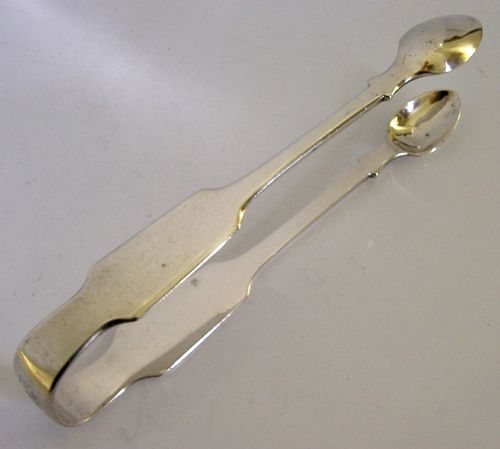
Victorian silver silverware comprises dining table items, hollowware and cutlery produced during the nineteenth century, typically marked with British sterling hallmarks. These objects range from functional teapots and sugar tongs to decorative salvers and mustard pots.
Items reflect the social rituals of the period, particularly tea service and formal dining. The category encompasses both plain domestic pieces and heavily ornamented vessels featuring repoussé work or engraving.
How do I clean antique silver?
Cleaning antique silver requires a soft cloth and a gentle silver polish formulated specifically for historic metals. Avoid harsh abrasive cleaners or excessive rubbing that can wear away thin plating or soften crisp engraving.
Store pieces in dry environments away from direct sunlight and rubber materials, which accelerate tarnishing. Regular, gentle dusting is often sufficient for decorative display items that see no functional use.
How can I date Victorian silver?
Dating Victorian silver relies primarily on the stamped hallmarks found on the metal, which typically include a maker's mark, a standard mark, a town mark and a date letter. These stamps provide an exact year of assay and registration for British-made items.
Stylistic cues such as floral engraving, shape proportions and accompanying fitted cases also offer clues to the decade of production. Comparative study of period catalogues helps place unmarked or international export pieces within the nineteenth century.
Were these items used daily?
Many Victorian silver pieces served practical daily functions in nineteenth-century households, including tea preparation, serving condiments and cutting butter. Cutlery sets, salt cellars and toast racks saw regular use at family meals.
Other items, such as large salvers, trophy mugs and decorative bowls, were reserved for formal occasions or display in dining rooms and parlours. This mix of utility and display explains the varying degrees of wear found across different forms.